


London Concours 2025: The Ultimate Hypercars Concours Class
The London Concours 2025 staged another breathtaking display of automotive artistry. At the 2025 show, one concours class in particular defined speed and luxury: “The Hypercars.” That collection featured machines that pushed the very boundaries of engineering and design and represented the pinnacle of automotive ambition.
Hypercars combine blistering performance with exquisite craftsmanship, and they also showcase revolutionary technology. Furthermore, each car was a limited-production marvel that captures the imagination of enthusiasts worldwide. In fact, the London Concours brought together a select group of these extraordinary vehicles, offering a rare chance to see them in one place – and as a result, visitors were left amazed.
The “Hypercars” class at the London Concours 2025 assembled some of the most powerful and exclusive automobiles ever created; attendees got to see them up close. Here are the details of each car.
2024 Maserati MCXtrema
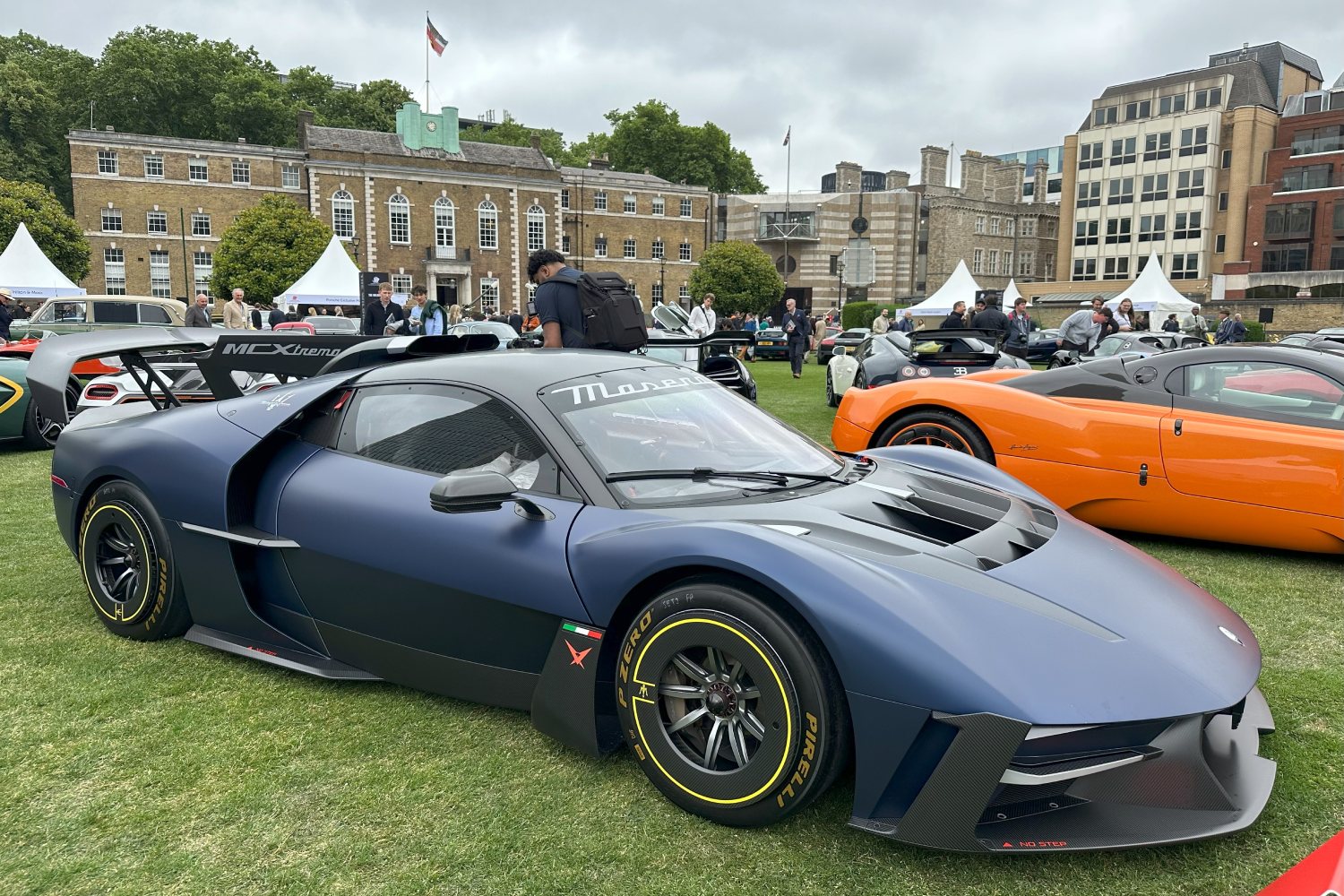
A track-only hypercar based on the MC20 GT2 racing car, the MCXtrema has been described as offering the speed of a GT3 with an extra 200bhp, but the usability of a GT4 car. The 3.0-litre twin-turbo Nettuno V6 produces 730bhp and 538lb ft of torque, nestled in a carbonfibre monocoque and body that has been honed for ultimate track performance without the need to subscribe to any category’s regulations.
Weighing just 1300kg, the car has been honed by multiple endurance racing champion and Maserati test driver Andrea Bertolini to provide the optimum usability, with the minimalist interior offering all the adjustability a driver would ever need, but in a logical, ergonomic form.
This particular example is the only one of the 62 MCXtremas produced worldwide that came to the UK. It’s already taken part in several track events, with plenty more planned for the near future.
2024 Pagani Utopia C10
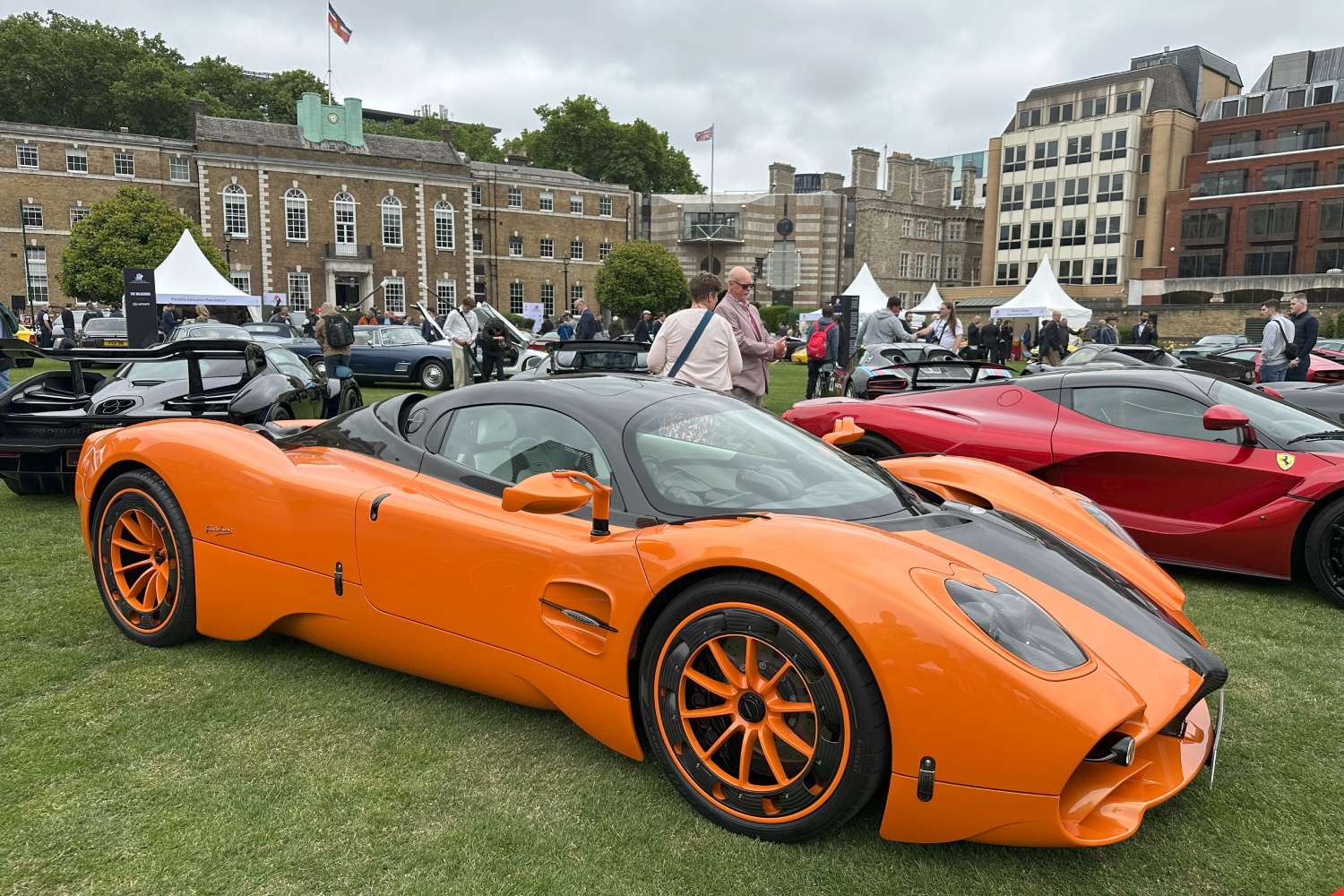
The Pagani Utopia is all about emotive feel and raw performance. Central to that is the Mercedes-AMG 6.0-litre twin-turbo V12, with 864bhp, 811lb ft of torque and a dearth of battery assistance. It’s teamed with either a seven-speed gated-manual transmission or an Xtrac seven-speed automated manual.
The car has forged aluminium wheels, titanium exhaust and suspension parts, and a lightweight carbon-composite body and chassis. Unlike other hypercars, the Utopia features no active aerodynamic systems. It can sprint to 62mph in around three seconds and hit more than 217mph, with a power-to-weight ratio of 675bhp/tonne.
This particular Utopia, finished in Arancio St Tropez, is serial no. 60 to mark the owner’s birthday, and the 64th model built.
2024 Gordon Murray Automotive T.50
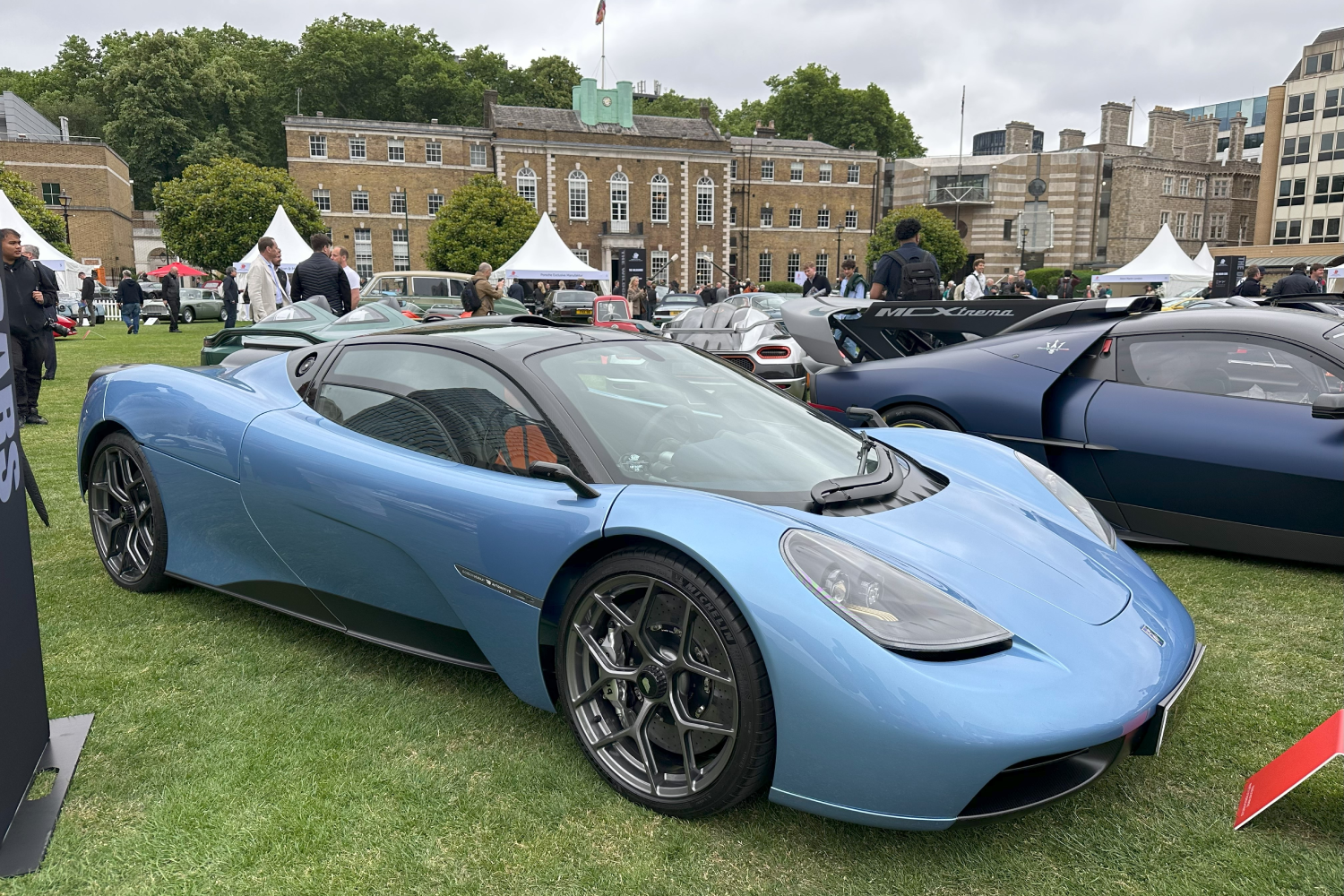
The T.50 is Gordon Murray’s spiritual successor to the McLaren F1. He wanted to perfect the few areas of the McLaren F1 that he wasn’t totally happy with, while taking advantage of three decades of tech advances, to design the most driver-centric supercar ever.
The Cosworth 4.0-litre V12 is matched to an Xtrac six-speed manual ‘box. Due to obsessive weight saving, the car sits at just 997kg. It also has an active fan to increase the efficiency of the diffuser, inspired by Murray’s Brabham BT46B.
This car is chassis 11 and has a unique Goodwood Blue exterior with Athol Blue Alcantara trim and an orange leather central driving seat.
2021 Aston Martin Speedster

Aston Martin may be best known for its luxurious GTs, but now and then it comes up with something truly bonkers. The Speedster was one such example – maybe the craziest Aston ever.
Essentially, you take a twin-turbo V12 with 691bhp and then shoehorn it into a short-wheelbase two-seater with no roof, windows, or windscreen. Moreover, its styling was inspired by the 1950s DBR1, while also incorporating elements of the modern Vantage.
Much of the Vantage would donate its aluminium-bonded chassis, but getting the 5.2-litre engine to fit meant grafting on the front of the DBS Superleggera. This hypercar could hit 62mph in 3.5 seconds and a top speed of a limited 182mph. A mere 88 were built.
2022 Lamborghini Countach LPI 800-4

Arguably one of the most controversial hypercars of recent years? Marcello Gandini, designer of the original Countach to which this Aventador-based limited edition paid tribute, wasn’t a fan.
The LPI 800-4 was far more than just an exterior reskin – it was a further development of the hybrid tech brought in with the Sián FKP 37 of 2019. It combined a 770bhp 6.5-litre V12 with a 48V 34bhp electric motor for a total 803bhp.
Regenerative braking energy was stored in a supercapacitor for added lightness. The car could hit 0-62mph in 2.8 seconds and twice that in 8.6 seconds, before topping out at 221mph.
2016 Lamborghini Centenario
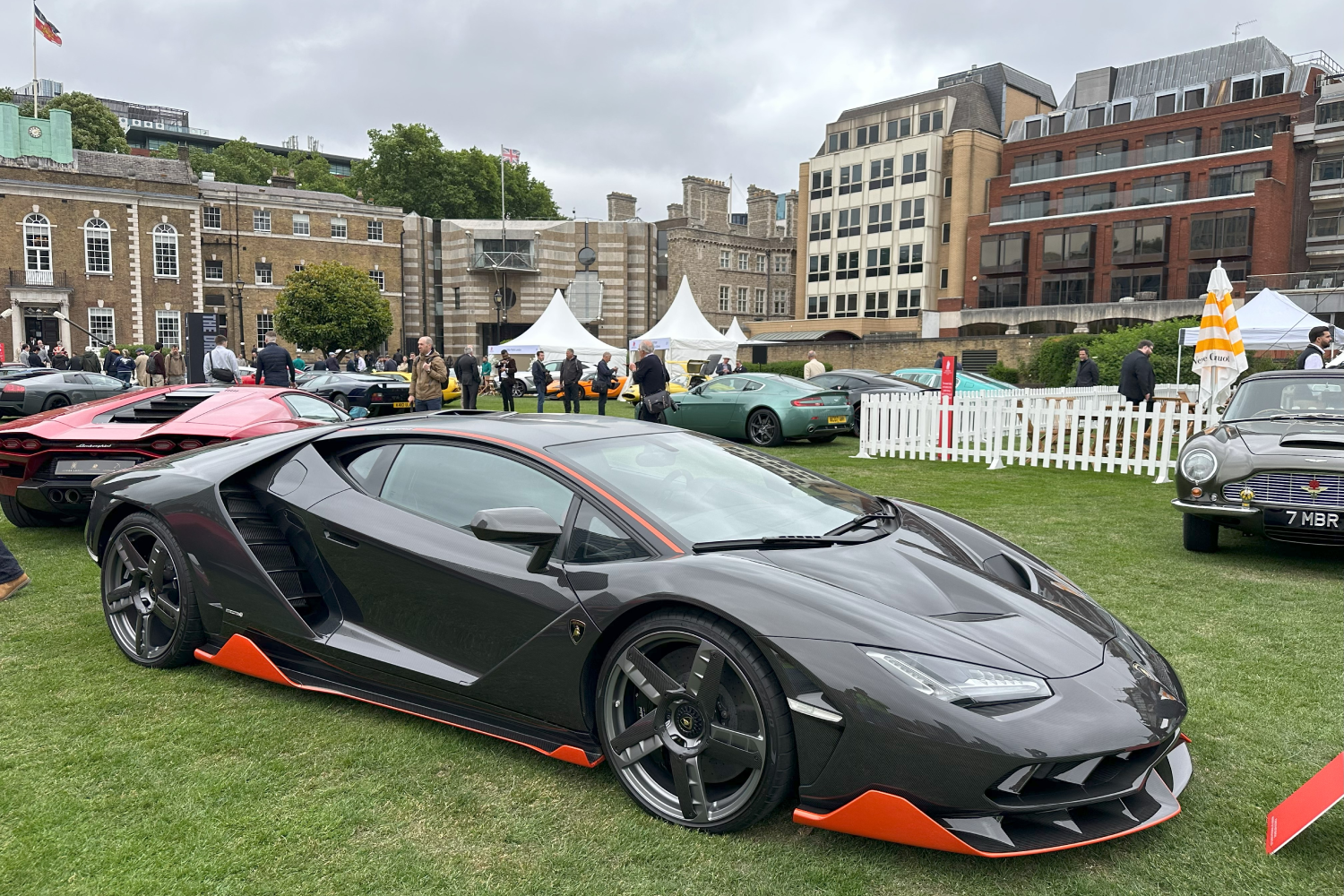
To celebrate founder Ferruccio’s 100th anniversary, Lamborghini created something truly special – the Aventador-based Centenario.
Its 6.5-litre V12 was drastically reworked to become the marque’s most powerful engine of its type, at 769bhp. The Centenario also had rear-wheel steering and active aerodynamics.
It lived up to Lamborghini lore when it came to performance – it could hit 217mph, having zipped past 62mph in 2.8 seconds.
Just 40 examples were built – 20 coupés, 20 roadsters – and each was sold before launch for around $2m. This particular hypercar is the only one in the UK.
2019 McLaren Senna
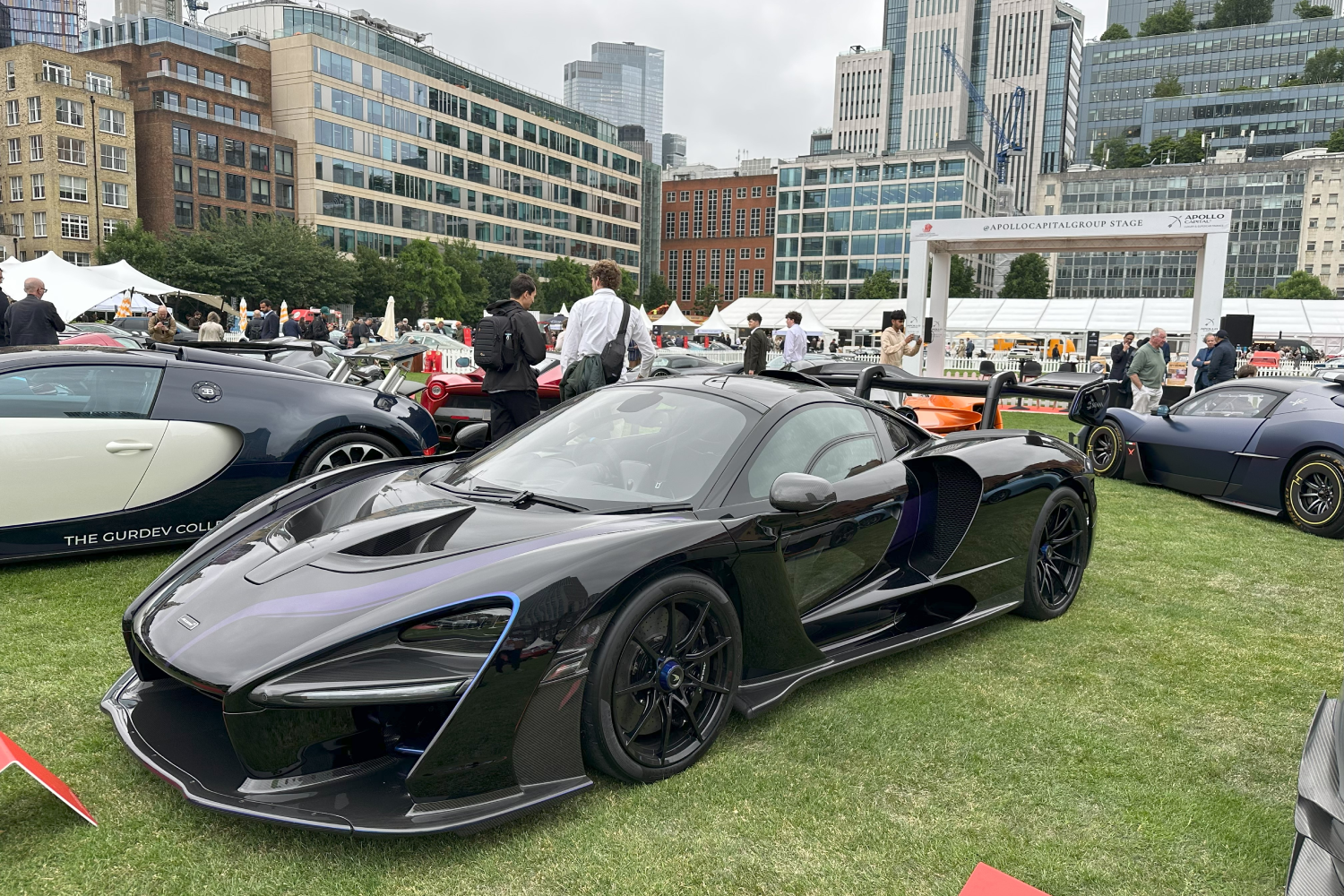
McLaren’s mission with the Senna was to create the purest synchronicity between driver and machine, by optimising aerodynamics, weight reduction and performance to build the ultimate road-legal track-day car.
Based on a lightened development of the P1’s carbonfibre tub, the Senna used a fettled 720S 4.0-litre twin-turbo V8. Carbonfibre featured everywhere.
Aerodynamics informed its distinctive look, and the car could make 800kg-plus of downforce at 155mph. Top speed was 208mph and its 0-62mph time 2.8 seconds, while the key metric was power to weight: 658bhp per tonne.
2014 Koenigsegg One:1

Koenigsegg has always pushed the boundaries of physics, but the One:1 was arguably its biggest challenge – to achieve a perfect power-to-weight ratio. Based on the Agera RS, but heavily modified, the One:1’s revised 5.0-litre twin-turbo V8 put out 1341bhp, equivalent to one megawatt. The weight was 1341kg, and so the One:1 name. As such, it claimed to be the world’s first megacar. It could hit 60mph in 2.8 seconds and 249mph in 20 seconds, with its top speed somewhere north of 273mph.
This hypercar used a carbonfibre monocoque with an integrated fuel tank, a Triplex damper system with variable ride height and stiffness, and active aerodynamics. Just seven examples of the One: 1 were ever built.
2015 Ferrari LaFerrari

The LaFerrari was not only the ultimate Ferrari, but the brand’s first hybrid, too. Its HY-KERS electric motor was matched to a 6.3-litre V12 for 950bhp and 664lb ft of torque, giving a 2.7sec 0-60mph sprint and a 217mph top speed.
The hybrid systems main purpose was to provide an instant torque fill and to regenerate energy under braking and deceleration. This was all encased in a carbonfibre monocoque designed by Ferrari’s F1 chassis engineers.
As with the Ferrari F1 cars, the LaFerrari pushed the boundaries of aerodynamic knowhow. Its active aerodynamics automatically adapted to speed and cornering forces. In total, 499 coupés and 210 Apertas (drop-tops) were built.
2020 Pagani Huayra Roadster
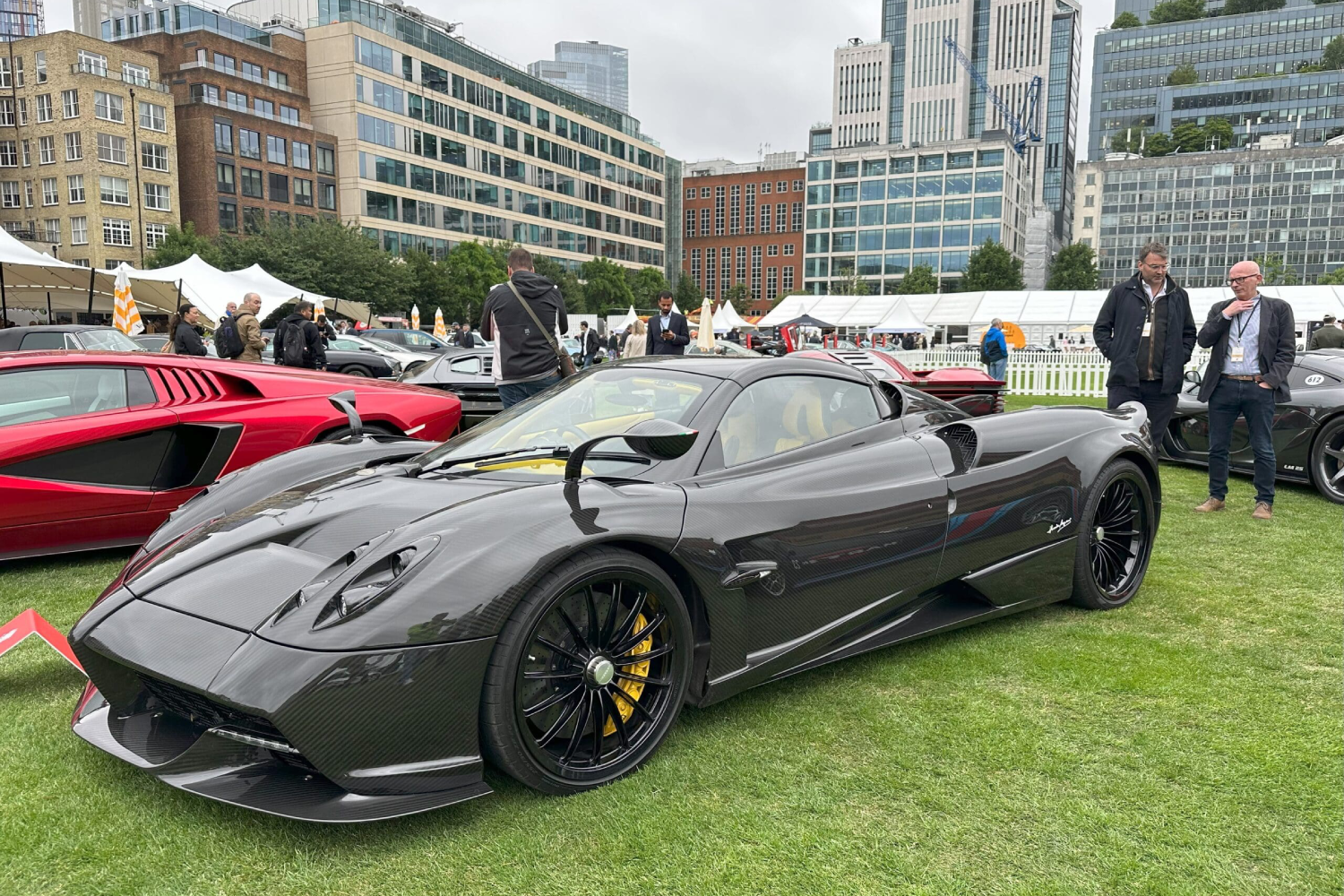
Pagani redesigned and optimised almost the entire Huayra coupé package to create the Roadster. At just 1280kg, it was lighter than the coupé by 80kg. Its Mercedes-AMG-built 6.0-litre twin-turbo V12 delivered 764bhp and 737lb ft via an XTRA seven-speed automated manual.
New turbochargers and engine mapping gave a wider powerband and improved response. Unlike the original car’s active aerodynamics, the Roadster used revised aero channels and subtle fixed aerodynamic aids. It could romp to 62mph in just 3.1sec and carry on to 205mph-plus. Just 100 examples were produced.
2010 Bugatti Veyron Grand Sport
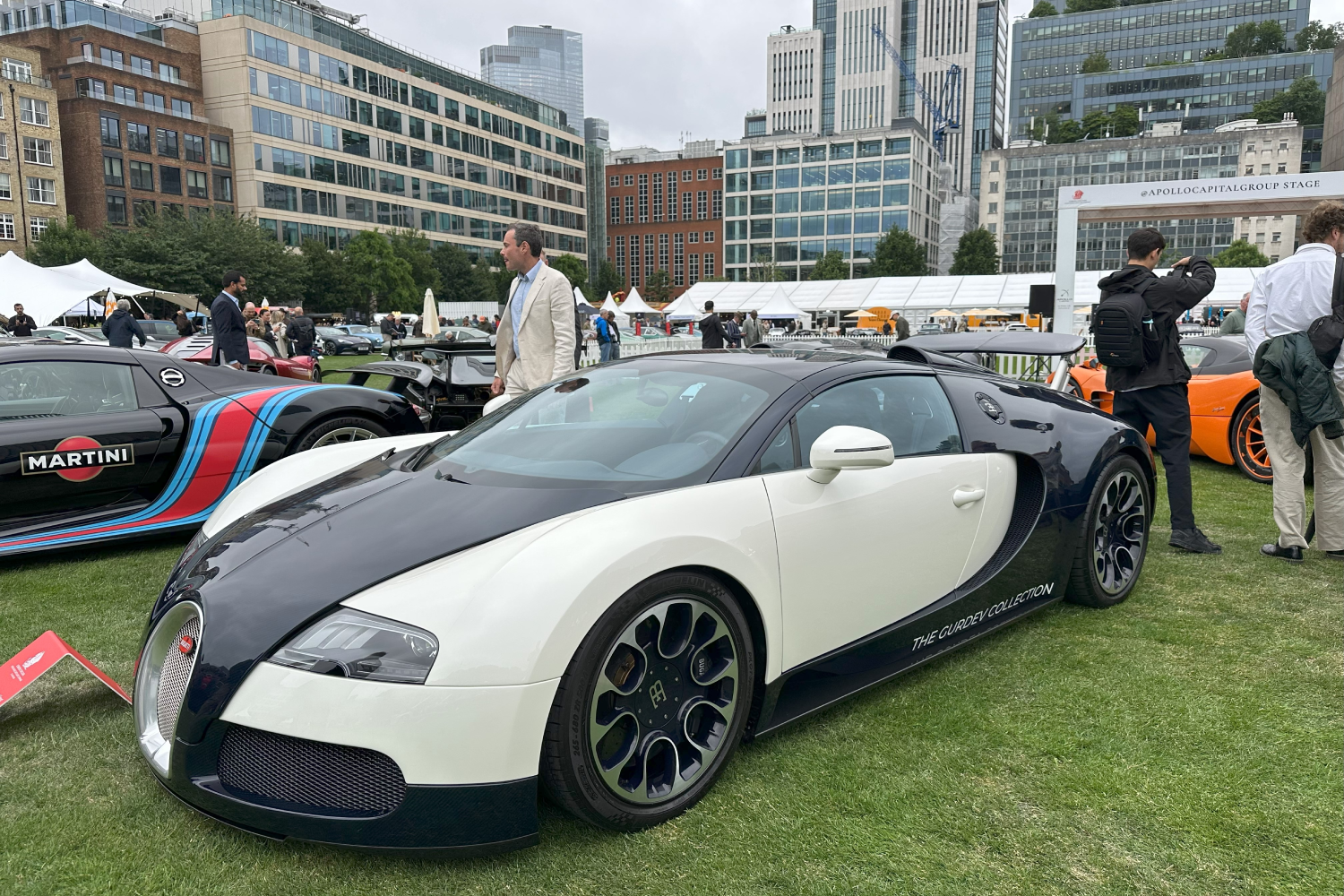
The Veyron was built from obsession and engineering fanaticism, and it redefined the possibilities of the automobile. At its heart was its 8.0-litre quad-turbo W16, with 1001bhp and 922lb ft of torque. Allied to all-wheel drive, the Veyron could hit 0-62mph in 2.5sec, and its top speed of 253mph made it the fastest car in the world in 2005.
Forming part of the Gurdev Singh Collection, this Grand Sport features Pebble Beach Blue exposed carbonfibre and Antigua White percentile paint. Polished accents and bespoke wheels complete the look, while the cabin boasts Indigo Blue leather with white stitching.
2015 McLaren P1 HDK
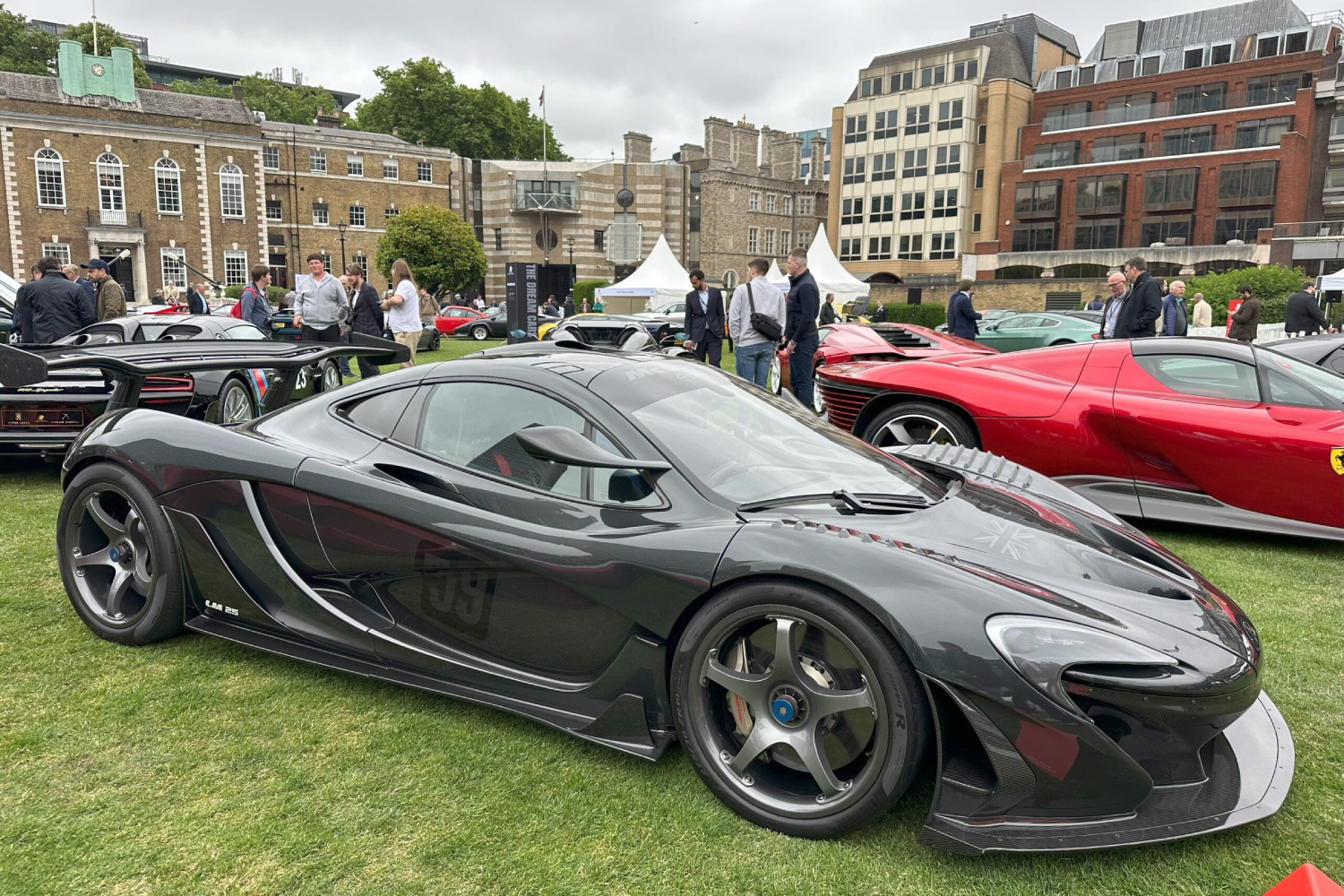
With production restricted to just 375 cars, the hybrid McLaren P1 is already a limited-production hypercar.
This version is an even rarer example, however: the P1 HDK. It is one of just nine examples built by British engineering specialist Lanzante, fitted with the high-downforce kit.
During the production of the original F1, McLaren offered the HDK upgrade to owners seeking the style and enhanced high-speed downforce of the F1 GTR models. The P1 HDK echoes this design, with a deeper front splitter, side skirts and a fixed high-level rear wing. This car is finished in Ueno Grey, paying homage to the F1 GTR that won the 1995 Le Mans 24 Hours.
2024 Ferrari SP3 Daytona
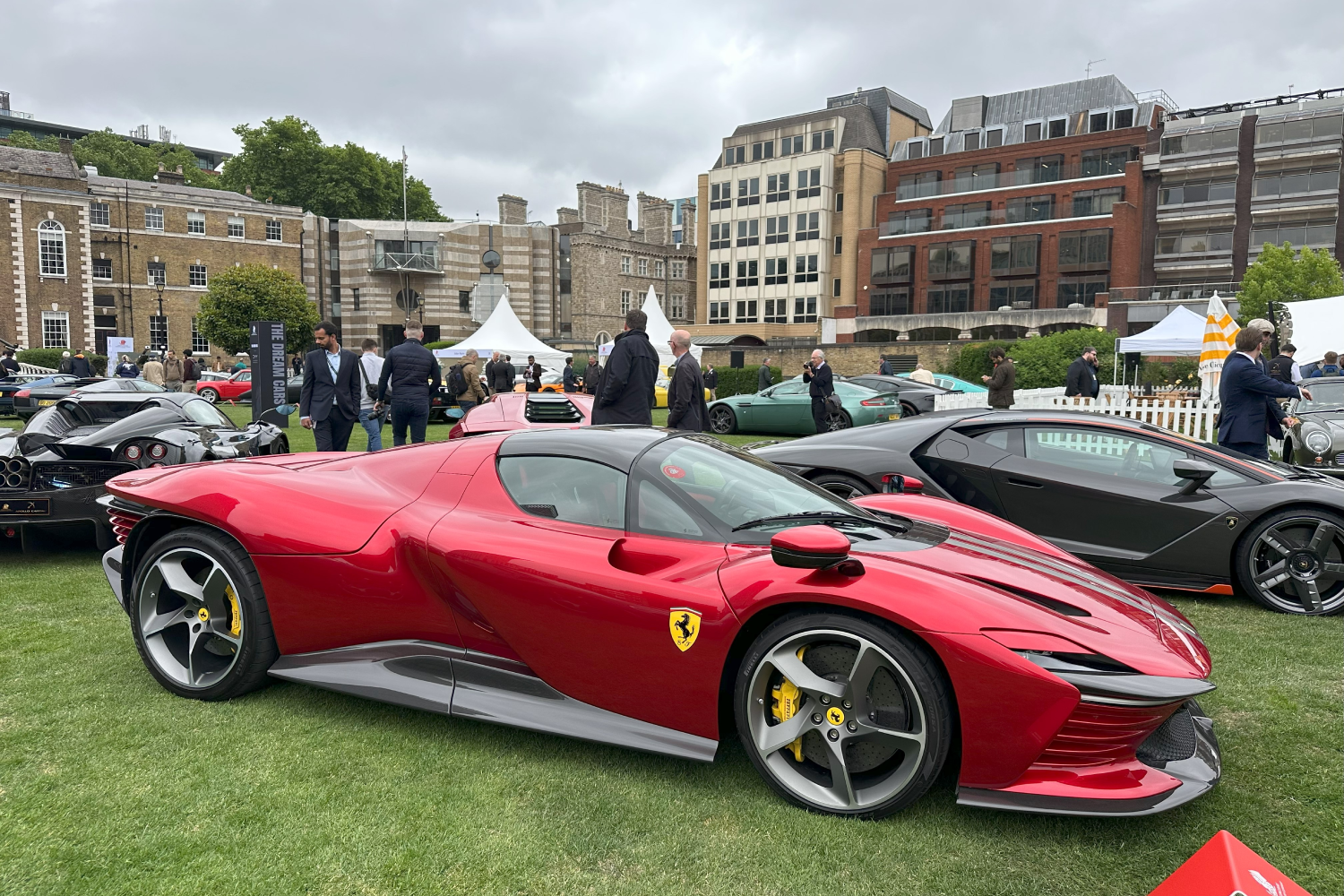
Built to commemorate Ferrari’s podium lock-out at the 1967 Daytona 24 Hours, this thoroughly modern hypercar takes inspiration from sports prototypes of that era, in particular the 330 P3/4, 312 P and 512 S.
It is an exercise in ‘passive’ aero, without recourse to active flaps or wings. It can produce 230kg of downforce at 125mph – a remarkable figure sans a rear wing.
The carbonfibre monocoque houses an 812 Competizione-derived 6.5-litre V12. It produces 829bhp at 9250rpm, with 514lb ft of torque at 7250rpm, courtesy of a revised intake and exhaust plus reworked internals. The SP3 Daytona can sprint to 62mph in 2.85 seconds and top out at 211mph. Just 599 were built.
2015 Porsche 918 Martini Spyder
Porsche’s 918 Spyder was a technical masterclass. At its heart, it featured the RS Spyder LMP2-derived 4.6-litre V8. Besides, it was augmented with a 129bhp front-axle motor and a 156bhp rear-axle motor, delivering a combined 887bhp and 944lb ft of torque. Together, these provided AWD traction and instant torque fill, while also enabling 12–18 miles of silent electric running.
The 918’s carbonfibre-reinforced polymer monocoque kept the weight down to 1634kg. The car could hit 214mph and 0-6omph in 2.6sec. It was also one of the first to set a sub-7.0sec time at the Nürburgring, flashing around the circuit in six minutes and 57 seconds.
The Apex of Automotive Achievement
The Hypercars class at the London Concours 2025 delivered an extraordinary spectacle. It offered visitors a chance to witness these automotive giants. These car represented the ultimate expressions of speed, luxury, and engineering ingenuity. Each car, from the pioneering Bugatti Veyron to the cutting-edge Pagani Utopia, told a story. It highlighted innovation and showcased human ambition. This collection undoubtedly captivated every visitor. It offered a glimpse into the future of automotive performance while celebrating the incredible achievements of the present.
These machines are rolling works of art. They are technological wonders that inspired awe and admiration. The London Concours provided the perfect backdrop for such an exquisite display. Which is your favourite car here. Hard to choose I know. Let us now in the comments below.
If you want to see more London Concours content, head over to our YouTube channel to see our London Concours playlist.
What are your ultimate hypercar dreams?
Which of these incredible hypercars would you most like to drive? Do you prefer the raw power of a traditional V12 or the advanced technology of a hybrid system? What do you think the next generation of hypercars will look like? Share your thoughts and tell us which hypercar truly captures your imagination in the comments below.



Read more on

Advertise your Car Show on My Car Heaven.
Get in touch and we can make that happen for you.
Find Out MoreRelated Stories
Advertisement Advertisement
 Advertisement
 Advertisement
 Advertisement