



McLaren’s Greatest Carbon Fibre Innovations – From MP4/1 To The W1


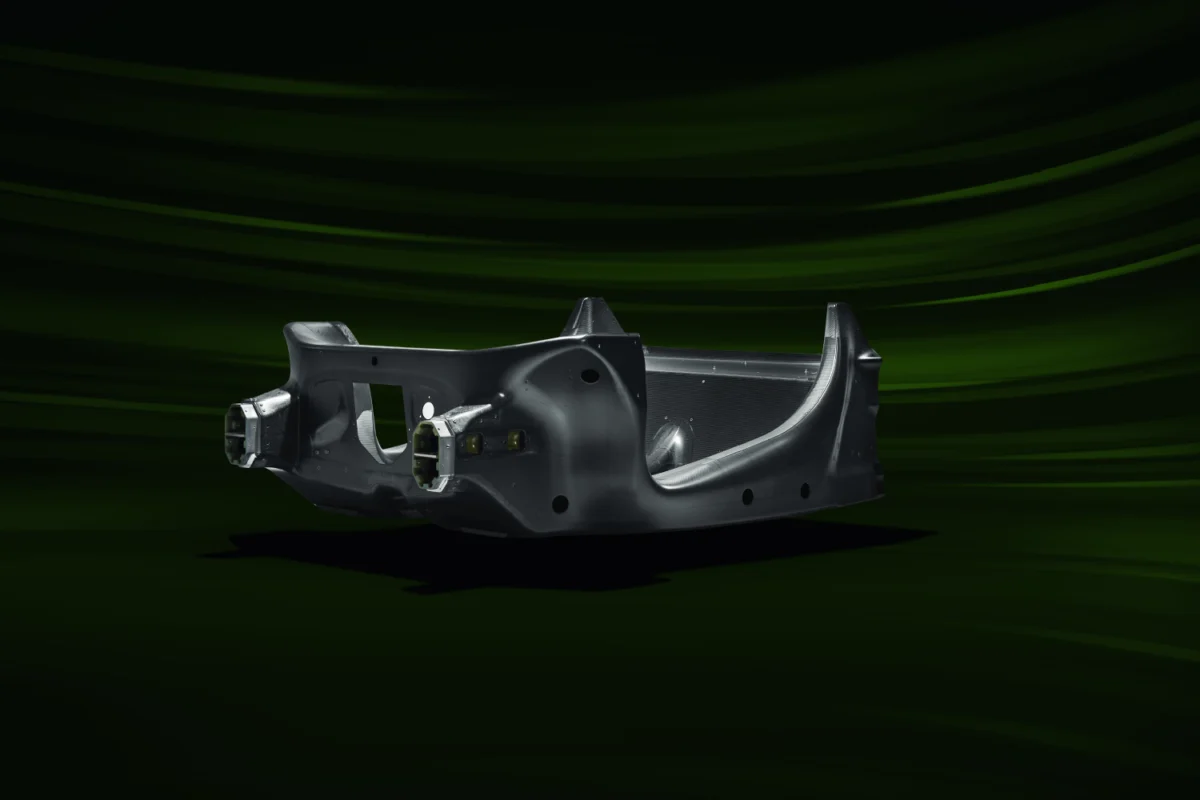



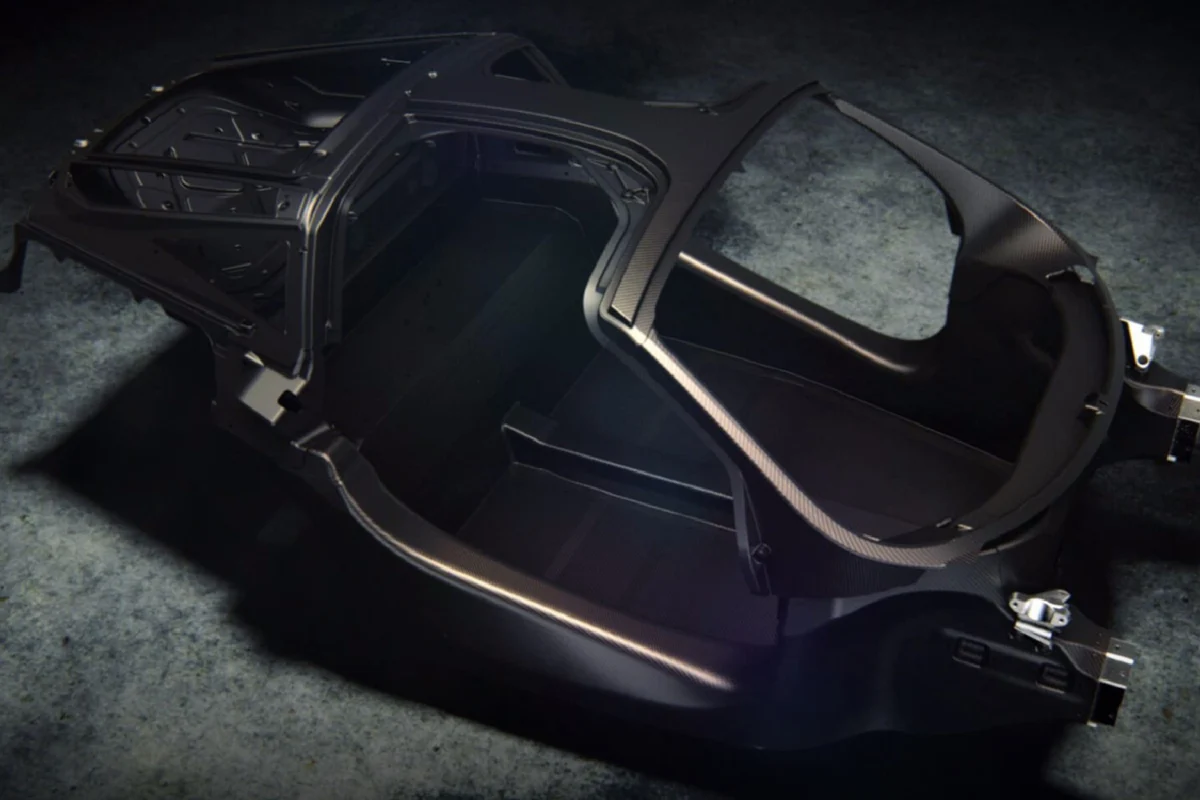

For over 60 years, McLaren has been at the forefront of technological breakthroughs in motorsport and road cars. At the heart of its engineering philosophy lies carbon fibre – a material that has defined the brand’s commitment to performance, safety, and efficiency.
McLaren has spent nearly half a century pioneering carbon fibre technology, continuously pushing the limits of lightweight construction. Every McLaren production car, from the iconic F1 to the latest W1 supercar, has been built around a carbon fibre chassis. The result? A perfect blend of strength, rigidity, and aerodynamics that sets new benchmarks for performance.
The Groundbreaking MP4/1: Changing Formula 1 Forever

In 1981, McLaren transformed Formula 1 with the MP4/1, the first F1 car to feature a full carbon fibre monocoque chassis. Designed by John Barnard, this innovation not only improved performance but also enhanced safety.
The Italian Grand Prix that year provided a dramatic demonstration of carbon fibre’s strength when John Watson walked away unscathed from a 140mph crash. Just three races later, Watson secured victory at the British Grand Prix by over 40 seconds, proving the technology’s performance potential.
McLaren F1: The Carbon Fibre Road Car Revolution

McLaren took its pioneering expertise from the track to the road in 1993 with the McLaren F1. The first road car with a full carbon fibre monocoque and body, it set new standards in lightweight engineering. Weighing just 1,140kg and powered by a 6.1-litre V12 engine producing 627PS, the F1 delivered unmatched speed and agility.
The F1 reached a record-breaking top speed of 240.1mph and cemented its status as an engineering masterpiece by winning the 1995 Le Mans 24 Hours. Carbon fibre had officially bridged the gap between racing and road cars.
The 12C and MonoCell: Making Carbon Fibre More Accessible

Fast forward to 2011, and McLaren introduced the MP4-12C, the first road car built by McLaren Automotive. It featured the innovative MonoCell, a single-piece carbon fibre tub that redefined chassis construction.
Weighing just 75kg, the MonoCell was exceptionally rigid, enhancing both performance and safety. Unlike many convertibles that require structural reinforcements, the Spider version of the 12C needed no additional bracing – a testament to the strength of its design. This technology laid the foundation for McLaren’s future supercars.
The P1: Carbon Fibre Meets Electrification

In 2013, McLaren took carbon fibre to the next level with the P1. Featuring the advanced MonoCage structure, it integrated the battery housing, roof snorkel, and aerodynamic elements into a single lightweight chassis.
Despite its hybrid powertrain, the P1 remained astonishingly light at just 90kg for the chassis. It proved that electrification and lightweight design could coexist, delivering extreme performance without compromise.
The 720S and Monocage II: Engineering Evolution
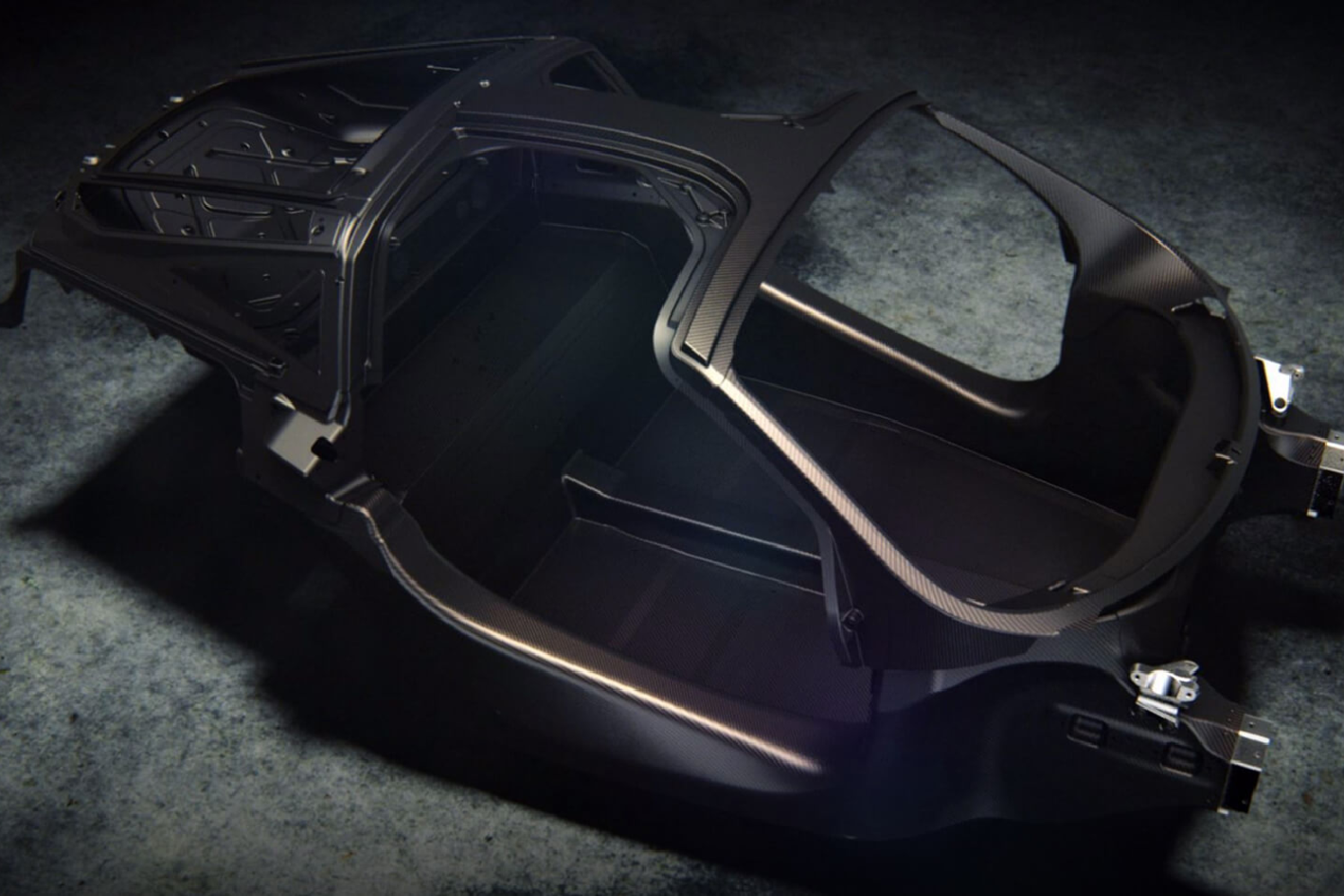
By 2017, McLaren introduced the Monocage II in the 720S. This next-generation carbon fibre structure offered increased rigidity and weight reduction while improving visibility and ease of access.
The ultra-slim roof pillars and rearward-positioned B-pillars created an airy, spacious cabin. The dihedral doors, which incorporated a section of the roof, enhanced accessibility while maintaining the car’s aerodynamic profile.
Like its predecessors, the Spider variant of the 720S required no additional strengthening, proving that McLaren’s carbon fibre expertise eliminated compromises between performance and practicality.
The McLaren Composites Technology Centre: Pushing Boundaries

In 2018, McLaren opened the McLaren Composites Technology Centre (MCTC) in Sheffield, investing £50 million into the research and production of advanced carbon fibre structures.
The facility’s first project was producing carbon fibre components for the McLaren 765LT, including its active rear wing, rear bumper, and front floor. The MCTC continues to drive innovation, ensuring McLaren remains a global leader in carbon fibre technology.
Artura and the MCLA: A New Era of Lightweight Hybrid Engineering
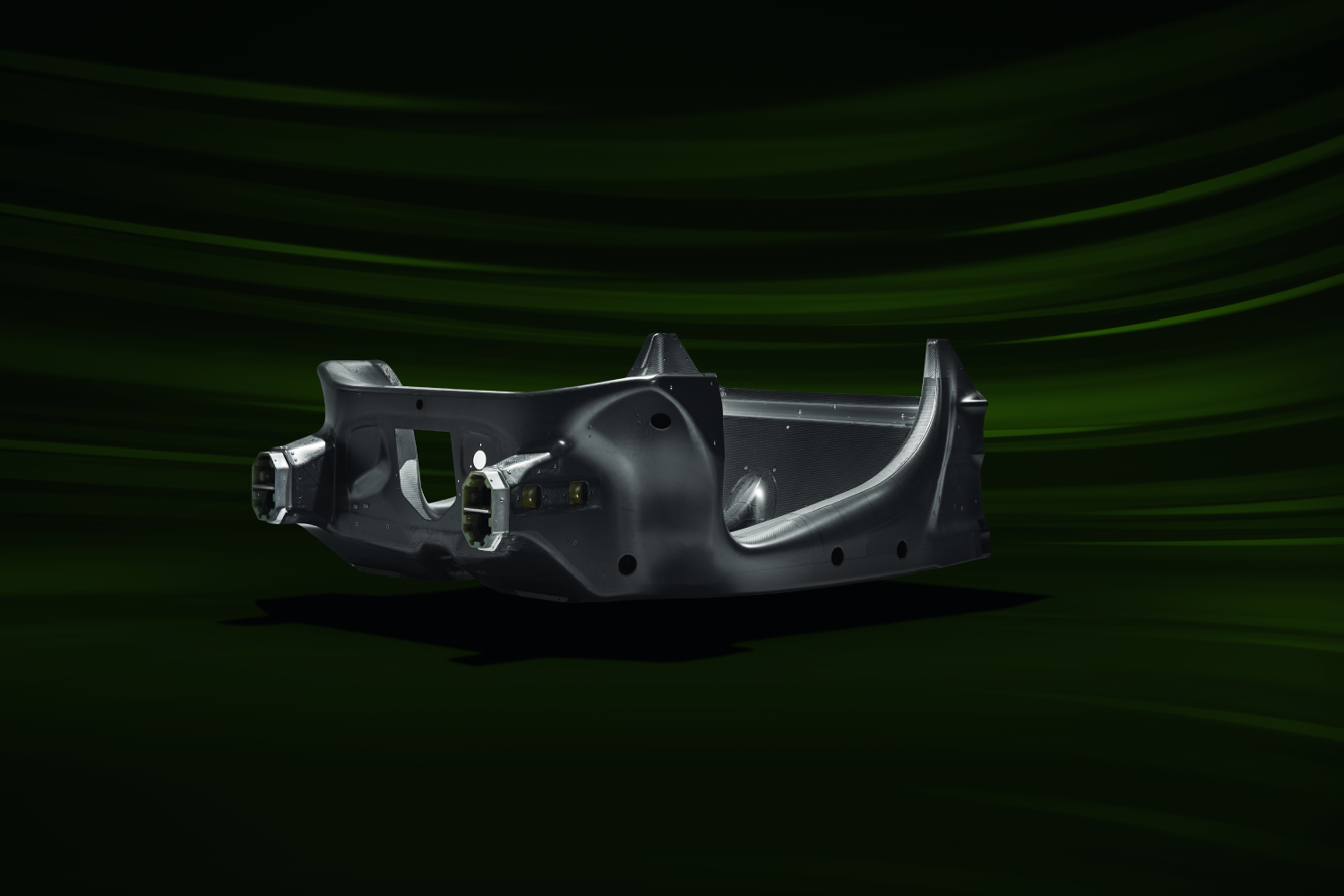
The 2021 McLaren Artura introduced the McLaren Carbon Lightweight Architecture (MCLA), designed specifically for the next generation of high-performance hybrids.
Stronger and lighter than previous chassis, the MCLA integrates hybrid powertrain components without compromising the weight advantages of carbon fibre. Manufactured at the MCTC, it represents a new chapter in McLaren’s carbon fibre journey.
The W1: The Ultimate Expression of Carbon Fibre Mastery

McLaren’s latest creation, the W1, showcases the pinnacle of its carbon fibre expertise. Every detail, from the monocoque to the aerodynamic elements, is crafted with precision to deliver unrivalled performance and efficiency.
With McLaren’s relentless pursuit of innovation, the W1 not only continues the brand’s carbon fibre legacy but also sets the stage for the future of supercars.
Conclusion: How Far Can Carbon Fibre Go?
McLaren’s history is a testament to the power of carbon fibre in shaping the future of performance cars. From the revolutionary MP4/1 to the cutting-edge W1, carbon fibre has been at the core of McLaren’s DNA.
What do you think the future holds for carbon fibre in supercars? Could we see even lighter, stronger, and more efficient designs? Share your thoughts in the comments below.



Read more on

We're on X (Twitter). Follow us for news, reviews, galleries, competitions and more...
Mycarheaven are on social media channel X (Twitter). Follow us for news, reviews, galleries, competitions and more...
Check us out here.Related Stories
Advertisement Advertisement
 Advertisement
 Advertisement
 Advertisement