



10 wonderful cars displayed in the Cartier Style Et Luxe at Goodwood Festival of Speed 2026
Here is another top 10 cars list. I have placed the cars in order of which cars I would most desire first. This selection is taken from the Cartier Style et Luxe area at Goodwood Festival of Speed 2026.
1968 Lamborghini Miura P400 (in white)
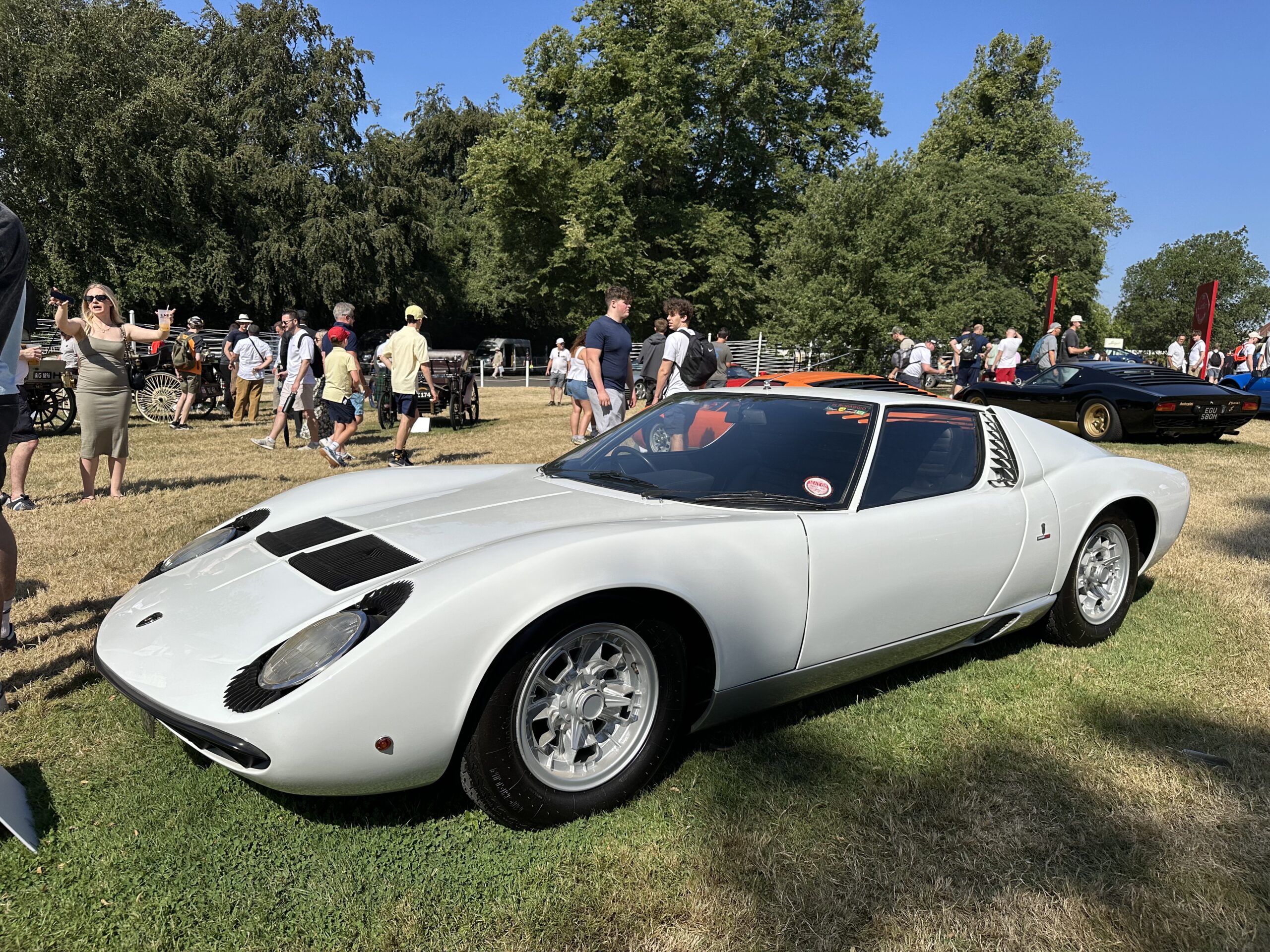
When it debuted in 1966, the Lamborghini Miura redefined what a high-performance road car could be. Widely regarded as the world’s first true supercar, the Miura combined breathtaking Marcello Gandini styling with a revolutionary mid-mounted V12 engine. It proved as thrilling to drive as it was beautiful to admire. Built to challenge the established order, the Miura transformed Lamborghini from an ambitious newcomer into an automotive icon. Moreover, it set the template for generations of exotic performance cars. Lamborghini produced fewer than 800 examples across the P400, P400 S and P400 SV. Even so, its influence extends far beyond its production numbers. Today, we celebrate the Lamborghini Miura – the car that forever changed the shape of the supercar.
The first right-hand drive production Lamborghini ever built, this 1968 Miura P400 occupies a unique place in the marque’s history. Delivered new to legendary musician Rod Stewart, it combines exceptional provenance with one of the world’s most iconic supercars. The Miura P400 is widely regarded as the world’s first true mid-engined supercar. It revolutionised high-performance car design when it debuted in 1966. Powered by a 3.9-litre quad-cam V12, the Miura delivered breathtaking performance and timeless styling. It established Lamborghini as a major force in the supercar world. Beautifully restored during the current ownership, this historically significant example remains one of the most important early Miuras in existence.
This 1968 Lamborghini Miura P400 ranked as one of the most extraordinary cars to appear at the Cartier Style et Luxe event at Goodwood Festival of Speed 2026.
.
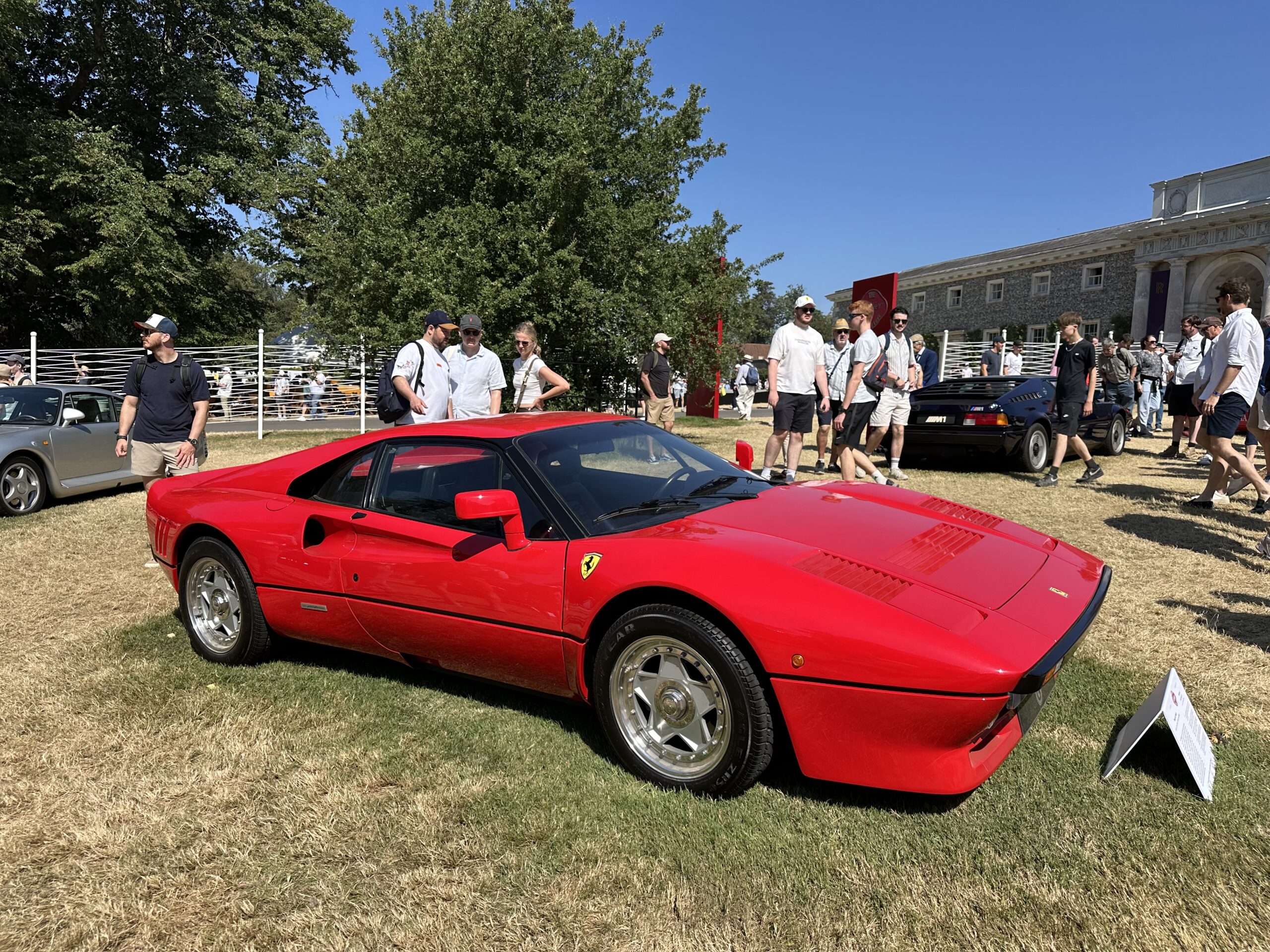
1985 Ferrari 288 GTO
The 1980s gave rise to one of motoring’s most exciting eras, when success on the rally stage and racetrack demanded road-going production cars built to homologate their competition counterparts. The result was an extraordinary generation of high-performance machines, blending cutting-edge technology with everyday usability. Turbocharging, four-wheel drive, lightweight construction and aerodynamic innovation moved from motorsport to the road. They created cars that were thrilling to own and spectacular to watch in competition. Built in limited numbers to satisfy homologation rules, these specials became some of the most coveted performance cars of the modern era. Today, we celebrate the iconic 1980s machines that proved the closest link between road and race creates unforgettable cars.
The Ferrari 288 GTO was Ferrari’s first true modern supercar, reviving the legendary GTO name for the first time since the iconic 250 GTO.
Originally developed as a Group B homologation special, it brought race-bred technology to the road. Its lightweight construction and motorsport-inspired engineering delivered outstanding performance.
Powered by a 2.8-litre twin-turbocharged V8, it produced around 400bhp. It could exceed 300km/h (189mph), making it one of the fastest cars of the 1980s.
Ferrari built only 272 examples of the 288 GTO, making it exceptionally rare. It also established the foundation for the brand’s modern halo car dynasty.
Built with advanced materials, including Kevlar, fibreglass and aluminium, it delivered a raw analogue driving experience. It also paved the way for the Ferrari F40, F50, Enzo and LaFerrari.
This 1985 Ferrari 288 GTO was undoubtedly one of the most remarkable cars showcased at the Cartier Style et Luxe event at Goodwood Festival of Speed 2026.
.
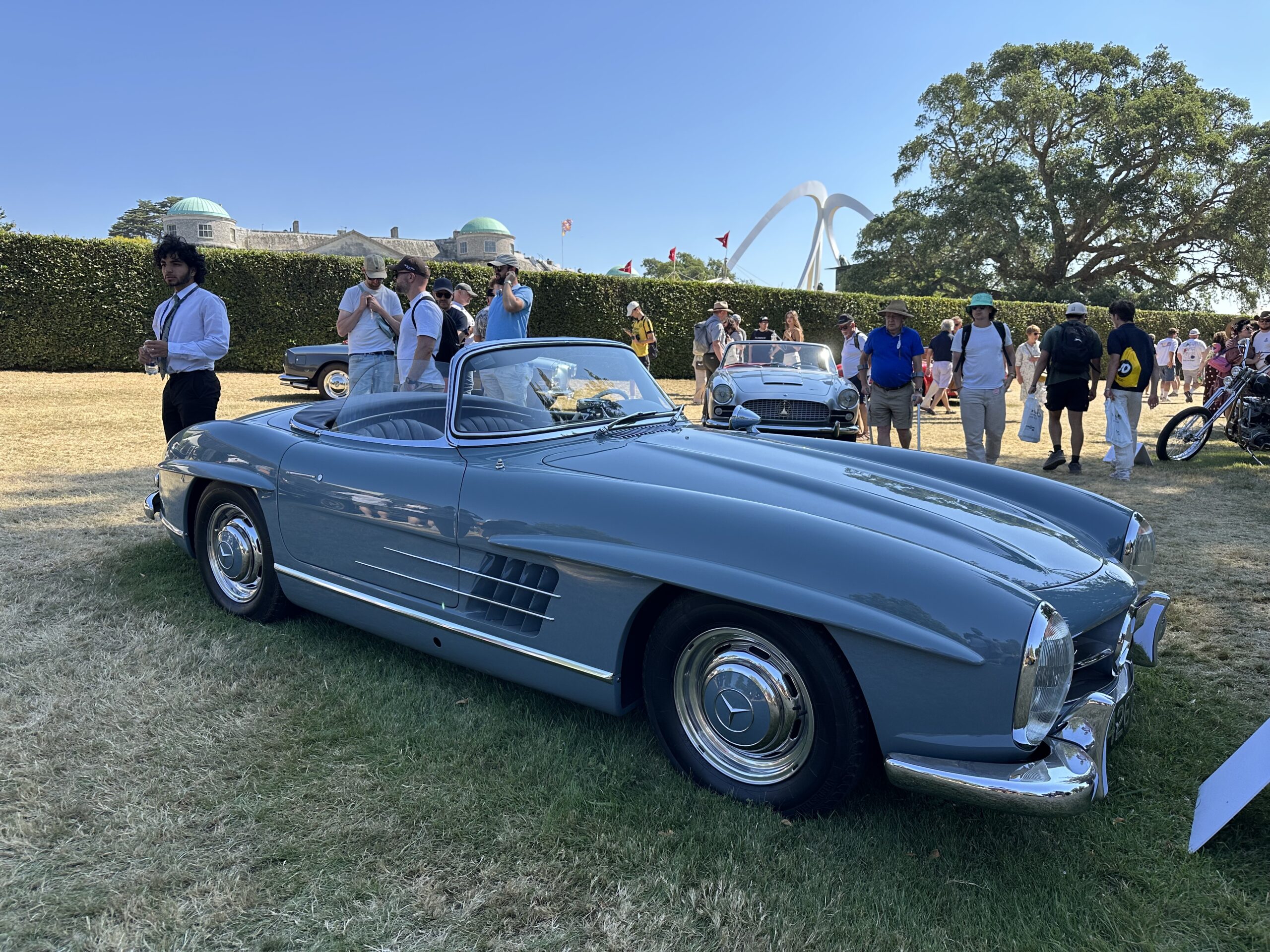
1959 Mercedes-Benz 300 SL Roadster
Emerging from the optimism of the post-war years, the sports cars of the 1950s transformed open-air motoring. Lightweight and stylish, they placed driving enjoyment at the heart of every journey. Their striking designs and lively performance captivated enthusiasts on both sides of the Atlantic. Whether as intimate two-seaters or with occasional rear seats, they balanced practicality with excitement. From winding country roads to sweeping coastal routes, they delivered memorable driving experiences. They proved exhilaration did not require extravagant power. Instead, a willing engine, nimble handling and the wind in your hair were more than enough. Produced by many of the era’s most celebrated manufacturers, these charismatic cars helped define the golden age of sports motoring. Today, we celebrate the sporting cars of the 1950s – enduring symbols of freedom, elegance and pure driving pleasure.
The Mercedes-Benz 300 SL Roadster is one of the world’s most celebrated post-war sports cars, combining advanced engineering with timeless styling. This matching-numbers example is powered by its original 3.0-litre fuel-injected straight-six, producing around 240hp through a four-speed manual gearbox. Originally delivered in the United States in 1959, the car later returned to the UK, where careful owners preserved and enjoyed it. Hilton & Moss recommissioned, retrimmed and fully resprayed the Roadster. The specialists also completed a comprehensive engine rebuild in 2025 to keep it in outstanding mechanical condition. Formerly owned by noted collector Irvine Laidlaw, this beautifully restored Roadster remains one of the finest examples of the legendary Mercedes-Benz 300 SL.
.
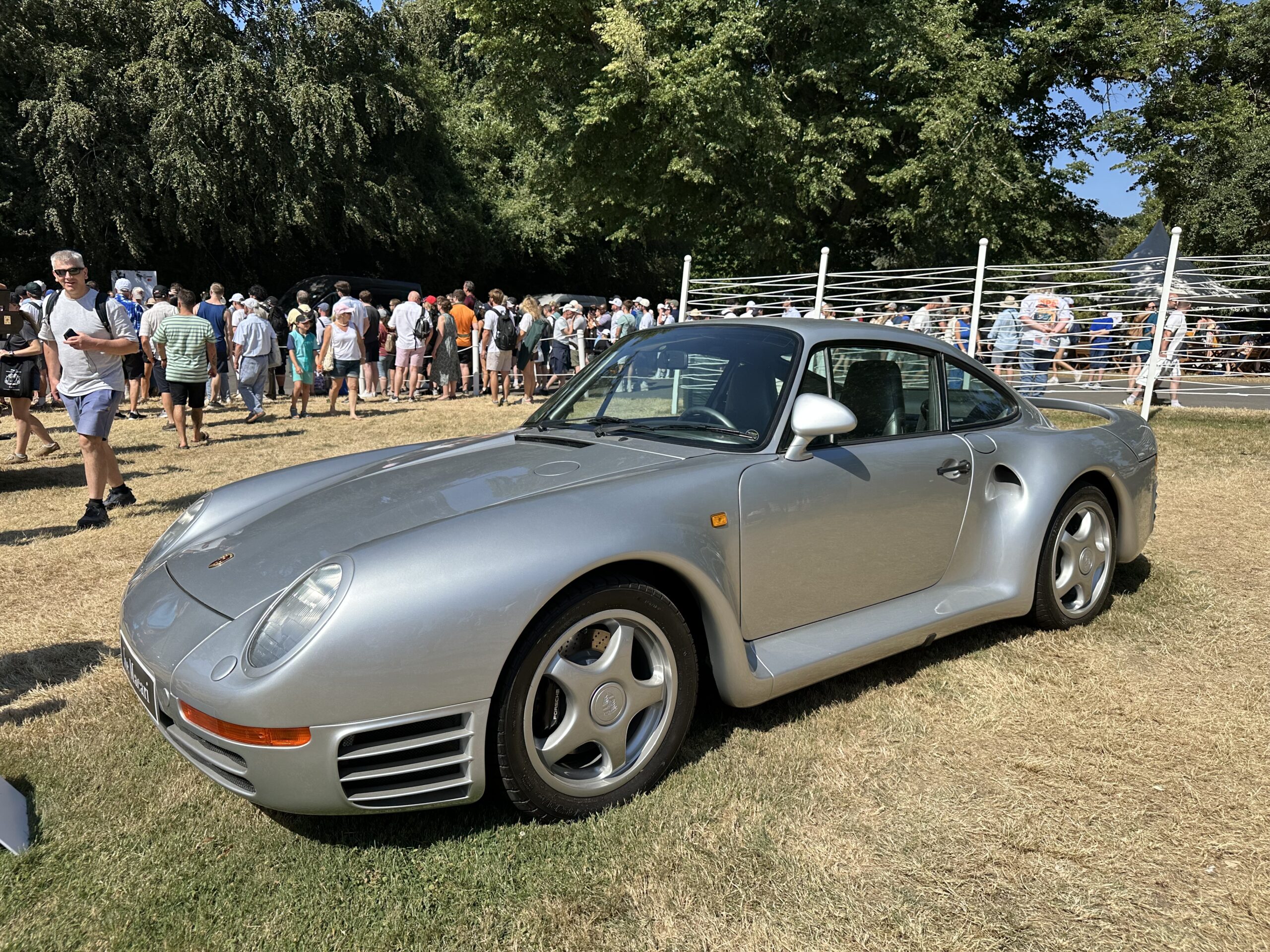
1988 Porsche 959 Komfort
The 1980s gave rise to one of motoring’s most exciting eras, when success on the rally stage and racetrack demanded road-going production cars built to homologate their competition counterparts. The result was an extraordinary generation of high-performance machines, blending cutting-edge technology with everyday usability. Turbocharging, four-wheel drive, lightweight construction and aerodynamic innovation moved from motorsport to the road. They created cars that thrilled both drivers and spectators. Built in limited numbers to meet homologation rules, these specials became some of the modern era’s most coveted performance cars. Today, we celebrate the 1980s icons that proved the closest link between road and race creates unforgettable machines.
The Porsche 959 was one of the most technologically advanced supercars of the 1980s, created from Porsche’s ambition to dominate the FIA Group B era.
Developed from the 911 platform but transformed with cutting-edge materials, it featured a Kevlar-reinforced body, advanced aerodynamics and sophisticated all-wheel-drive technology.
Powered by a twin-turbocharged flat-six engine, the 959 could accelerate from 0-60mph in under four seconds and reach nearly 200mph, making it the fastest production car of its time.
Porsche built only a limited number to satisfy Group B homologation requirements, including just 179 Komfort versions in 1988.
This C00 German-market example was delivered new from Porsche Stuttgart, finished in Silver Metallic with Dark Grey leather and equipped with desirable factory options including heated sports seats.
This 1988 Porsche 959 Komfort was certainly one of the most amazing cars at the Cartier Style et Luxe event at Goodwood Festival of Speed 2026.
.
1936 Mercedes-Benz 500K Spezial Roadster
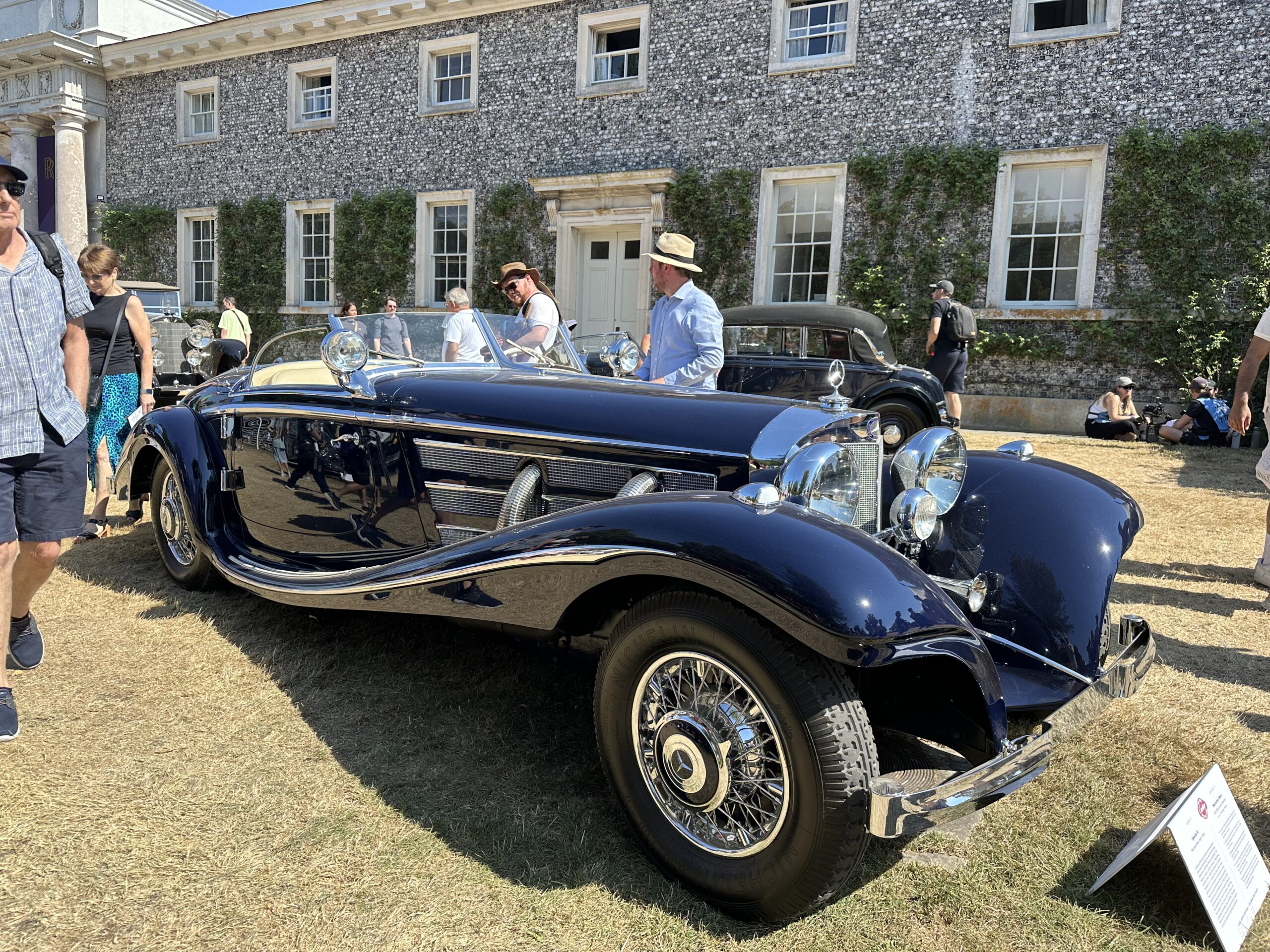
In 1926, two of Germany’s greatest automotive pioneers united to form Mercedes-Benz through the merger of Benz & Cie. and Daimler-Motoren-Gesellschaft. The landmark merger combined decades of engineering excellence under one three-pointed star. As a result, it laid the foundations for a marque that would define luxury, performance and innovation for generations. During the pre-war years, Mercedes-Benz built some of the era’s most advanced and desirable cars. Its range included refined touring models and supercharged sporting icons that excelled on both road and racetrack. Celebrating the marque’s centenary, this class honours the pioneering automobiles that established Mercedes-Benz as one of the world’s greatest automotive legends.
One of just 12 Mercedes-Benz 500K Spezial Roadsters ever built, making it one of the rarest and most desirable pre-war automobiles in the world.
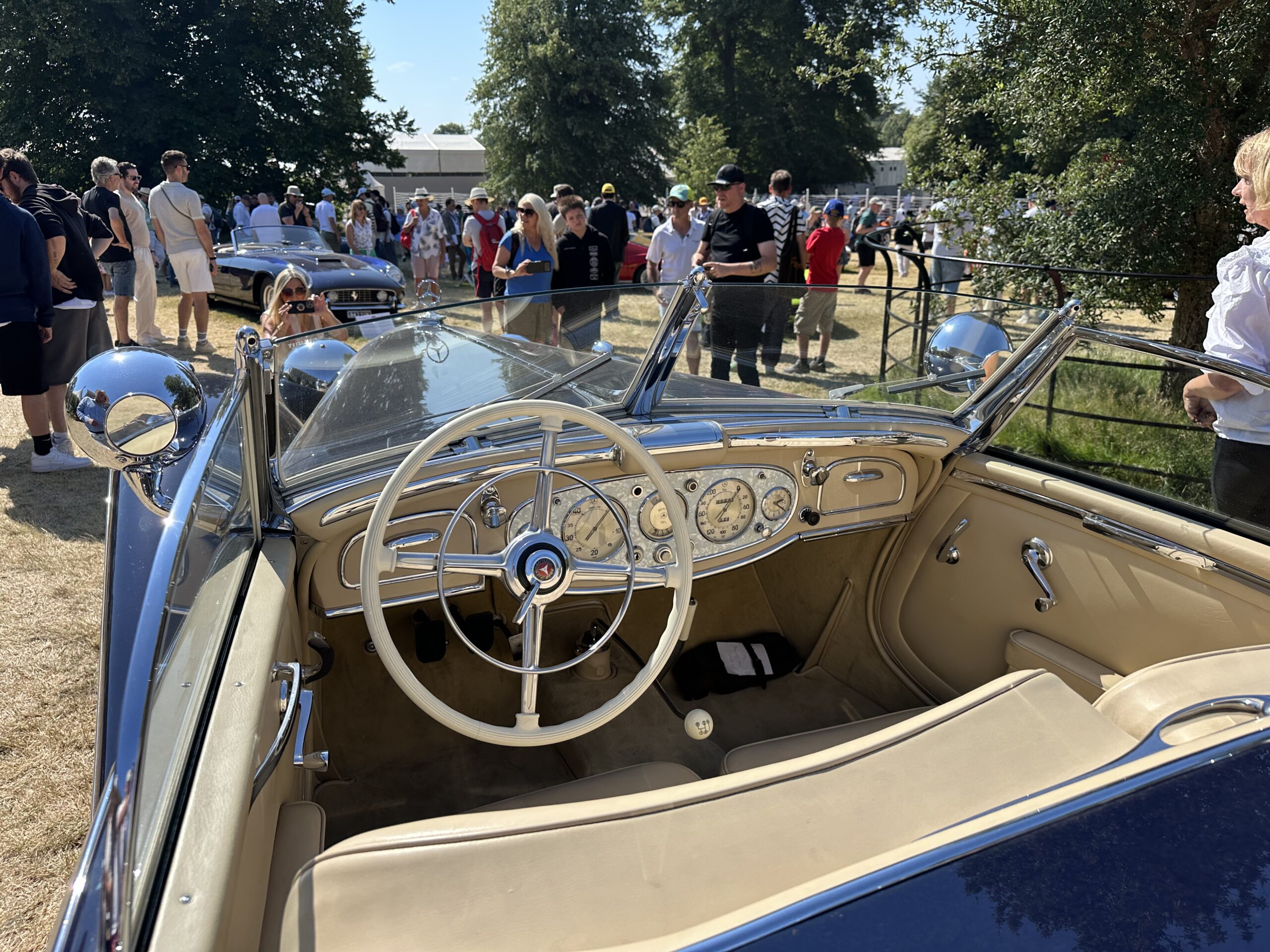
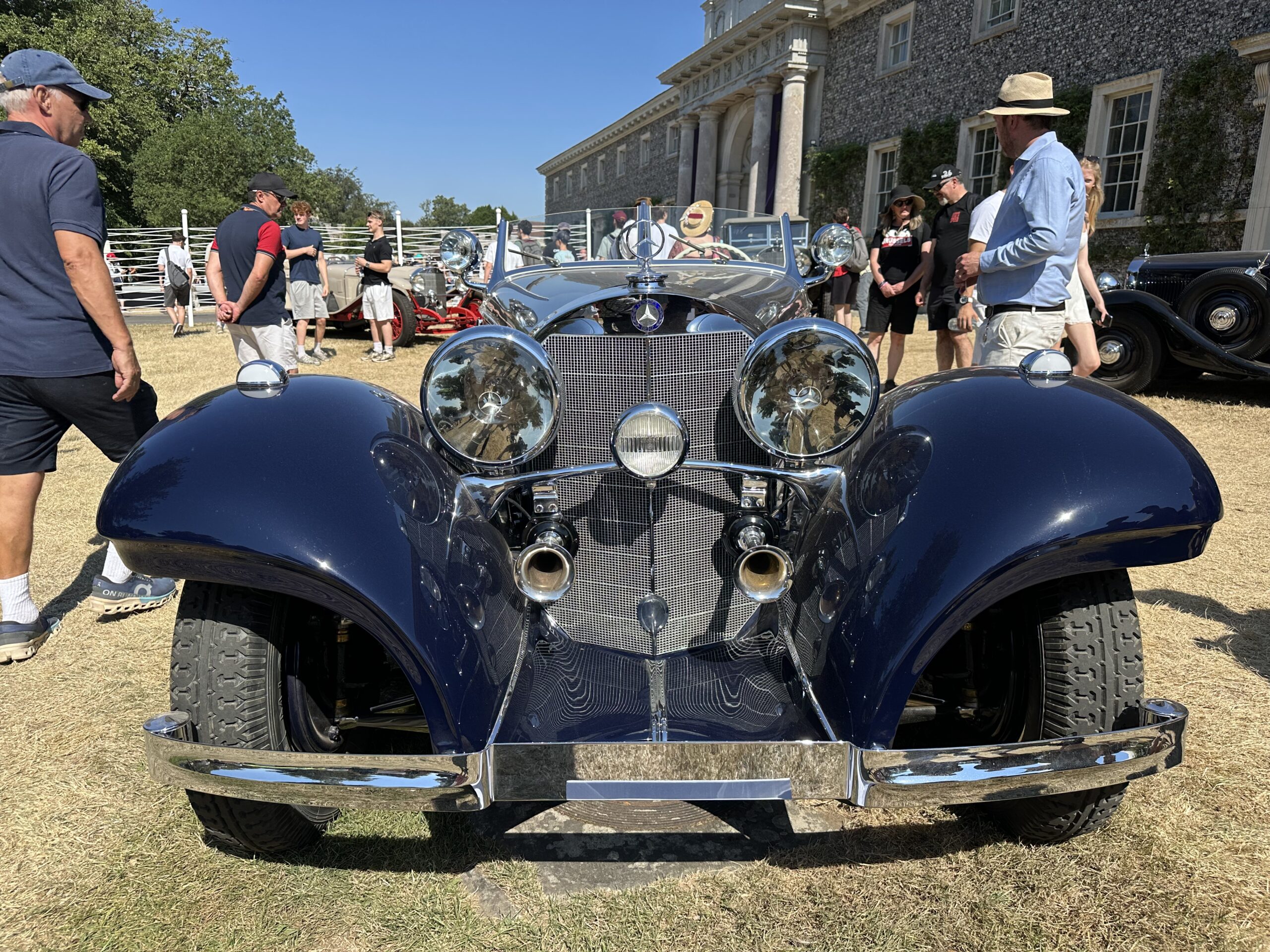
Originally commissioned by Prince Chavchavadze of Paris, it embodies the glamour, prestige and craftsmanship of 1930s luxury motoring.
The elegant long-tail Spezial Roadster body, with its distinctive high doors, is widely regarded as the most beautiful version of the legendary 500K.
A concours-winning masterpiece, it claimed the Grand Prix d’Honneur at the 1936 Concours d’Elegance de Cannes, won its class at Pebble Beach in 1997 and was named Best of Show at Salon Privé in 2025.
Beautifully restored to concours standard and owned by only three custodians since new, it represents one of the finest surviving examples of Mercedes-Benz’s pre-war engineering and coachbuilding excellence.
This 1936 Mercedes-Benz 500K Spezial Roadster was one of the most extraordinary cars to grace the Cartier Style et Luxe event.
.
1982 Lancia 037 Stradale
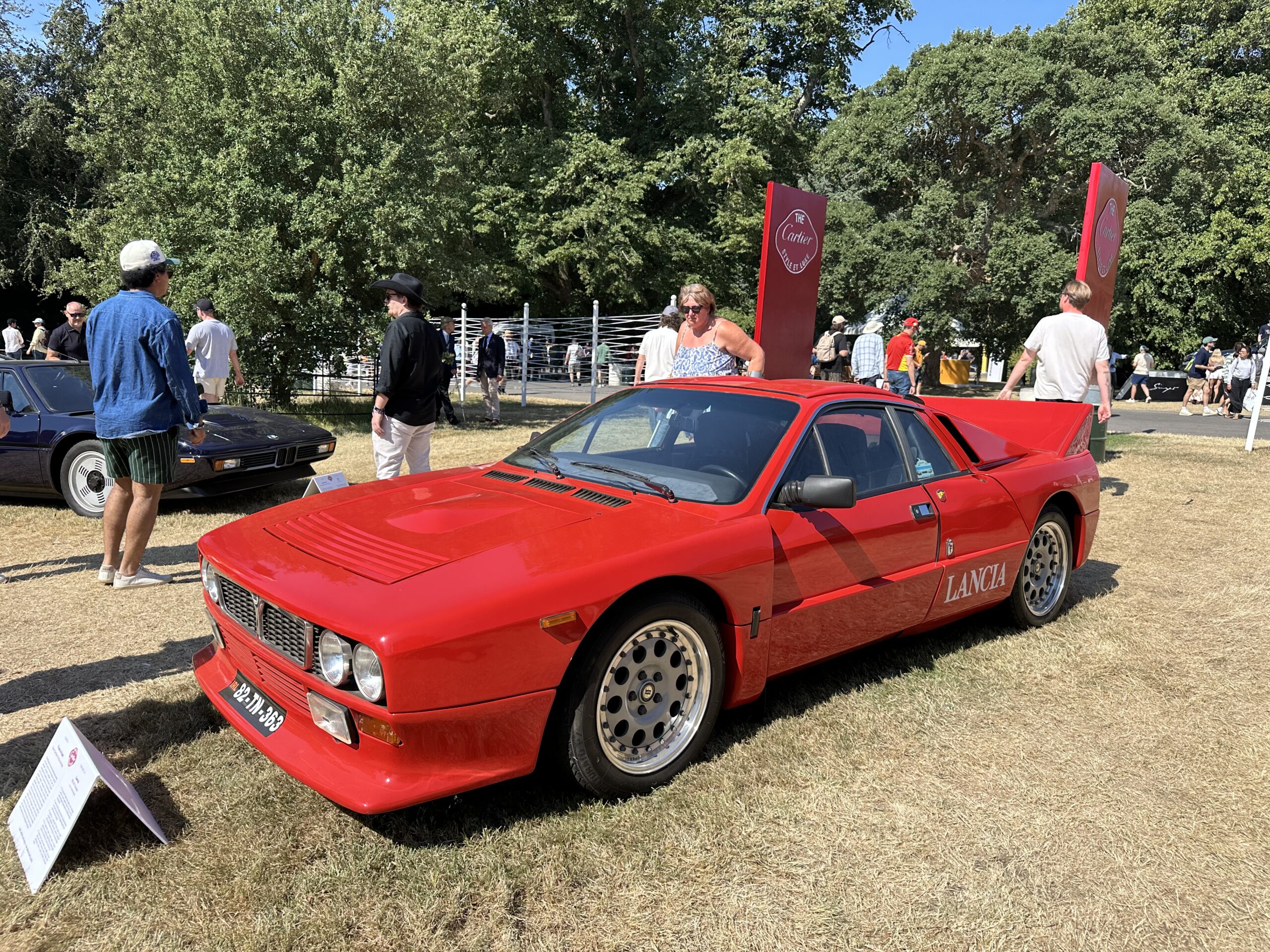
The 1980s gave rise to one of motoring’s most exciting eras, when success on the rally stage and racetrack demanded road-going production cars built to homologate their competition counterparts. The result was an extraordinary generation of high-performance machines, blending cutting-edge technology with everyday usability. Turbocharging, four-wheel drive, lightweight construction and aerodynamic innovation moved from motorsport to the road. They created cars that were as exciting to own as they were to watch in competition. Built in limited numbers to meet homologation rules, these specials became some of the most coveted performance cars of the modern era. Today, we celebrate the 1980s icons that proved the closest link between road and race creates unforgettable machines.
Lancia created the 037 Stradale as the road-going version of its legendary Group B rally car to meet homologation requirements for the 1980s World Rally Championship.
One of only 200 examples produced, it represents the final era of pure two-wheel-drive rally engineering before four-wheel drive became dominant.
Powered by a supercharged 2.0-litre engine, the 037 combined lightweight construction, advanced suspension and competition-derived technology in a road-legal package.
This exceptionally original example retains its factory specification, including its original Pirelli tyres. It preserves the character and authenticity of Lancia’s rally-bred icon.
Owned by the current collector since 2005, it has also taken part in the 2007 centenary London to Brighton Run, celebrating its place in Lancia’s remarkable motorsport history.
This 1982 Lancia 037 Stradale stood out as one of the most impressive cars displayed at the Cartier Style et Luxe event at Goodwood Festival of Speed 2026.
.
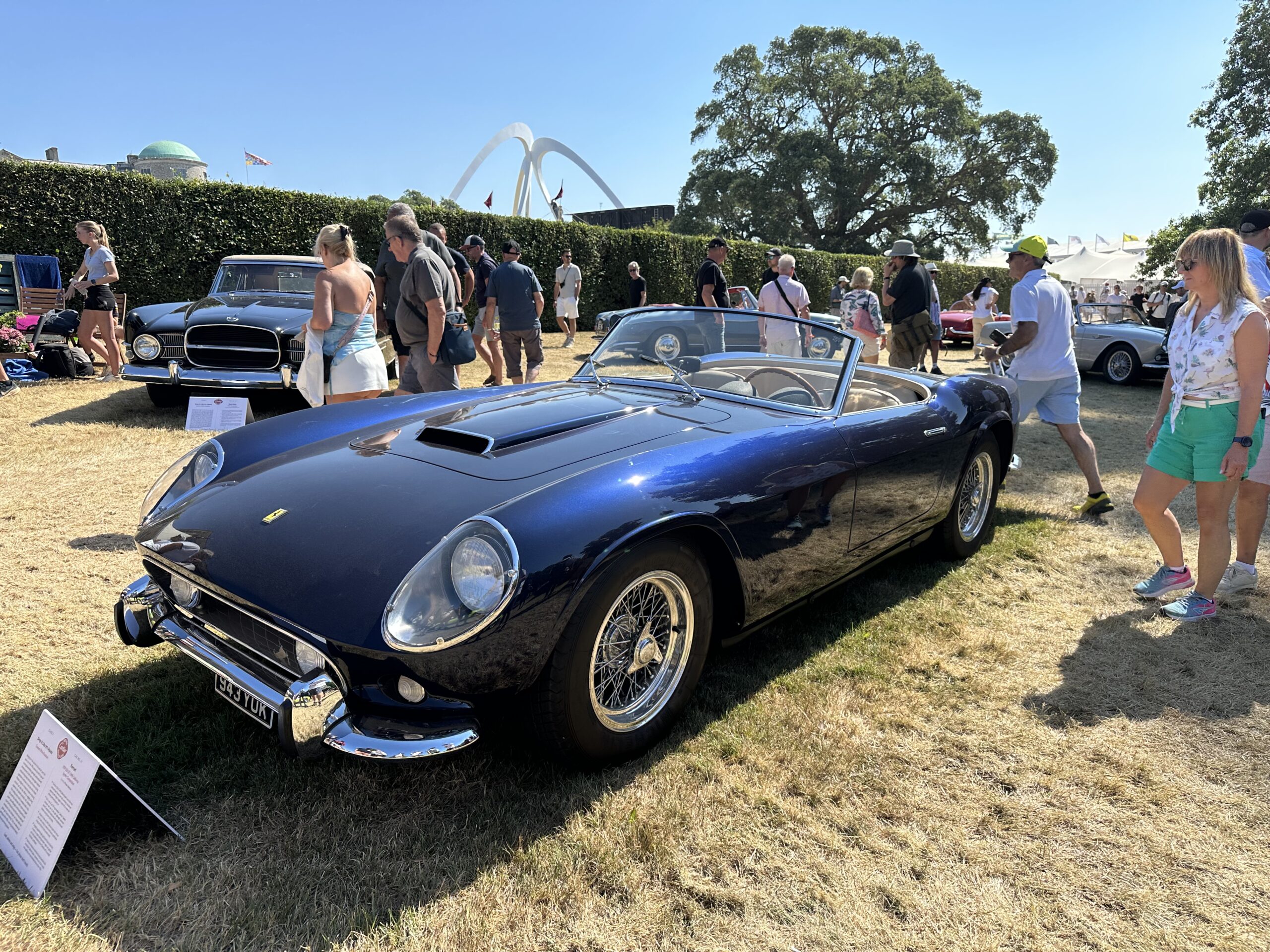
1959 Ferrari 250 GT LWB California Spyder Competizione
Emerging from the optimism of the post-war years, the sports cars of the 1950s captured the thrill of open-air motoring. Lightweight, stylish and built for driving enjoyment, they combined striking design with lively performance. As a result, they inspired a generation of enthusiasts on both sides of the Atlantic. Available as two-seaters or with occasional rear seats, they balanced practicality with excitement. Whether on winding country roads or sweeping coastal routes, they made every journey memorable. They proved that exhilaration required only a willing engine, nimble handling and the wind in your hair. Produced by many of the era’s most celebrated manufacturers, these charismatic cars helped define the golden age of sports motoring. Today, we celebrate the sporting cars of the 1950s – enduring symbols of freedom, elegance and pure driving pleasure.
Ferrari created the 250 GT LWB California Spyder by combining race-derived engineering with elegant Scaglietti coachwork, making it one of the most celebrated open grand touring sports cars ever built.
Ferrari produced only 50 long-wheelbase California Spyders. Just eight featured lightweight aluminium bodies and ‘Competizione’ specifications. These models included competition-focused equipment, such as factory-fitted disc brakes.
Uniquely, it is the only LWB California Spyder built without side air vents. This one-off factory specification makes it especially desirable among Ferrari collectors. Originally supplied through Luigi Chinetti Motors in New York, it retains its matching-numbers engine and gearbox. It is also fully authenticated by Ferrari Classiche with its coveted Red Book certification. Following a meticulous restoration by marque specialists, this California Spyder ranks among the rarest and most significant Ferraris of the 1950s.
.
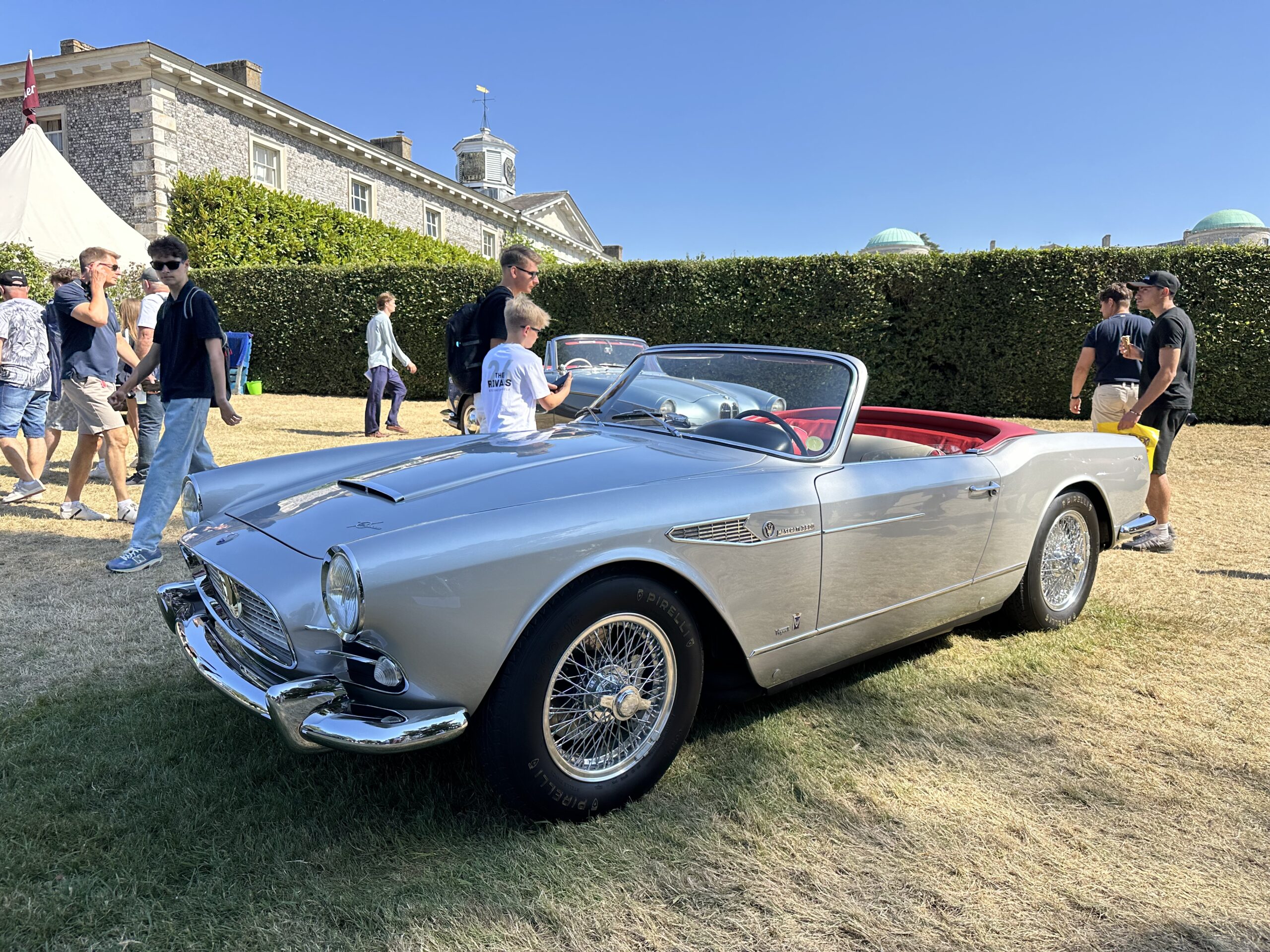
1959 Maserati 3500 GT Vignale Spyder Prototype
Emerging from the optimism of the post-war years, the sports cars of the 1950s transformed open-air motoring. Lightweight and stylish, they were built with driving enjoyment at their heart. Their striking designs and lively performance captivated enthusiasts on both sides of the Atlantic. Available as two-seaters or with occasional rear seats, they balanced practicality with excitement. Whether on winding country roads or sweeping coastal routes, they delivered pure driving pleasure. They proved exhilaration required little more than a willing engine, nimble handling and the wind in your hair. Produced by many of the era’s most celebrated manufacturers, these charismatic cars helped define the golden age of sports motoring. Today, we celebrate the sporting cars of the 1950s – enduring symbols of freedom, elegance and pure driving pleasure.
This 1959 Maserati 3500 GT Vignale Spyder Prototype is one of the marque’s most significant convertibles. It was created during the development of Maserati’s first production Spyder model. Designed by Giovanni Michelotti, it was hand-built by Carrozzeria Vignale. The prototype debuted on Maserati’s official stand at the 1959 Turin Motor Show. It features unique design elements, including a distinctive front grille and bespoke bodywork. The car also includes Vignale badging and Michelotti’s signature bonnet styling. Maserati Classiche supported its recent Modena restoration through extensive historical research. The project became part of the marque’s 100th Certificate of Authenticity programme. A landmark in Maserati’s Grand Touring history, it helped define the company’s elegant open-top sports cars.
.
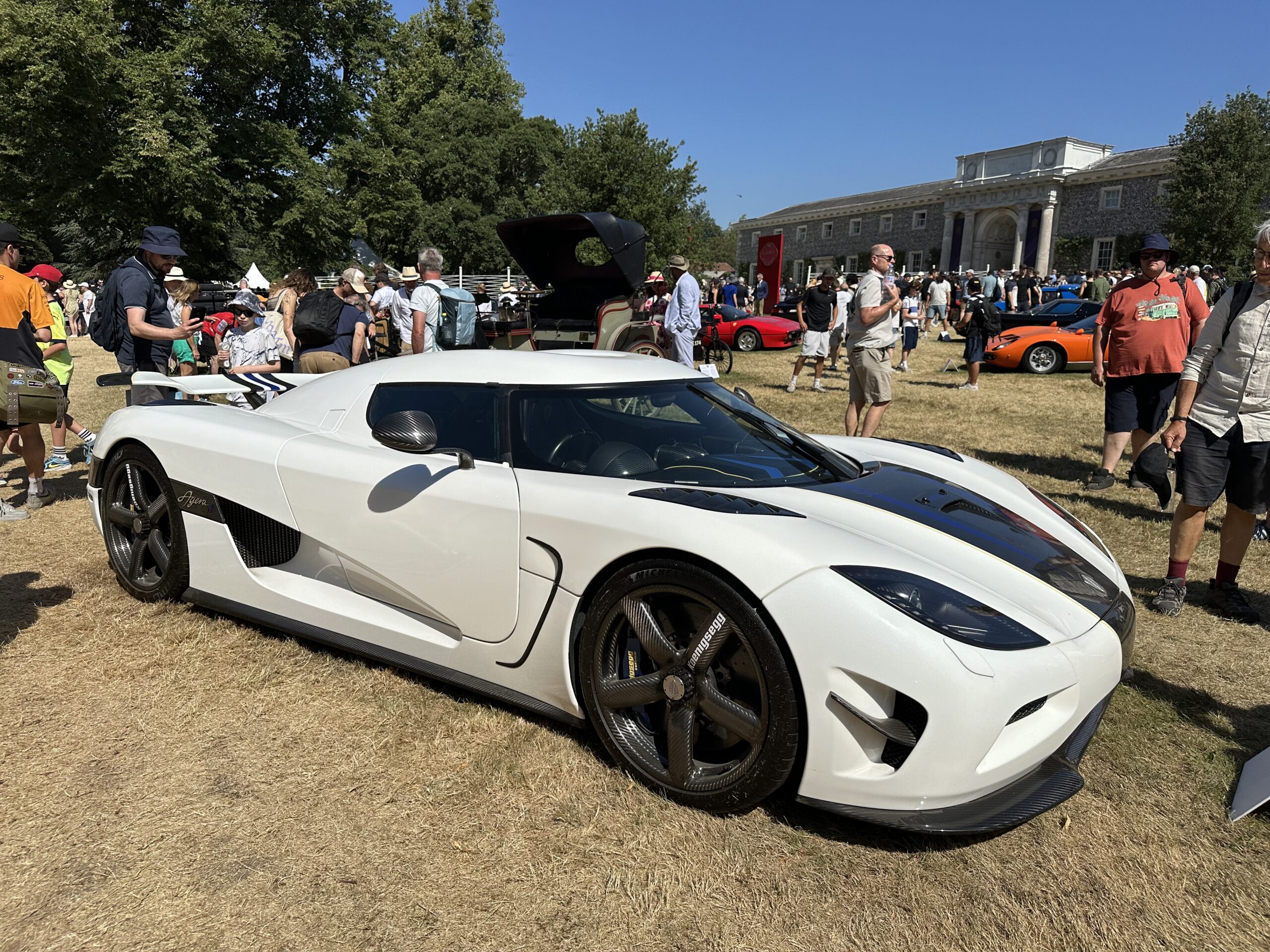
2010 Koenigsegg Agera N (in white)
Founded in 1994, Koenigsegg aimed to build the world’s ultimate performance cars. The ambitious Swedish start-up became one of automotive history’s most innovative names. Its journey began with the CC prototype, unveiled in 1996. The first production CC8S arrived in 2002, combining carbon-fibre construction with supercharged V8 performance. Each successive model pushed the boundaries of speed, engineering and technology, introducing groundbreaking innovations while remaining fiercely independent. Produced in tiny numbers and crafted with obsessive attention to detail, these early Koenigseggs established the DNA that would define every car to follow. Today, we celebrate the pioneering machines that laid the foundations for one of the world’s most extraordinary hypercar manufacturers.
The first customer-delivered right-hand drive Koenigsegg Agera, completed in spring 2010 for a prominent British collector.
Driven as Koenigsegg intended, the car regularly appeared at Goodwood, Le Mans and leading European concours and touring events between 2011 and 2014.
In 2014, Koenigsegg returned the car to its factory for an extensive programme of upgrades and personalisation, transforming it into the unique Agera N.
Incorporates factory-developed technology inspired by the later Agera, Agera R and One:1, including mechanical and aerodynamic improvements not found on standard early Ageras.
A true one-off, it combines early production significance, factory involvement and a well-documented history. It remains one of the most distinctive Koenigsegg Agera examples ever built.
This 2010 Koenigsegg Agera N was easily among the most captivating cars featured at the Cartier Style et Luxe event at Goodwood Festival of Speed 2026.
.
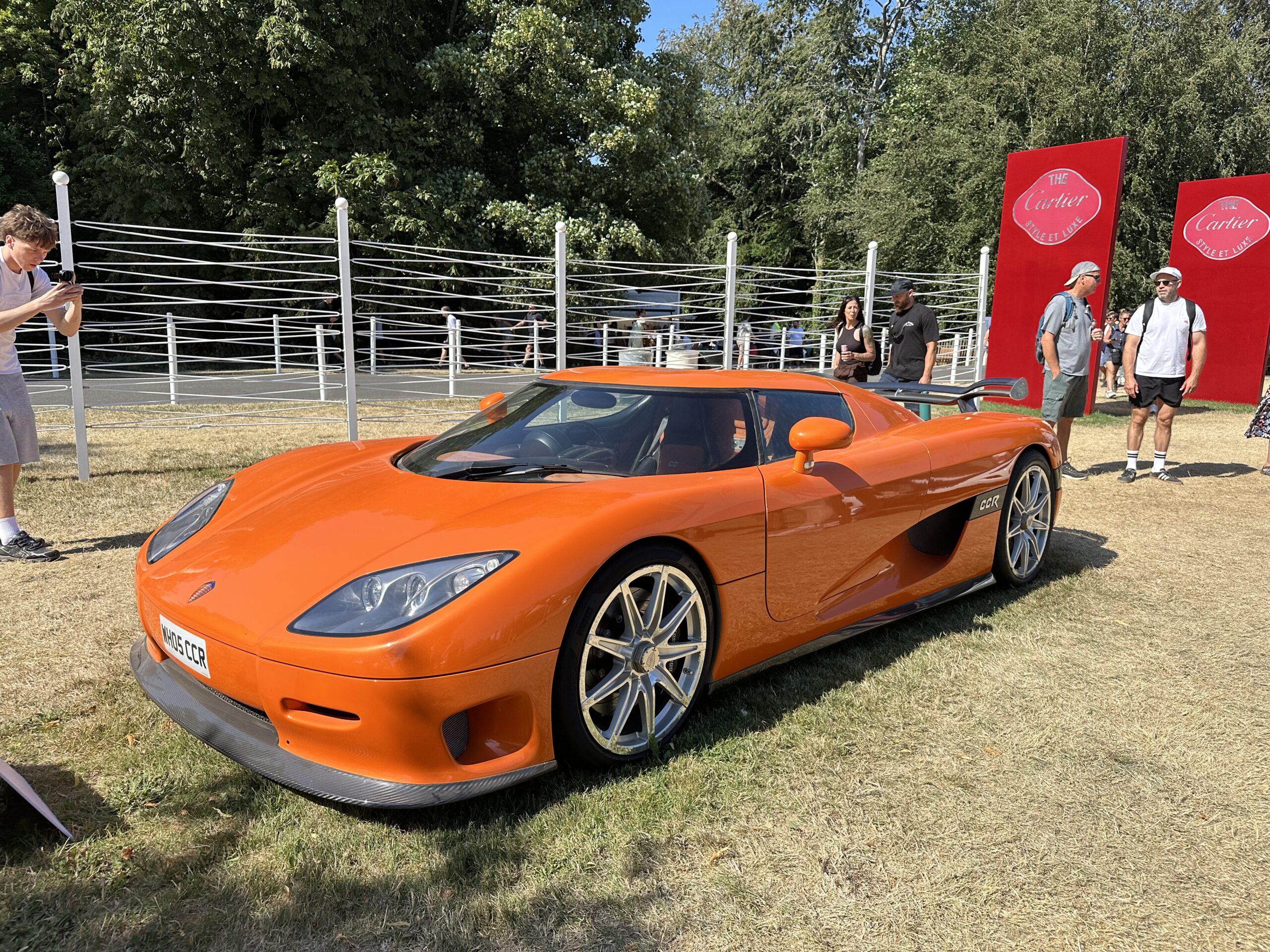
2005 Koenigsegg CCR (in orange)
Founded in 1994, Koenigsegg aimed to build the world’s ultimate performance cars. The ambitious Swedish start-up became one of automotive history’s most innovative names. The journey began with the CC prototype, unveiled in 1996. Then, the first production CC8S arrived in 2002, combining lightweight carbon-fibre construction with supercharged V8 performance. Each successive model pushed the boundaries of speed, engineering and technology, introducing groundbreaking innovations while remaining fiercely independent. Produced in tiny numbers and crafted with obsessive attention to detail, these early Koenigseggs established the DNA that would define every car to follow. Today, we celebrate the pioneering machines that laid the foundations for one of the world’s most extraordinary hypercar manufacturers.
The Koenigsegg CCR built on the success of the CC8S, introducing more power and performance while retaining the marque’s lightweight, driver-focused philosophy.
Powered by an 806hp twin-supercharged 4.7-litre V8, paired with a six-speed manual gearbox, it represented the cutting edge of supercar engineering in the mid-2000s.
Only 14 CCRs were produced worldwide, with just five built in right-hand drive, making it one of Koenigsegg’s rarest production models.
In 2005, the CCR became the world’s fastest production car, reaching 388km/h (241 mph) at Italy’s Nardò test track and ending the McLaren F1’s eight-year reign.
The CCR continued setting performance benchmarks, including record-setting laps at the Nürburgring. These achievements cemented Koenigsegg’s reputation as a genuine challenger to established supercar manufacturers.
This 2005 Koenigsegg CCR was one of the finest examples of automotive excellence presented at the Cartier Style et Luxe event.
.
Conclusion
So there you have our top 10 cars from the Goodwood Festival of Speed 2026 Cartier Style et Luxe event. Your thoughts?
Where you there, at Goodwood FoS 2026? If so, what was your favourite car?
Do make sure that you’re subscribed to our newsletter and following us on social media, so you can be notified and see when we’re running competitions throughout the year:



Read more on

Do you have a passion for cars? Would you like to join the My Car Heaven team?
Get in touch, we'd love to hear from you.
Find out moreRelated Stories
Advertisement Advertisement
 Advertisement
 Advertisement
 Advertisement
