


How Ferrari’s Paddle-Shift Revolution Created 5 Historic Icons Now Offered for Sale in the UK
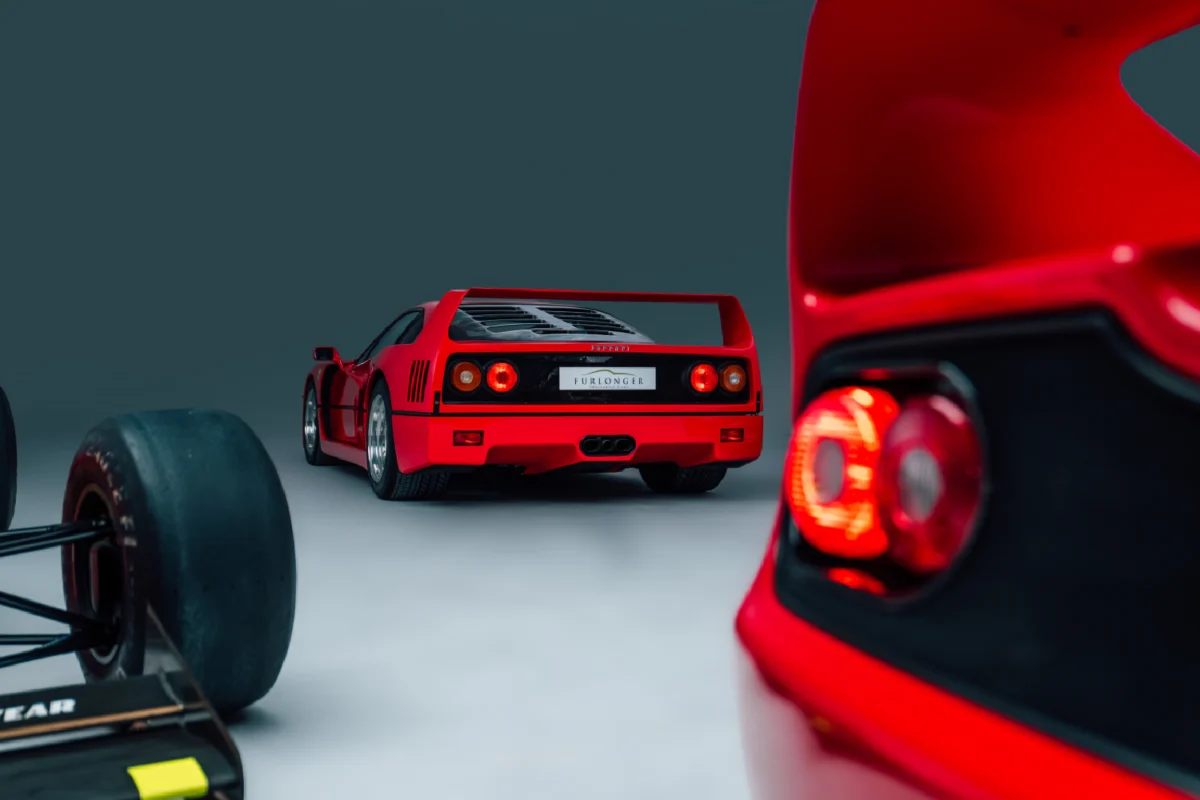
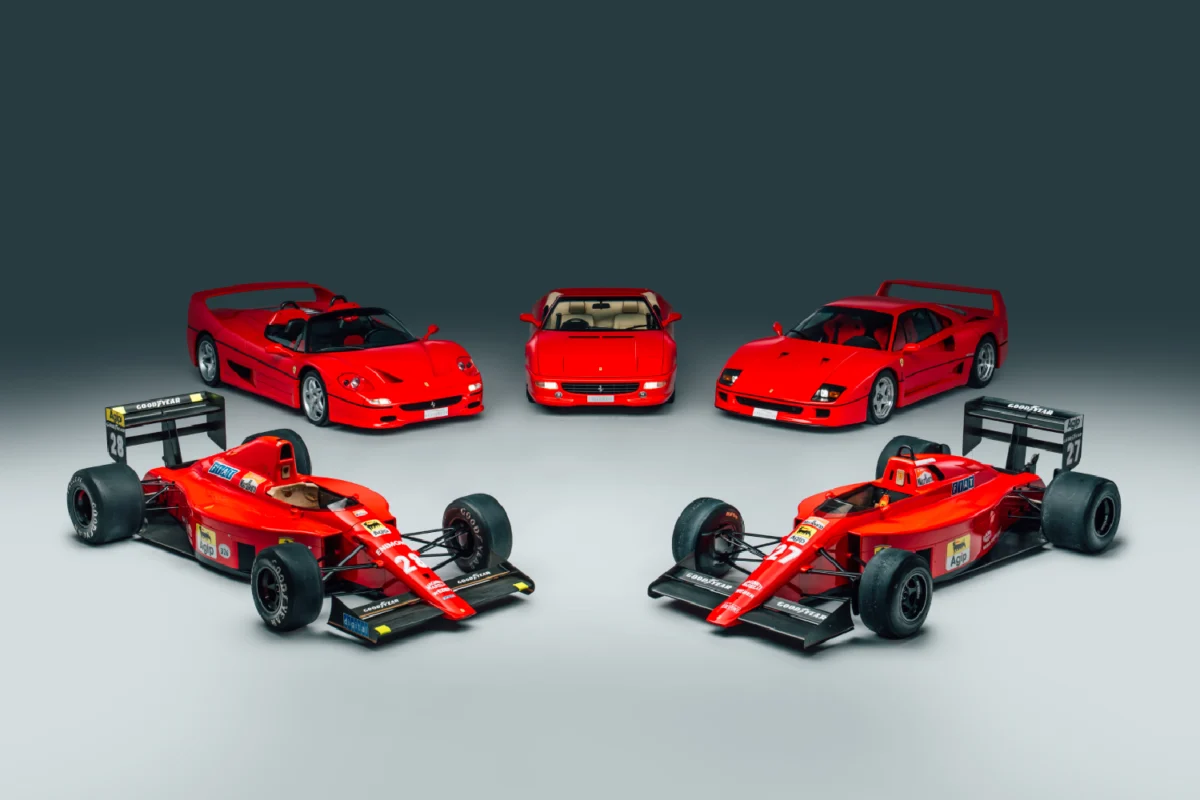
A remarkable group of Ferrari race and road cars has now arrived on the UK market, thereby offering collectors a rare chance to acquire a defining chapter of Maranello history in one carefully curated package. Known as Scuderia ’89 – The Pursuit for Paddle, the collection not only charts the birth of paddle-shift technology but also traces its journey from Formula 1 experimentation through to some of Ferrari’s most celebrated road machines.
Offered by Furlonger Specialist Cars in partnership with European expert Egon Zweimüller, the five-car line-up tells a clear story. Each model represents a step in Ferrari’s shift from traditional manual gearboxes to the semi-automatic systems that would later define modern supercars.
Why This Ferrari Collection Matters
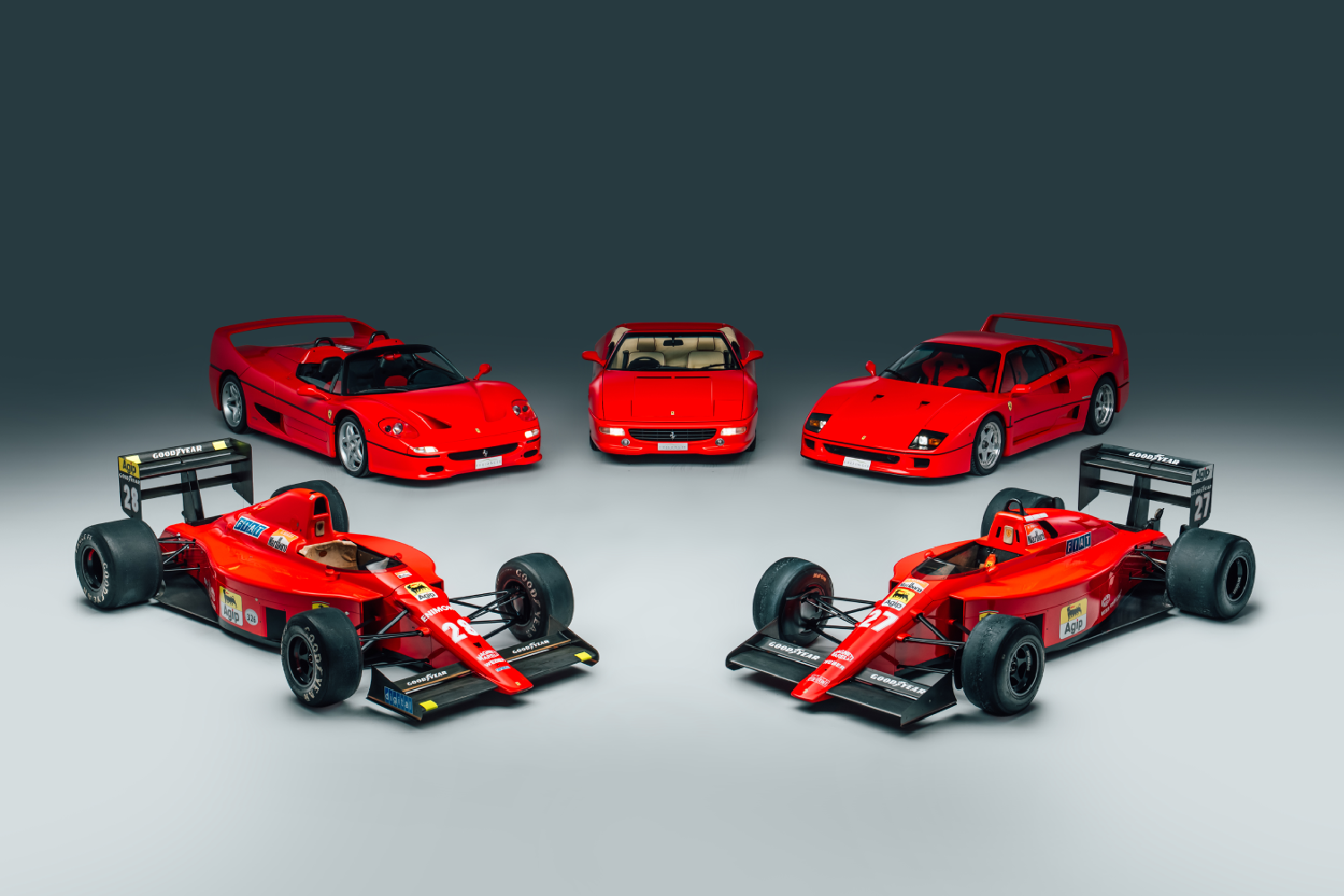
Ferrari has always blurred the lines between track and road. However, the late 1980s marked a turning point. Engineers introduced paddle-shift transmissions to Formula 1, replacing the classic gated manual. Over time, that technology filtered down to road cars, changing how drivers interacted with high-performance machines.
The Scuderia ’89 collection captures that transformation through five carefully chosen cars:
- 1988 Ferrari 639 F1 prototype
- 1989 Ferrari 640 F1
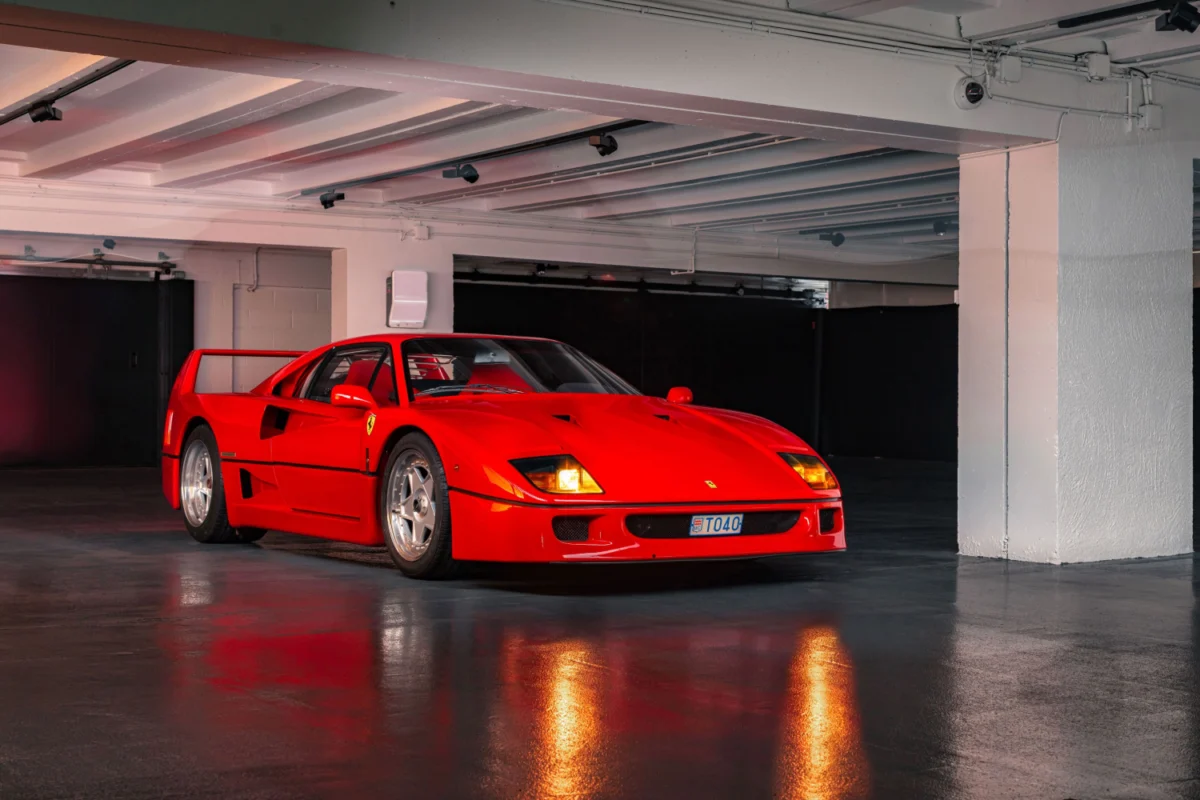
- 1989 Ferrari F40
- 1996 Ferrari F50
- 1998 Ferrari F355 Spider
Together, they chart a path from experimental racer to road-going innovation. As a result, the collection appeals not only to collectors but also to historians of automotive engineering.
Simon Furlonger, founder of Furlonger Specialist Cars, describes the cars as defining a moment when Ferrari pushed technology forward with confidence. Indeed, the introduction of paddle-shift gearboxes laid groundwork for future championship-winning eras.
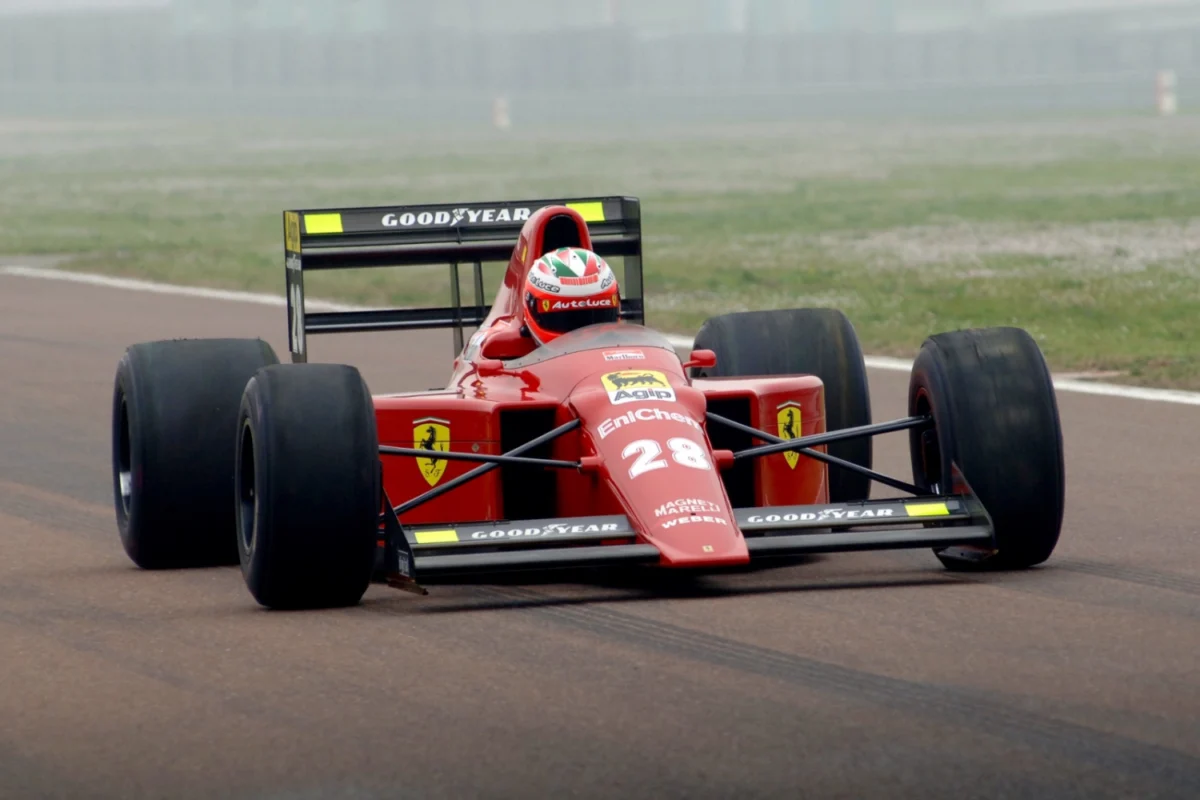
1988 Ferrari 639 F1 (Chassis #106): Where Paddle Shift Began
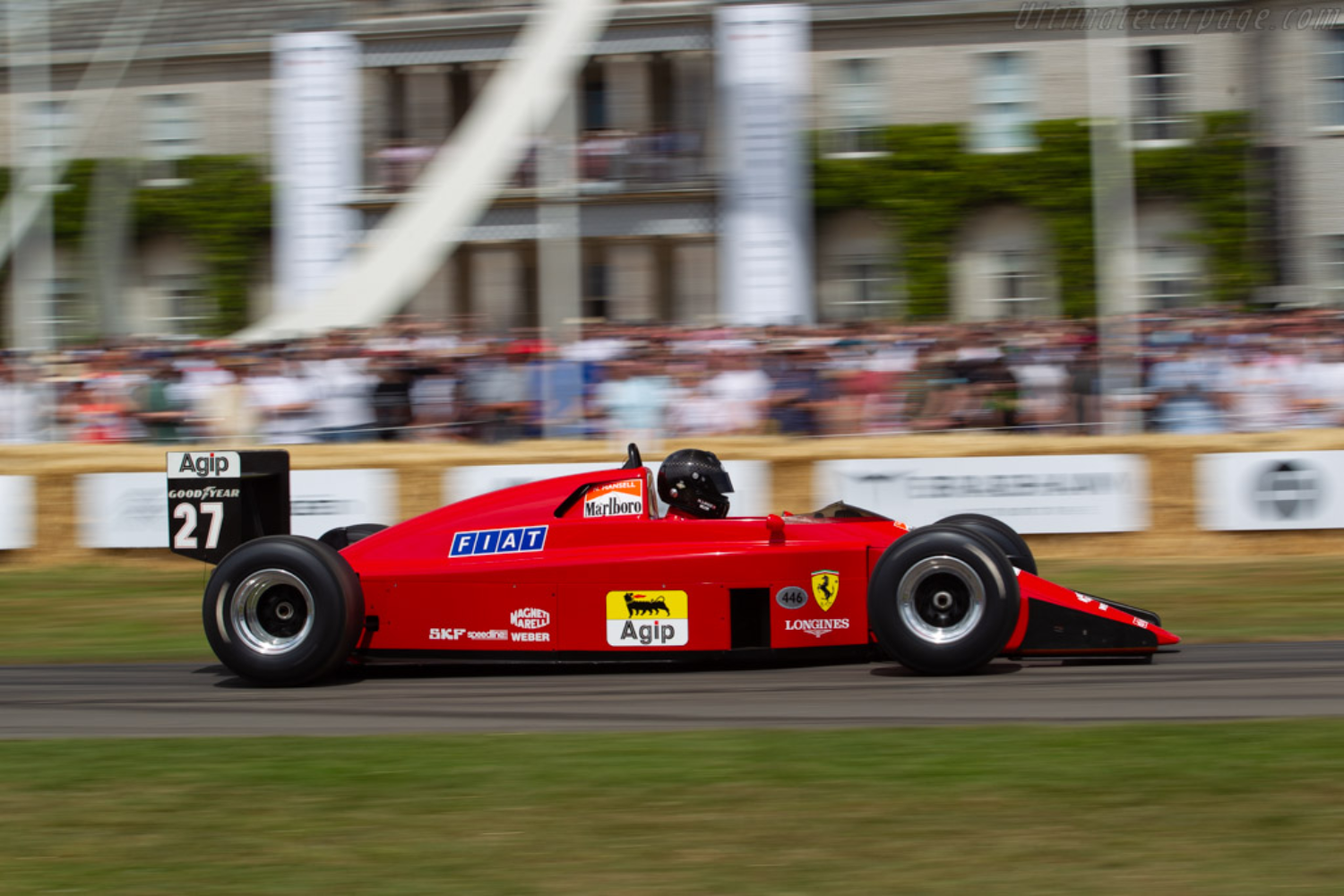
The Ferrari 639 prototype stands at the centre of the Scuderia ’89 collection. Developed as a testbed for the Tipo 035 3.5-litre V12 engine, it also introduced a radical new way of shifting gears.
Key highlights include:
- The only Tipo 639 in private hands
- One of two factory prototypes
- Early testing of the now-familiar steering-wheel paddle controls
- Extensive care through Ferrari Classiche
Ferrari retained the car until 1999, which underlines its historical value. Since entering private ownership, it has appeared at Goodwood and Silverstone, showing that this prototype remains far more than a museum piece.
1989 Ferrari 640 F1 (Chassis #110): The World Championship Pioneer
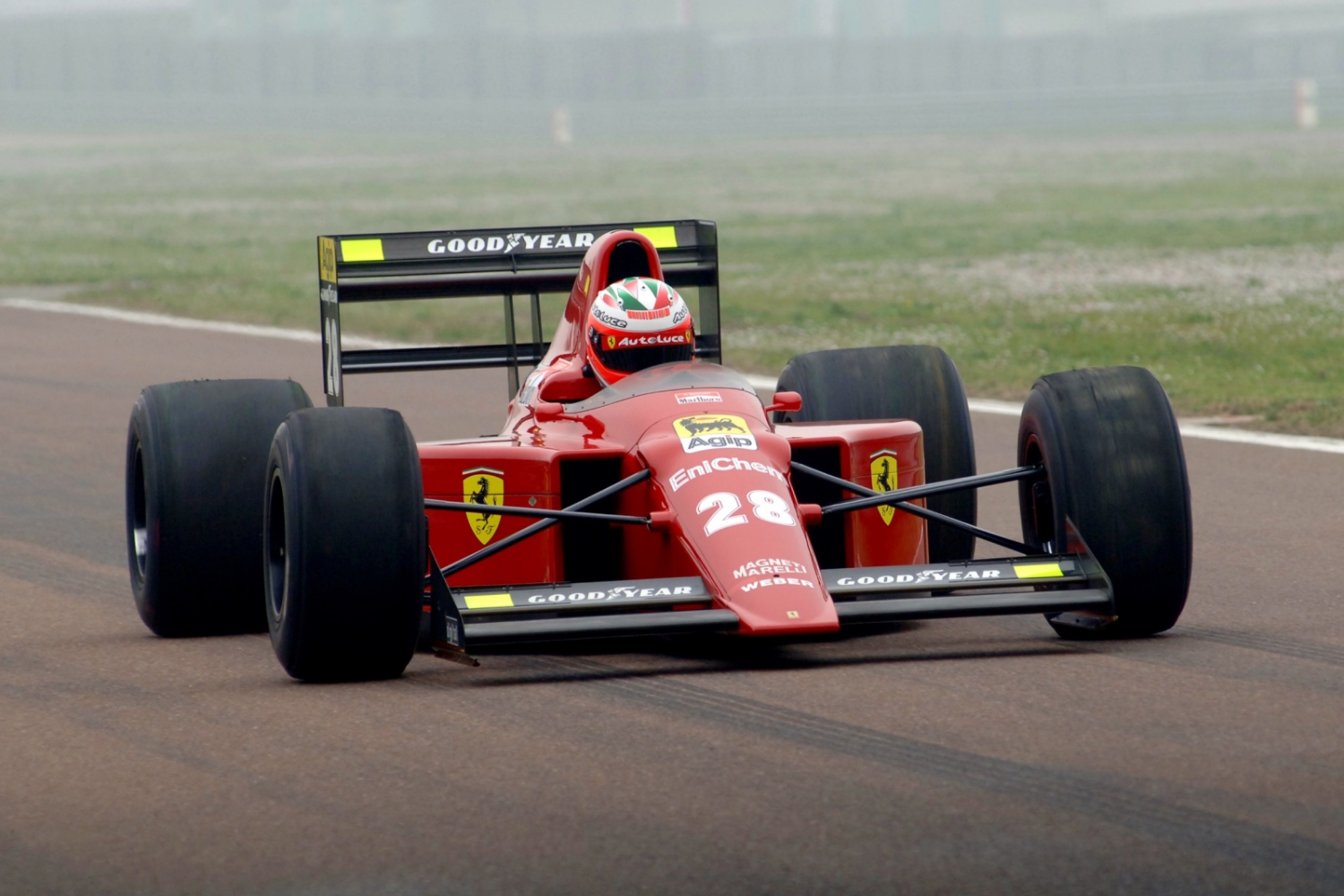
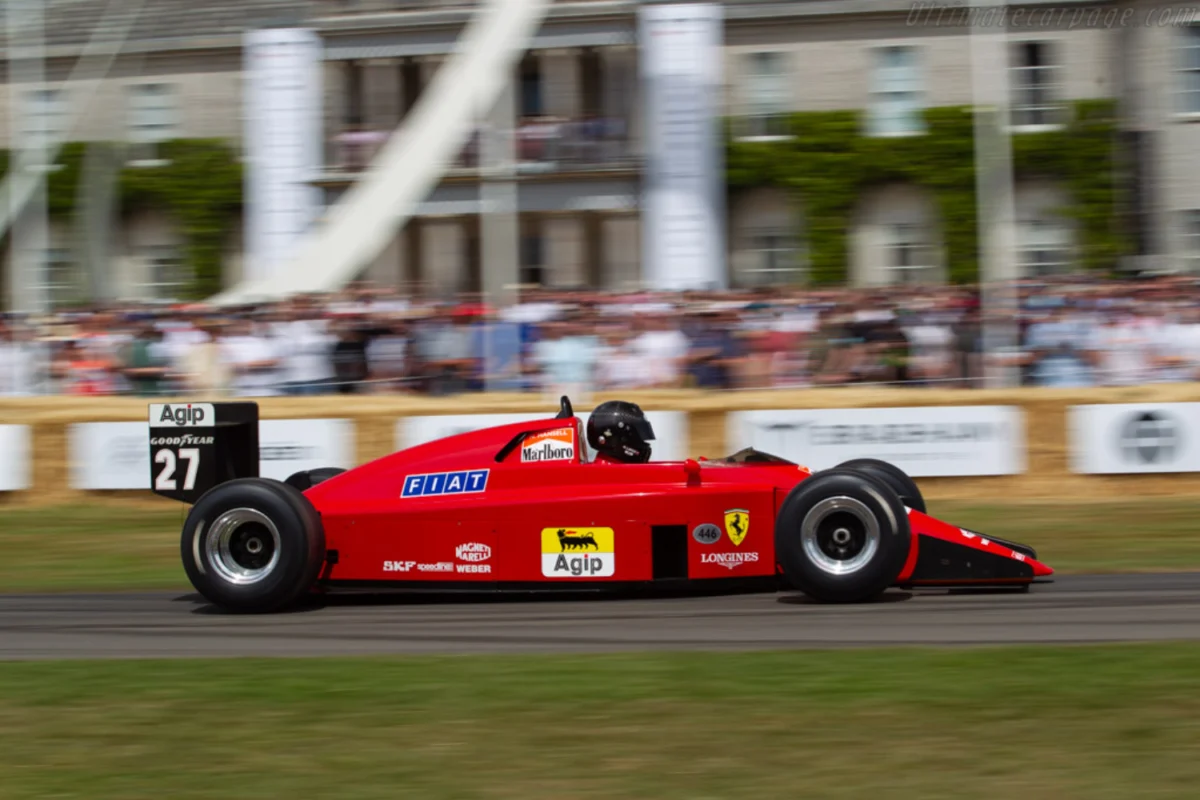
If the 639 laid the groundwork, the 640 proved the concept on the world stage. Driven by Gerhard Berger during the 1989 Formula 1 season, it became the first Grand Prix car to race with a paddle-shift transmission.
The car’s story continued long after its racing days ended. It received a full restoration and Ferrari Classiche certification, ensuring authenticity and long-term preservation.
Notable moments in its later life include:
- Display laps with Berger at the 2024 Goodwood Members’ Meeting
- Winning the Chairman’s Trophy at Pebble Beach Concours 2025
Consequently, the 640 stands as both a racing icon and a milestone in gearbox evolution.
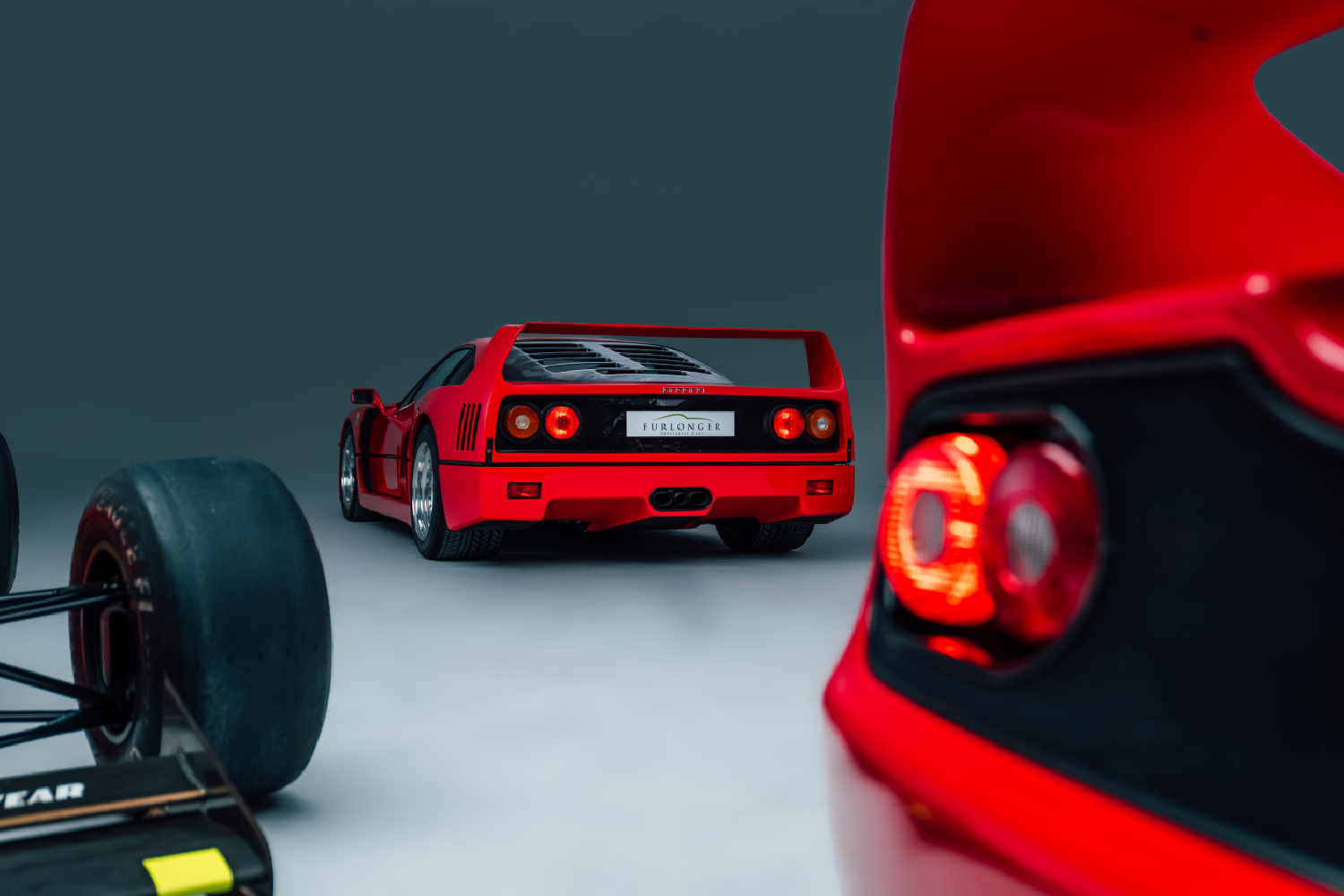
1989 Ferrari F40: A Raw Supercar with Racing Pedigree
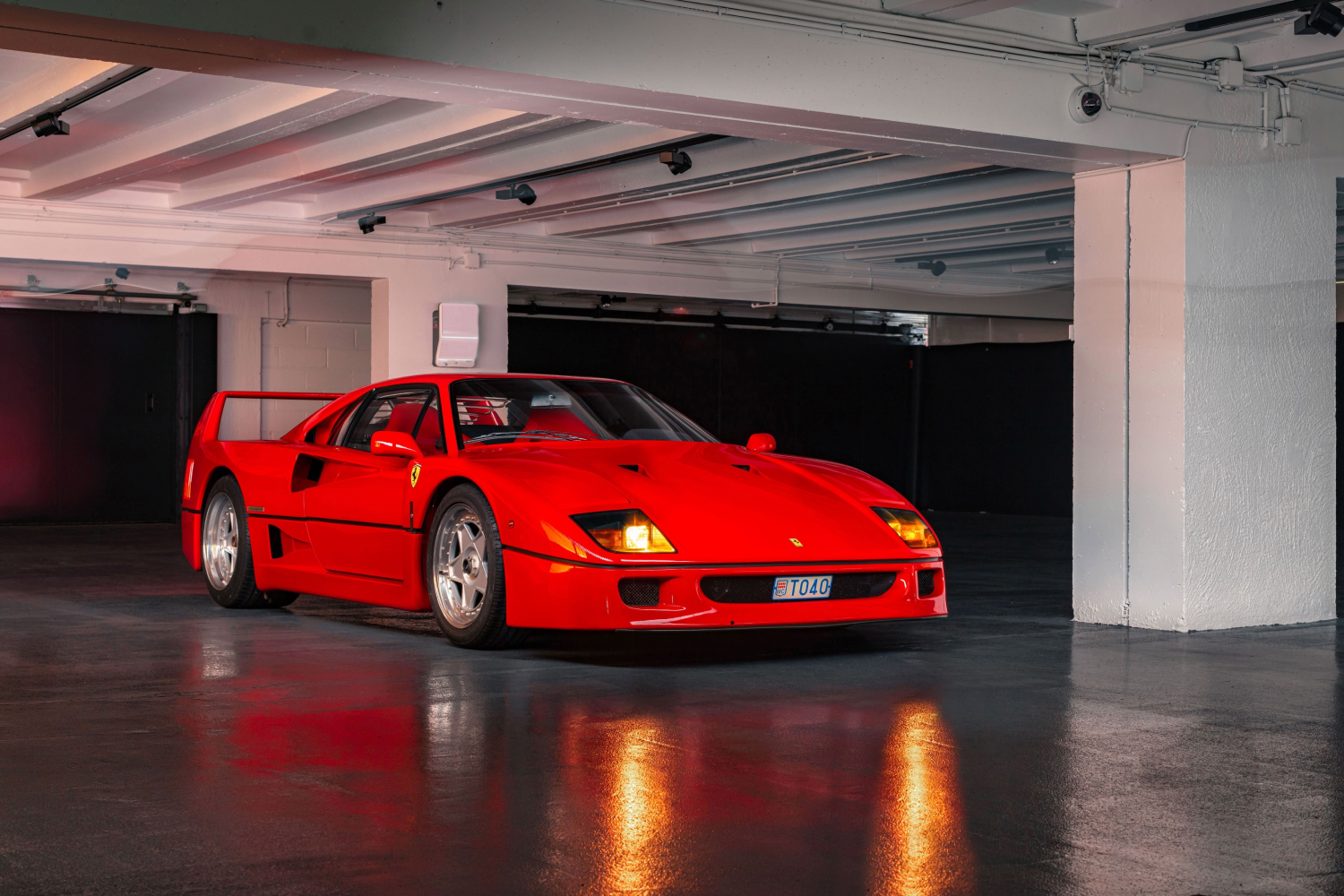
Few Ferraris capture the spirit of the late 1980s like the F40. Built to celebrate the company’s 40th anniversary, it remains one of the most recognisable performance cars ever produced.
This example adds another layer of interest. It is regarded as the most successful racing F40 in the UK and one of around 30 period competition cars. Today, it has returned to factory specification in Rosso Corsa and shows only 24,000 kilometres.
Owners could keep it as a striking road car or return it to historic race trim, opening doors to events such as Historic Le Mans or the Spa Six Hours. That versatility adds significant appeal for collectors who enjoy active ownership.
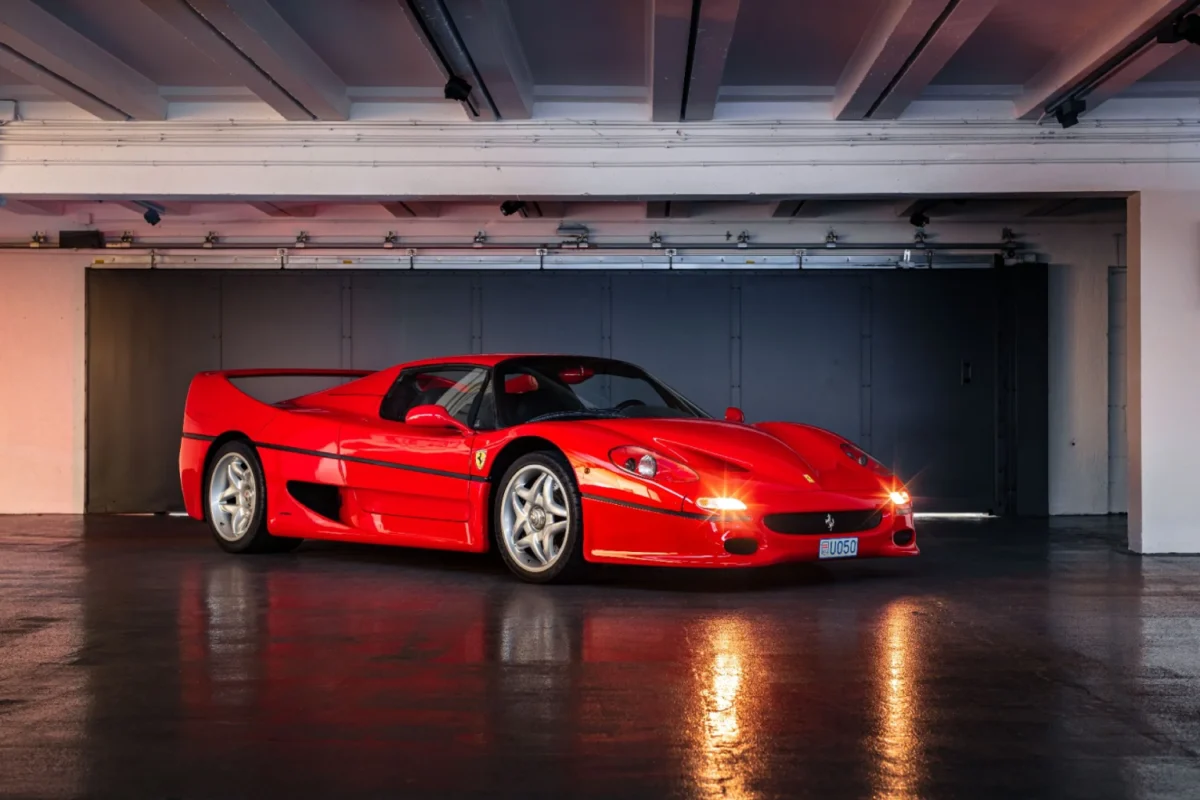
1996 Ferrari F50: Formula 1 DNA on the Road
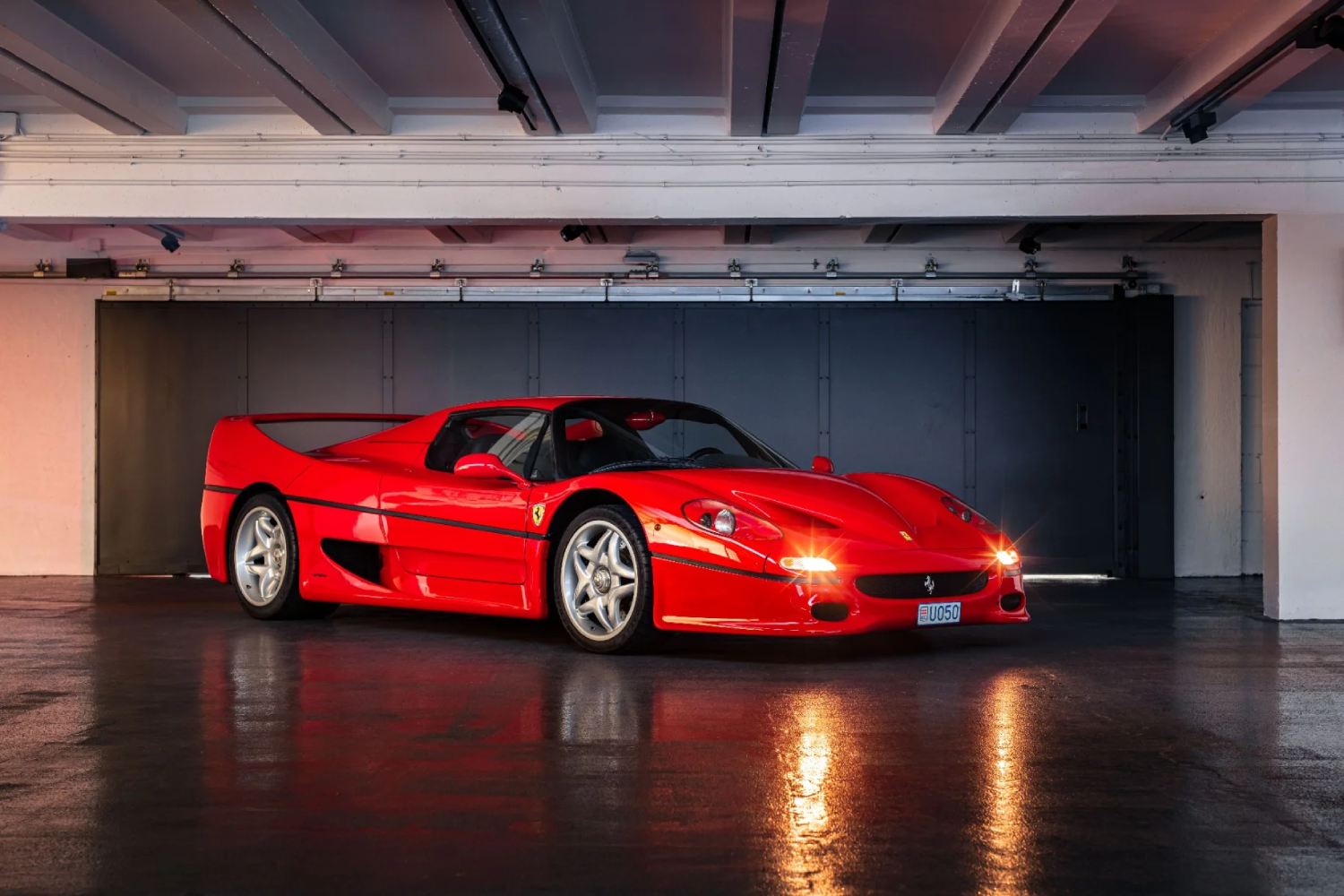
By the mid-1990s, Ferrari had begun blending racing technology with road-going usability in a new way. The F50 embodied that philosophy, featuring a naturally aspirated V12 derived from Formula 1 development.
This UK-supplied example stands out for its originality:
- One of only 25 UK cars
- Rosso Corsa paintwork
- Just 14,000 miles from new
- Original weave bodywork
- Complete accessory set, including both roofs and factory tools
The F50 bridges the gap between the rawness of the F40 and the more refined Ferrari supercars that followed.
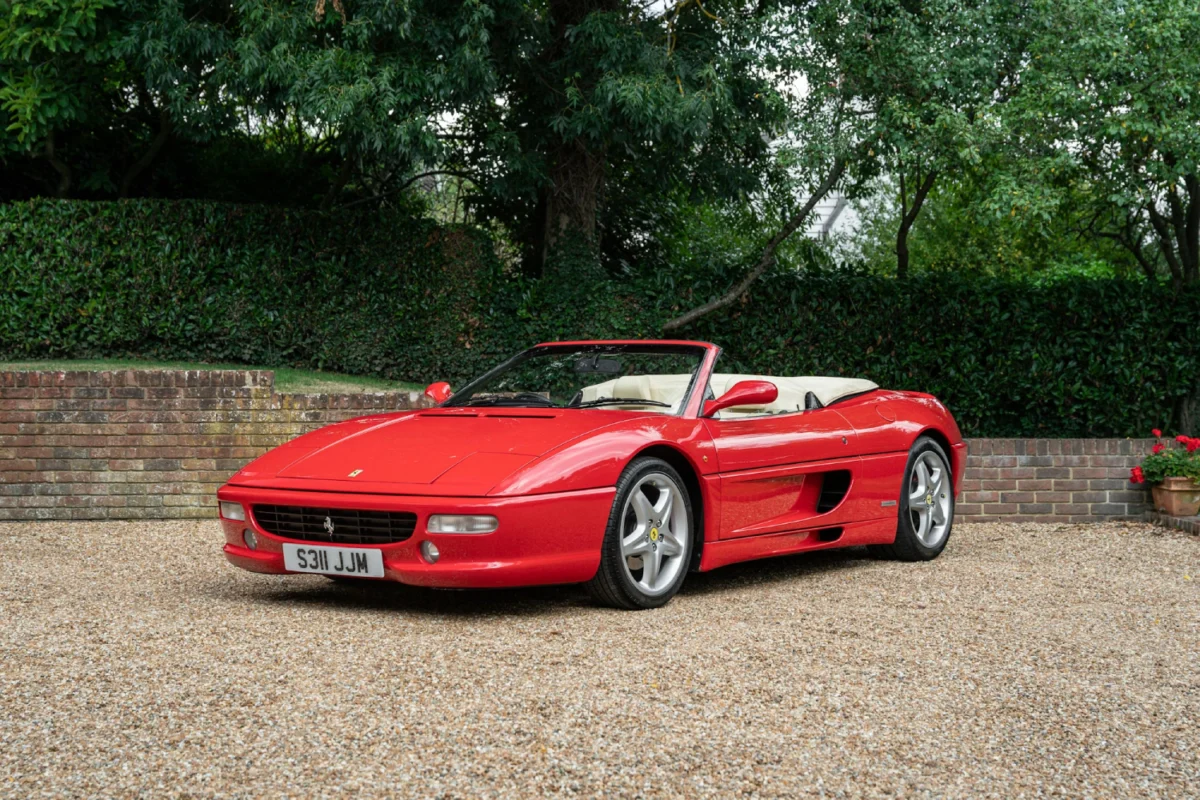
1998 Ferrari F355 Spider: Paddle Shift Reaches the Road
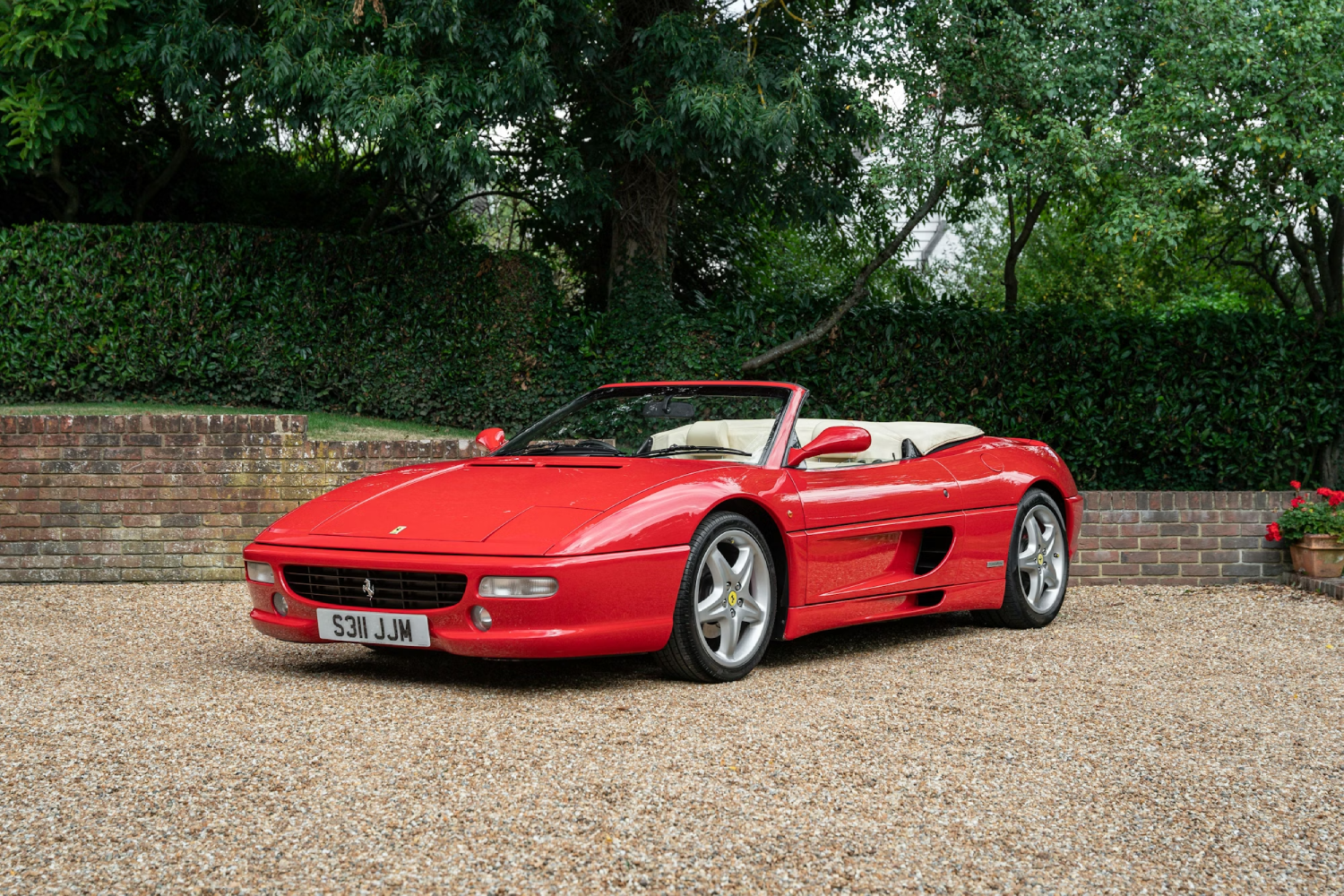
The story concludes with the Ferrari F355 Spider, a model that introduced paddle-shift technology to Ferrari road cars in a meaningful way. While earlier racing machines proved the concept, the F355 showed how it could enhance everyday driving.
This Rosso Corsa example has covered only 5,500 miles and remains one of just 139 UK-supplied cars. With full books, tools, and strong provenance, it reflects a moment when Formula 1 ideas became accessible to customers beyond the paddock.
Market Insight: Why Collections Like This Draw Attention
Collectors increasingly value curated groups of cars rather than single headline models. A themed collection tells a richer story and can offer long-term investment potential.
In this case, the narrative is clear:
- Technological progression from prototype to production
- Strong motorsport heritage
- Limited production numbers across all five models
Estimated at more than £20 million and offered only as a set, the Scuderia ’89 collection targets buyers seeking historical depth as well as rarity.
Conclusion: A Snapshot of Ferrari’s Technological Turning Point
The Scuderia ’89 collection offers more than five desirable cars. It presents a timeline of Ferrari innovation, from experimental Formula 1 engineering to road-car refinement. Each model stands strongly on its own, yet together they form a narrative rarely seen in a single sale.
Collectors will weigh rarity against usability, while enthusiasts will appreciate the story behind every chassis number. The question remains whether the next owner will preserve the cars as a static collection or continue taking them to events and circuits.
Would you keep the group intact or separate the racing cars from the road icons? Which model stands out most to you: the pioneering 639, the race-winning 640, or the timeless F40? Share your thoughts in the comments below.



Read more on

MyCarHeaven are on Instagram. Go check us out and do follow us.
Go visit the MyCarHeaven Instagram page. We post regular quality content, predominantly focused on classic cars, supercars, hypercars and car shows. We also feature all our competitions here, where you will have the chance IF YOU FOLLOW US and you follow the competition entry criteria, you could be in with a chance of winning tickets to the best UK car shows, and other automotive stuff.
Go to the MyCarHeaven Instagram account here.Related Stories
Advertisement Advertisement
 Advertisement
 Advertisement
 Advertisement