


Reasons the Ferrari 296 GT Modificata Is an Incredible New Track Car
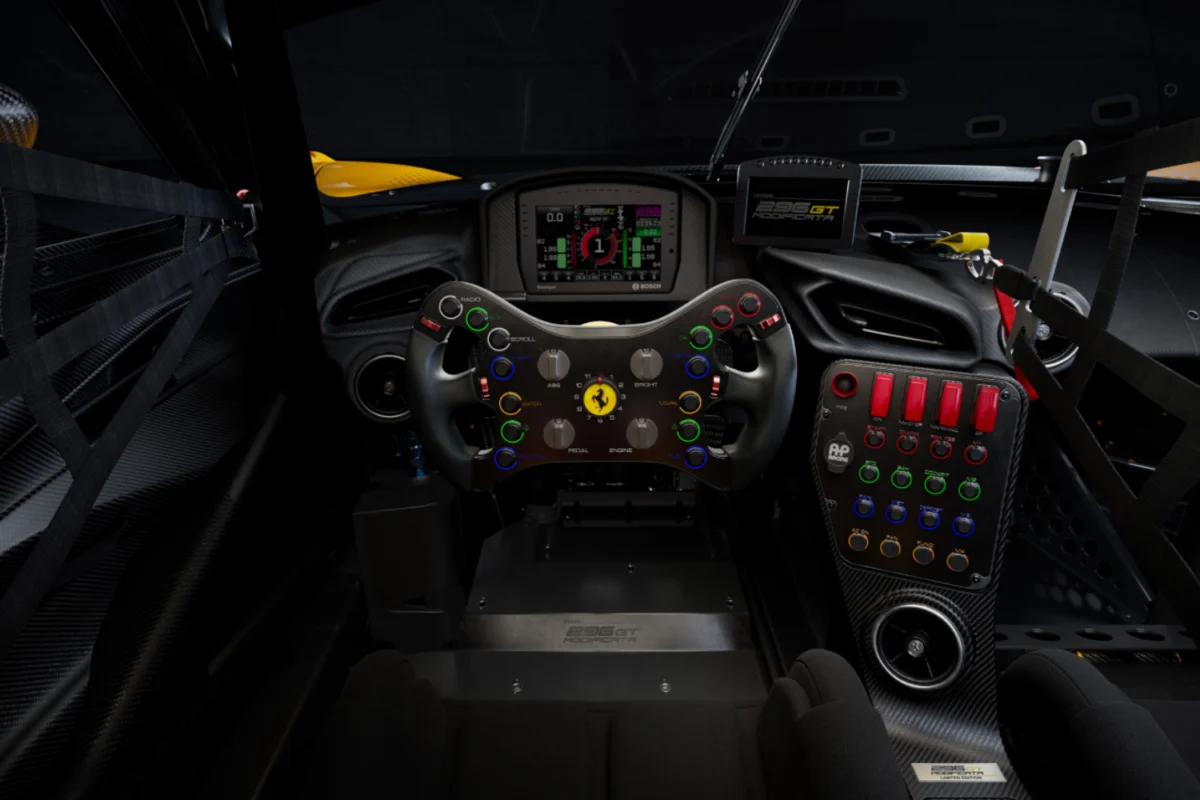
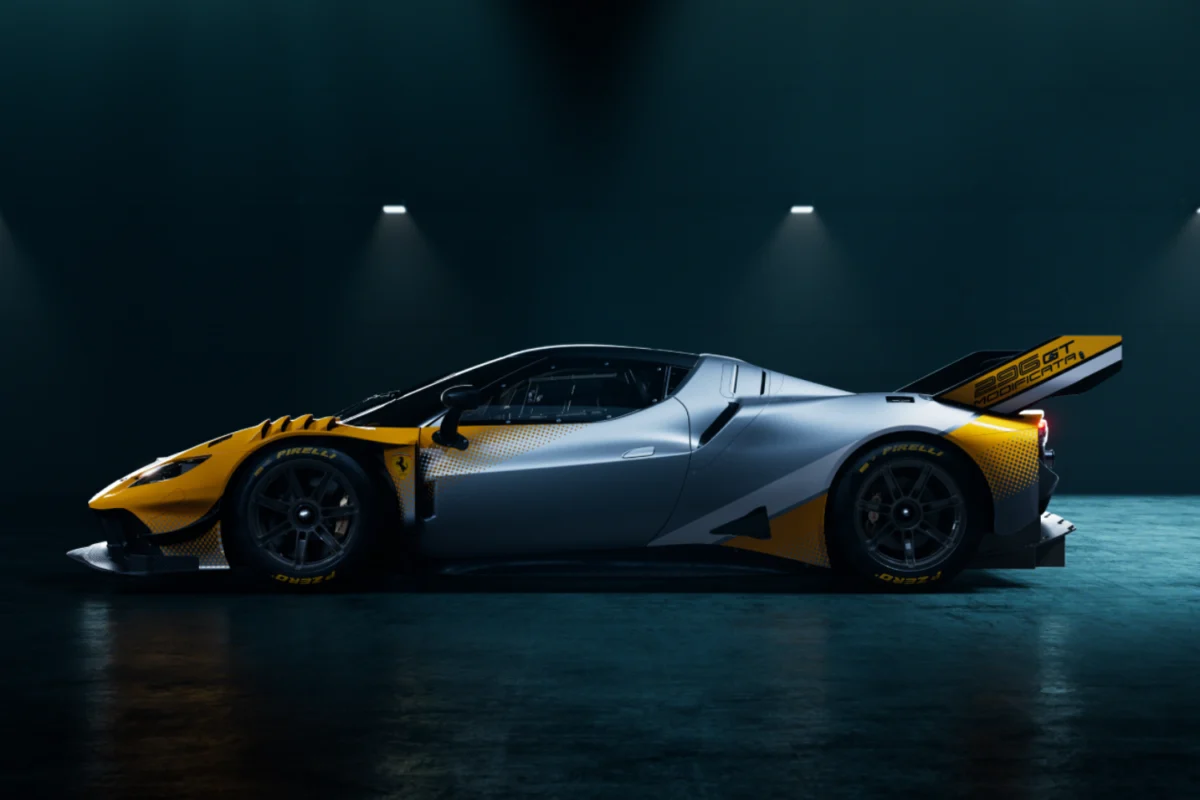
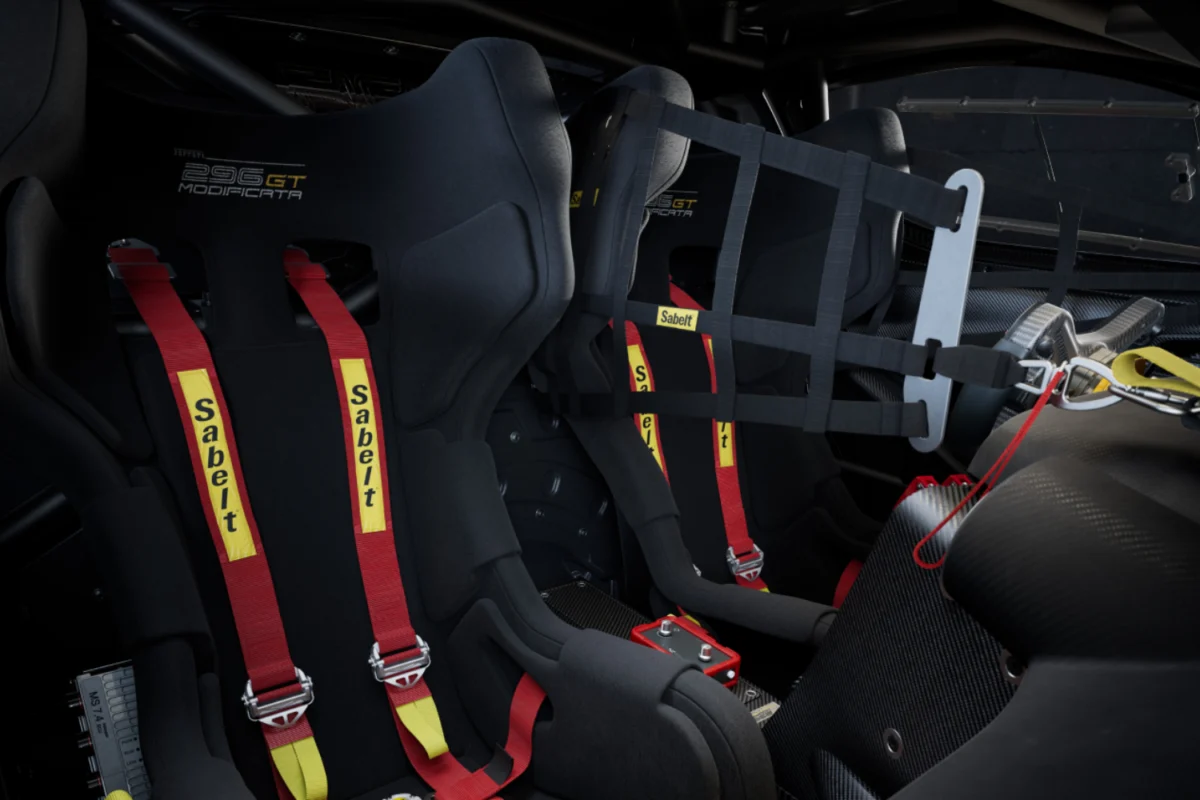
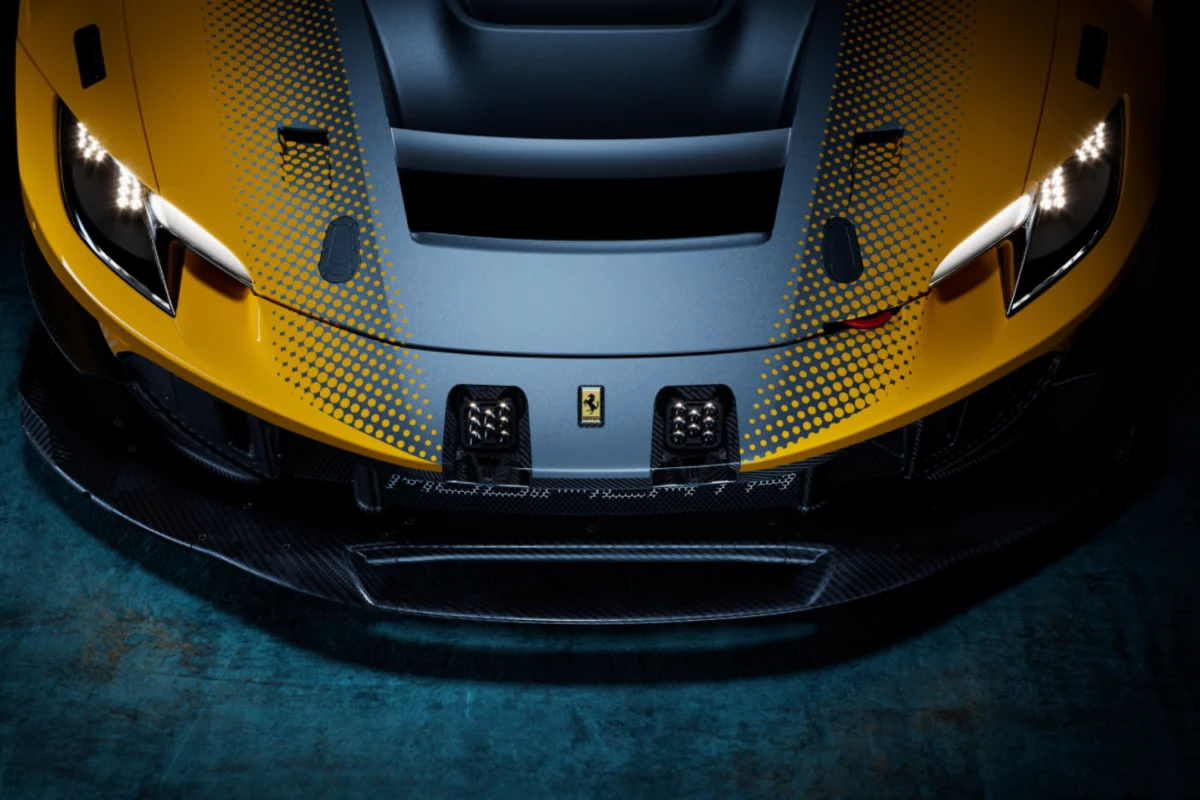
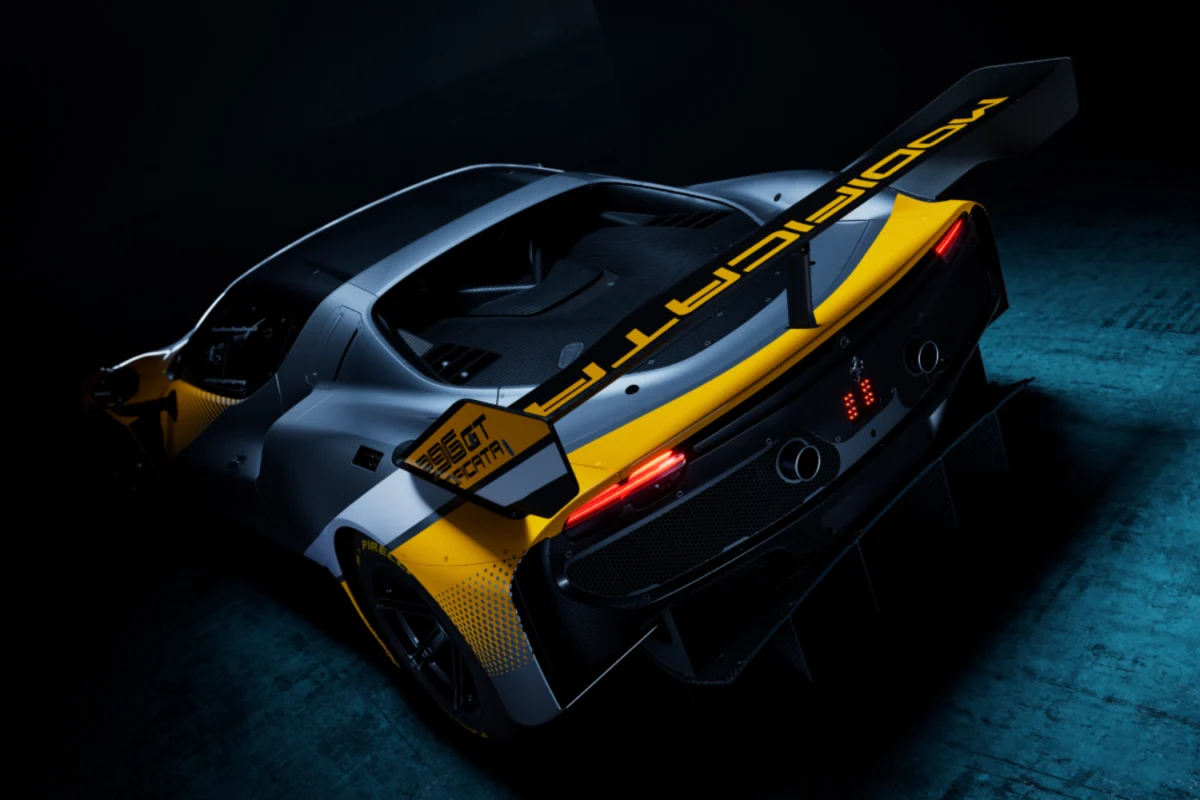
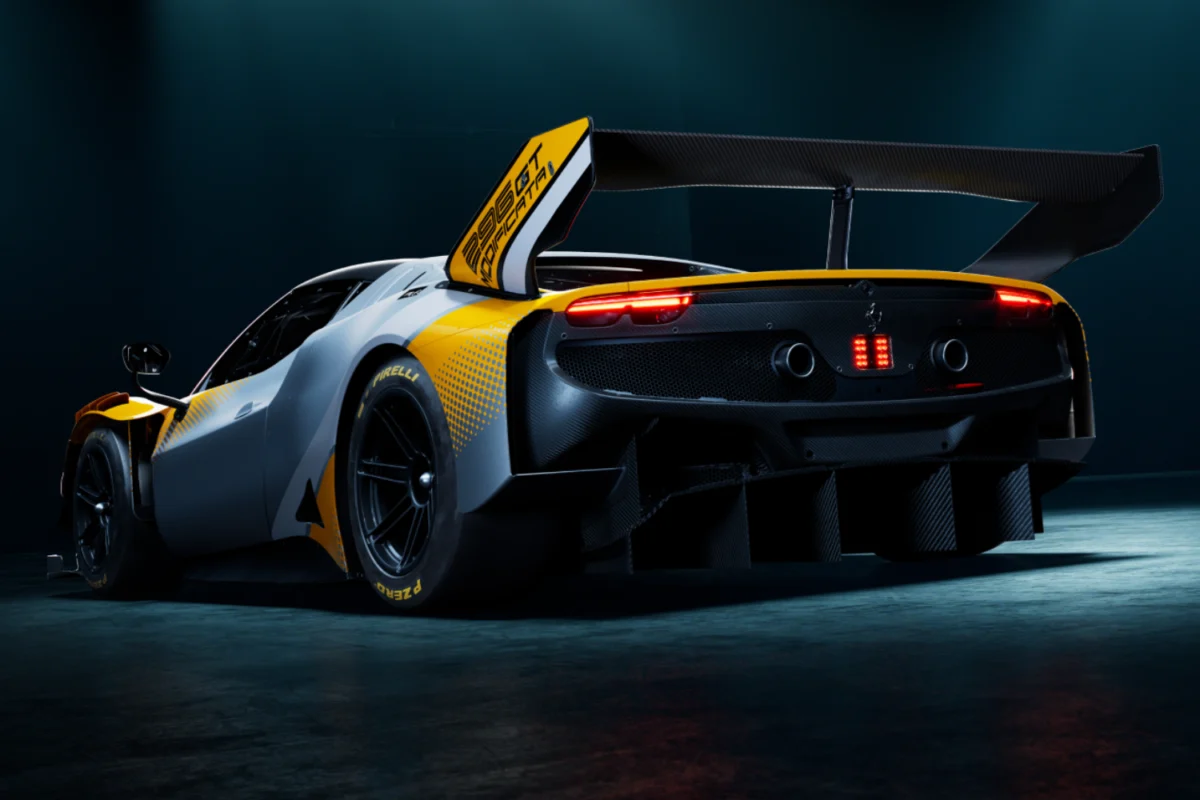
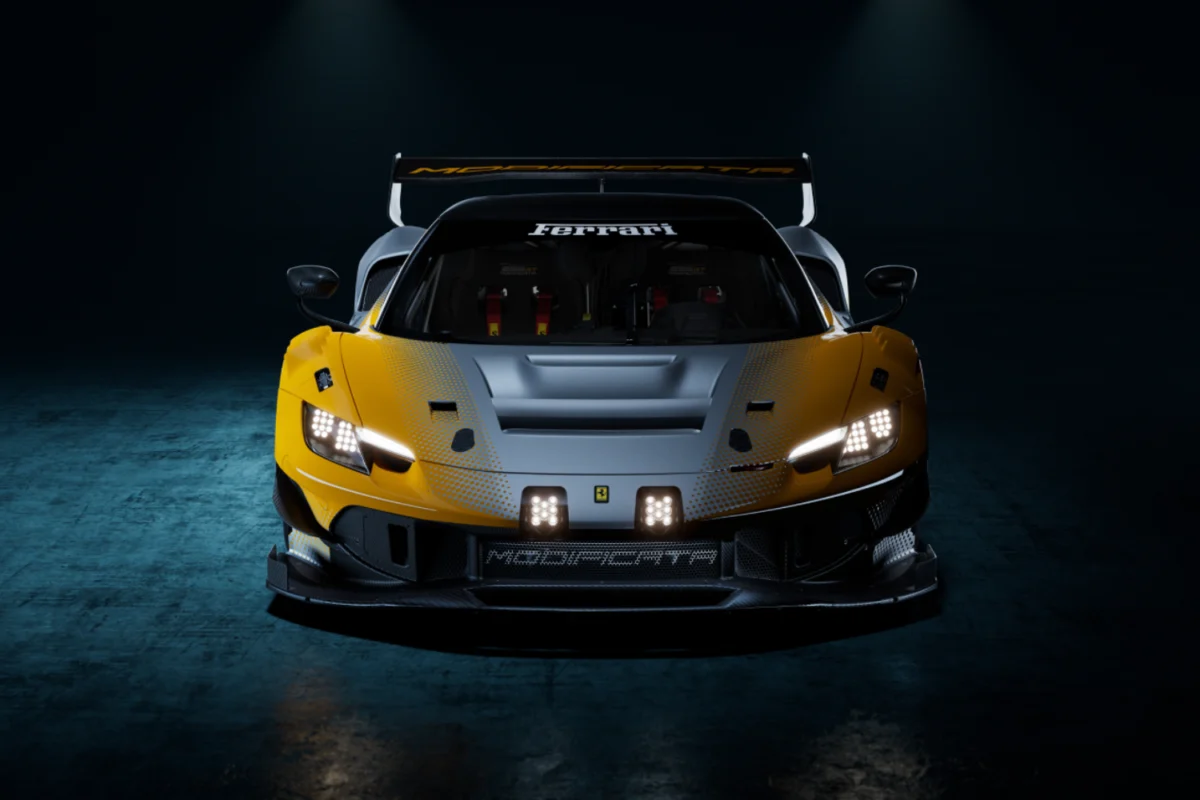
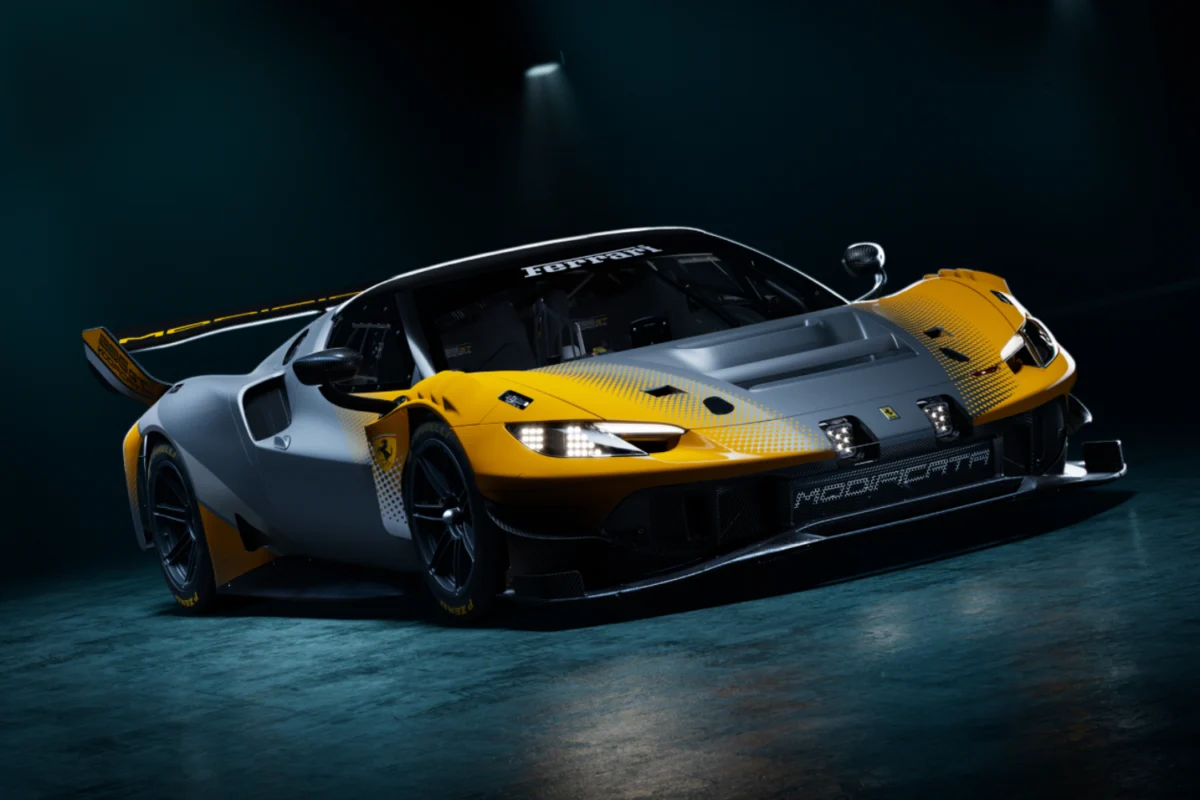
Ferrari has revealed a new track-only machine designed to take the 296 platform to another level. Meet the Ferrari 296 GT Modificata, a two-seat GT created for the non-competitive events of the Club Competizioni GT programme.
Presented at Ferrari Racing Days in Budapest, Hungary, the new model draws heavily on Ferrari’s racing experience. In particular, it benefits from knowledge gained with the 296 GT3 Evo, which entered competition at the start of the 2026 season.
However, the 296 GT Modificata is not restricted by racing regulations. That gives Ferrari’s engineers much more freedom to increase performance.
The result is a car with a 2,992cc twin-turbo V6, 730 cv and a dry weight of only 1,330kg. It also features bespoke aerodynamics, upgraded brakes and a six-speed sequential gearbox.
Most importantly, it is built for one thing: driving on a circuit.
What is the Ferrari 296 GT Modificata?
The name provides the first clue.
“296” refers to the engine’s 2.9-litre displacement and six-cylinder layout. Meanwhile, “Modificata” identifies a Ferrari developed from an existing model and extensively modified for greater performance.
That approach has a long history at Ferrari.
The 296 GT Modificata follows the 488 GT Modificata, introduced in 2020. It also shares a similar philosophy with the 499P Modificata, launched in 2023 for Ferrari’s Sport Prototipi Clienti programme.
However, the new 296 takes the idea further.
Ferrari has developed it specifically for non-competitive track use. As a result, its engineers could work beyond the restrictions normally imposed by motorsport regulations.
That freedom is central to the car’s character.
A 730 cv V6 with racing experience
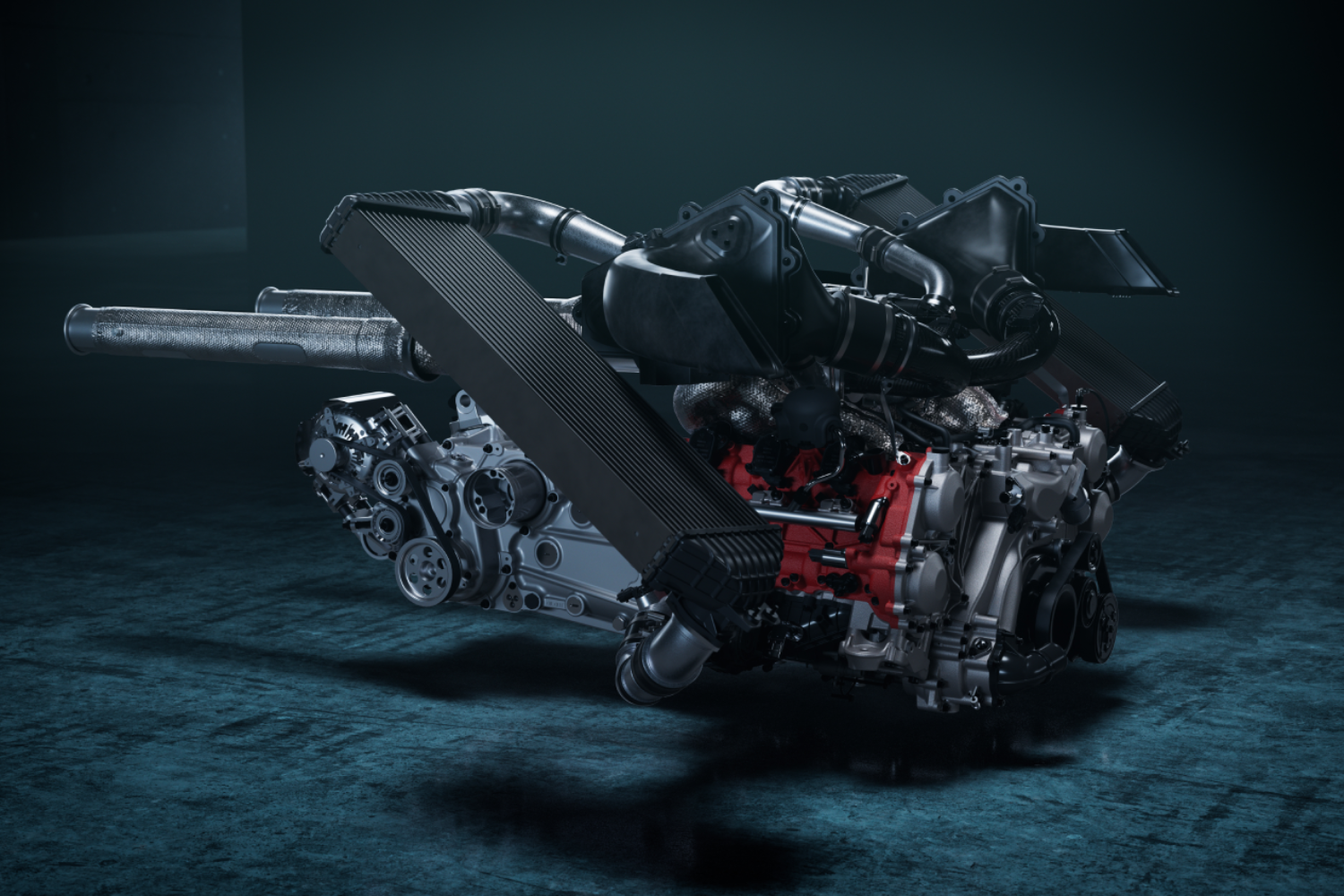
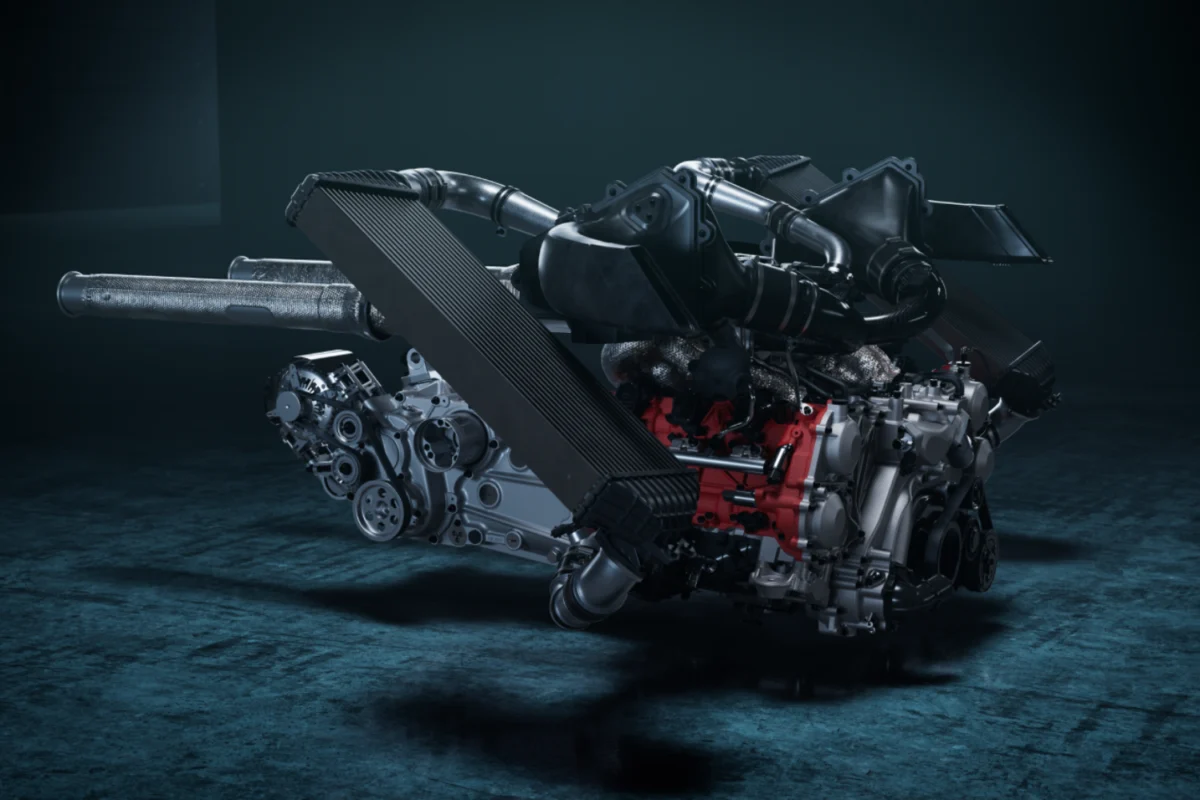
At the heart of the Ferrari 296 GT Modificata sits a rear-mid-mounted 2,992cc 120-degree V6.
The engine shares its basic architecture with the power plant used by the 296 GT3 Evo. However, Ferrari has made extensive changes to suit this application.
The modifications include:
- Revised crank train components
- New camshafts
- Changes to the induction system
- Revised intercoolers
- Modified turbochargers
- An upgraded fuel system
- A new exhaust tailpipe design
The turbochargers retain the exterior housing geometry used by the 296 GT3 Evo. Their internal components, however, were designed specifically for the Modificata.
Ferrari also drew on experience from the 499P Modificata when developing the car.
The result is 730 cv (537 kW) at 7,500 rpm. That gives the Ferrari a specific power output of 244 cv per litre.
Maximum torque stands at 800 Nm at 5,000 rpm.
The figures become even more interesting when compared with the 296 GT3 Evo. The Modificata produces 130 cv more because the racing car must comply with Balance of Performance regulations.
In other words, Ferrari has used the absence of those restrictions to extract considerably more from the V6.
A gearbox designed around the track
Power reaches the rear wheels through a six-speed sequential gearbox with a carbon clutch.
Ferrari has also introduced new gear ratios.
The aim is straightforward. The transmission has been adjusted to exploit the revised engine’s operating range and maximise performance during non-competitive circuit driving.
That should make the car feel particularly focused when accelerating out of corners and building speed through a lap.
There is no need for the compromises required by a road car, either. Every major system has been designed around the demands of circuit use.
Ferrari 296 GT Modificata aerodynamics
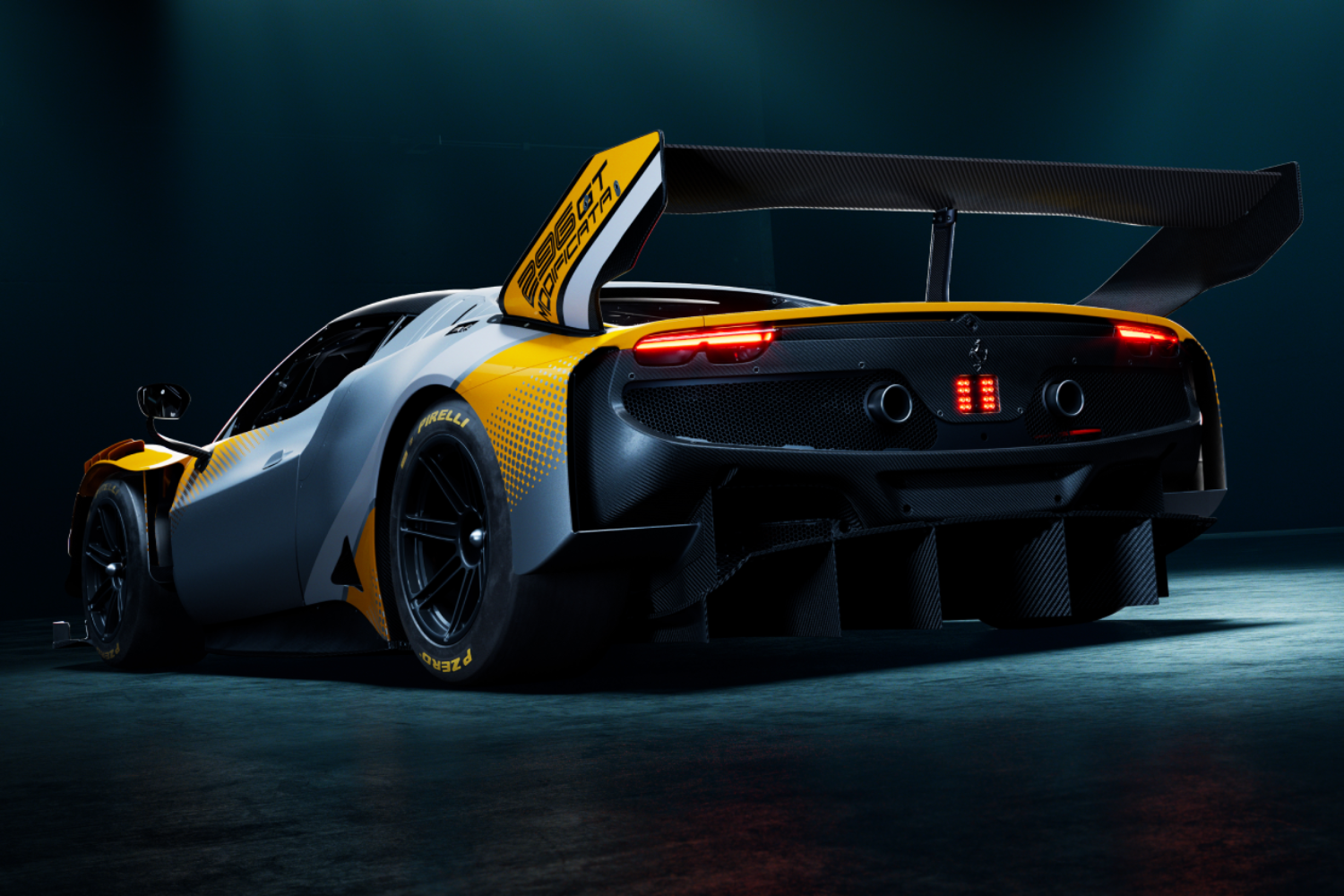
The bodywork tells the same story.
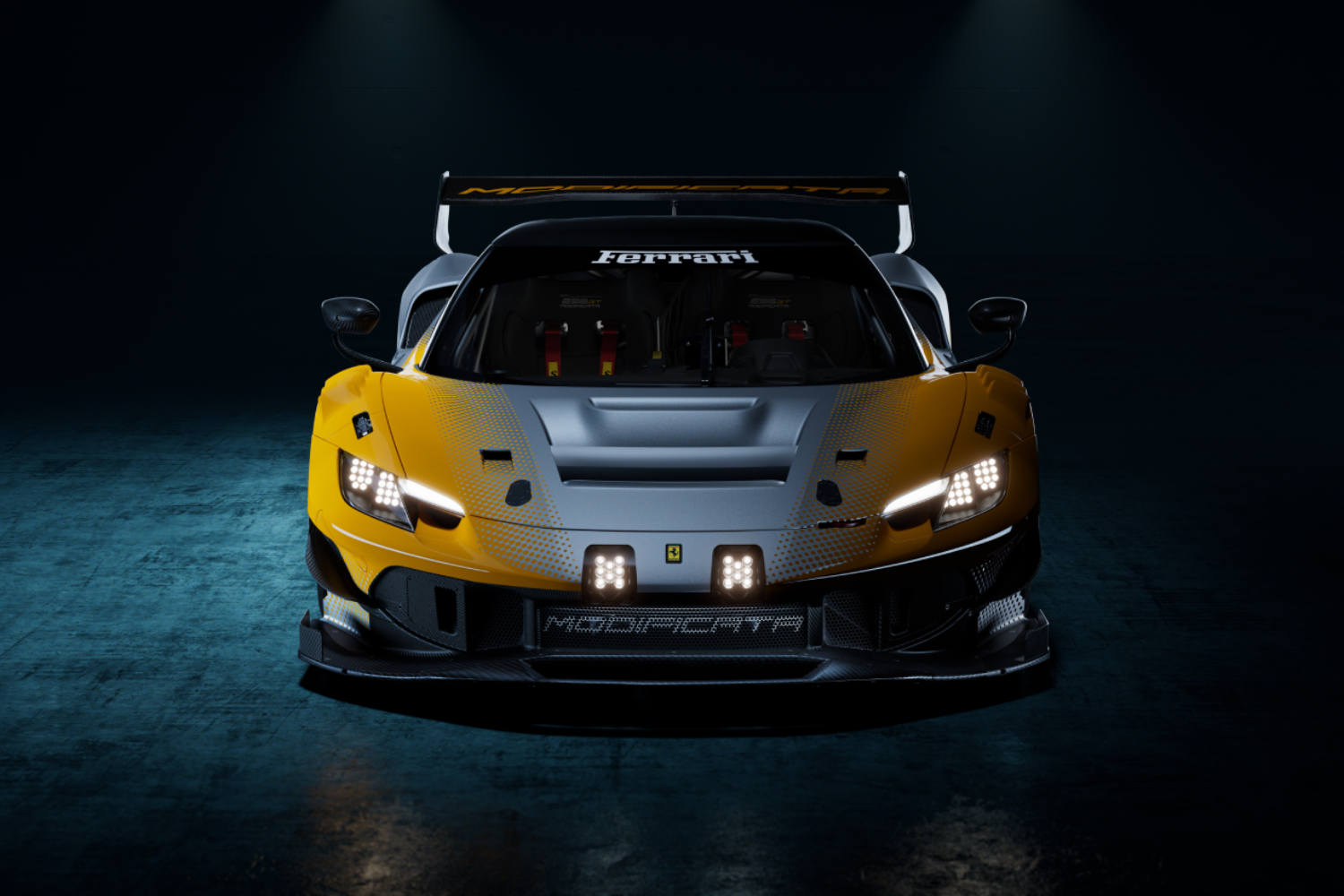
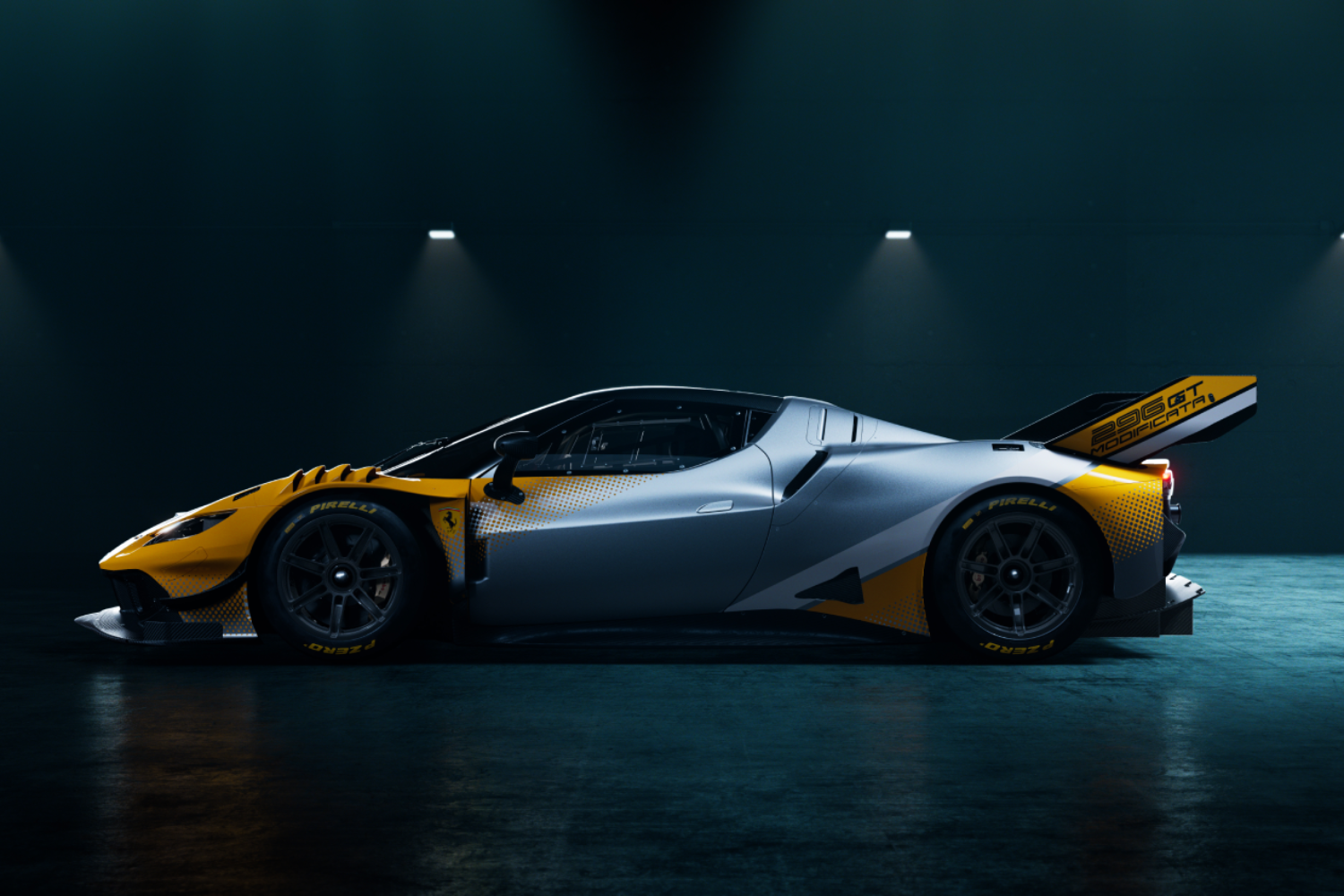
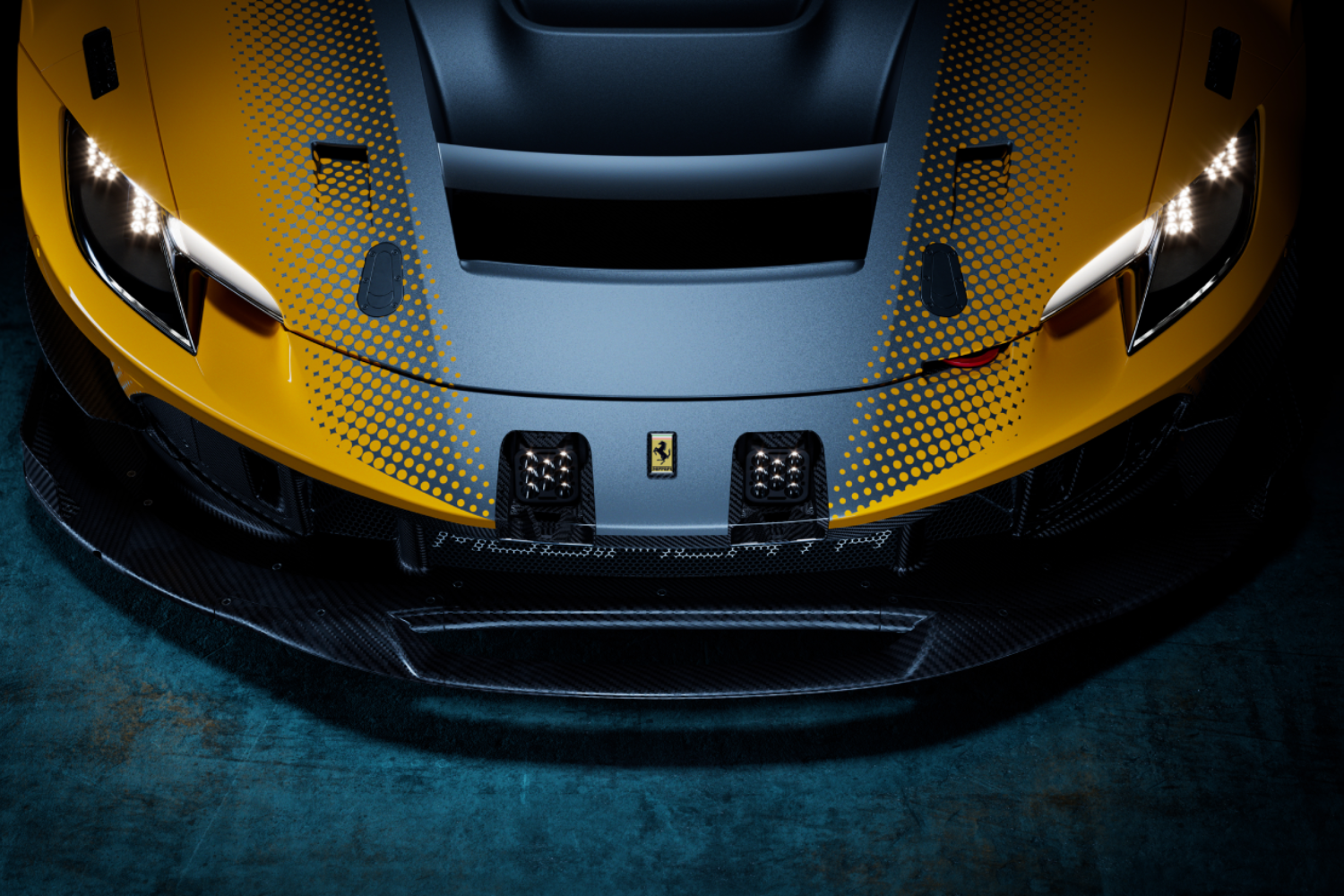
Ferrari has redesigned the aerodynamic package at both ends of the car. At the front, the changes include a revised wing and a new bonnet.
The bonnet features a larger main opening to improve cooling. A dedicated vane also directs hot air from the central radiator away from the side intercoolers.
Furthermore, Ferrari has redesigned the vent near the base of the windscreen to improve thermal management.
Then there is the new front “Slotted Splitter”.
Its job is to control airflow beneath the car and increase its ability to generate downforce.
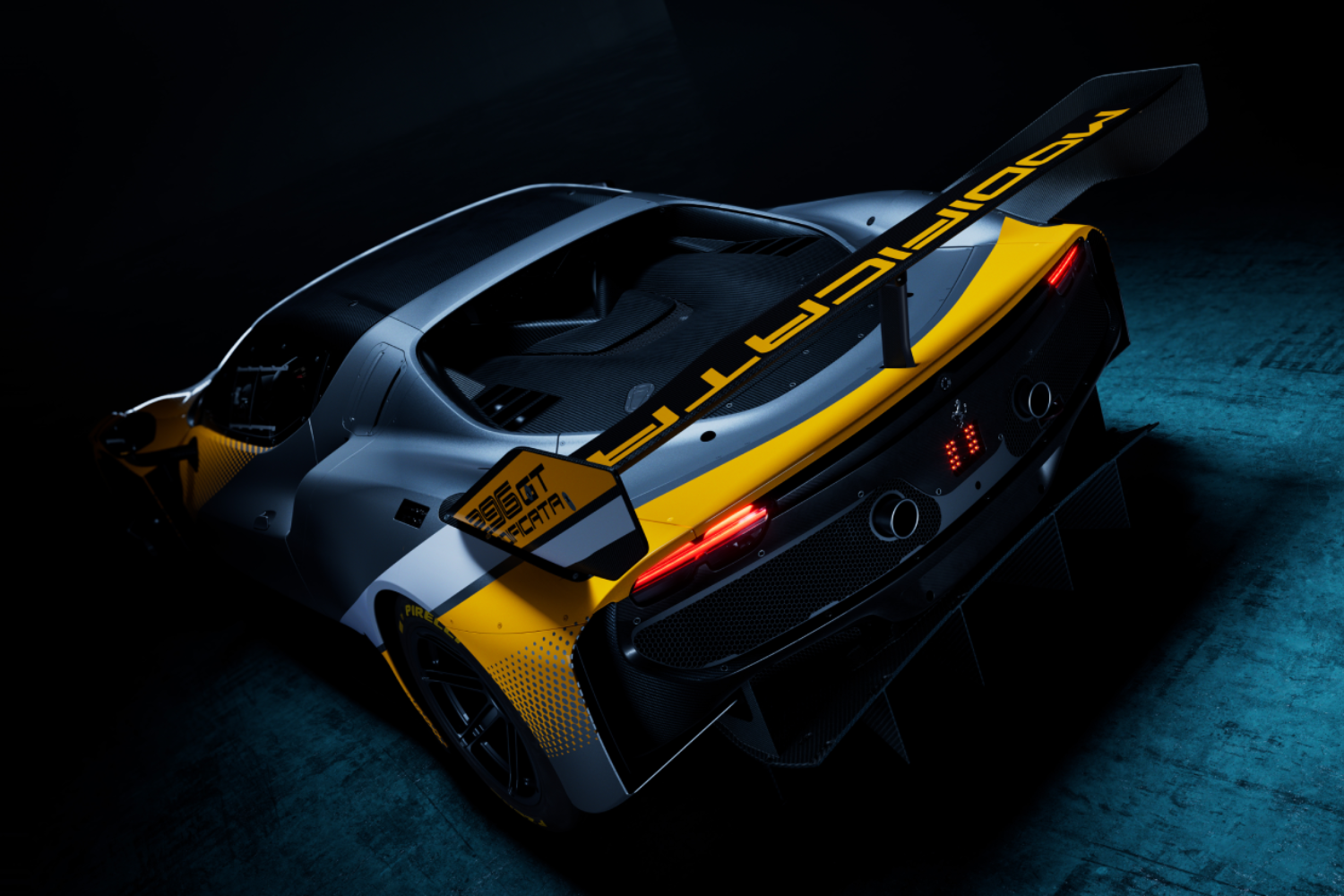
At the rear, Ferrari has created an entirely new wing. The design includes a new central support, a 5mm Gurney flap and endplates inspired by the 499P.
These elements help manage the airflow around the rear of the car. They also help maintain the correct aerodynamic balance as performance increases.
The result is a car designed to produce serious grip without relying on a complicated explanation every time you look at it.
Faster than the 296 GT3 Evo at Fiorano
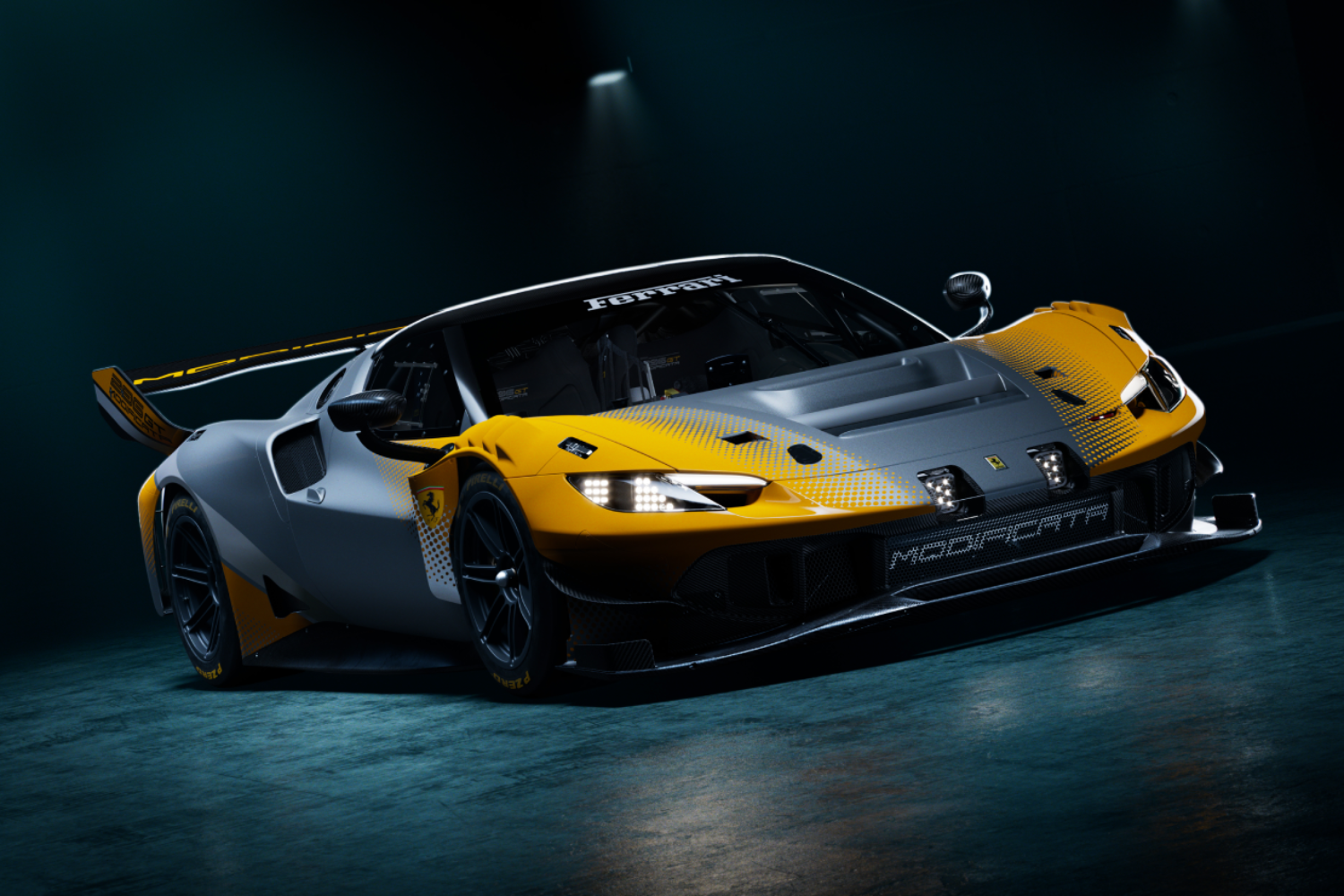
Ferrari says the 296 GT Modificata has the potential to lap its Fiorano test circuit three seconds faster than the 296 GT3 Evo.
That is a remarkable claim.
The comparison is particularly interesting because the GT3 Evo is a purpose-built racing car. Yet its performance is limited by motorsport regulations.
The Modificata does not have those restrictions.
That means Ferrari can optimise the car around the needs of private customers attending track events rather than around a racing rulebook.
It is an important distinction.
This is not a competition car that happens to be used by customers. It is a Ferrari designed specifically around unrestricted performance.
Brakes built for repeated hard use
Extra performance demands extra braking capability.
Ferrari has therefore developed the braking system from technology used on the 296 GT3 Evo and 296 GT3 Biposto.
The front brakes now feature new steel discs with improved ventilation. Ferrari has also added an extra air intake low in the front bumper.
That intake increases airflow to the braking system.
The brake cooling ducts have also been redesigned to make better use of the available airflow.
These changes have a practical purpose. They improve the system’s ability to manage heat during repeated heavy braking.
As a result, Ferrari says the braking system offers greater consistency and reliability.
Ferrari has also calibrated the ABS system specifically for the car. According to Ferrari, the system helps drivers of different experience levels access the car’s performance, even during long sessions on demanding circuits.
Two seats make a difference
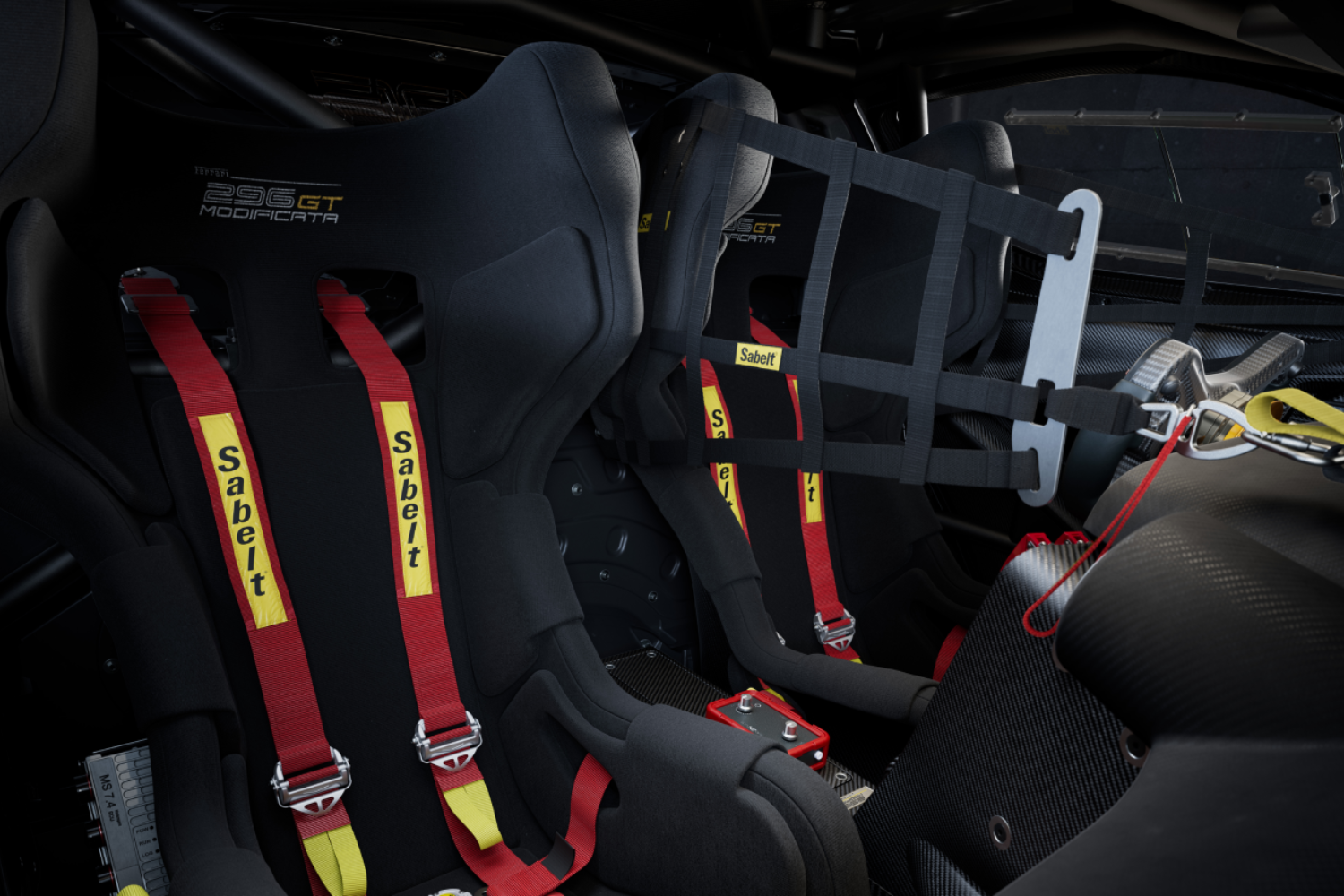
The Ferrari 296 GT Modificata is not a single-seat racing machine.
Instead, Ferrari has given it two seats.
That decision makes the car more versatile during track events. Owners can take a passenger with them and share the experience.
More importantly, the second seat allows drivers to work with an instructor during track sessions.
That can be particularly useful when learning a new circuit or improving driving technique.
The passenger also gets a dedicated footrest. An integrated intercom system allows driver and passenger to communicate throughout a session.
It is a small detail, but it changes the experience considerably.
After all, a track car can be brutally focused without requiring the driver to experience everything alone.
Racing equipment included as standard
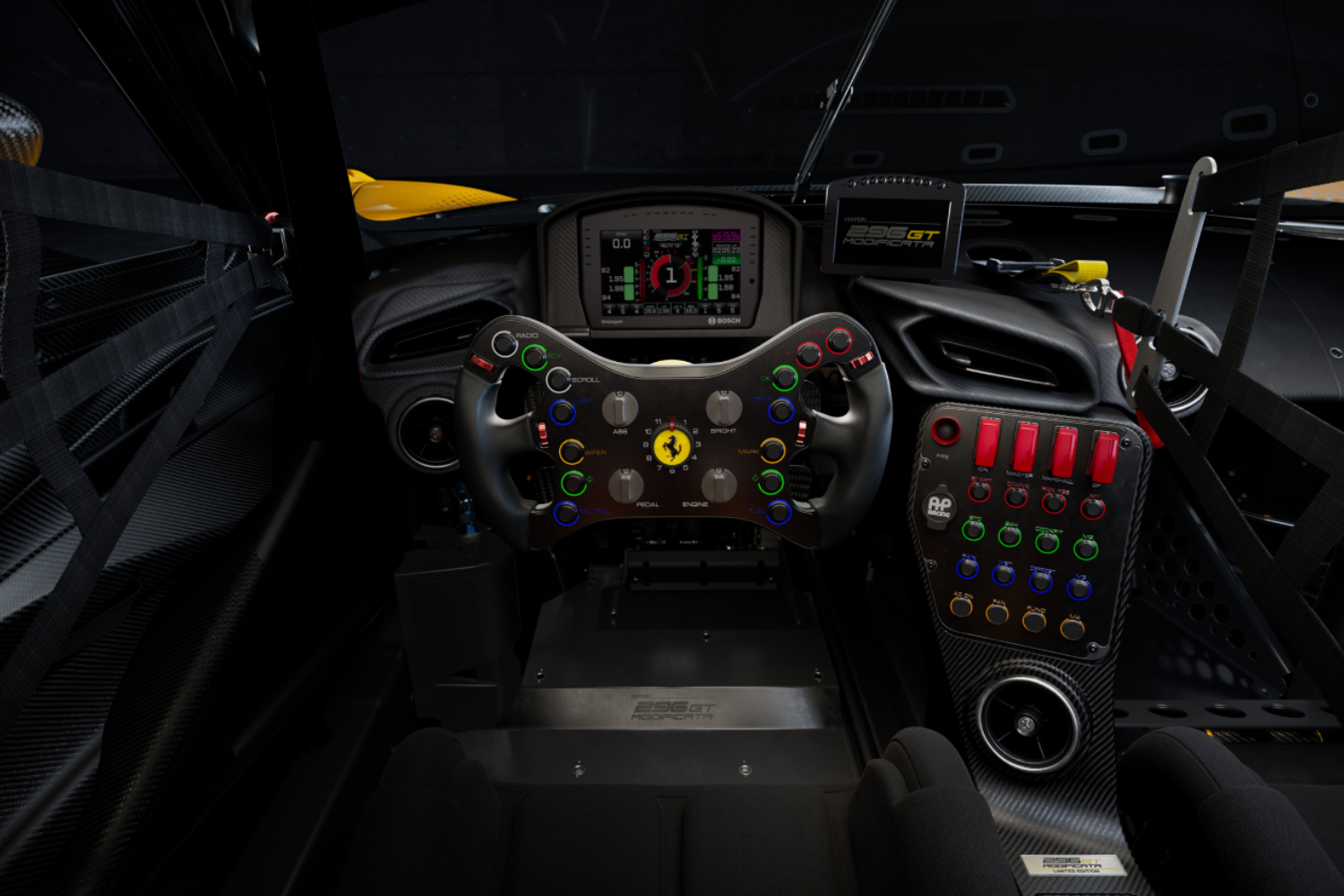
Ferrari has equipped the 296 GT Modificata with several features that are optional on the 296 GT3 Evo.
Among them is the Data Acquisition System, available in Step 1 and Step 2 configurations.
The system includes additional sensors for monitoring areas such as:
- Air speed
- Damper movement
- Brake temperatures
The car also receives VideoBox Premium.
This records the driver during track sessions, allowing the footage to be reviewed with a coach.
There is also a premium rear camera and the IRTPMS Step 2 system. The latter monitors tyre pressure and temperature.
A carbon clutch, professional seat harnesses and an extra fan for improved cabin cooling are also included.
These features show that Ferrari has thought beyond outright power.
The car is designed to help owners understand and improve their driving as well.
Personalisation for Ferrari customers
Despite its highly focused purpose, the 296 GT Modificata still offers room for personalisation.
Owners can specify options as original equipment.
One example is the rear radar system. It warns the driver when another car approaches from behind at a higher speed.
The livery can also be personalised.
Customers can choose the colour scheme from the full range offered by the Ferrari Design Studio.
That gives each car the potential to look different while retaining its unmistakable Ferrari identity.
The history behind “Modificata”
The word “Modificata” has appeared on several important Ferraris.
The first was the 512 M, introduced in 1970. It evolved from the 512 S and featured a lighter, more powerful V12, revised cylinder heads and more aerodynamic bodywork.
Ferrari later used the name on road-going models.
These included the F512 M in 1994, the 456M GT in 1998, the 575M Maranello in 2002 and the Portofino M in 2020.
The 296 GT Modificata belongs to a different branch of that family.
Like the 488 GT Modificata and 499P Modificata, it is focused squarely on circuit driving.
The 488 GT Modificata arrived in 2020 after Ferrari developed it using experience from the 488 GT3 and 488 GTE.
Then came the 499P Modificata in 2023.
The 499P had raced in the FIA World Endurance Championship and won the 24 Hours of Le Mans in 2023, 2024 and 2025. The 2025 season also saw Ferrari reclaim the World Endurance Championship Overall Constructors’ and Drivers’ titles after 53 years.
The 296 GT Modificata now carries that customer-focused racing philosophy into the next generation.
Club Competizioni GT: where the 296 GT Modificata belongs
Buying the Ferrari 296 GT Modificata includes two years, or 12 rounds, of the Club Competizioni GT programme.
The programme gives Ferrari customers access to track events at major circuits around the world.
The 2027 calendar includes seven events:
Jerez de la Frontera, Spain
- Misano Adriatico, Italy
- Fuji, Japan
- Indianapolis, USA
- Paul Ricard, France
- Spa-Francorchamps, Belgium
- The Ferrari Finali Mondiali event
The final venue and dates are due to be announced.
This programme is an important part of the car’s appeal. Ferrari has not created the 296 GT Modificata simply as a track-day toy.
It has created an entire environment around the car.
Owners can drive the car on famous circuits, work with instructors and use its onboard data to improve their performance.
Ferrari 296 GT Modificata specifications
Engine
- Type: 2,992cc turbocharged 120-degree V6
- Valves: Four per cylinder
- Lubrication: Dry sump
- Power: 730 cv (537 kW) at 7,500 rpm
- Torque: 800 Nm at 5,000 rpm
- Specific power: 244 cv/l (179 kW/l)
- Compression ratio: 9.4:1
Transmission
- Gearbox: Six-speed sequential
- Clutch: Carbon
Dimensions and weight
- Length: 5,033mm
- Width with mirrors: 2,230mm
- Width without mirrors: 2,050mm
- Height: 1,082mm
- Wheelbase: 2,660mm
- Front track: 1,726mm
- Rear track: 1,714mm
- Dry weight: 1,330kg
- Fuel capacity: 120 litres
Tyres
- Front: 325/680 R18
- Rear: 325/705 R18
Brakes
- Front discs: 400 x 26mm
- Rear discs: 332 x 32mm
Final thoughts
The Ferrari 296 GT Modificata takes a familiar Ferrari formula and removes many of the restrictions normally imposed on a racing car.
Its 730 cv V6, 1,330kg dry weight, revised aerodynamics and upgraded brakes give it serious circuit credentials.
However, the two-seat cabin and extensive driver-focused equipment reveal another priority.
Ferrari wants customers to drive the car, learn with it and enjoy it.
The connection with Club Competizioni GT strengthens that idea. Owners are not simply buying an extremely rare Ferrari. They are entering a programme built around using it on some of the world’s most famous circuits.
The 296 GT Modificata also shows how Ferrari continues to develop its “Modificata” philosophy.
So, what do you think of Ferrari’s latest track-only creation? Would you choose the 296 GT Modificata over a competition GT car? And which circuit would you most like to experience from behind its wheel?
Let us know in the comments.



Read more on

Own a rare or interesting car? We'd love to hear about it.
Do you have a rare or interesting classic car, supercar or hypercar? If so, we'd like to feature your car in our "car in the spotlight" feature, where we will delve into the car history, your ownership, cost of running, any grand trips you've been on and more.
Show your car in our "car in the spotlight" featureRelated Stories
Advertisement Advertisement
 Advertisement
 Advertisement
 Advertisement