



Why Windshields Crack: Common Causes You Should Know RHAG
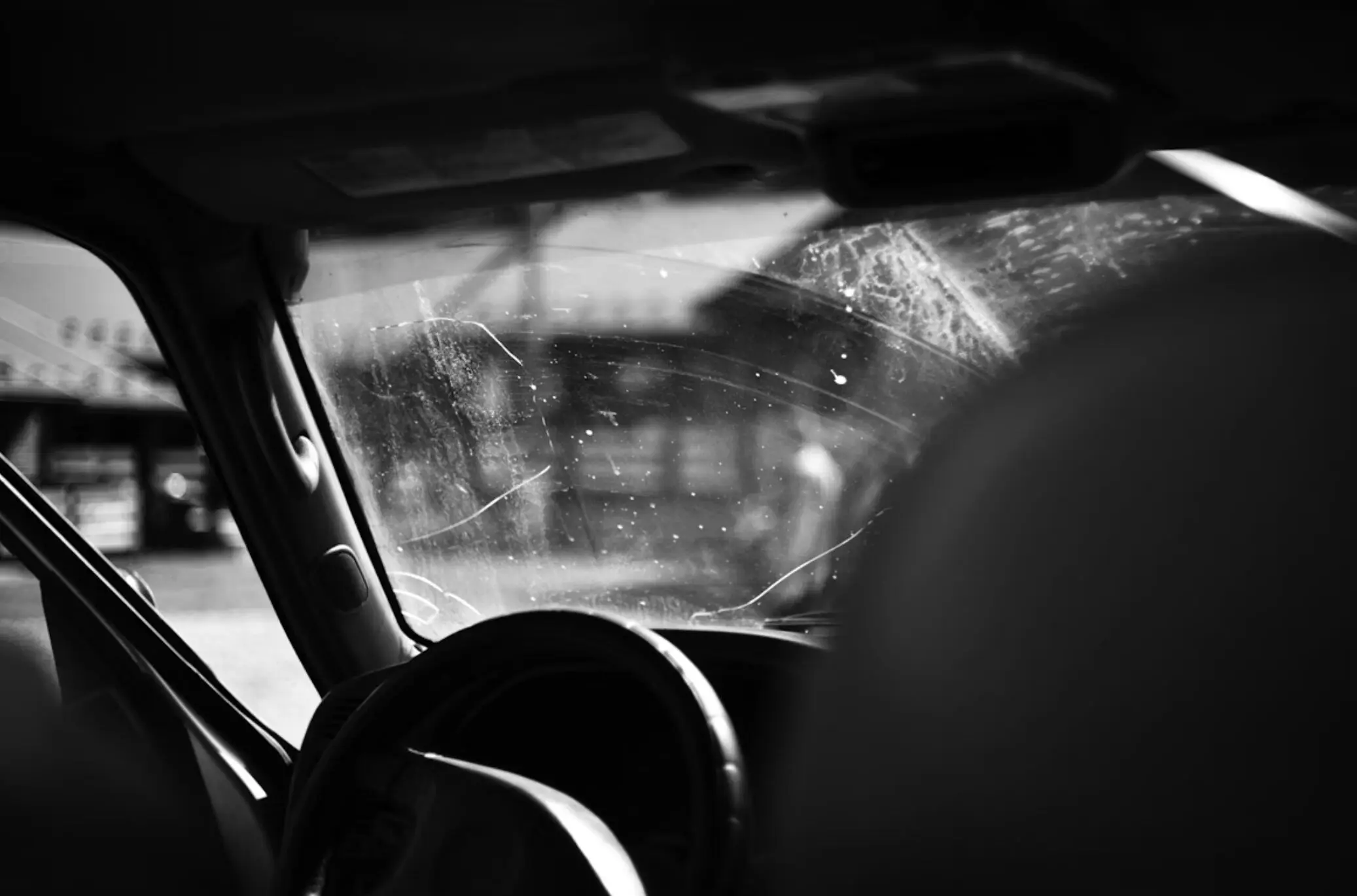
When discussing car parts, windshields are an important component to consider for both safety and comfort. Image Source: https://unsplash.com/photos/a-black-and-white-photo-of-the-inside-of-a-car-9vcZUVBQCNU
Seeing a crack in your windshield can be stressful for any driver. It’s even more frustrating when it seems to appear overnight without warning. Even if nothing has hit your car, there are several reasons a windshield can still crack on its own.
In this article, we’ll explore what causes a windshield to crack, why some cracks spread faster than others, and what you can do to keep the damage from getting worse.
Tempered vs. Laminated: A Crash Course in Auto Glass Physics
Windshields have come a long way. Early cars used plain, untreated glass that shattered easily on impact, putting drivers at serious risk. Modern auto glass uses tempered and laminated glass that can withstand much greater stress and remain intact even when damaged.
Tempered glass is produced by heating it until it becomes flexible and then cooling it quickly. This process locks strength into the outer layers, making it far more durable than untreated glass. When it finally gives way, it breaks into tiny, blunt pieces that are much safer than sharp shards. It’s the standard choice for side and back windows.
Laminated glass, on the other hand, is built differently. It consists of two layers of glass bonded with a thin sheet of polyvinyl butyral (PVB) in between. This inner layer keeps the glass together after an impact, preventing it from breaking apart and maintaining visibility. Because of this structure, laminated glass is used for windshields, offering both strength and safety in a collision.
What Causes a Windshield to Crack?
Windshield cracks rarely happen by chance. Most are the result of small stresses that build up over time until the glass finally gives way. If you’re wondering why did your windshield crack, here are some common causes that every driver should know about:
● Direct Impact from Debris: One of the most common reasons why a windshield cracks is road debris. A small stone or piece of gravel thrown up by another car can hit the glass hard enough to leave a tiny chip. Over time, heat, vibration, and everyday driving stress turn that small mark into a noticeable crack.
● Poor or Uneven Installation: A windshield that isn’t mounted correctly or lacks uniform adhesive support can carry uneven stress loads, especially near corners and edges. Over time, this imbalance can start to form fine cracks without any visible impact.
● Thermal Stress from Sudden Temperature Changes:Abrupt shifts in temperature, such as blasting hot air on a frozen windshield or cooling a sun-heated car too quickly, can cause the outer and inner layers of the glass to expand and contract unevenly, leading to cracking.
● Structural Weak Points: Tiny imperfections from the factory, micro air bubbles, or surface scratches from wipers or debris can create natural stress concentrators. These weak spots can turn into cracks after repeated pressure or vibration.
● Aging, UV Degradation, and Seal Failures: Over time, sunlight, heat, and moisture gradually wear down both the glass and the rubber seals around it. The outer layer can become less flexible, and the seals may start letting in small amounts of water. These changes create weak spots that can turn into cracks, especially near the edges of the windshield.
What Makes a Windshield Crack Spread?
Many drivers notice a small chip and assume it’s nothing to worry about. Then, a few days later, the line is twice as long. It’s important to note that once the glass is damaged, even slightly, it becomes more vulnerable to everyday stress. A few typical reasons why windshield cracks spread include:
● Rapid Changes in Temperature & Thermal Shock: When glass heats up, it expands; when it cools, it tightens. When one part of the windshield heats or cools much faster than another—such as blasting the defroster on a frozen morning or parking in the sun before a sudden downpour—the difference in temperature creates stress. That uneven expansion can cause the glass to fracture, especially if it already has a small chip.
● Moisture and Dirt: When water or debris seeps into a crack, it widens the gap as temperatures change. Moisture can also weaken the glass bond, especially during freezing weather.
● Road Vibrations: Everyday driving creates vibration and minor flexing through the vehicle’s frame. These forces put pressure on weakened glass, causing the crack to creep across the surface.
● Air Pressure and Wind Resistance: At higher speeds, air pressure across the windshield exerts force on existing cracks. Even slight flexing from airflow and cabin pressure changes can cause the crack to lengthen.
● Failed DIY Repairs: Windshield repair kits can help with tiny chips if used the right way, but they often do more harm than good when applied incorrectly. A rushed job or uneven resin can trap dirt and air inside the crack, which makes it harder to fix later. In some cases, the glass weakens further, and the small crack you tried to fix spreads across the windshield.
How Fast Does A Windshield Crack Spread?
It’s often unpredictable how fast a windshield crack spreads. In some cases, a small chip can stay stable for weeks. In others, it can stretch across the glass overnight. Factors like temperature changes, road vibration, moisture, and even how often you drive all affect the rate of spread.
One thing is clear: ignoring a crack only allows it to grow. The best solution is to have it checked by auto glass technicians. They will assess the damage, determine whether it can be safely repaired, and help prevent the crack from spreading further.
What to Do When Your Windshield Cracks
Knowing the right steps to take after a windshield crack appears can save you from a costly replacement later on. Acting quickly helps prevent the damage from spreading and keeps your car safe to drive. Understanding the right steps to take not only saves money but also protects the structural strength of your vehicle.
1. Inspect the Damage Carefully
Start by examining the crack to understand its size and location. Small chips or short cracks can often be repaired, but anything that obstructs your line of sight or reaches the edge of the glass usually means replacement.
2. Clean the Area Gently
Use a soft, dry cloth to remove loose dirt or dust around the crack. Avoid washing the car with high-pressure water or applying glass cleaner directly on the damaged spot. Excess moisture can seep into the crack and make it worse, especially if the temperature drops.
3. Cover the Crack Temporarily
If you can’t get the damage fixed right away, cover it with clear packing tape. It won’t stop the crack from spreading completely, but it will help keep out moisture, dirt, and debris. This simple step can prevent contamination and make the repair more effective later.
4. Avoid Sudden Temperature Changes
Don’t blast the defroster on a cold windshield or park directly in the sun after driving in cold weather. Gradual temperature changes help minimize stress on the glass.
5. Drive Carefully and Avoid Rough Roads
Drive more gently, avoid slamming doors, and skip rough routes until the windshield has been repaired or replaced.
6. Schedule a Professional Inspection
Contact an auto glass repair specialist as soon as possible. Professionals can assess whether the crack can be safely repaired or if you need a windshield replacement. Early inspection not only prevents further damage but also ensures the car’s safety features remain effective.
Key Takeaways
Windshield cracks are one of those problems that seem small until they aren’t. The good news is that with quick attention and proper care, most can be managed before they spread. Paying attention to the causes and knowing when to call in the experts helps you avoid bigger, more expensive repairs down the road.


Read more on
MyCarHeaven are on Instagram. Go check us out and do follow us.
Go visit the MyCarHeaven Instagram page. We post regular quality content, predominantly focused on classic cars, supercars, hypercars and car shows. We also feature all our competitions here, where you will have the chance IF YOU FOLLOW US and you follow the competition entry criteria, you could be in with a chance of winning tickets to the best UK car shows, and other automotive stuff.
Go to the MyCarHeaven Instagram account here. Advertisement
 Advertisement
 Advertisement
 Advertisement