



Reasons The Audi Concept C Marks An Exciting New Era For Electric Sports Cars
Audi has taken a confident step back into the spotlight. The Concept C is not another cautious design study or a silent promise for the distant future. Instead, it signals intent. Real intent. An open-top electric sports car that aims to revive the spirit of two icons: the Audi TT and the Audi R8.
The production version is pencilled in for 2027. That gives Audi time to refine the idea, but also time to prove it means business. If the Concept C is a true preview, then the brand’s sporting soul may finally be finding its way home.
This matters. Audi has spent the last decade playing it safe. Sensible cars sell well, yet passion has been missing. The Concept C tries to change that, and it does so with confidence rather than noise.
Why Audi Needed a Car Like the Concept C
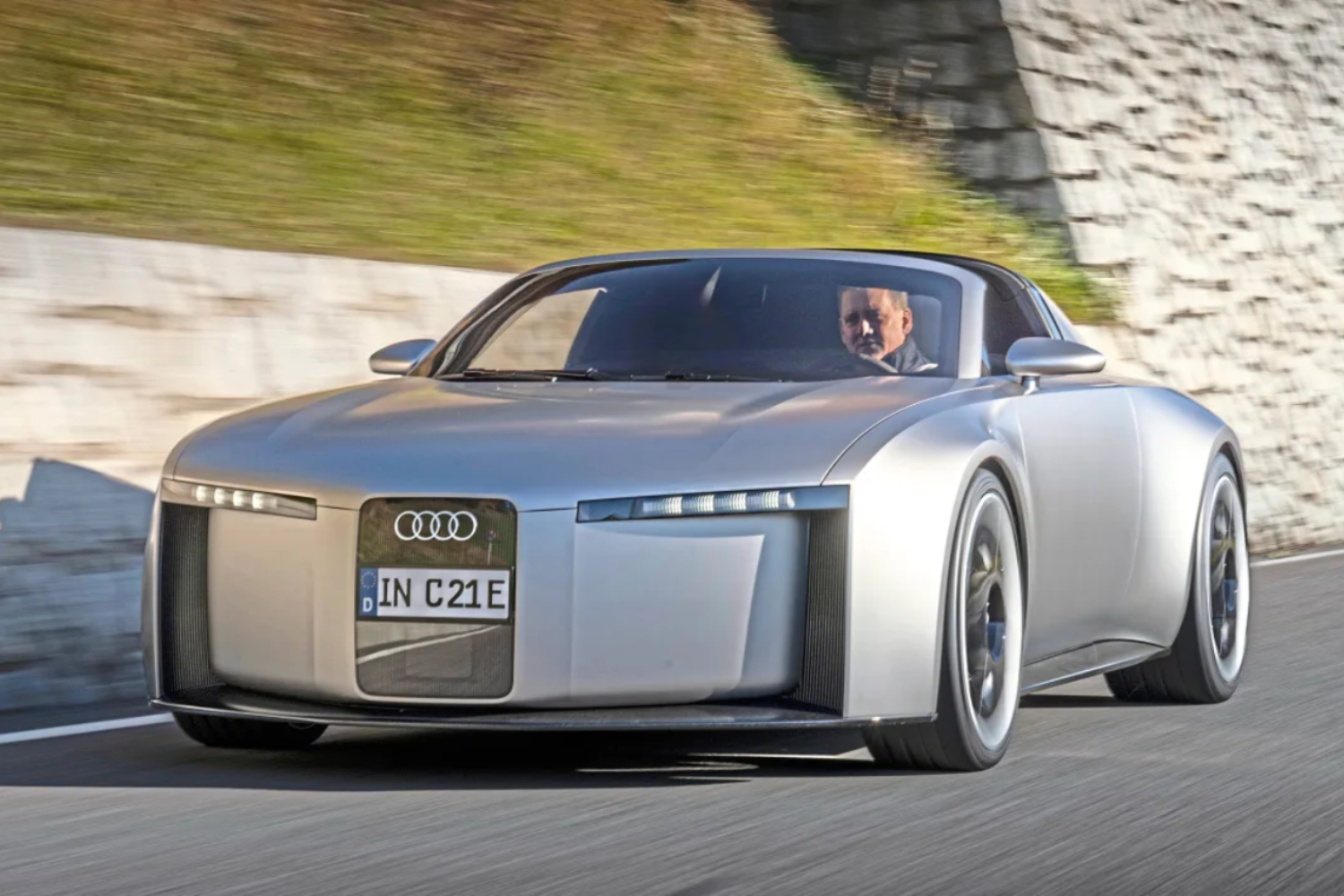
Audi once built cars that made people stop and stare. The original TT did exactly that in 1998. It looked different, felt different, and drove with character. Later came the R8, which proved Audi could stand toe to toe with the world’s best supercars.
However, both cars are gone. The TT bowed out in 2023. The R8 followed it into history. In their place sits a range of competent, polished, and safe models. They do the job well. Yet they rarely stir the heart.
As a result, Audi’s famous slogan, Vorsprung durch Technik, began to feel more like a memory than a promise.
The Concept C is Audi’s response.
A New Direction Under New Leadership
Change at Audi starts at the top. Accordingly, CEO Gernot Döllner has made it clear that the brand must regain clarity and confidence. As a result, the Concept C acts as a flag in the ground for this new era.
Rather than replacing the TT or the R8 directly, Audi has chosen a bolder route. The Concept C is positioned as a spiritual successor to both.
That decision matters because it sets expectations:
- Compact and accessible like the TT
- Focused and aspirational like the R8
- Fully electric and forward-looking
Audi is not chasing nostalgia. Instead, it is translating past values into a modern form.
Exterior Design: Clean Lines, Clear Intent
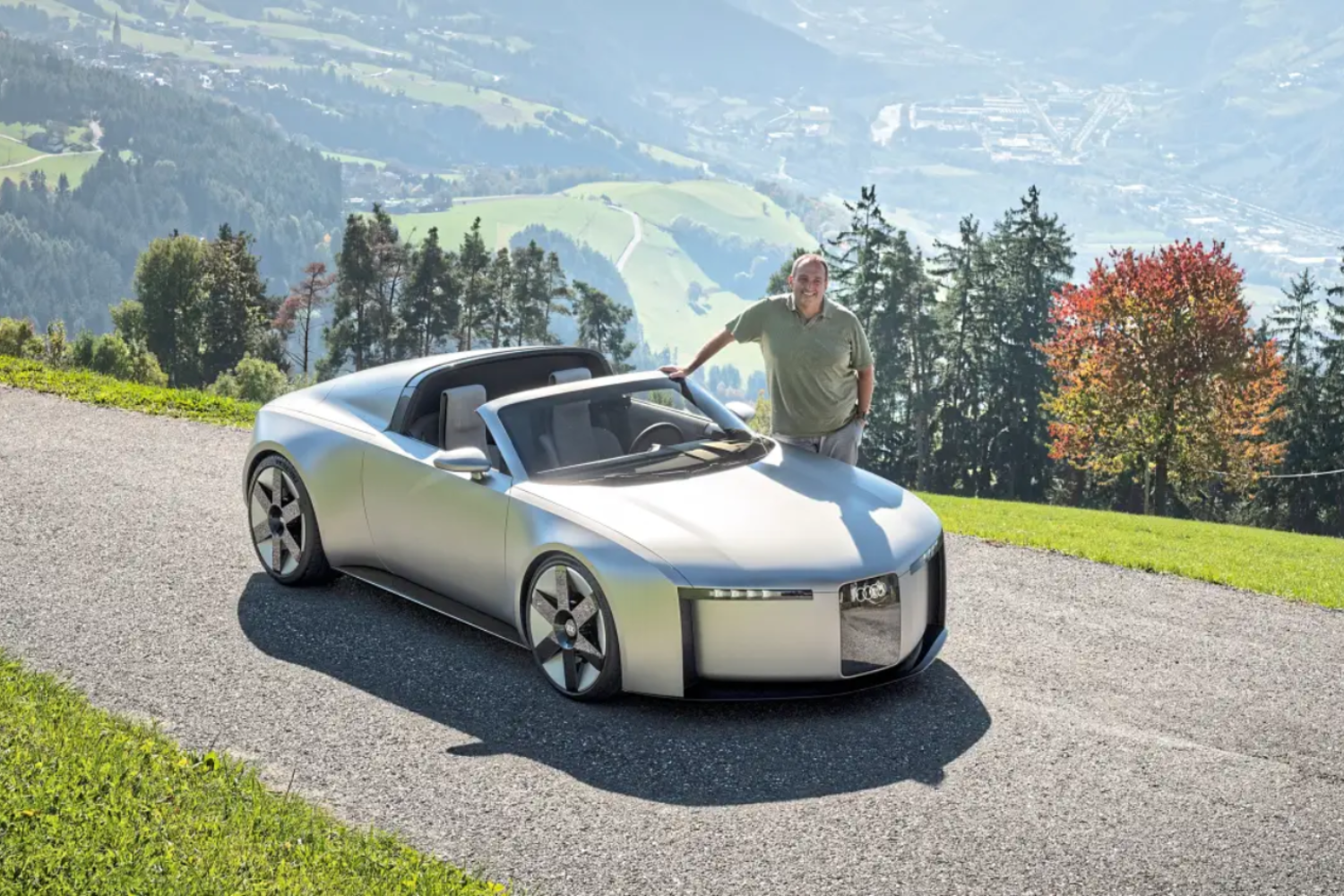
The Concept C introduces a fresh design language. It feels modern, yet respectful of Audi’s heritage. The shape is clean, uncluttered, and confident.
Massimo Frascella, Audi’s new design chief, makes his mark here. The car avoids unnecessary creases and sharp tricks. Instead, it relies on proportion and restraint.
Key exterior highlights include:
- Low, wide stance that hints at serious performance
- Smooth surfacing with minimal visual noise
- Short overhangs that emphasise agility
- Balanced proportions suited to a two-seat roadster
While the original TT leaned heavily on geometry, the Concept C feels more organic. It still looks purposeful, but softer around the edges.
The Vertical Frame: Audi’s New Face
One detail stands out immediately. The familiar Single Frame grille is gone. In its place sits a slim, upright badge known as the “Vertical Frame”.
This feature draws inspiration from pre-war racing cars, including the legendary Silver Arrows. It also marks a significant shift in Audi’s visual identity.
Audi plans to roll this design cue across its future range, including EVs and combustion models alike. As a result, the Concept C becomes a preview not only of a car, but of a brand-wide reset.
It is a bold move. Yet it works.
A Roadster That Feels Purpose-Built
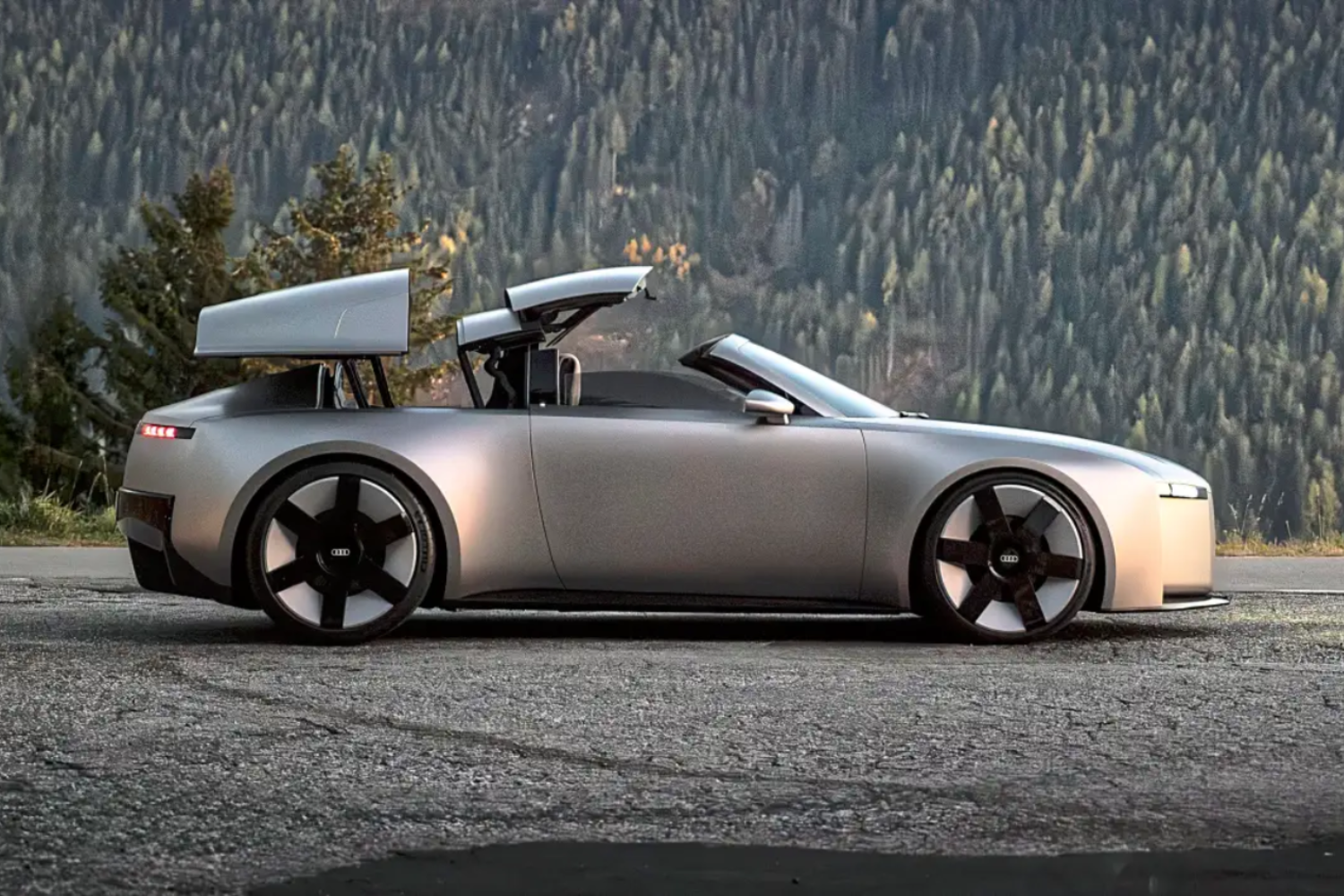
The Concept C uses a folding hard-top rather than a soft roof. This choice adds refinement without losing drama. With the roof down, the car feels open and engaging. With it up, it looks sleek and compact.
Dimensions tell a similar story:
- Length: 4,520mm
- Width: 1,970mm
- Height: 1,285mm
These figures place the Concept C firmly in sports car territory. It is compact enough to feel agile, yet wide enough to look planted.
Interior Design: Less Noise, More Focus

Inside, the Concept C takes a refreshing approach. Audi has stripped away clutter and visual overload. The result is an interior that feels calm, purposeful, and inviting.
This is not a rolling screen on wheels. Instead, it is a driver-focused space.
Key interior themes include:
- Minimal physical controls, each with solid feedback
- Hidden display screen that retracts into the dashboard
- Clean dashboard layout with strong horizontal lines
- High-quality materials chosen for feel, not flash
At the press of a button, the screen disappears. Press again, and the roof opens. The car encourages engagement with the road rather than distraction.
It feels like an interior designed by people who enjoy driving.
A Concept That Actually Drives
Many concept cars look good under spotlights yet fall apart on real roads. The Concept C is different. Audi has gone to the effort of making it road legal.
That matters because driving impressions shape expectations. The Concept C delivers a sense of connection that has been missing from recent Audis.
From the first few metres, it feels alert and responsive. There is no sense of weight fighting against you. Instead, the car flows with the road.
Performance: Electric, Yet Engaging
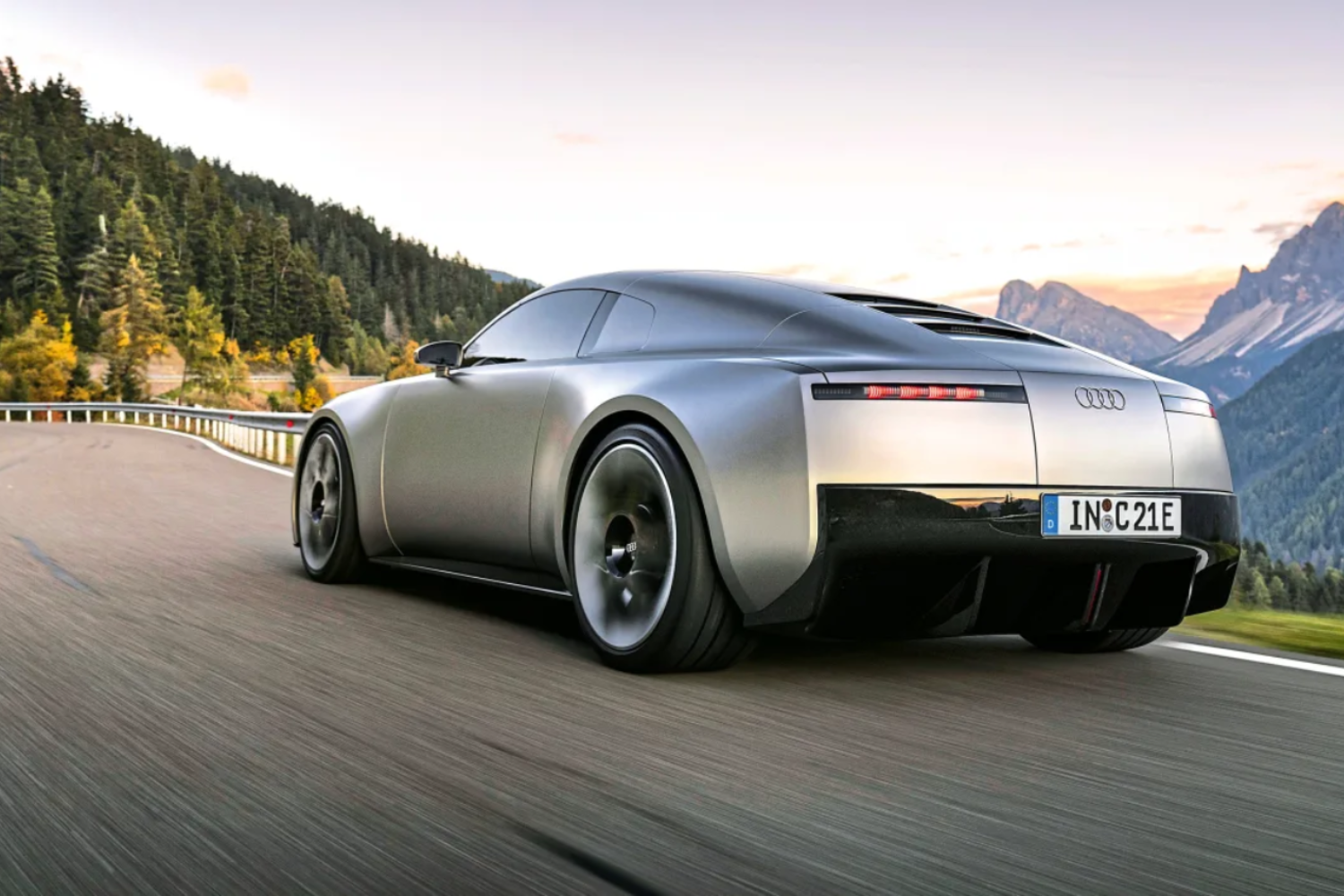
Audi remains discreet about exact performance figures. Still, several details paint a clear picture.
The Concept C features:
- Single electric motor
- Rear-wheel drive
- Single-speed transmission
This layout may surprise some Audi fans. There is no quattro system here. Yet the decision makes sense.
Rear-wheel drive reduces weight and sharpens responses. It also suits the character of a lightweight sports car.
The instant torque of the electric motor delivers strong acceleration. It feels urgent without being overwhelming. Power arrives smoothly, making the car easy to place and control.
If the final production car lands near the 500bhp mark, expectations would remain realistic rather than excessive.
Weight and Balance: A Smart EV Solution
One of the Concept C’s biggest achievements is weight control. At around 1,700kg, it is light by modern EV standards.
Audi achieves this partly through battery placement. Instead of placing the battery pack under the floor, engineers positioned it behind the seats. This layout mirrors a mid-engined sports car.
Benefits include:
- Lower centre of gravity
- Improved weight distribution
- More natural handling balance
As a result, the car turns in eagerly. It feels predictable and composed, even when pushed.
Steering and Handling: A Return to Form
The steering deserves special praise. It feels firm, direct, and consistent. There is no artificial lightness or vague filtering.
Audi has struggled with steering feel in recent years. The Concept C suggests lessons have been learned.
Through corners, the car feels nimble rather than nervous. Grip builds progressively. Body control remains tight without becoming harsh.
This balance makes the Concept C approachable as well as exciting.
Living With Electric Silence
Of course, the absence of engine noise changes the experience. For some, this remains a hurdle.
Electric sports cars offer different rewards:
- Instant response
- Smooth power delivery
- Reduced fatigue on longer drives
Still, emotional connection often comes from sound. Audi acknowledges this challenge, yet avoids gimmicks. Synthetic noise plays a limited role here.
Instead, the Concept C leans into calm and clarity. Wind, tyres, and the road itself become part of the experience.
Whether that will satisfy long-term remains open to debate.
Charging and Platform Links
Audi confirms an 800-volt electrical system. This allows rapid charging and consistent performance. It also aligns the Concept C with other premium EVs.
There is also a clear relationship with upcoming electric Porsche Boxster and Cayman models. Platform sharing makes sense, both technically and financially.
Importantly, Audi insists the Concept C retains its own character. Shared components do not mean shared personalities.
What the Concept C Means for Audi
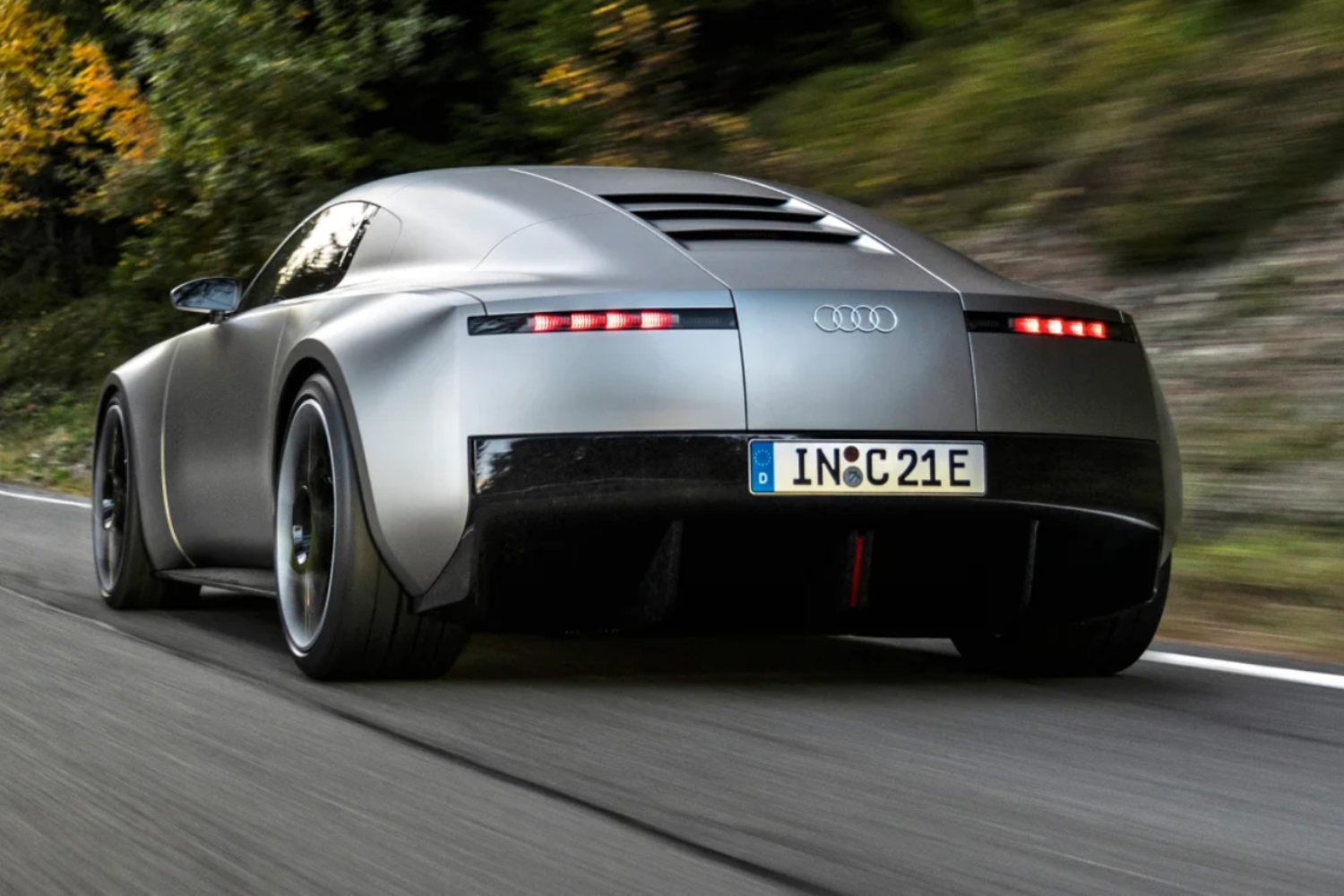
The Concept C does more than preview a new model. It reveals a shift in mind-set.
Audi appears ready to:
- Take design risks again
- Build driver-focused cars
- Balance technology with emotion
If the production version stays true to this concept, Audi could regain credibility among enthusiasts.
However, execution will be everything.
Conclusion: A Turning Point or a Tease?
The Audi Concept C feels honest. It does not shout. It does not try too hard. Instead, it suggests Audi has rediscovered confidence.
Still, concept cars often promise more than they deliver. The challenge lies in protecting this vision through to production.
Can Audi keep the weight low?
Will the design remain clean and focused?
Most importantly, will the driving experience stay central rather than secondary?
Most importantly, can an electric roadster truly fill the emotional space left by the TT and R8?
What do you think? Would you welcome an electric Audi sports car like the Concept C, or do you feel something essential may be lost along the way? Share your thoughts in the comments.



Read more on

Check out our YouTube channel here. Go on subscribe...
We have lots of great video content on our YouTube channel. Take a look and subscribe for lots of regular great content. We regularly feature car shows that we attend, concours awards ceremonies, awesome cars, car content, reviews and more. Do take a look and subscribe to our YouTube channel.
YouTube channel - click here.Related Stories
Advertisement Advertisement
 Advertisement
 Advertisement
 Advertisement