



Ferrari 849 Testarossa Revealed: How to Experience Power, Beauty, and Innovation
Ferrari has officially resurrected the Testarossa name with the new 849 Testarossa, replacing the SF90 Stradale at the top of the lineup. It blends heritage, cutting-edge hybrid technology and sharp design. If you love powerful performance wrapped in beauty, this super sports Berlinetta demands your attention.
What Is It?
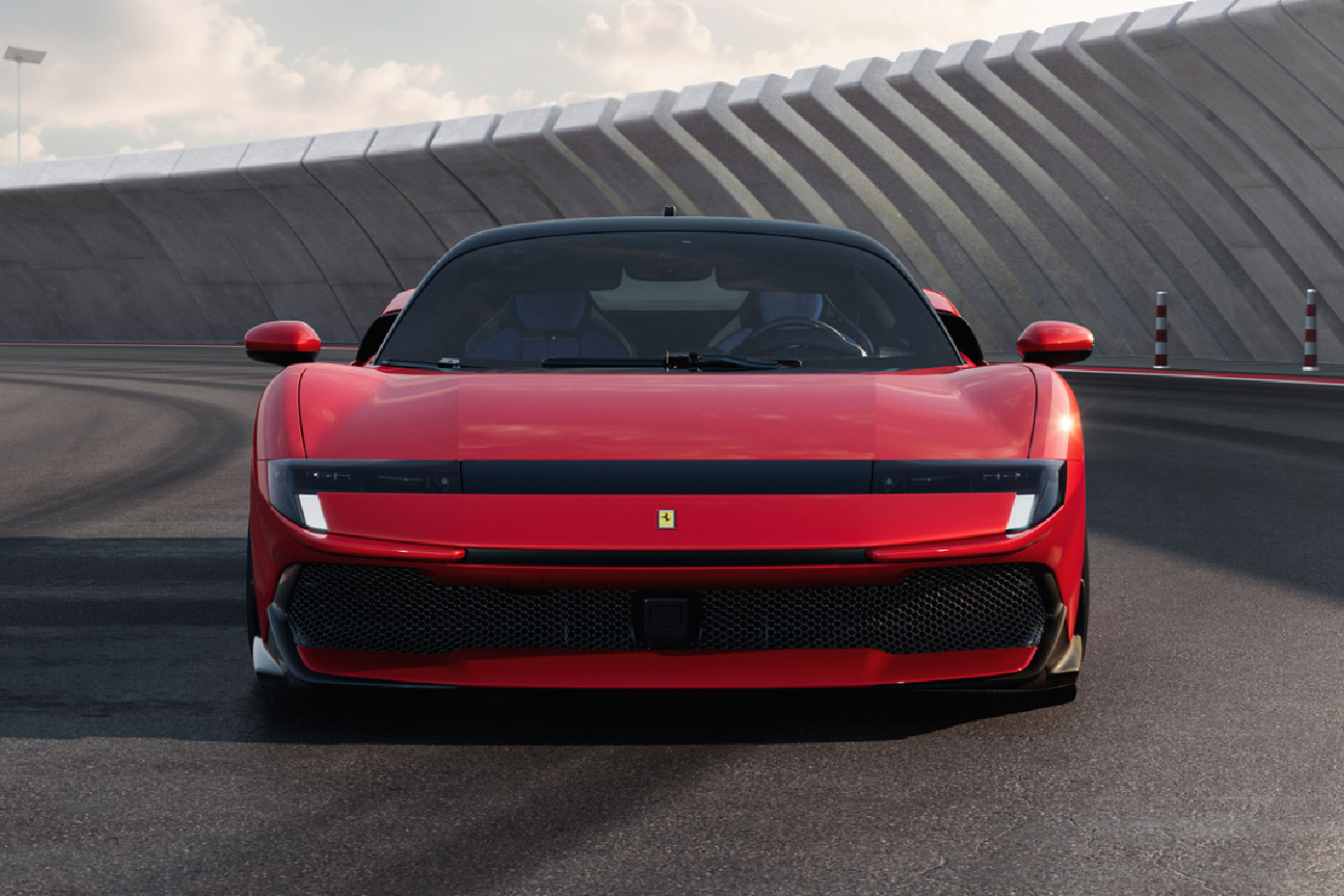
- Name origin: The “849” refers to its eight cylinders plus 490 cc per cylinder. The “Testarossa” name was first used by Ferrari back in 1956, and later became famous in the 1980s.
- Role: It succeeds the SF90 Stradale. It’s Ferrari’s new flagship, both in the world of performance and hybrid tech.
Powertrain & Performance
Hybrid Heart
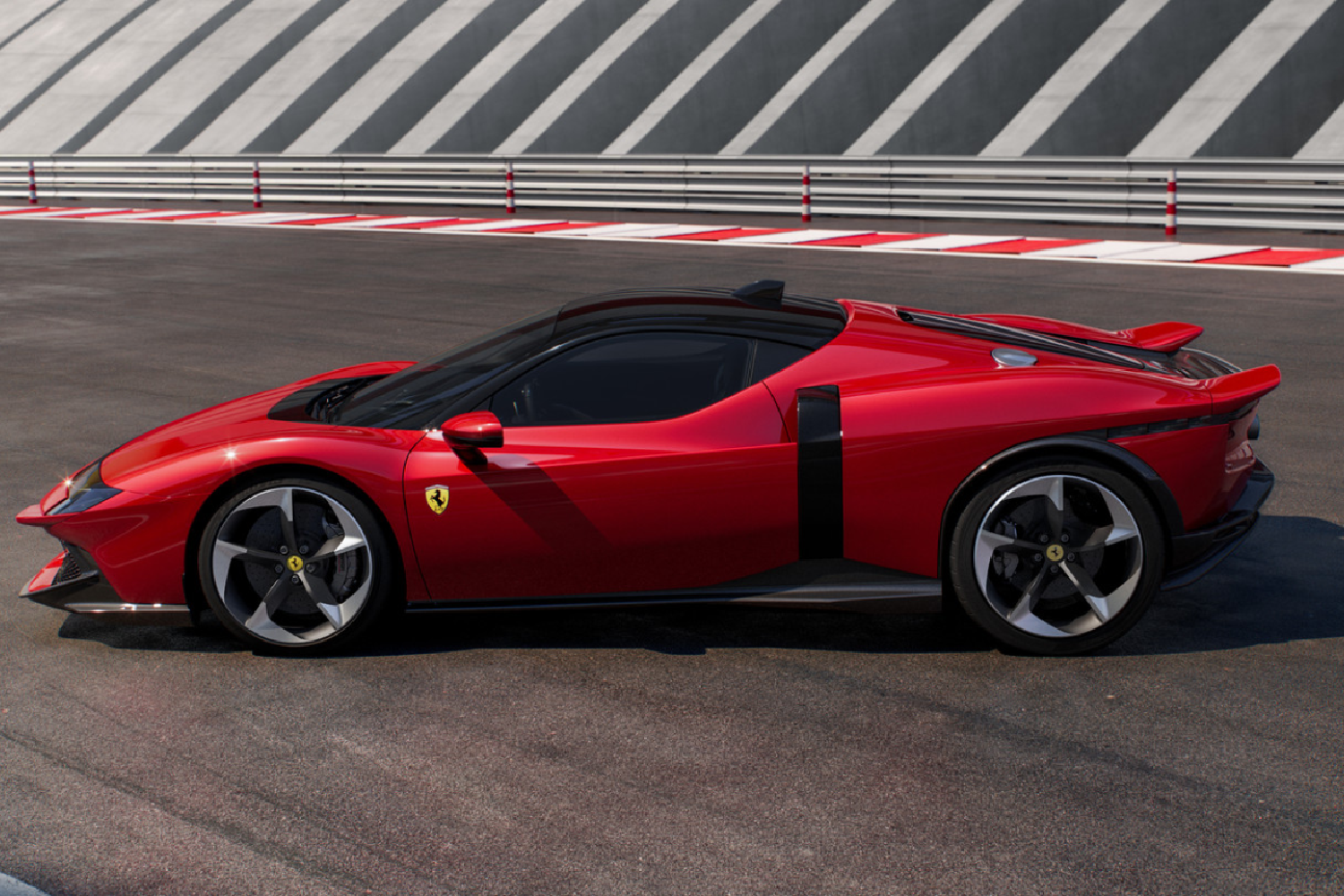
- Ferrari 849 Testarossa uses a plug-in hybrid system (PHEV).
- It pairs a twin-turbo 4.0-litre V8 (830 cv / horsepower units) with three electric motors.
- Two of those e-motors sit on the front axle. They form what Ferrari calls “RAC-e” (Regulator for electronic cornering set-up), contributing to torque vectoring and traction control.
- The third motor is aligned closer to the rear / V8 gearbox assembly.
- Power output: Combined, the system makes 1,050 cv (or about 1,036 bhp). The V8 alone contributes 830 cv.
Speed & Dynamics
- 0–100 km/h is achieved in under 2.3 seconds.
- Top speed goes beyond 330 km/h.
- On electric power only, the 849 Testarossa can manage up to 25 km with a full battery.
Design & Aerodynamics
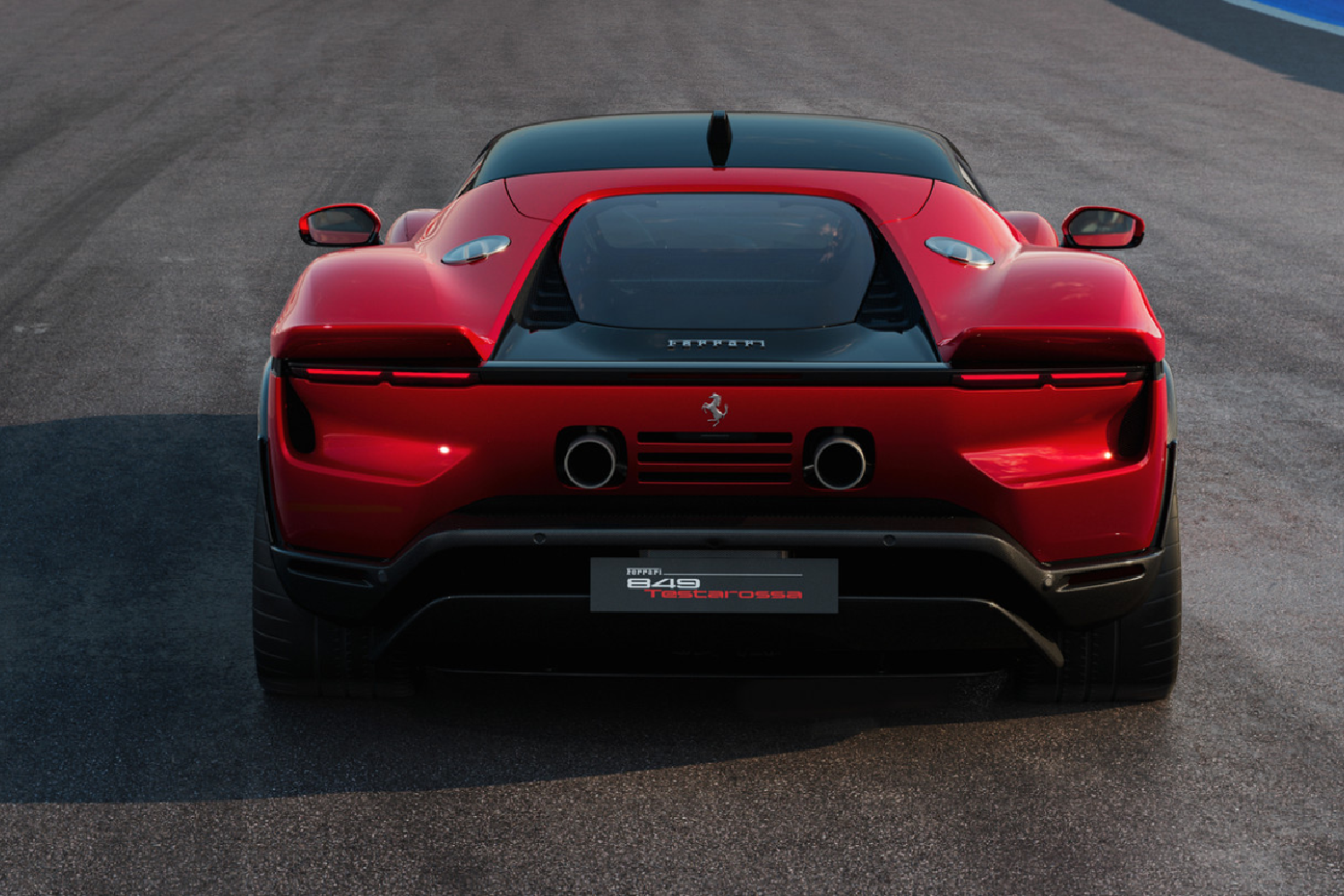
A Nod to History, With a Modern Twist
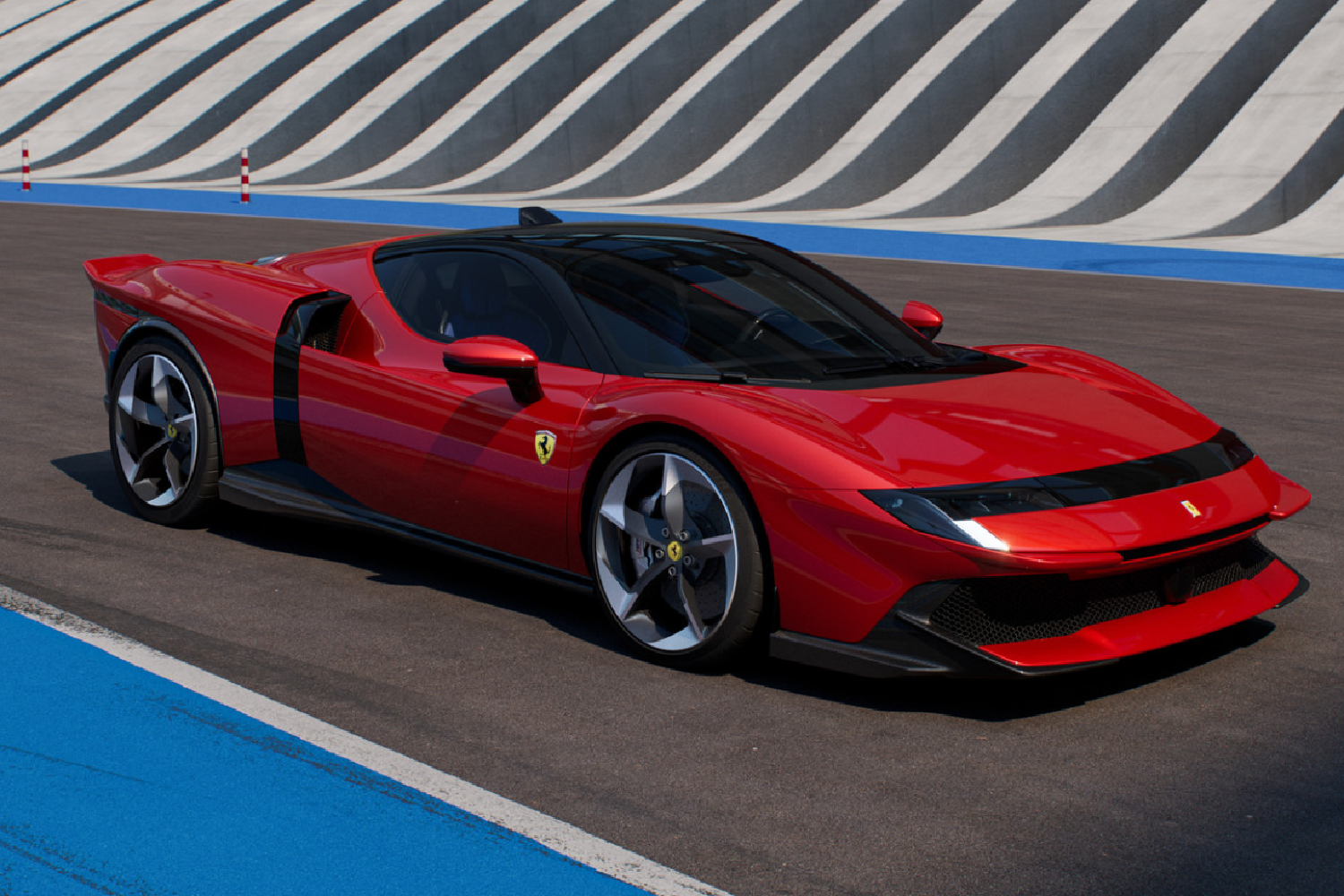
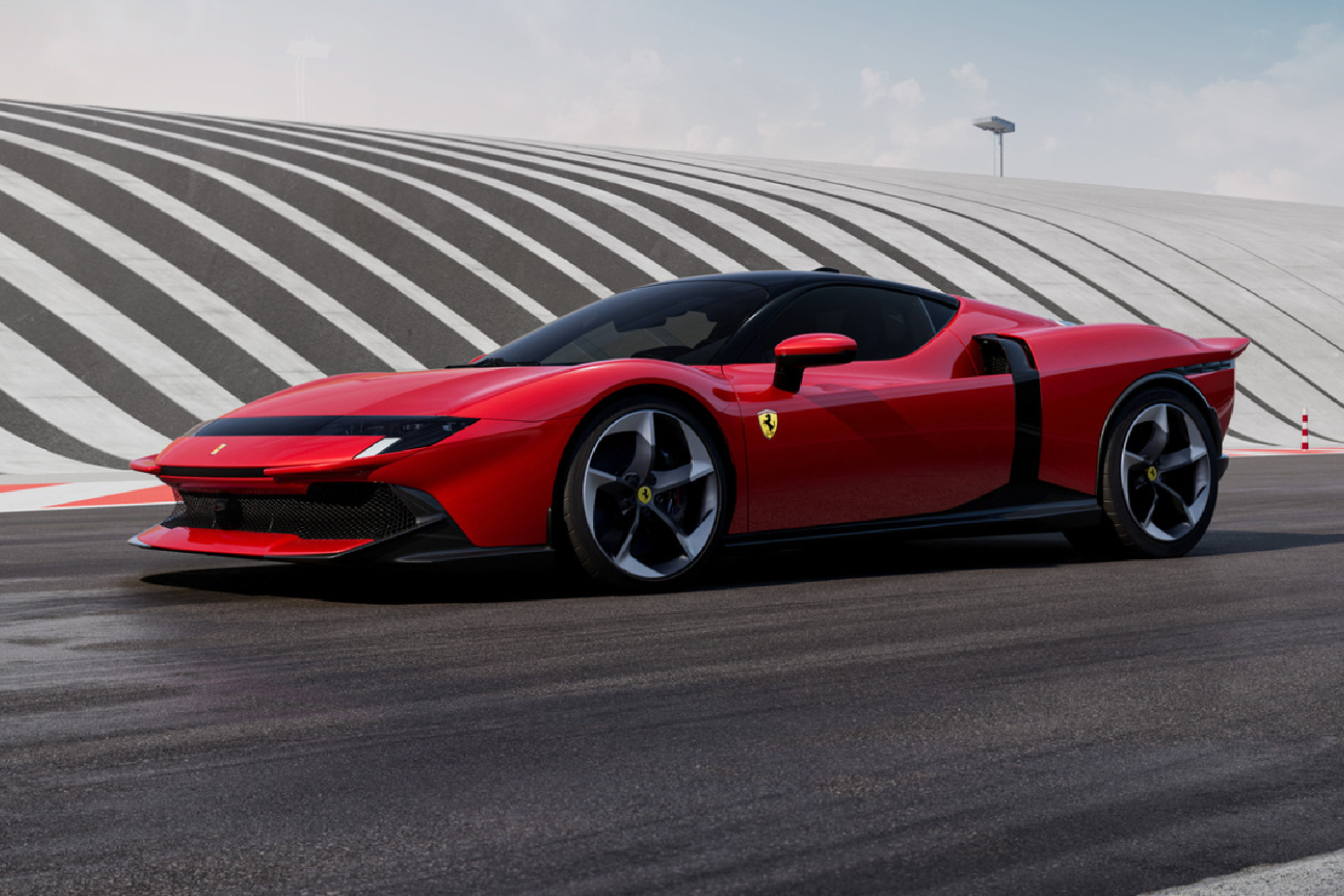
- The front draws influence from recent Ferrari models such as the 12 Cilindri and the upcoming F80.
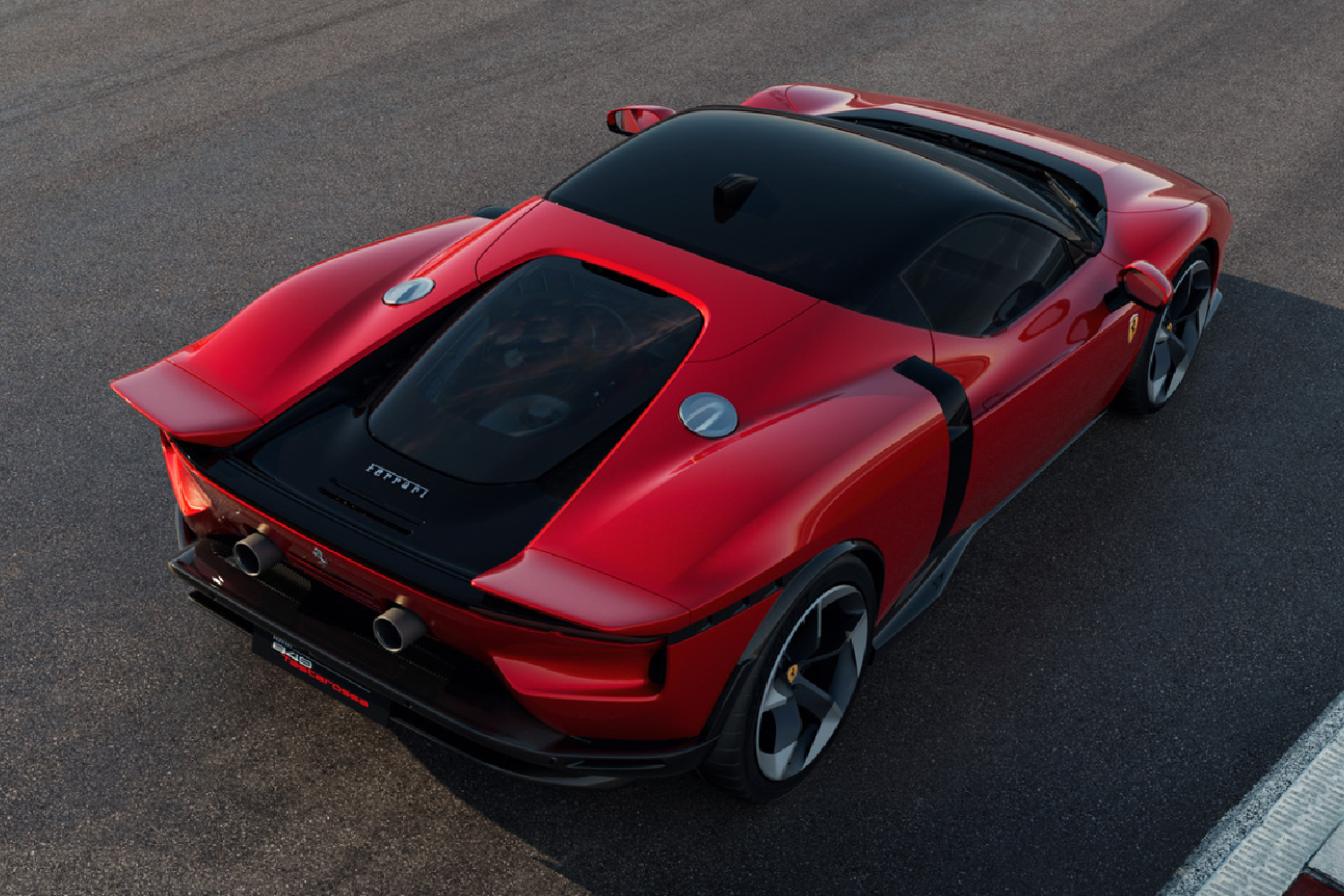
- The rear features a twin-tail design reminiscent of 1970s Ferrari sports prototypes, especially the 512 S.
Cooling & Downforce
- Cooling has been improved by about 15% over the SF90. Enlarged side intakes and better flow management help with this.
- Downforce is up too: roughly 25kg more than the SF90 at similar speed regimes. At 250 km/h Ferrari 849 Testarossa generates about 415kg of downforce.
Interior & Driver Experience
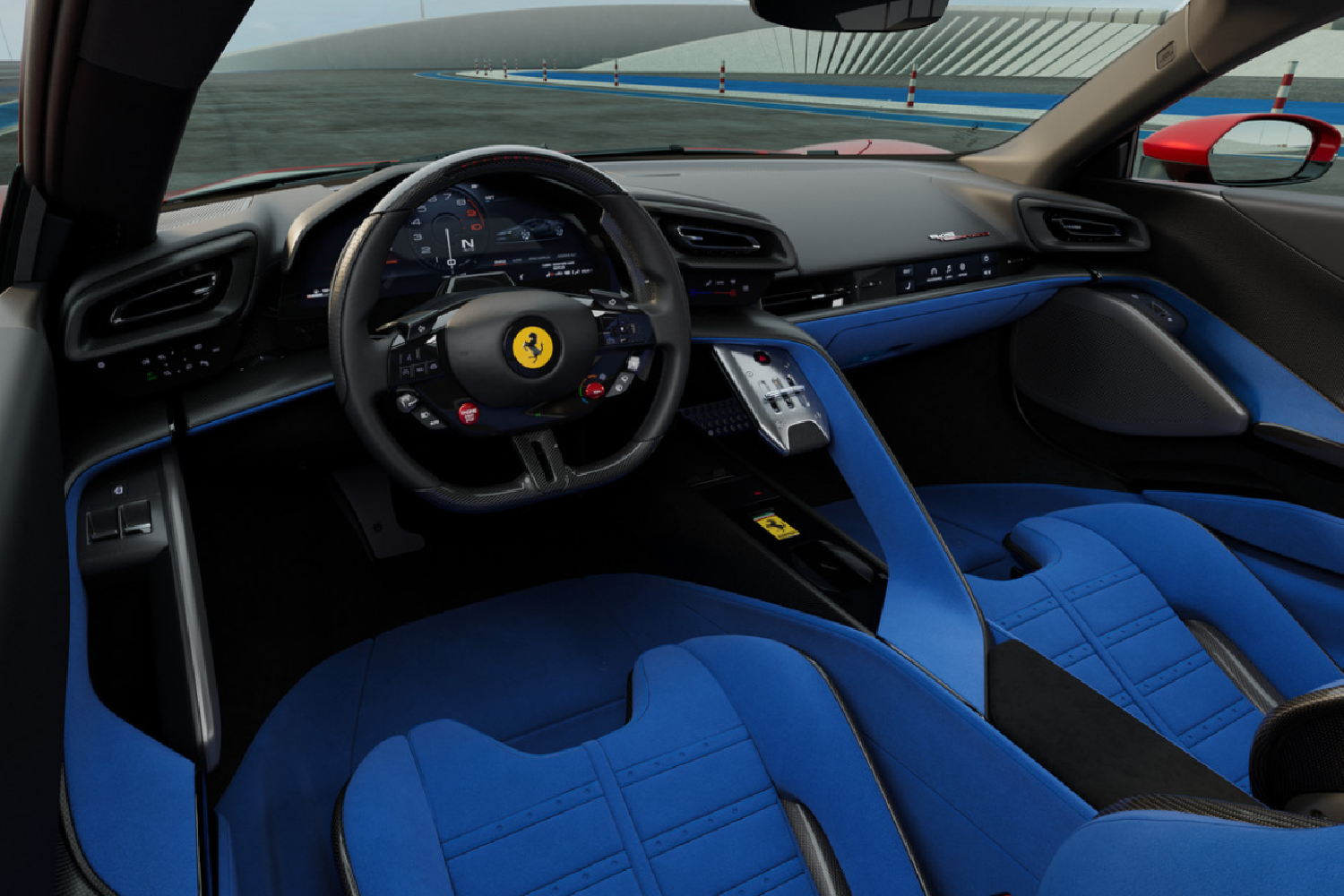
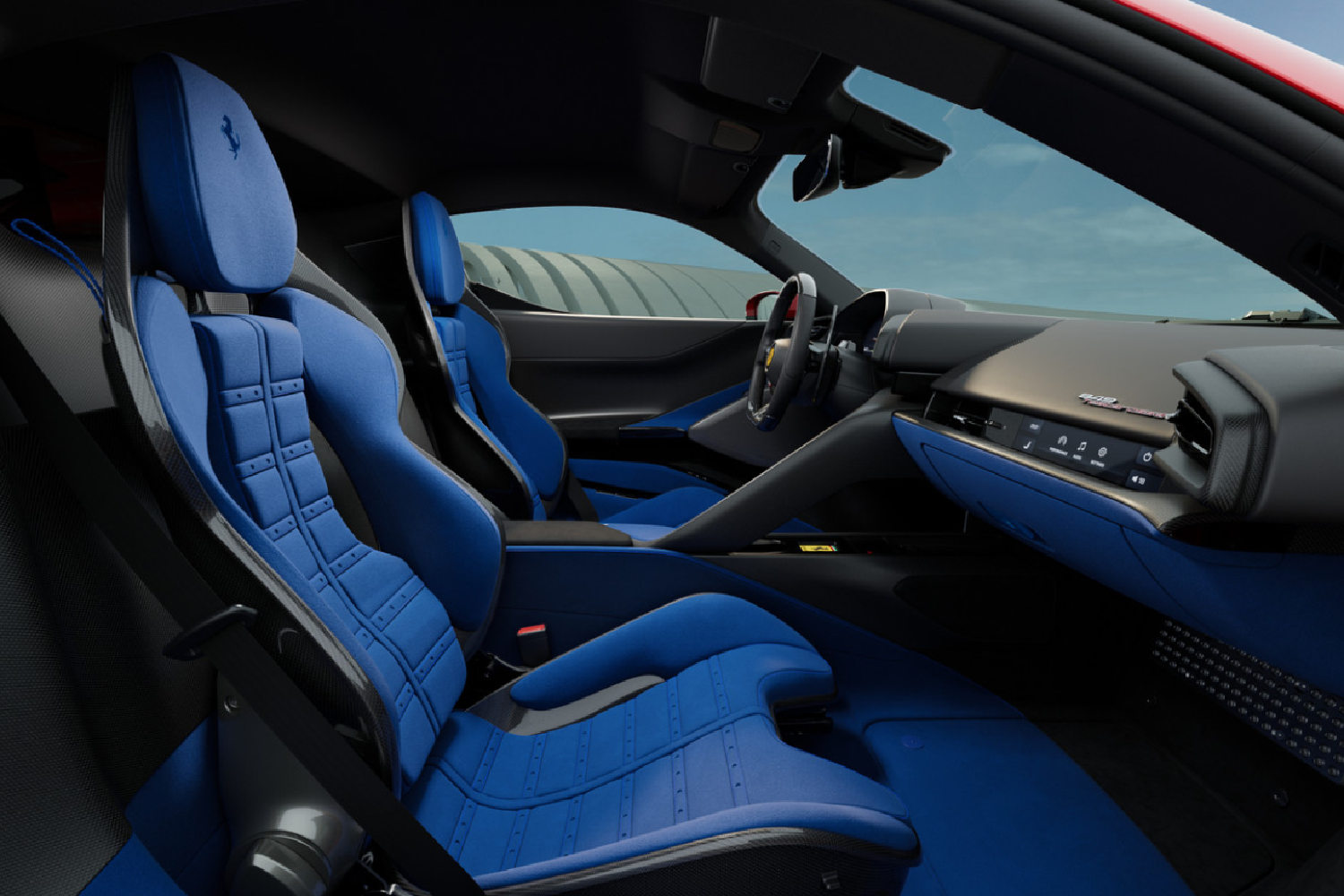
- Inside, Ferrari has introduced a central sail motif, inspired by the F80. It’s both a visual and functional element.
- The driver’s cockpit benefits from improvements in sound: new gear-shift strategy (inherited and refined from the SF90 XX Stradale) gives more exciting upshifts under pressure.
- Available seating options include comfort seats for grand touring and carbon-fibre racing seats for track-focused driving.
Chassis & Technology
- Underneath, it retains much of the aluminium architecture of the SF90. But elements have been revised: springs, dampers, suspension tuning all updated to match the higher performance.
- Braking also sees upgrades. Ferrari has introduced an ABS Evo system to support more consistent braking even under demanding conditions.
- A new system called FIVE (Ferrari Integrated Vehicle Estimator) is at the heart of dynamics control. It is a “digital twin” that models the car’s behaviour in real time to improve response of traction, stability, braking and driver controls.
Versions & Price
- There are two body styles: the coupe and the Spider (retractable-top).
- Prices in Europe start at €460,000 (£399,170) for the coupe and about €500,000 (£433,880) for the Spider. UK pricing will vary depending on import costs, taxes, options etc.
- First deliveries will begin in Europe in the second / third quarter of 2026.
What Makes It Stand Out
Here are some features that elevate the 849 Testarossa beyond being “just another supercar”:
- It balances heritage and modernity. Ferrari has clearly tried to respect its design history without becoming a retro pastiche.
- The hybrid system isn’t bandaged on: performance, sound and handling seem fully integrated.
- Driver control gets emphasised: improved braking tech, real-time dynamics, and more grip/downforce adjustments.
- Customisation options, especially the Assetto Fiorano package, offer serious performance tweaks.
Things to Know (Possible Limitations)
- While electric range is helpful, it is modest (≈ 25 km) – more useful for urban creep than long silent journeys.
- Complexity: hybrid systems, active aerodynamic elements, big turbos = more things that might need attention / maintenance.
- Price and running costs will be steep: insurance, maintenance, fuel (especially when using the V8 full-power mode) will not be cheap.
Comparison: SF90 Stradale vs 849 Testarossa
| Feature | SF90 Stradale | 849 Testarossa |
| Combined power | Approx. 986 hp (SF90) | ~1,050 cv / 1,036 hp |
| 0-100 km/h | ~2.5 seconds | under 2.3 seconds |
| Top Speed | Very high (SF90 ~340 km/h spec in some tests) | over 330 km/h |
| Design changes | Already bold, futuristic | More retro-touches + improved aerodynamics & cooling |
Conclusion
Ferrari 849 Testarossa is more than just a revival of a famous name. It aims to deliver more power, more dynamics, and design cues that nod to Ferrari’s storied past – with modern tech and hybrid efficiency.
What do you think?
- Would the styling satisfy your ideas of what a Testarossa should be?
- If you had the money, would you go for the Spider or the coupe?
- Which features matter most to you in a car like this: raw speed, handling, sound, electric-mode usability or something else entirely?
I’d love to hear your take in the comments.



Read more on

Own a rare or interesting car? We'd love to hear about it.
Do you have a rare or interesting classic car, supercar or hypercar? If so, we'd like to feature your car in our "car in the spotlight" feature, where we will delve into the car history, your ownership, cost of running, any grand trips you've been on and more.
Show your car in our "car in the spotlight" featureRelated Stories
Advertisement Advertisement
 Advertisement
 Advertisement
 Advertisement
