


Fascinating Facts About The Rolls-Royce Phantom VI You Need To Know
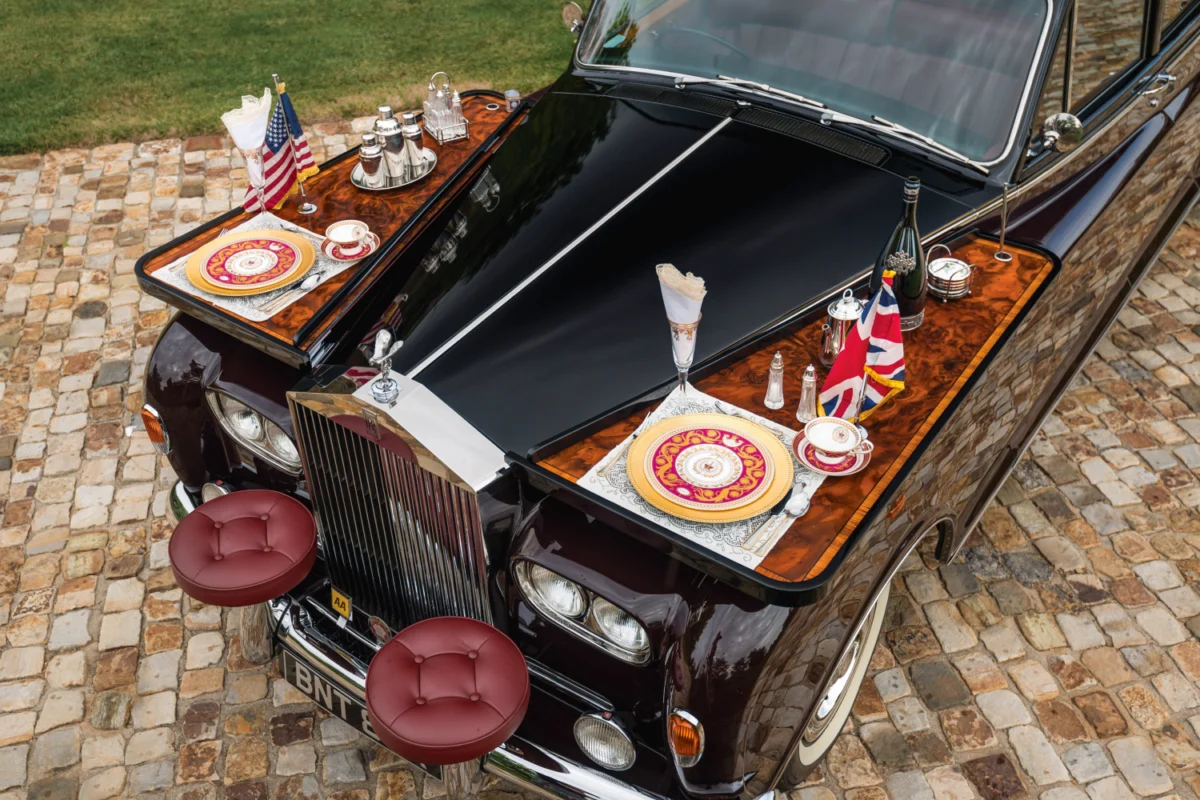
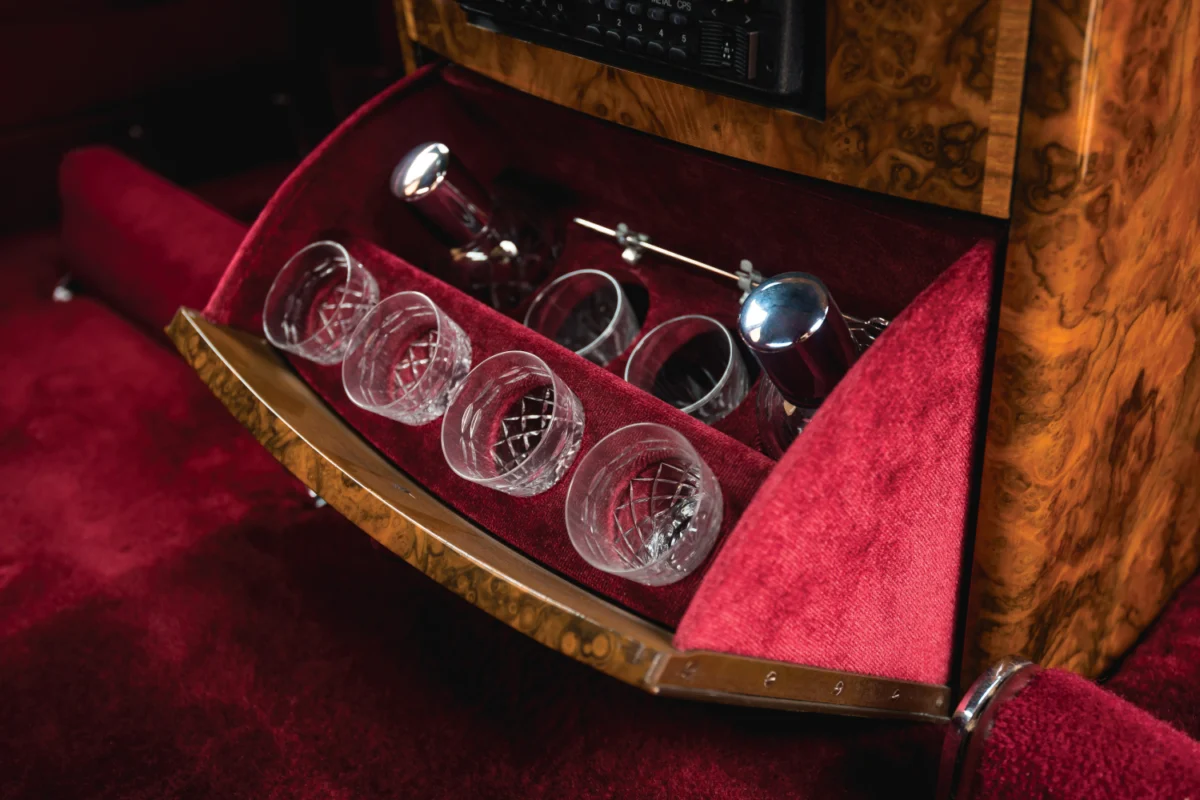
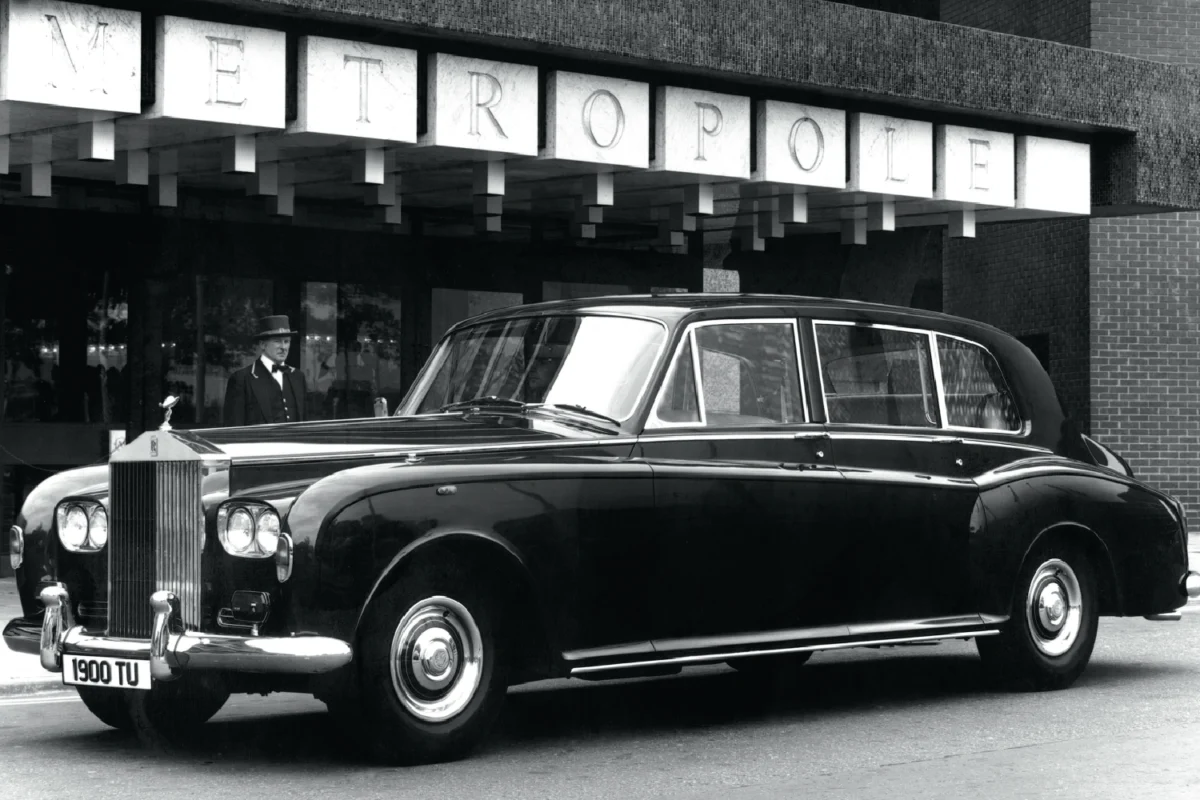
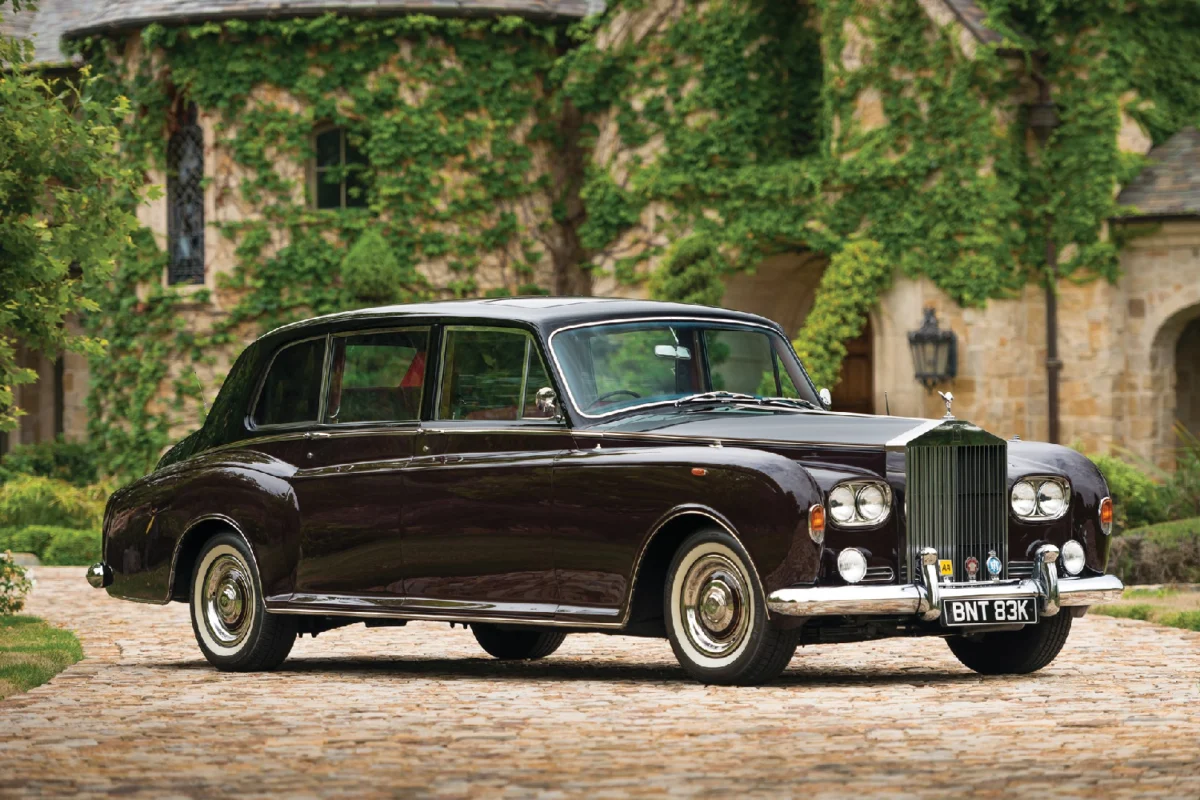
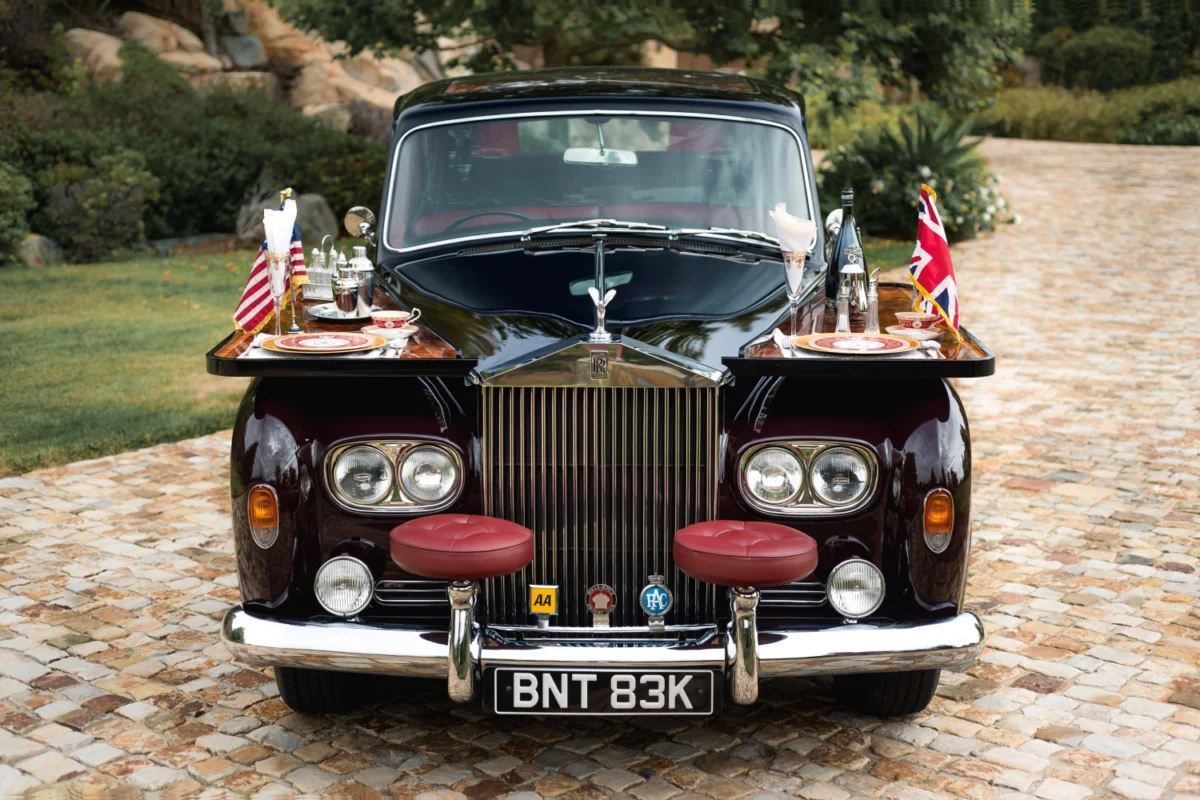
The Rolls-Royce Phantom VI, introduced in 1968 and produced until 1993, holds a unique place in the history of the iconic British marque. As the last model built with traditional coachwork, it marked the end of an era – one that stretched back to 1904, when Rolls-Royce first began constructing rolling chassis for independent coachbuilders. While Rolls-Royce evolved into creating its own bodies in the following decades, the Phantom VI would be the last of its kind before the move toward fully integrated, monocoque designs.
The Evolution of the Phantom VI
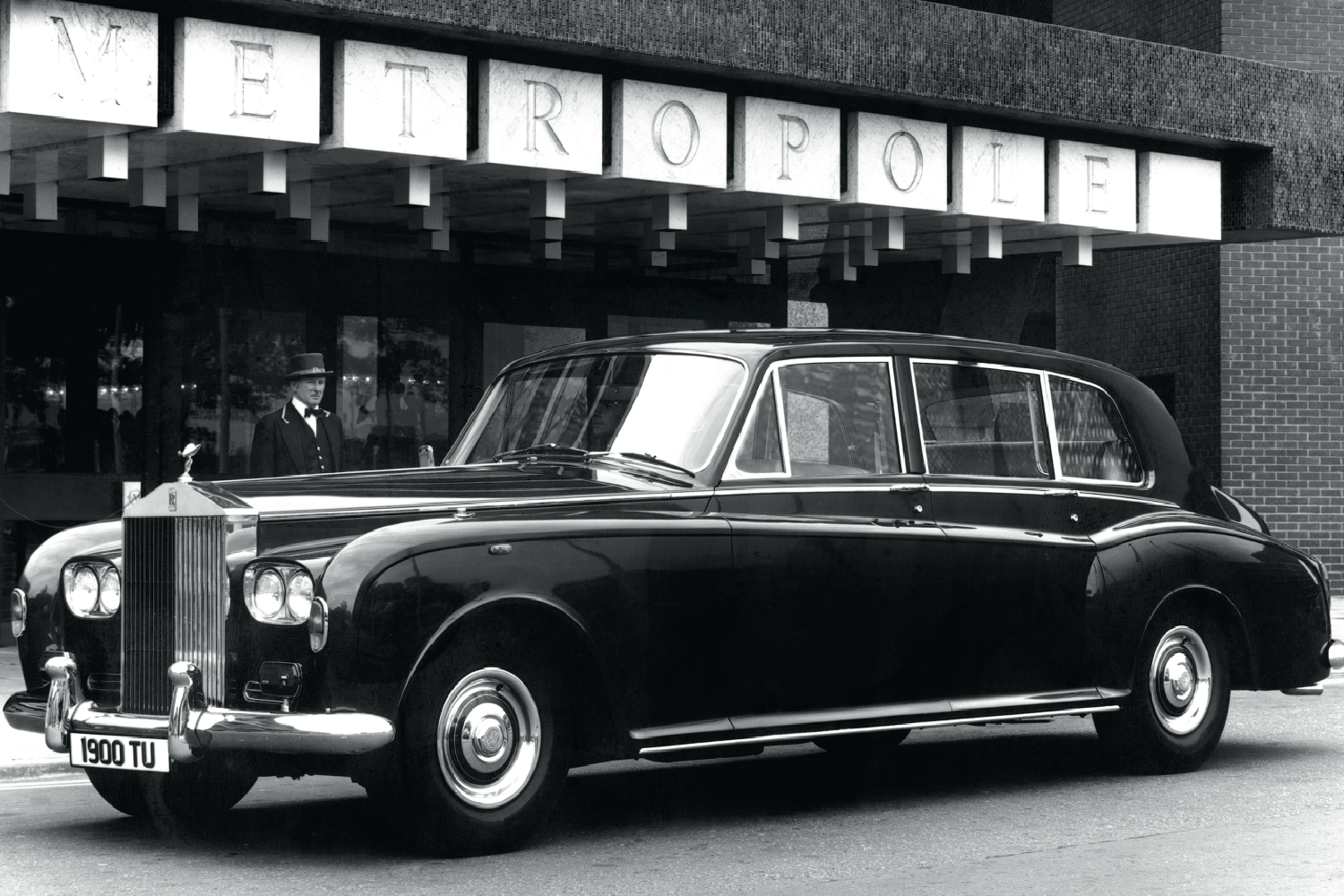
By the 1980s, the Phantom VI had reached its full potential as a sophisticated and luxurious vehicle. It was based on the Phantom V, a model that had already set high standards in engineering and design. Rolls-Royce built on the lessons from its predecessor and enhanced the car, delivering even greater comfort, refinement, and power. This period marked the marque’s peak, showcasing its engineering brilliance in every detail.
The Phantom VI was built upon the classic, refined lines of the Silver Cloud, but with numerous upgrades, including a 6.75-litre V8 engine that provided impressive performance. The three-speed automatic transmission replaced the original four-speed gearbox, while high-pressure hydraulic brakes and a redesigned cooling system allowed for improved handling and efficiency. These upgrades ensured that the Phantom VI remained competitive in an era of rapidly changing automotive technology.
A Symbol of Royalty
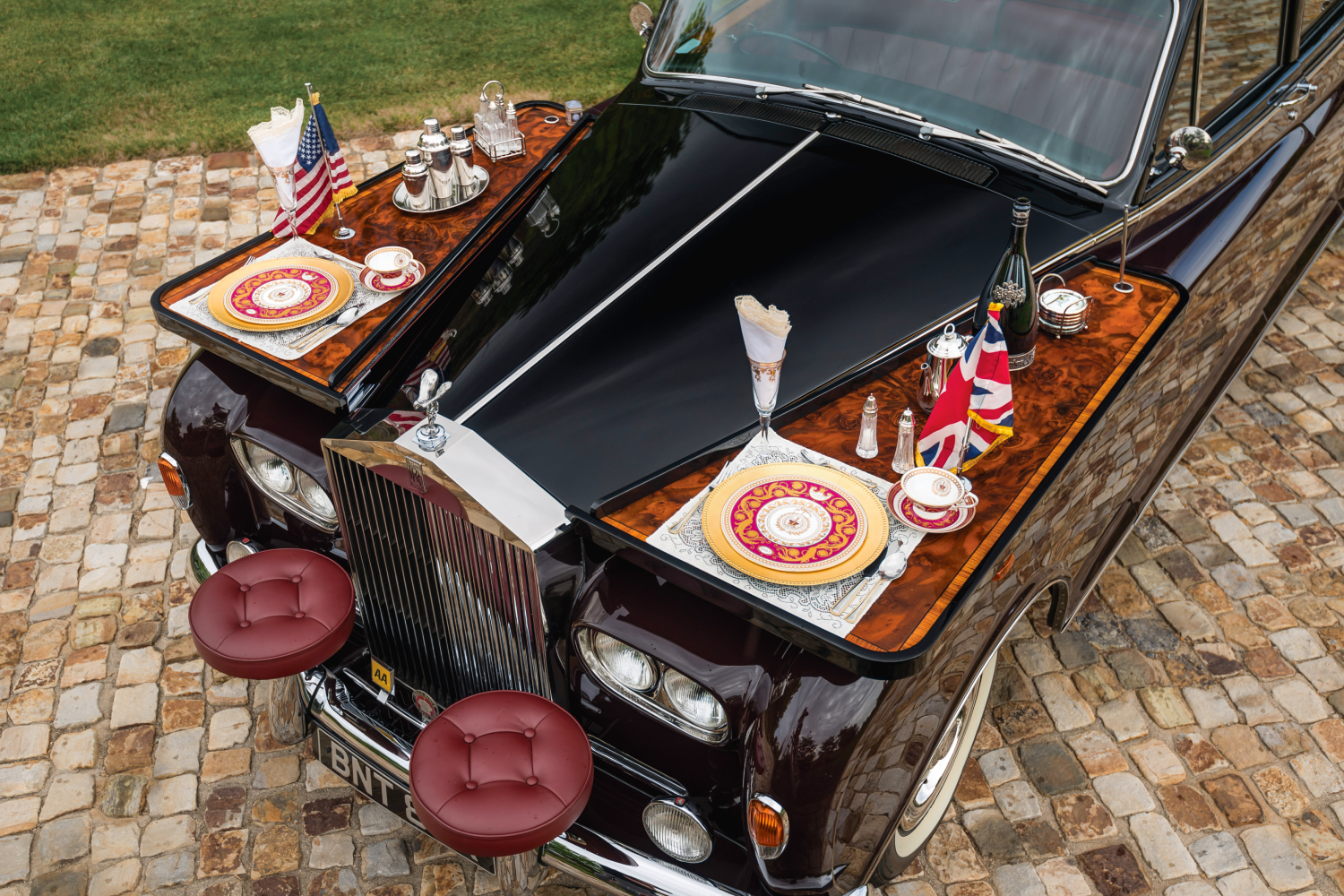
The 1980s saw the Rolls-Royce Phantom VI become an even more prominent fixture in the royal and political spheres. Several models from this period were commissioned for the British Royal Family, with the two most notable examples being the cars commissioned by HM Queen Elizabeth II and HM Queen Elizabeth The Queen Mother. The bespoke nature of the Phantom VI was evident in the varying levels of customization offered, ensuring that each vehicle met the precise requirements of its owner.
Perhaps the most famous of these bespoke models was ‘Oil Barrel,’ a Phantom VI delivered to HM Queen Elizabeth II in 1987. The car featured a raised roofline to accommodate the Queen’s stature and a Perspex rear cupola that allowed for added privacy. Meanwhile, ‘Lady Norfolk,’ delivered in the same year, was a more traditional model, serving as a standard limousine for the royal fleet.
The End of an Era
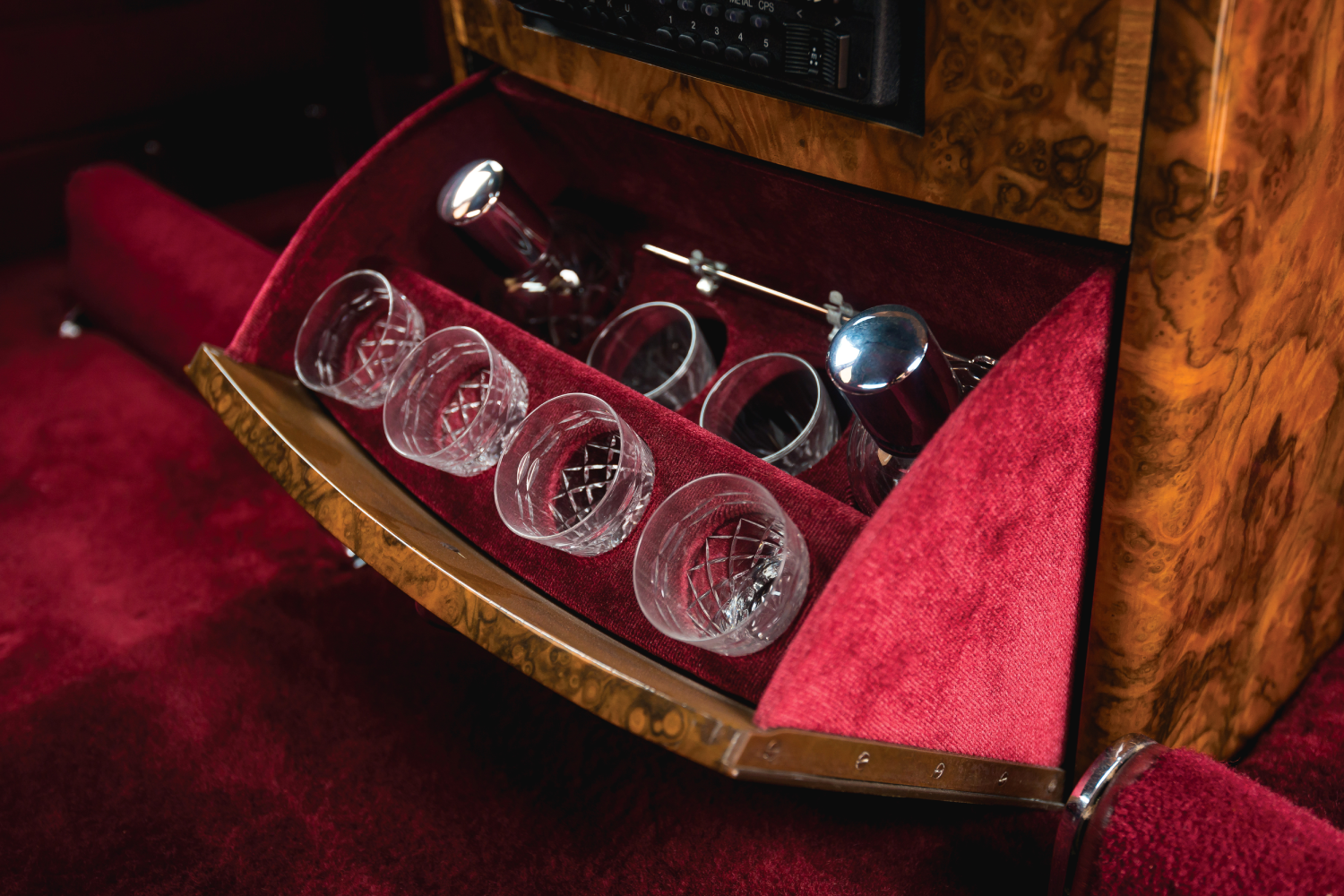
The 1980s marked the beginning of the end for the traditional coachbuilding process, and the Phantom VI epitomized the last great example of this craft. As demand for custom-built luxury cars waned, Rolls-Royce faced increasing difficulties in sourcing the materials and components needed to maintain production. In addition, the increasing costs of maintaining such a specialised production line meant that the era of coachbuilding at Rolls-Royce was drawing to a close.
By 1991, Rolls-Royce officially discontinued Phantom VI production. In May of that year, they delivered the last unit, a Landaulette in black over red. This car, with its opulent red leather interior and intricate design, represented the pinnacle of Rolls-Royce craftsmanship before the shift to modern manufacturing methods.
The Legacy of the Phantom VI
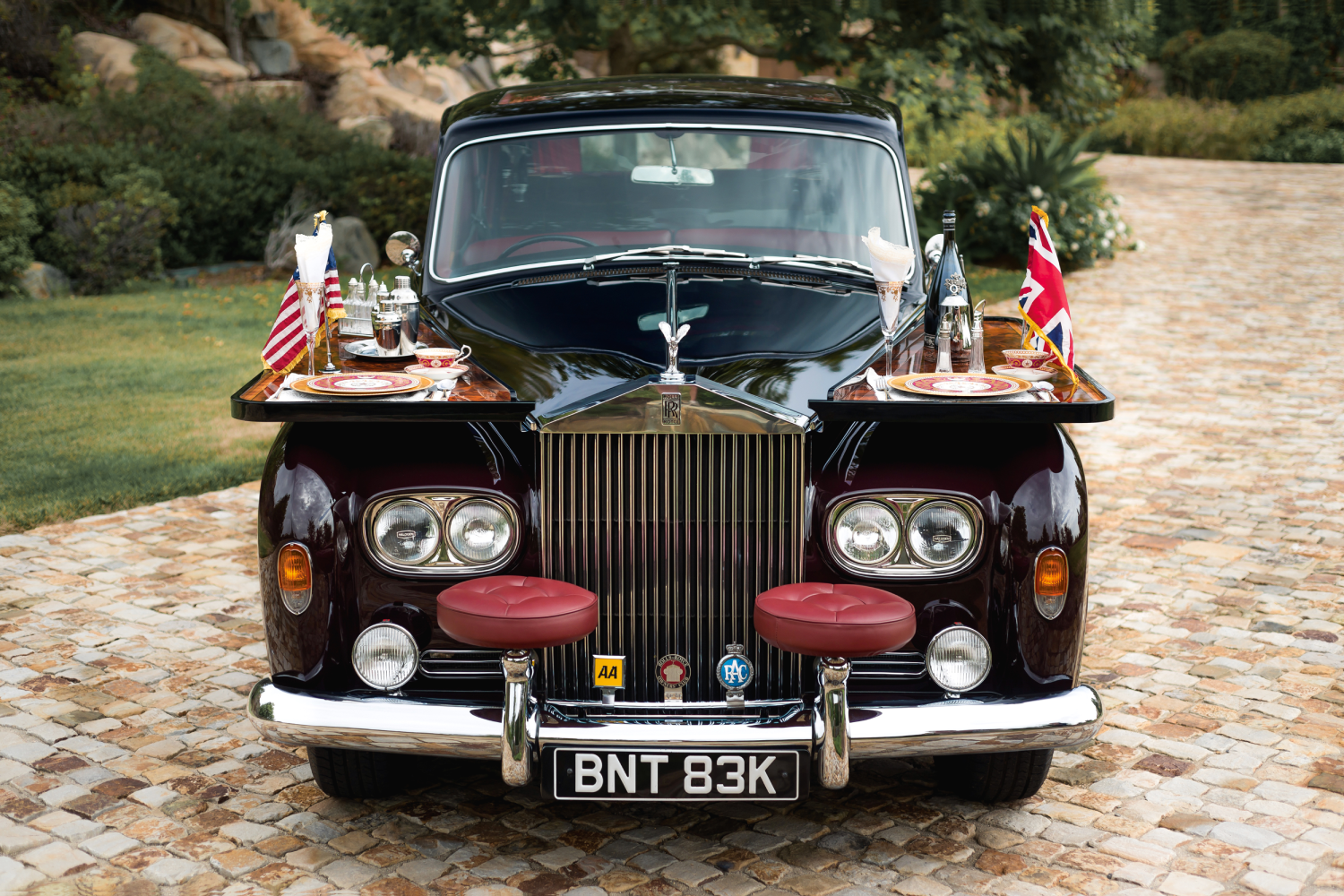
The last Phantom VI left production in the early 1990s, but its legacy remains a cornerstone of Rolls-Royce’s history. Its construction quality, elegant design, and bespoke features set it apart from all other vehicles of its era. The model’s lasting influence can be seen in the later evolution of Rolls-Royce, especially as the company entered the modern era of car production under BMW ownership.
In the 21st century, Rolls-Royce returned to its roots, introducing bespoke coachbuilding with the launch of ‘Sweptail’ in 2017. This marked a revival of the traditional craft, now executed with cutting-edge technology and unmatched luxury. Yet, despite the advances in design and production, the spirit of the Phantom VI lives on in these new creations.
Phantom VI and the Craft of Coachbuilding
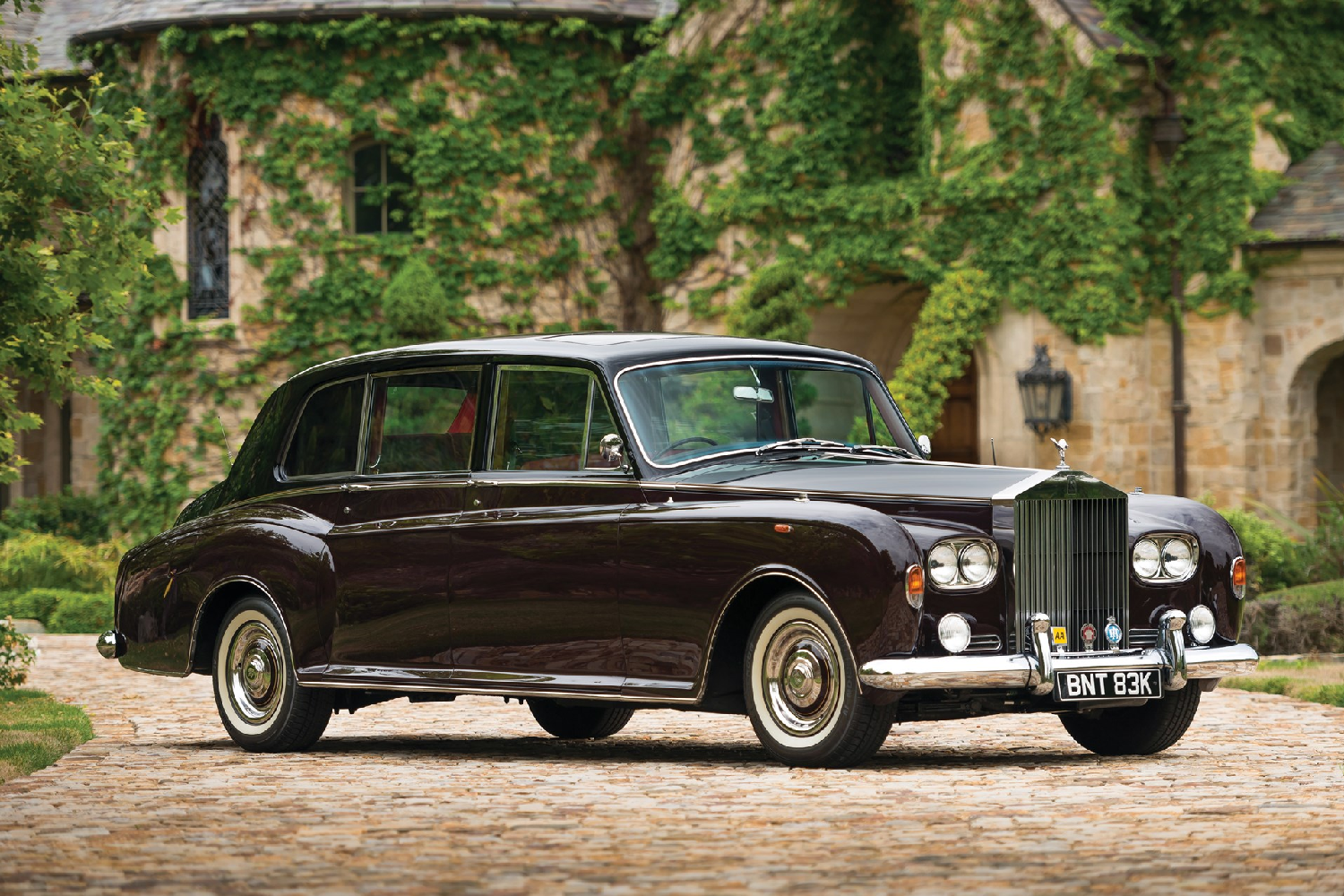
The coachbuilding era that Phantom VI closed was a golden age of craftsmanship. The level of detail and quality offered by Rolls-Royce in the 1980s was unparalleled. A great example of this detail is the ‘Special Limousines,’ a unique series of armoured cars made for select clients. These cars featured additional glass and enhanced security features, making them one of the most exclusive vehicles ever made.
Among these, the ‘Alpha’ series stood out with bulletproof glass and bomb-proof rear compartments, making them exceptionally rare. Although not as widely known as the royal cars, these bespoke models showcased the brand’s commitment to providing personalised, extraordinary vehicles to its most discerning customers.
Conclusion: The Phantom VI – A Remarkable Legacy
The Rolls-Royce Phantom VI marks the end of traditional coachbuilding, securing its place in the brand’s distinguished history. With only 374 cars built over a 23-year production run, the Phantom VI is a rare and remarkable vehicle. Its legacy continues to inspire modern Rolls-Royce creations, with contemporary models such as the ‘Sweptail’ and ‘Boat Tail’ paying homage to the craftsmanship and elegance that defined the Phantom VI.
For collectors and car enthusiasts alike, the Phantom VI remains a symbol of British luxury and engineering excellence. Its bespoke features and timeless design showcase Rolls-Royce’s commitment to crafting the world’s finest automobiles.
What do you think about the end of the traditional coachbuilding era? Do you believe the resurgence of bespoke Rolls-Royce cars captures the essence of the original craftsmanship? Let us know in the comments.



Read more on

We're on X (Twitter). Follow us for news, reviews, galleries, competitions and more...
Mycarheaven are on social media channel X (Twitter). Follow us for news, reviews, galleries, competitions and more...
Check us out here.Related Stories
Advertisement Advertisement
 Advertisement
 Advertisement
 Advertisement