


Reasons the Hennessey Blackbird Could Be the Ultimate Driver’s Hypercar
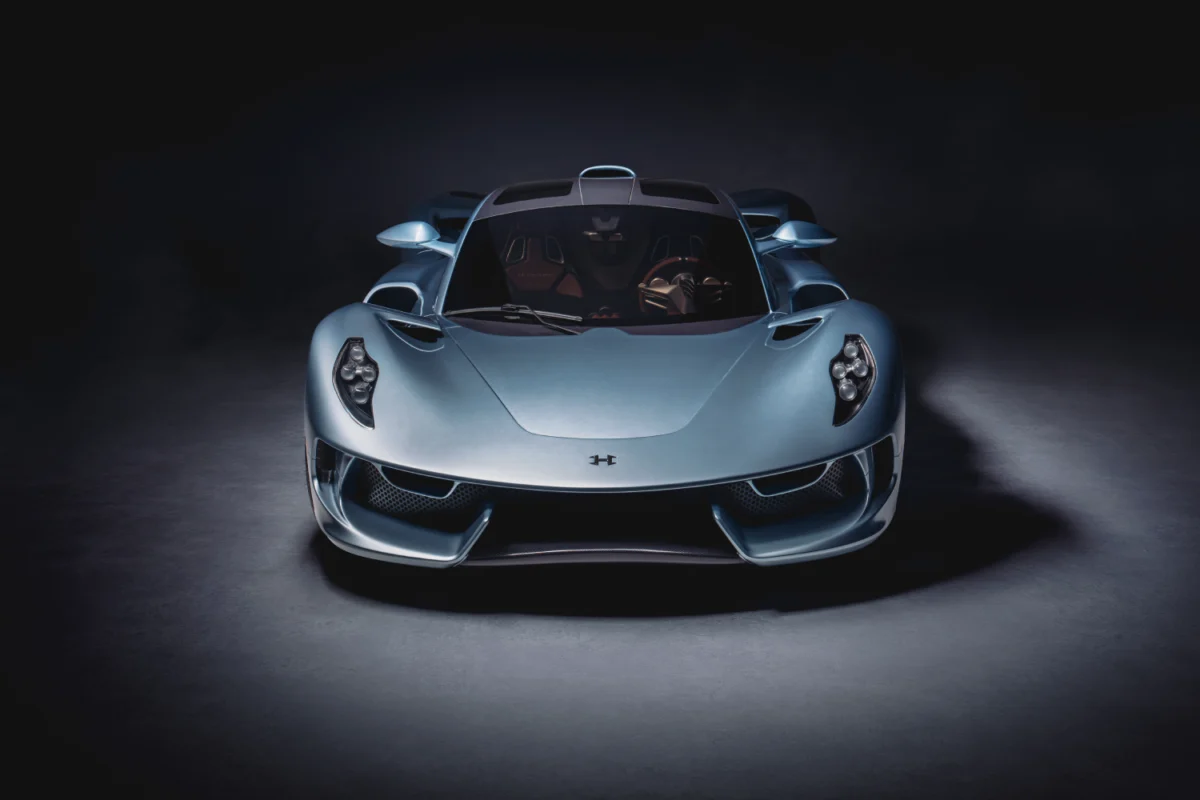
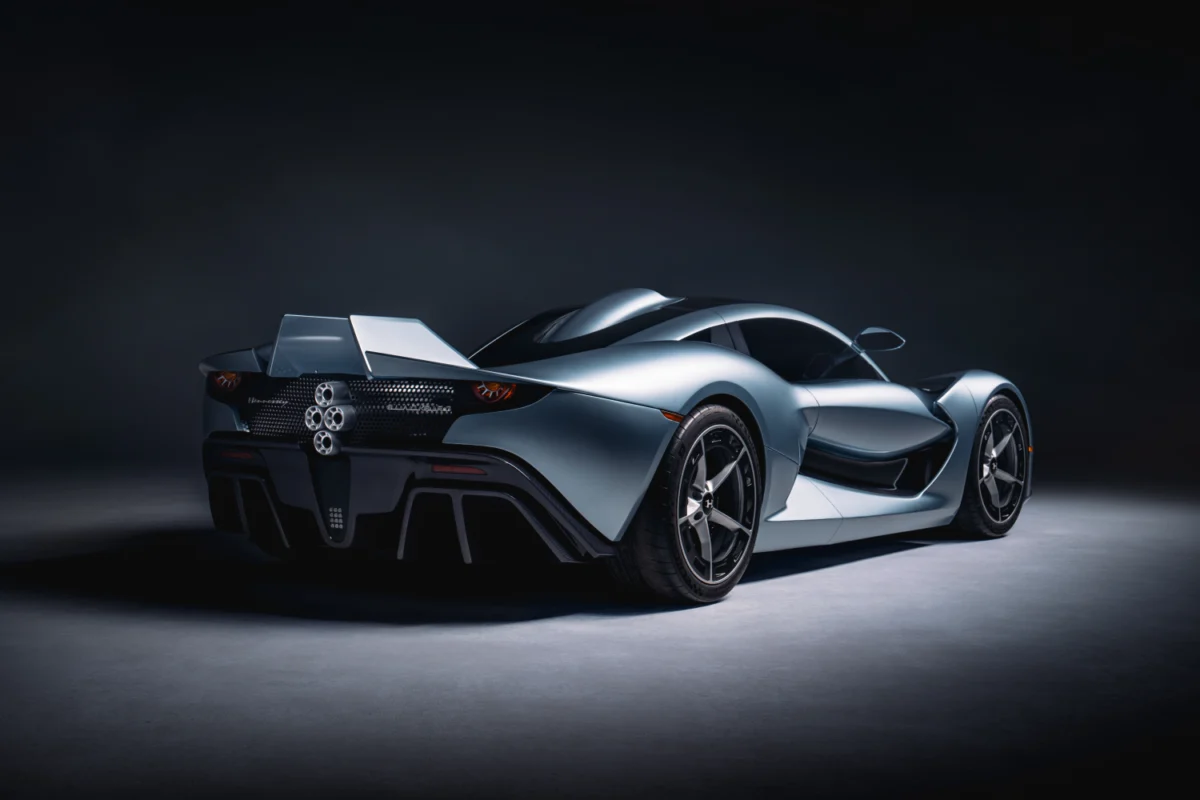
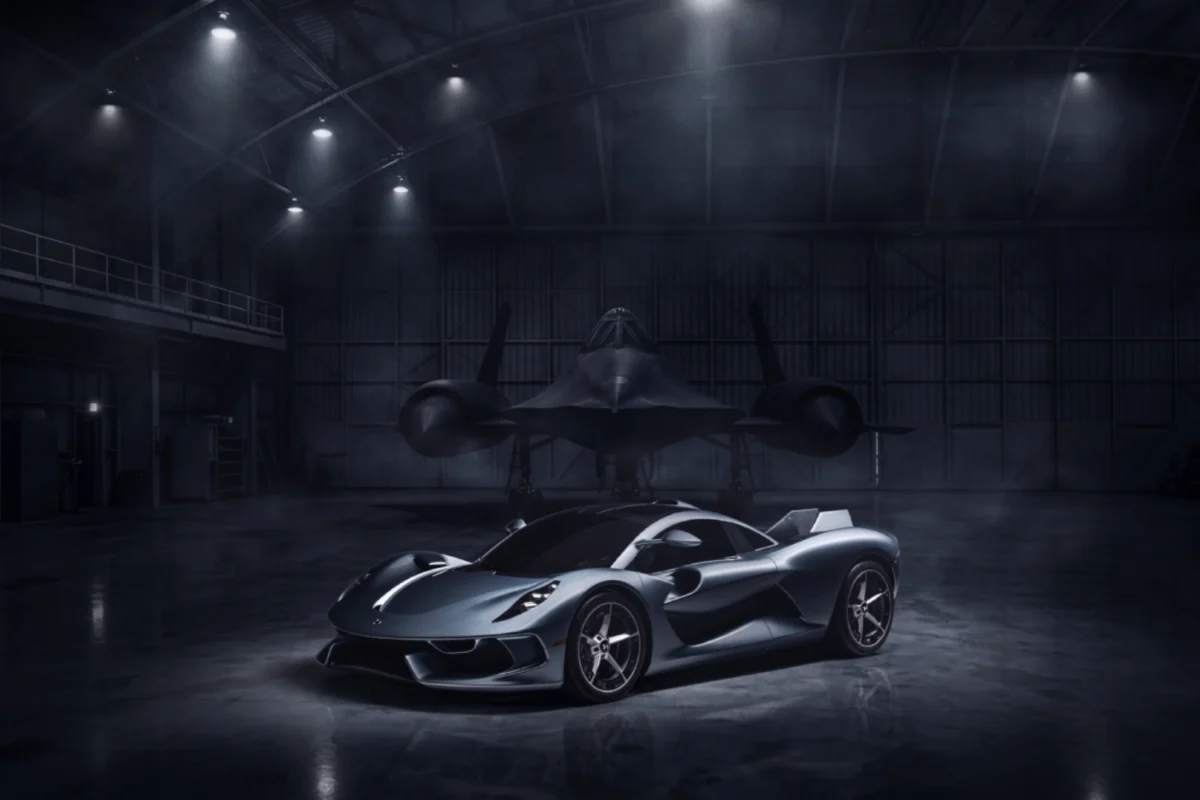
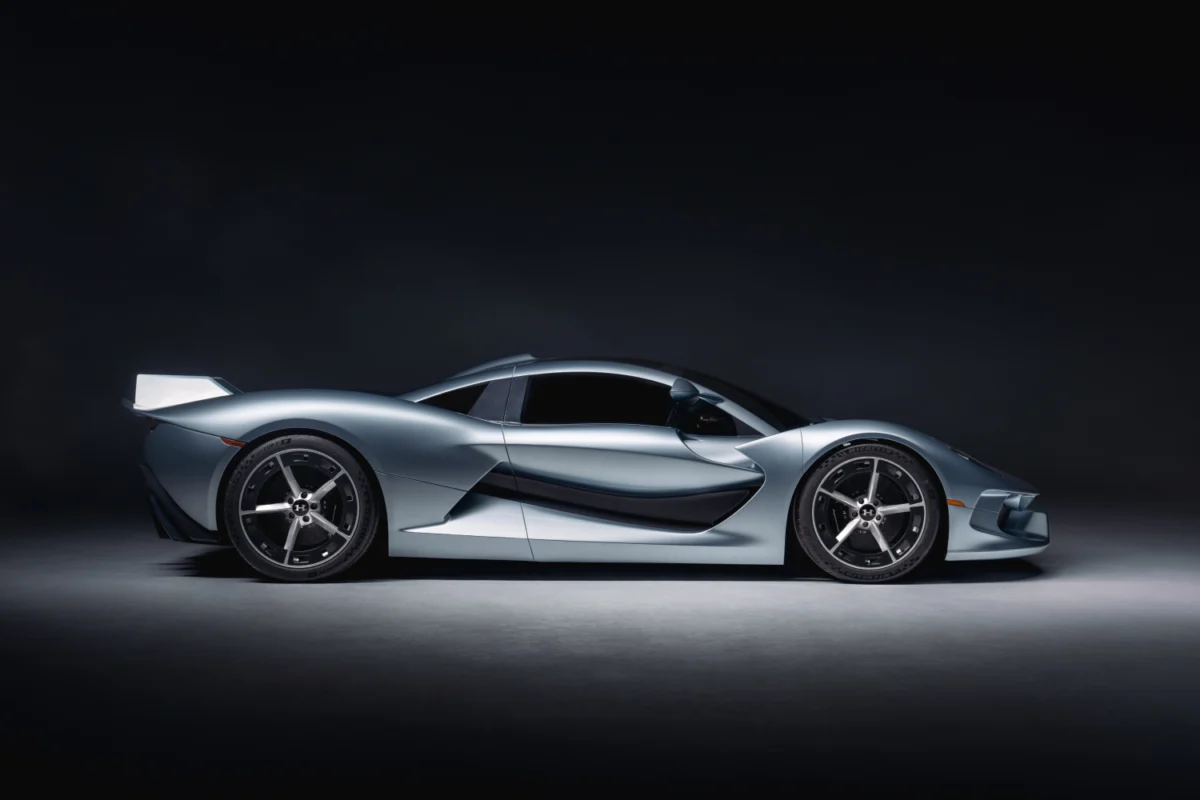
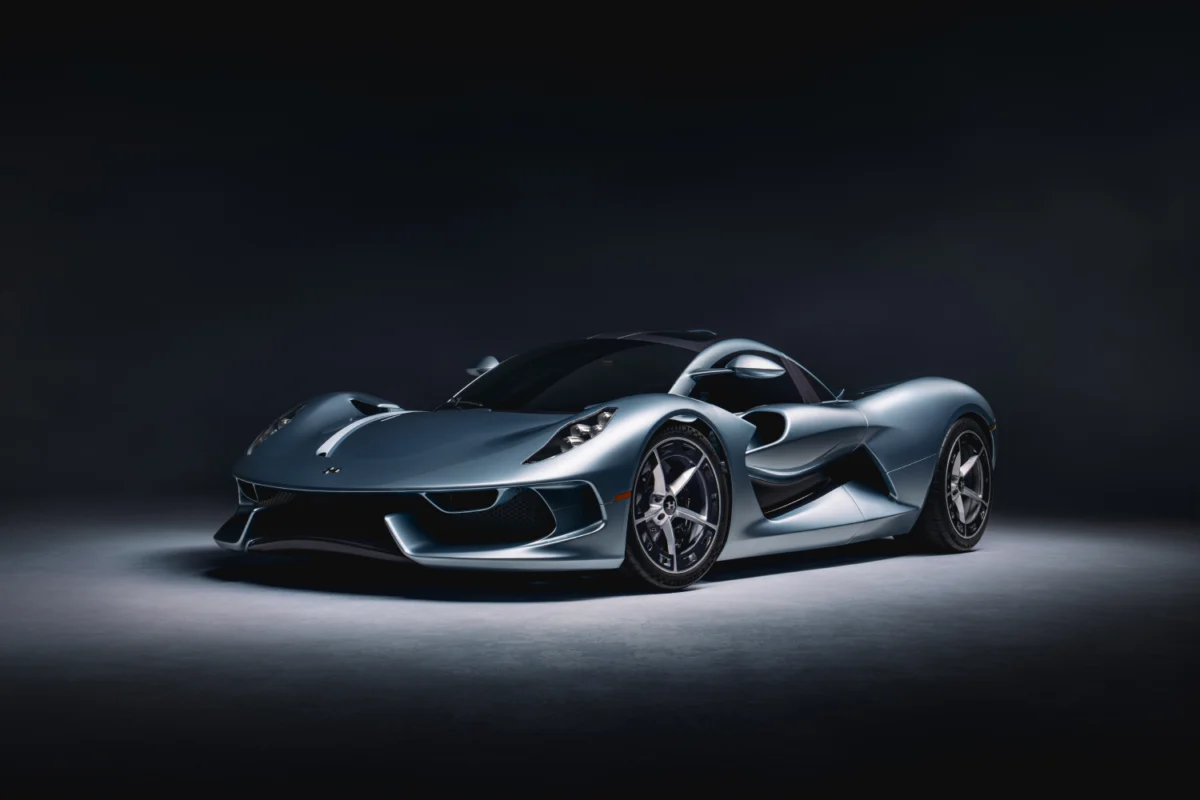
Hennessey Special Vehicles has revealed its most distinctive hypercar yet. Called the Hennessey Blackbird, the new model takes a different route from today’s increasingly complex hypercars. It combines a naturally aspirated V8, rear-wheel drive and a six-speed gated manual gearbox.
It also has no conventional infotainment screen. Instead, Hennessey has focused on mechanical interaction, elegant design and long-distance usability. The result is a hypercar that lets drivers feel involved rather than simply watch the numbers climb.
The Blackbird is the third hypercar developed by Hennessey Special Vehicles, following the Venom GT and Venom F5. However, the company says it measures performance in a different way.
Where the Venom F5 focuses on extreme speed and power, Blackbird places the quality of the connection between driver, car and road at the heart of its design.
Hennessey Blackbird: Key Facts
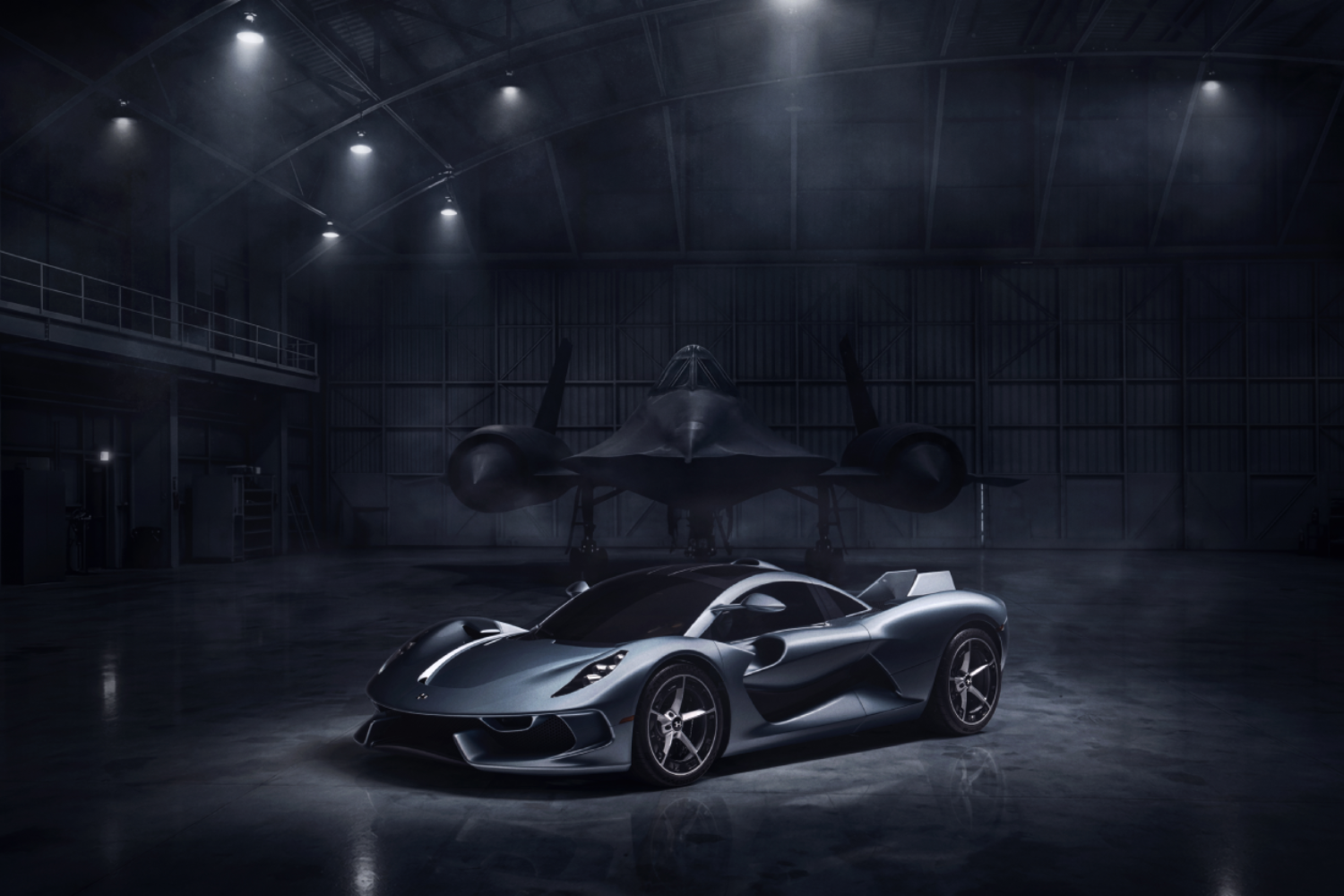
The new hypercar combines serious performance with a surprisingly practical touring brief.
Key highlights include:
- Naturally aspirated 6.2-litre V8
- Target output of 800-850bhp
- More than 9,000rpm
- Six-speed gated manual transmission
- Rear-wheel drive
- Target weight below 3,000lb
- 0-60mph in a targeted 2.5 seconds
- 220mph target top speed
- Full-carbon Hennessey chassis
- Carbon-fibre bodywork
- Adaptive suspension
- Michelin Pilot Sport Cup 2 tyres
- Production limited to 71 examples
- Starting price of $2.5 million before taxes
- Customer production targeted for 2029-2030
More than two-thirds of the planned production run had already been allocated before the car’s public debut.
Inspired by the Legendary SR-71 Blackbird
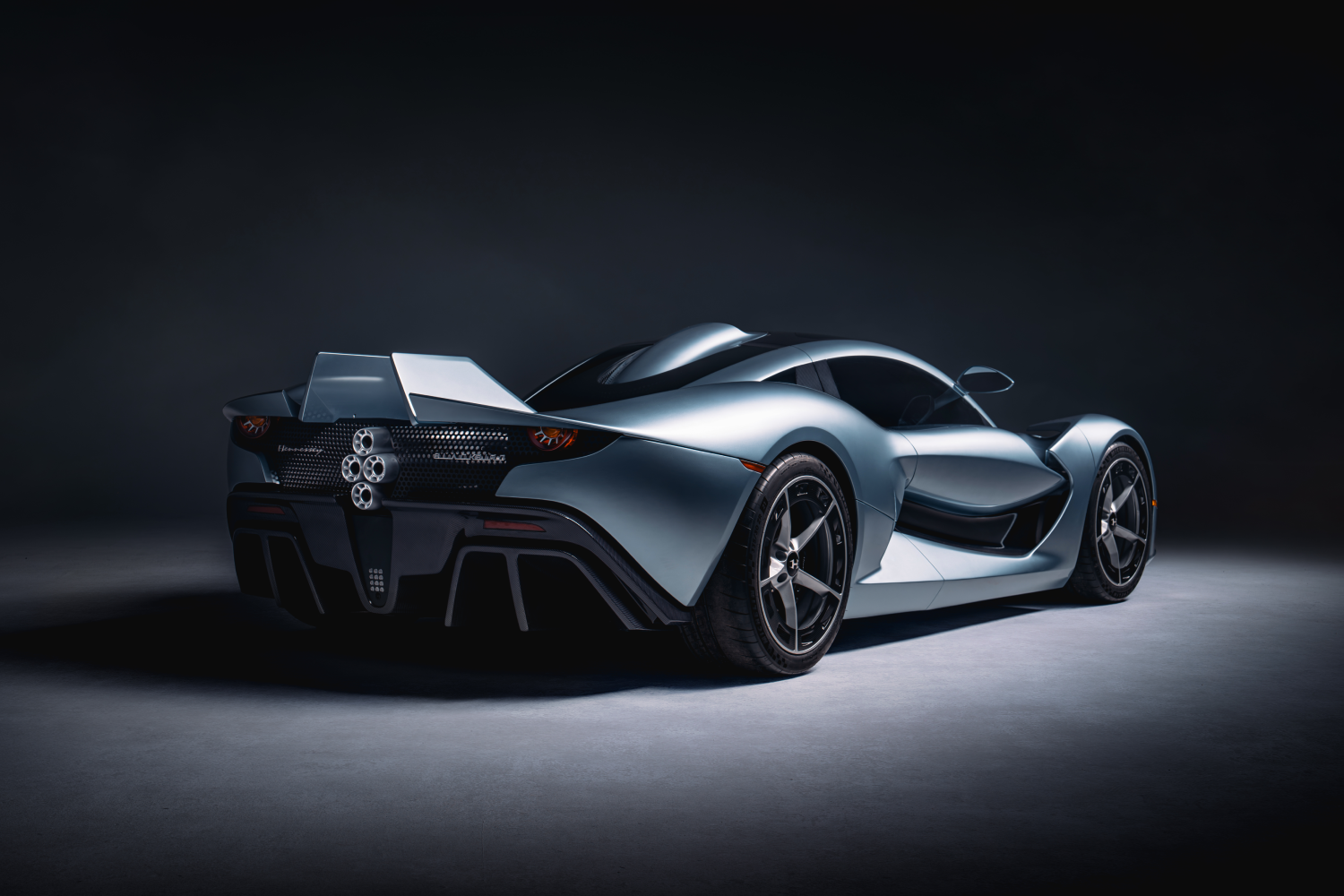
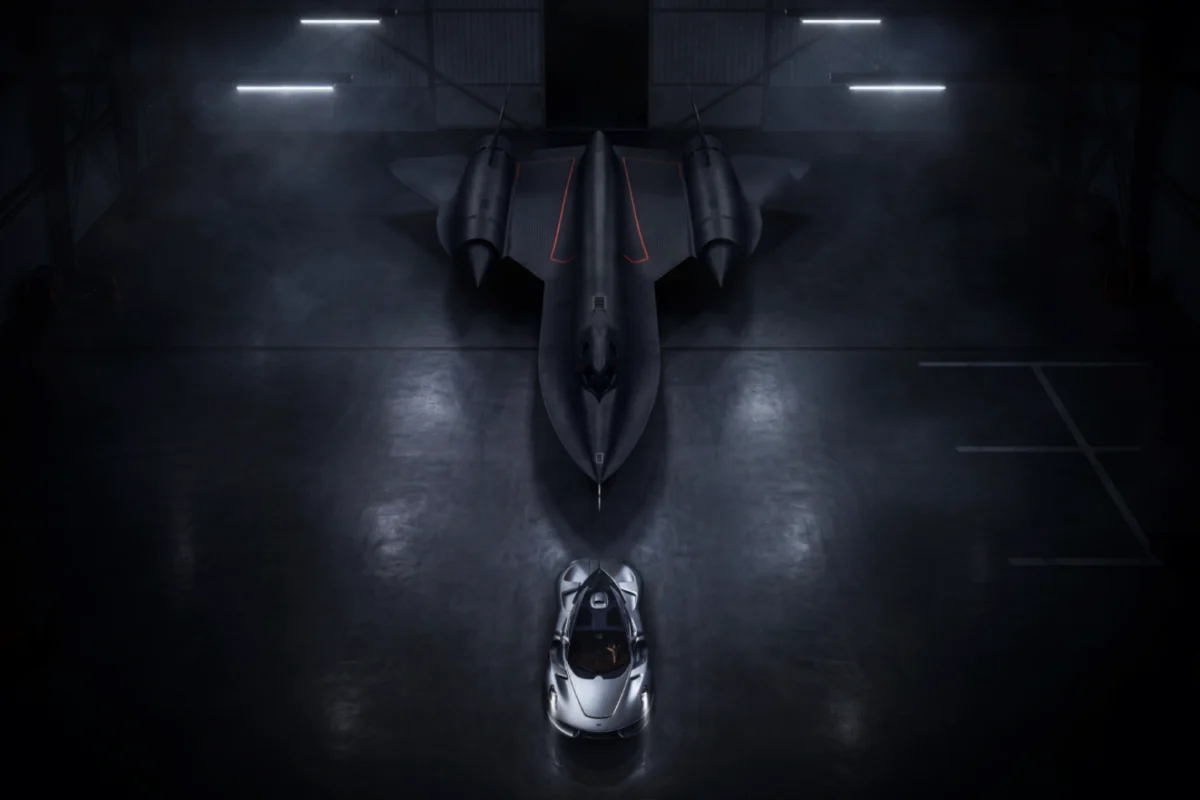
The name comes from the Lockheed SR-71 Blackbird, and the aircraft’s influence goes much deeper than a badge.
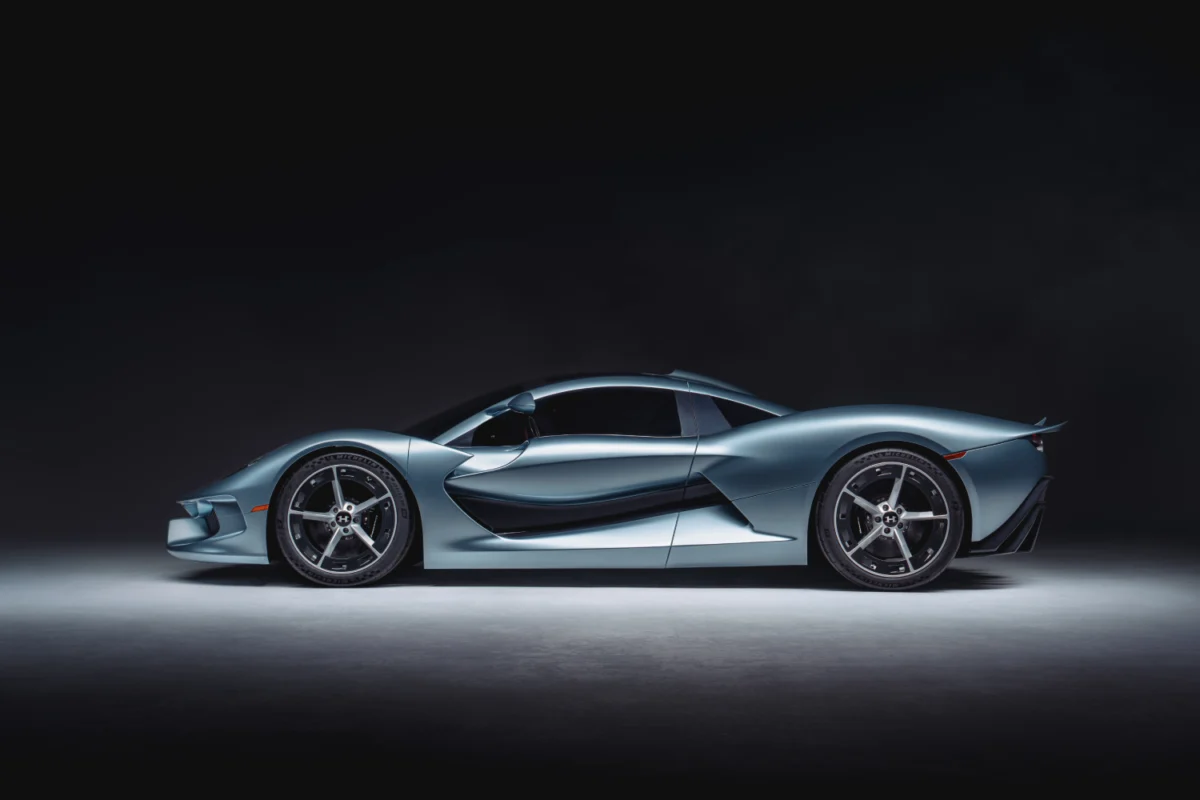
The car features a long, purposeful stance, sharp surfacing and a distinctive body-side chine line. These elements translate the aircraft’s design language into a modern hypercar.
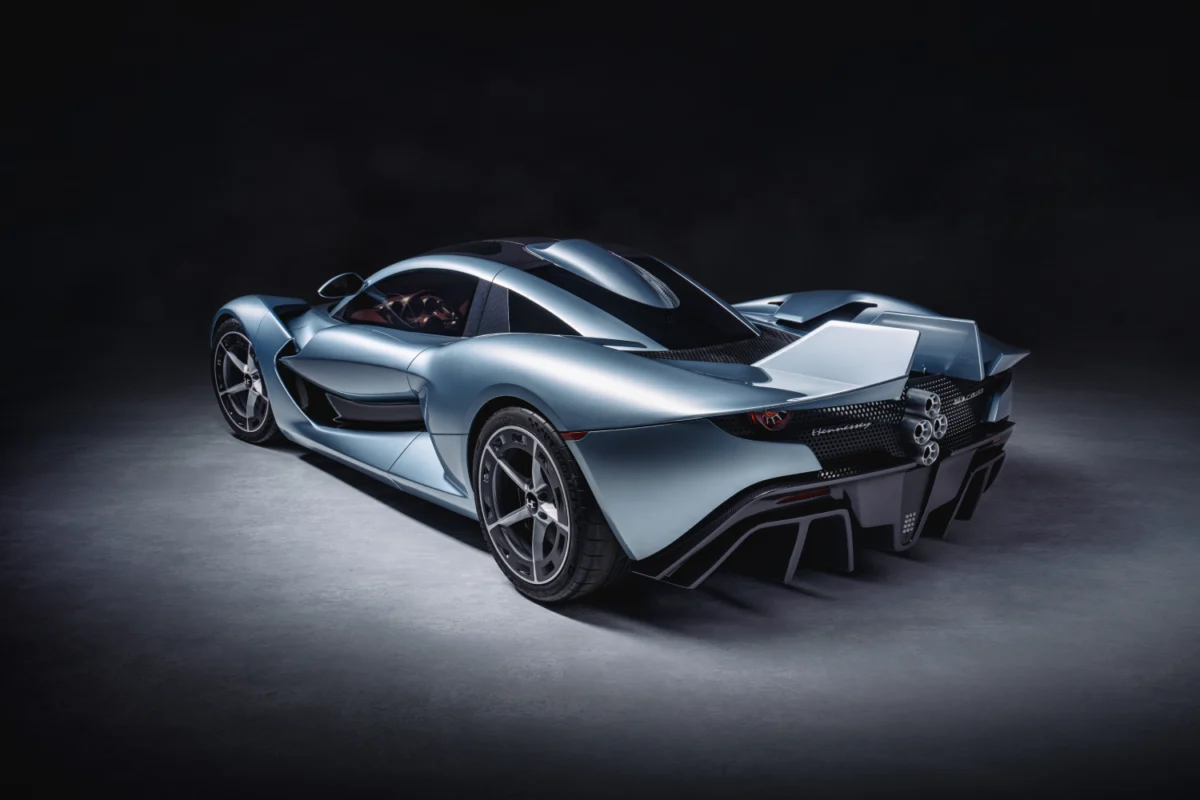
However, the most striking connection comes from the active rear stabilisers.
They deploy automatically at 71mph and sit at plus or minus 71 degrees. The numbers deliberately reference the SR-71 name, giving the feature both a functional role and a strong visual identity.
The aerospace theme continues elsewhere.
Blackbird features a distinctive diamond-shaped quad-exhaust inspired by the Bell X-1 aircraft. That aircraft became the first aeroplane to fly faster than the speed of sound in 1947.
Formula One-style side pods and LMP1-inspired winglets add further motorsport influence.
Consequently, the design manages to combine several high-performance influences without losing its own identity.
A Naturally Aspirated V8 With More Than 9,000rpm
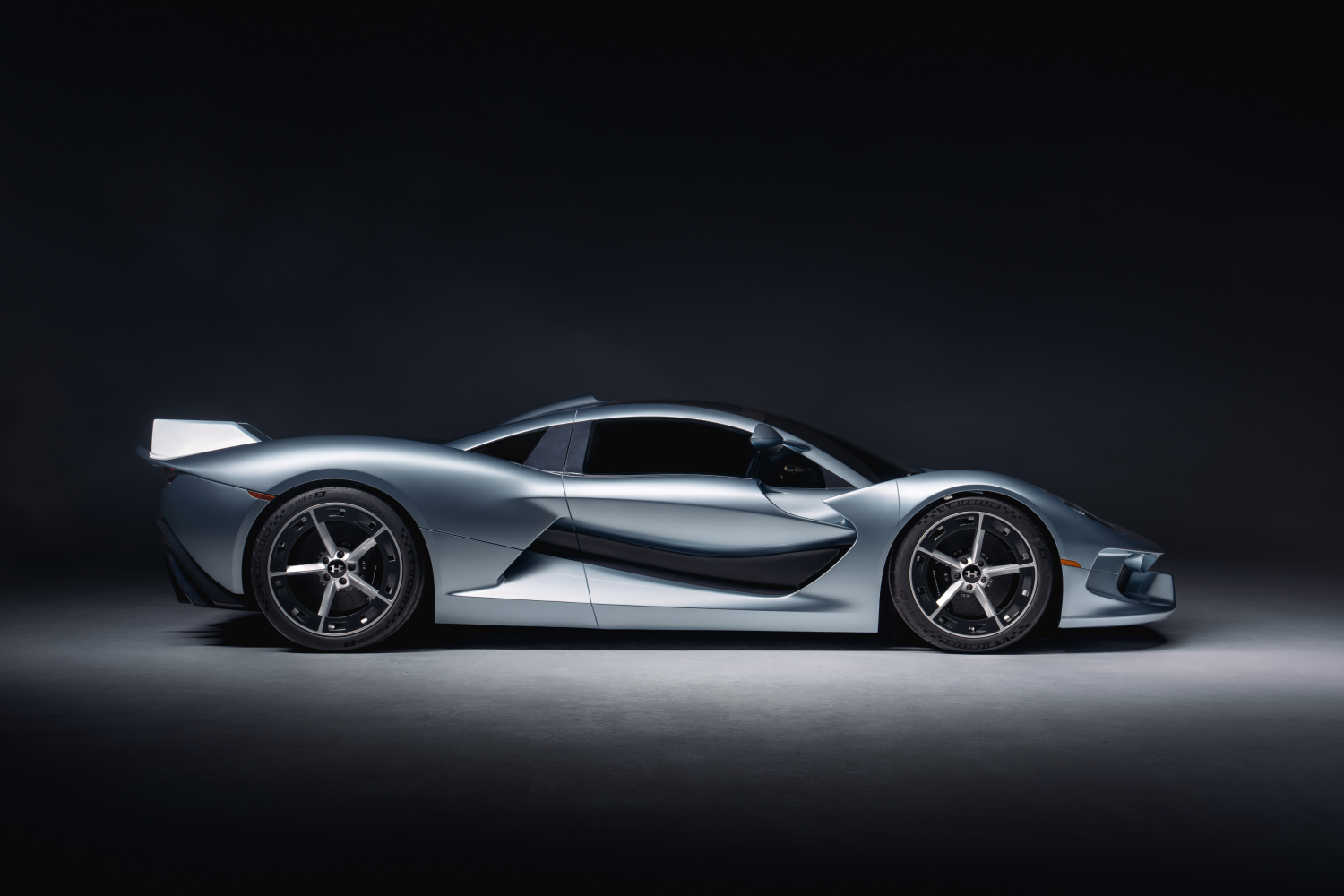
At the centre of the Blackbird sits an all-new 6.2-litre naturally aspirated V8 developed with Ilmor Engineering.
Hennessey is targeting between 800 and 850bhp. The engine is also expected to rev beyond 9,000rpm.
That combination is significant in an era when turbocharging and hybrid assistance dominate the hypercar market.
There are no turbochargers here. There is no hybrid motor adding extra power. Instead, the engine is designed to provide a direct throttle response and linear delivery.
The power goes exclusively to the rear wheels through a six-speed manual transmission.
Hennessey expects the V8 to become the highest-revving and most powerful naturally aspirated road-car V8. That remains a target rather than a confirmed production specification, but the ambition is certainly substantial.
The Six-Speed Manual Takes Centre Stage
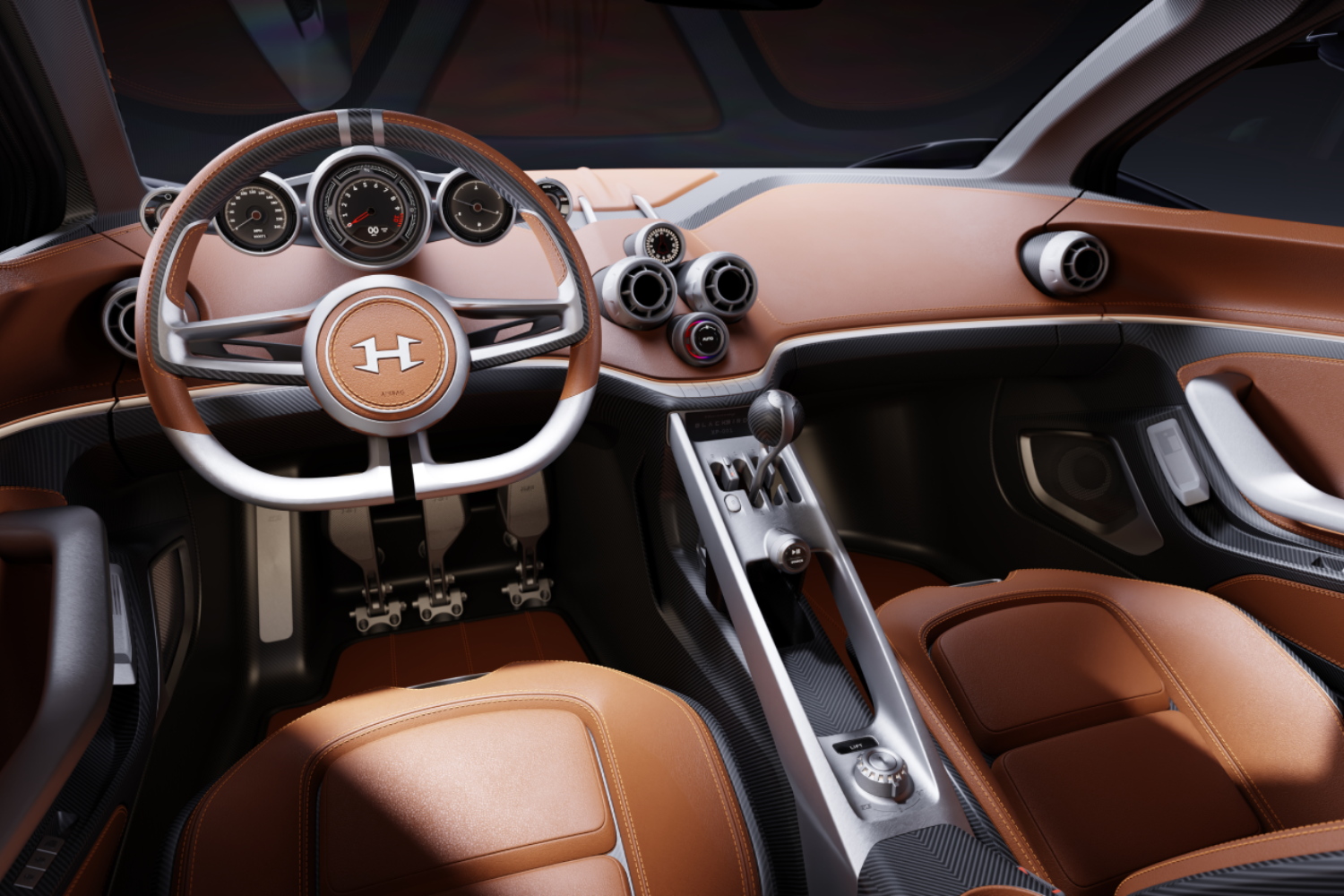
The gearbox could be the Blackbird’s most important feature.
Its six-speed gated manual transmission has exposed shift linkage and a physical, deliberate shift action. It is designed to make changing gear an active part of driving.
The cabin follows the same philosophy.
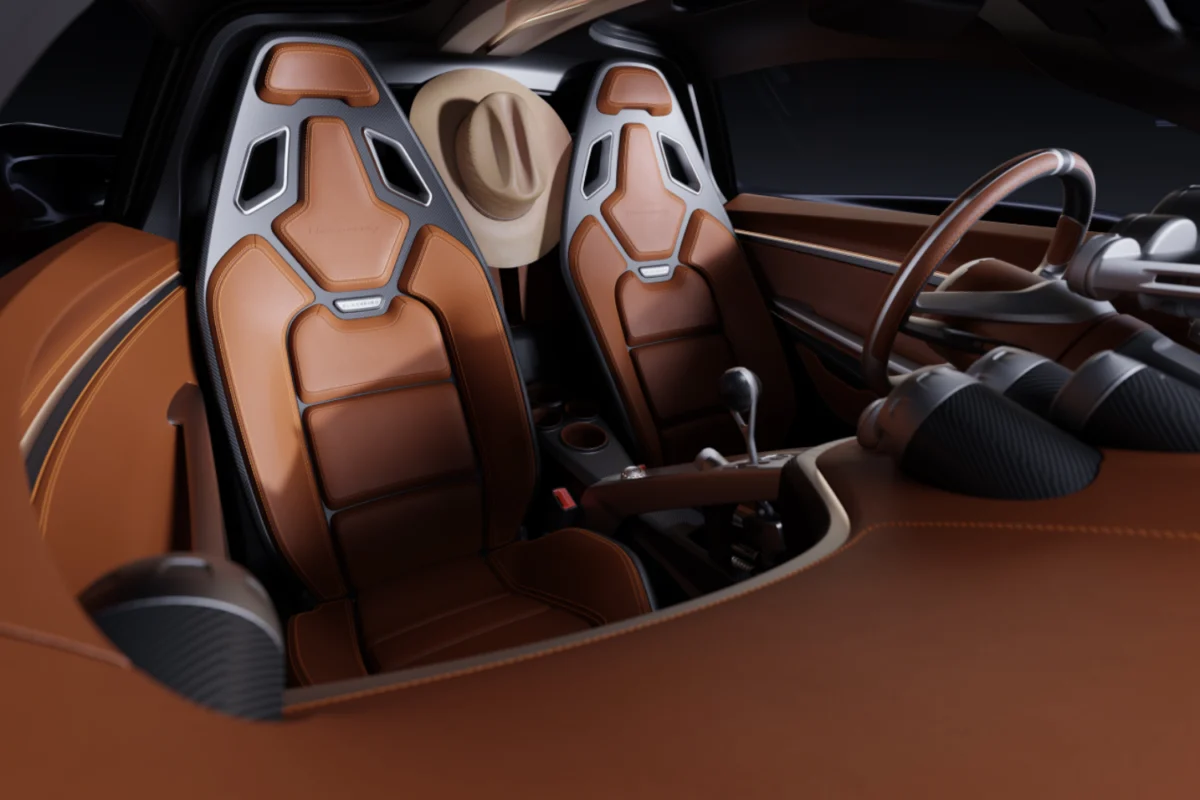
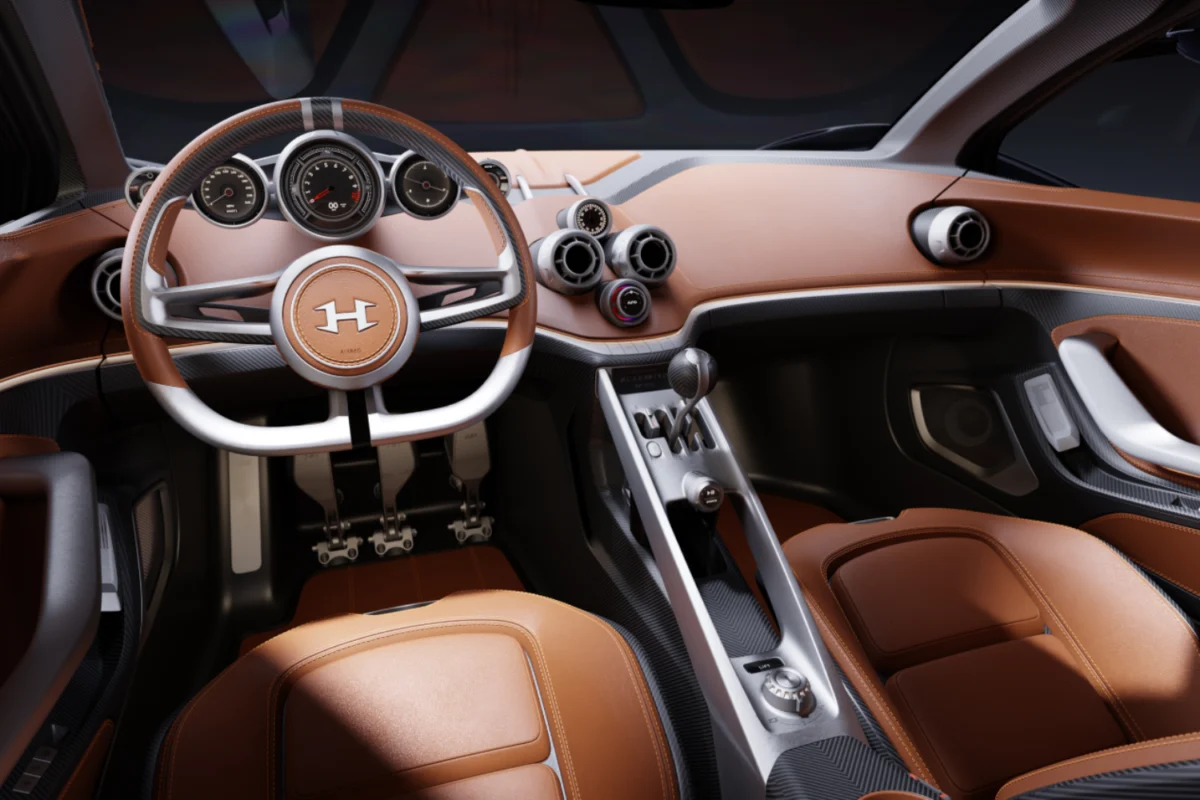
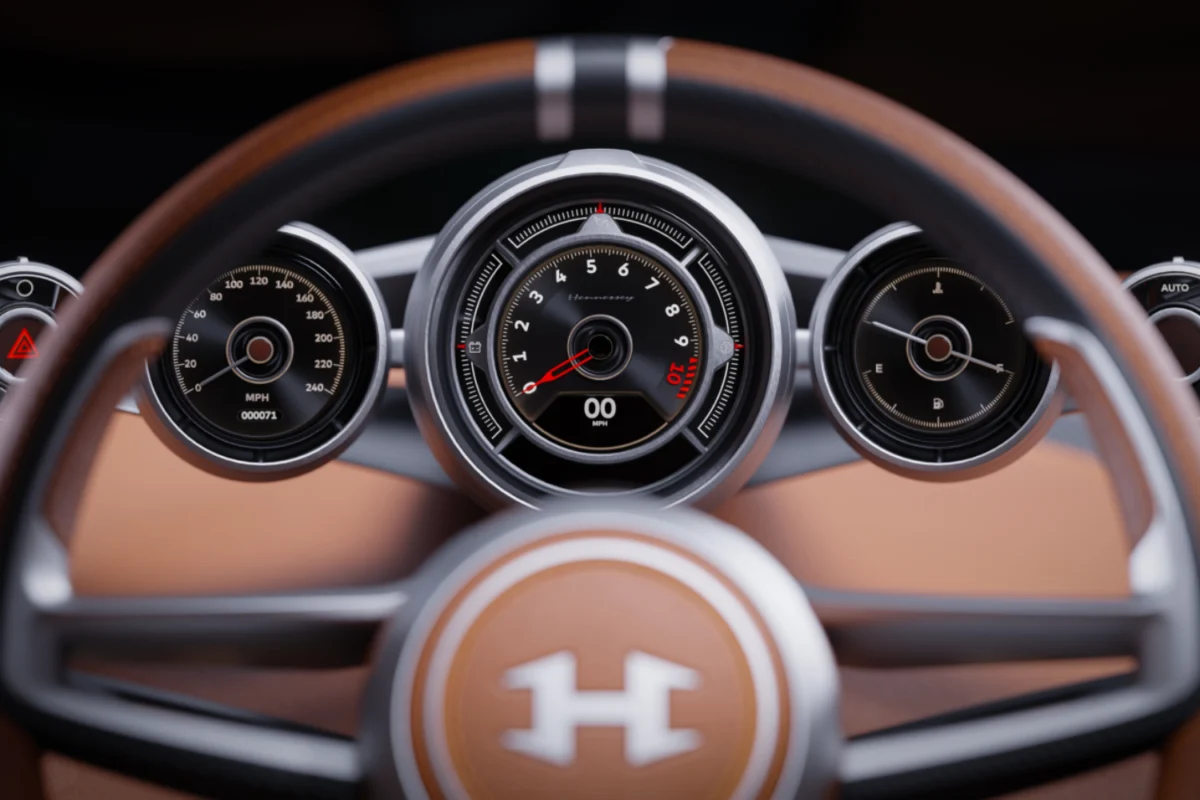
There are no visible infotainment screens, digital displays or steering-wheel buttons. Instead, a large analogue tachometer dominates the dashboard.
There is also a physical ignition key.
For Hennessey, these details are not nostalgia for its own sake. They support the company’s aim of creating a car that demands attention and rewards driver involvement.
A Hypercar Designed for Long Journeys
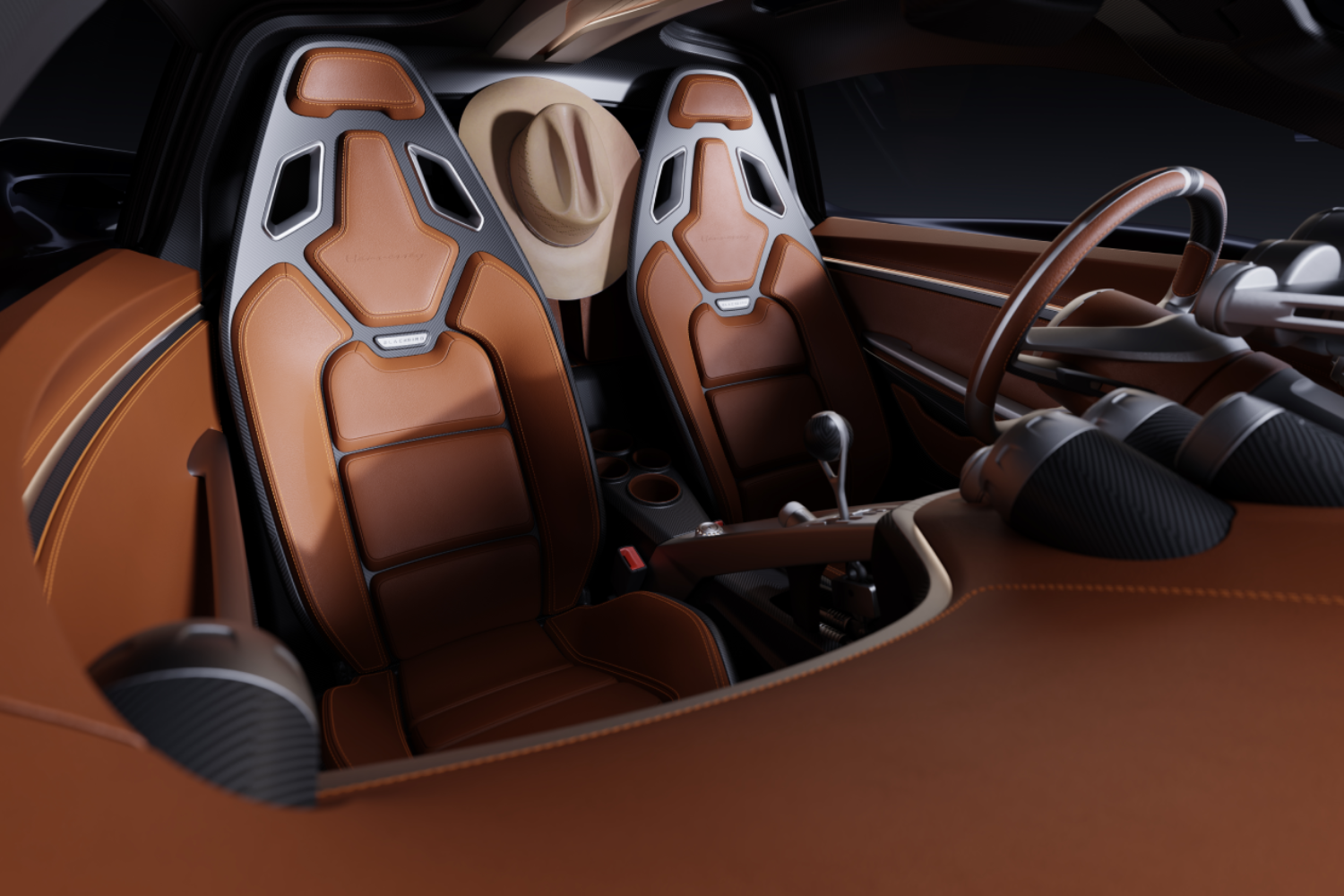
Performance remains central to the Blackbird. Yet Hennessey has given the car another important role.
It is designed to cover more than 800 miles in a single day.
That makes touring capability a key part of the Blackbird’s identity. The car features more cabin space than the Venom F5, improved visibility and adaptive suspension.
There is also luggage space for two full-size carry-on bags, along with additional storage in the rear quarters and cabin.
Four cup holders might sound unusual in a hypercar announcement. However, they underline the point.
Blackbird is designed to be used rather than kept purely as a collector’s piece.
Low noise, vibration and harshness targets also support the touring concept. Premium audio, discreet device connectivity and thoughtful storage add further everyday practicality.
Therefore, the Blackbird aims to make long-distance driving part of the hypercar experience.
A Carbon-Fibre Foundation
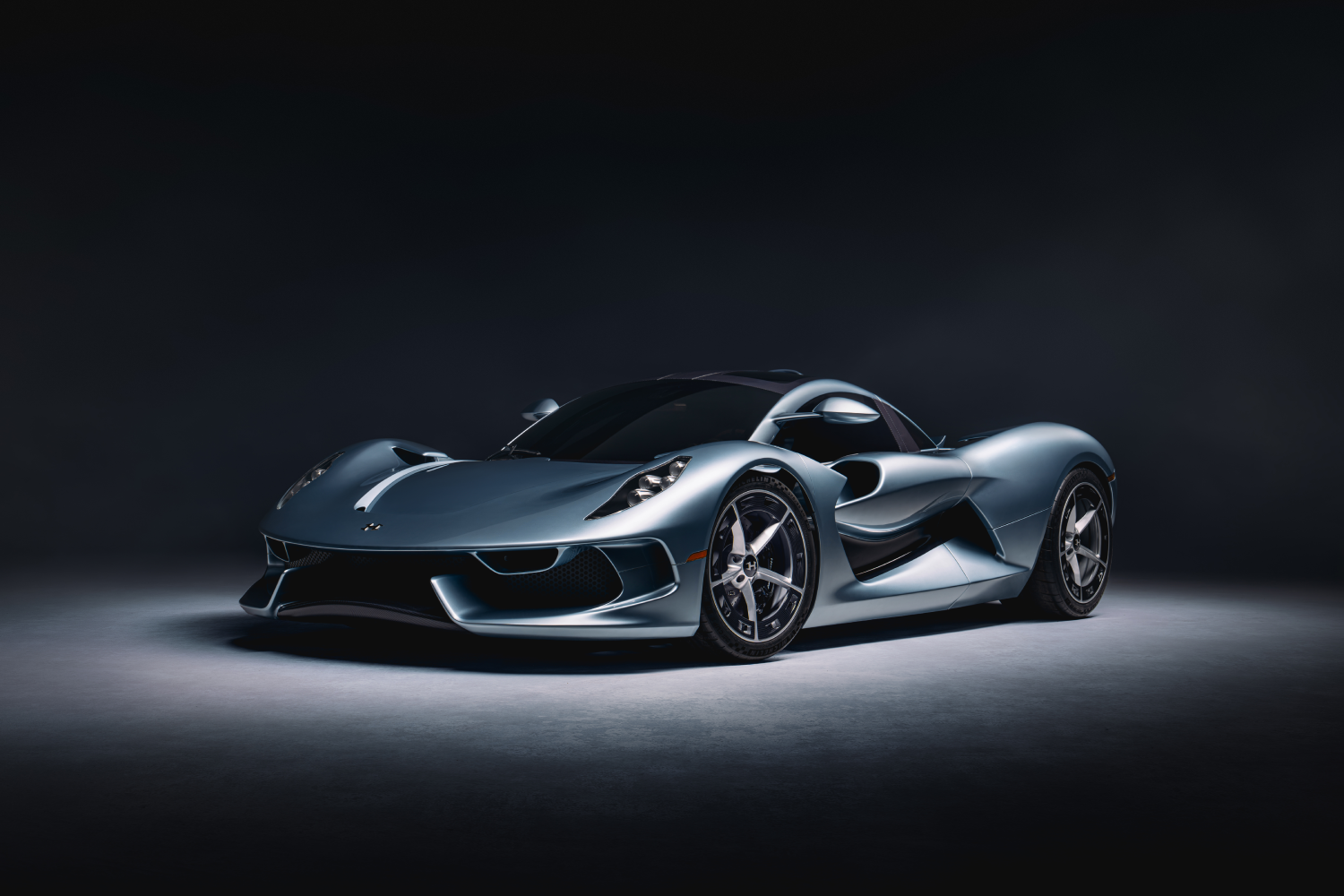
The Blackbird uses a bespoke full-carbon tub with carbon-fibre bodywork.
Hennessey is targeting a weight of less than 3,000lb. That figure is particularly notable when combined with the planned 800-850bhp output.
An inboard suspension layout supports the lightweight structure. Adaptive suspension should also allow the car to switch between comfortable cruising and more spirited driving.
Michelin Pilot Sport Cup 2 tyres will be standard, while customers can choose between two bespoke Hennessey wheel designs.
Traction control and ABS are also included. The aim is to provide confidence without taking away the sense of mechanical involvement.
Inside the Hennessey Blackbird
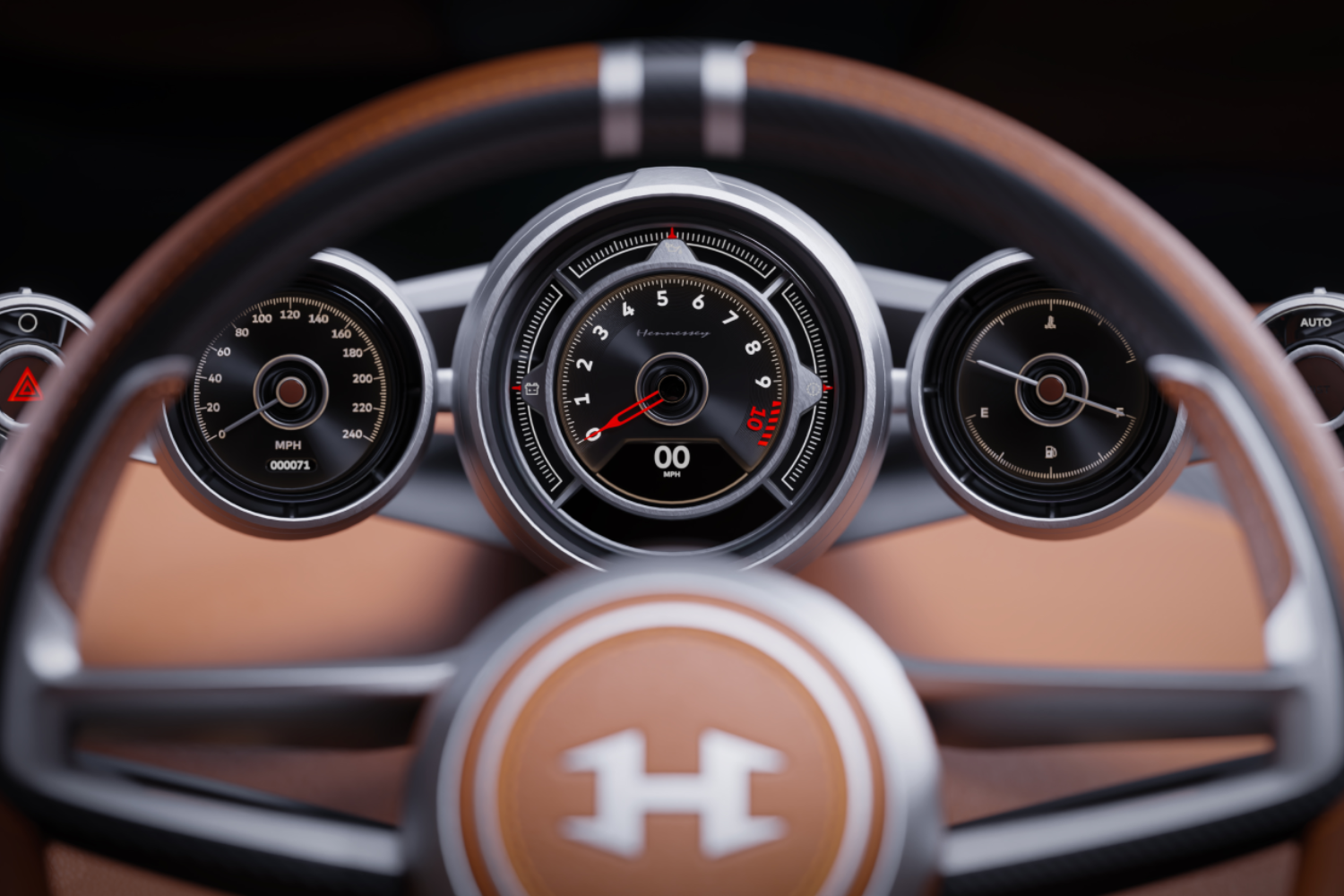
The interior continues the analogue-first theme.
The large central tachometer takes pride of place. That makes sense in a car with a high-revving naturally aspirated engine and a manual gearbox.
The driver can also operate a physical ignition key and exposed manual shift mechanism.
However, Hennessey has not ignored modern connectivity.
Navigation, Apple CarPlay and Android Auto can run through the driver’s own device. The phone sits in a bespoke Hennessey holder, while premium speakers provide the audio system.
This hidden-technology approach keeps modern functions available without filling the dashboard with screens.
Aviation details add further character.
A whiskey compass is fitted as standard, with an optional timepiece available. The dashboard also incorporates a subtle SR-71 reference.
Meanwhile, an optional Sky Glass feature takes inspiration from the aircraft’s canopy. Additional glass around the rear bulkhead and engine bay brings more light into the cabin.
The result should feel more like a carefully crafted cockpit than a digital command centre.
Designed to Be Beautiful, Not Simply Fast
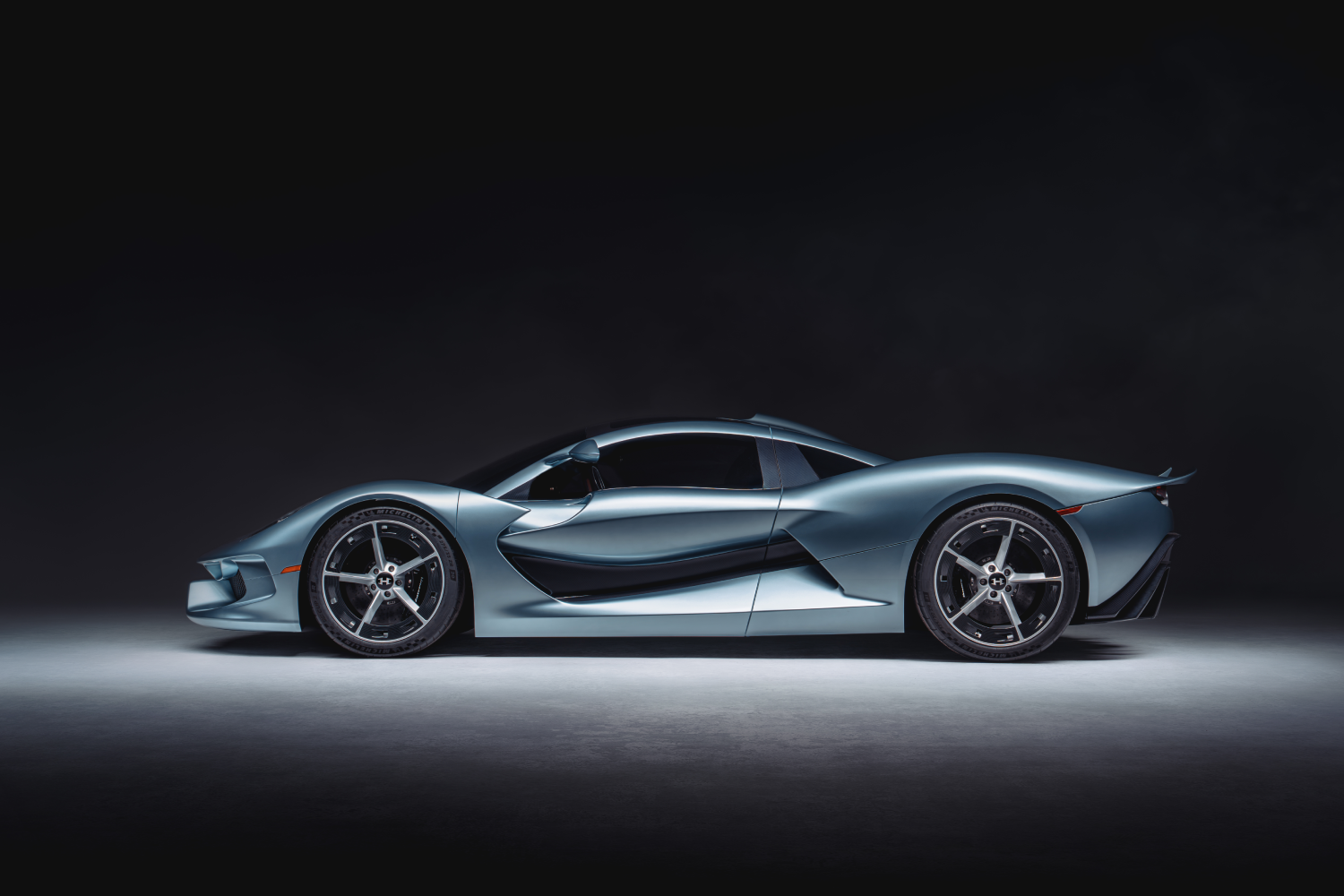
Hennessey says beauty was a key part of the Blackbird’s design brief.
The company wanted to create a car that owners would enjoy looking at almost as much as driving.
That philosophy explains the focus on proportion and surface design. It also helps distinguish Blackbird from the Venom F5.
The F5 remains Hennessey’s extreme speed-focused model. Blackbird takes a broader view of what makes a hypercar desirable.
Its appeal comes from the combination of appearance, sound, physical controls and the ability to cover serious distances.
The company has also designed the car with long-term desirability in mind. Its styling avoids short-lived trends in favour of mechanical details, elegant surfaces and purposeful aerodynamic features.
Hennessey’s Third Hypercar
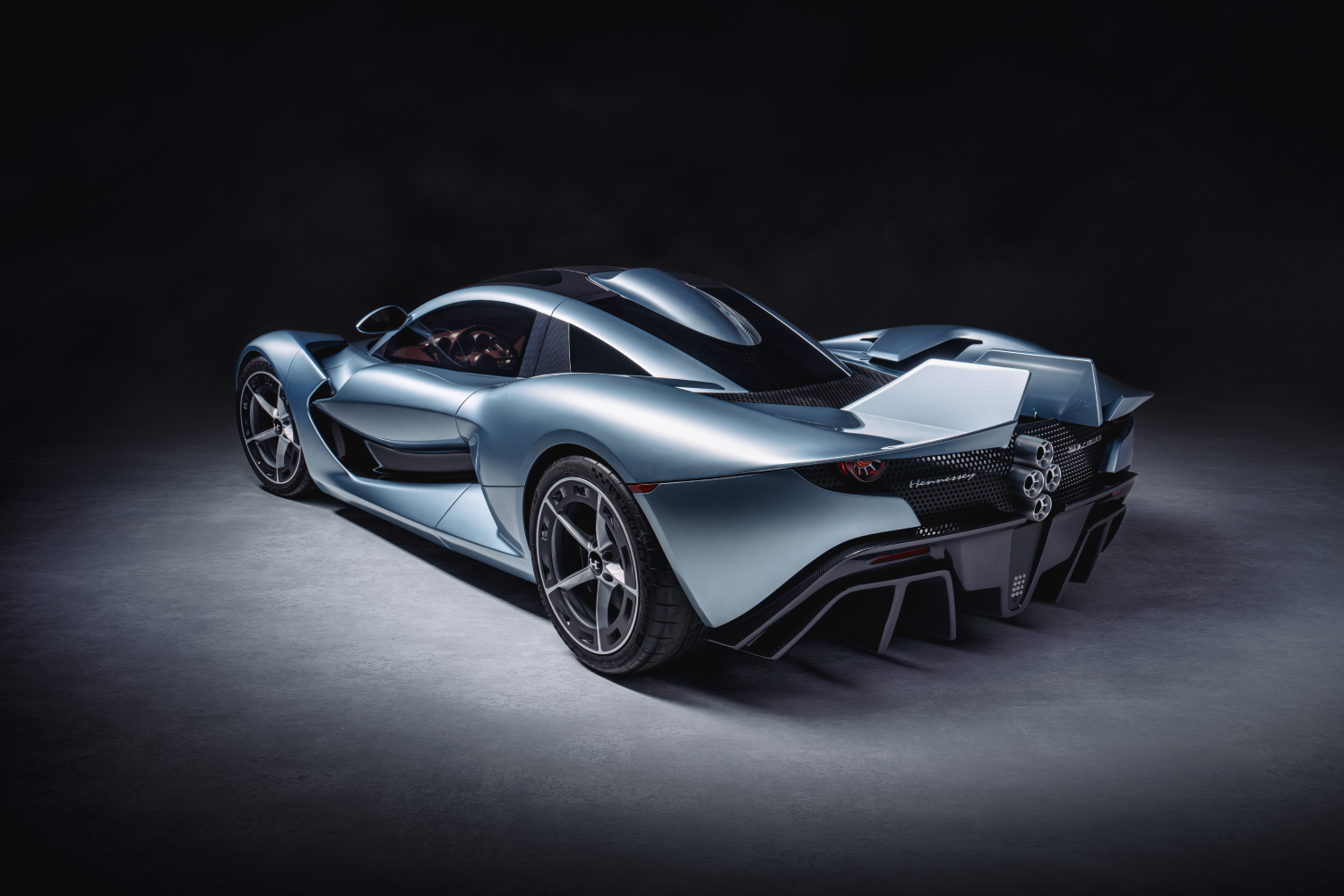
Blackbird follows a clear progression within Hennessey’s Special Vehicles programme.
The Venom GT established the company’s record-setting reputation. The Venom F5 then developed that experience into a fully bespoke hypercar designed, engineered and built in Texas.
The manual Venom F5-M subsequently demonstrated that a gated six-speed gearbox could remain central to an extreme modern hypercar.
Blackbird takes those lessons in another direction.
Rather than concentrating exclusively on outright speed, it combines the company’s performance expertise with a touring-focused driving experience.
Hennessey expects Venom F5 production to end around 2028. Blackbird will then become a key part of the company’s next phase, with customer production targeted for 2029-2030.
All 71 examples will be designed, engineered and built in Texas. More than two-thirds of the allocation had already been taken before the public reveal.
Only 71 Hennessey Blackbirds Will Be Built
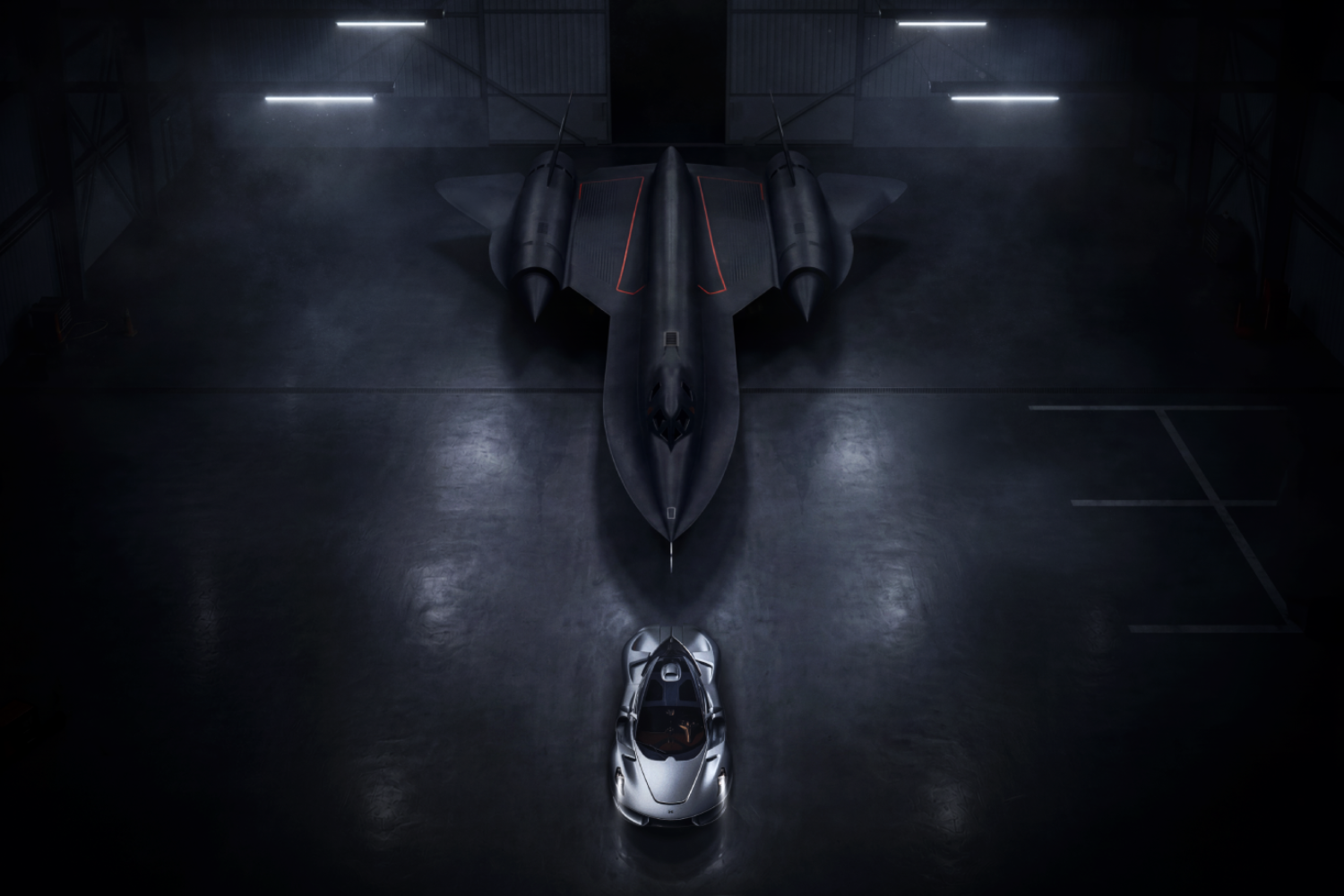
Exclusivity will be guaranteed by the production run.
Hennessey plans to build only 71 Blackbirds worldwide, with prices starting at $2.5 million before taxes.
That figure puts the car firmly in the upper reaches of the hypercar market. However, the Blackbird’s appeal is not based on rarity alone.
It offers something increasingly unusual: a high-powered naturally aspirated engine, a manual gearbox, rear-wheel drive and a cabin that puts physical controls ahead of digital displays.
In other words, Hennessey has created a hypercar for drivers who still want to participate in every part of the experience.
Hennessey Blackbird: A Different Kind of Hypercar
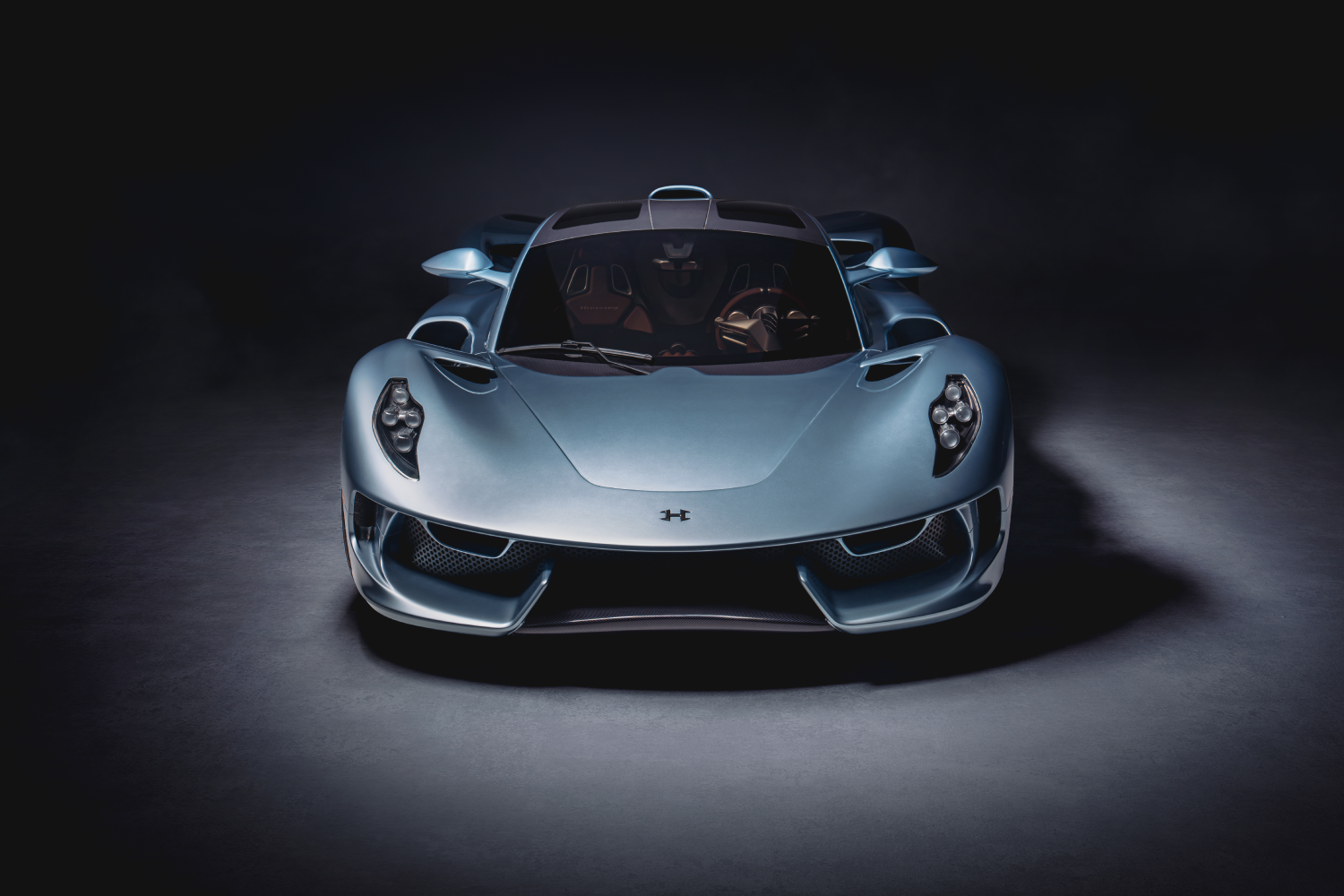
The Blackbird arrives at an interesting point for the performance car market.
Many modern hypercars are becoming faster and more technologically advanced. Hennessey has chosen another path.
Its new model puts beauty, sound, response, physical controls and usability on the same level as outright performance.
The result is a hypercar with an unusual brief. It can target 220mph and 0-60mph in 2.5 seconds, yet it is also designed to cover more than 800 miles in a day.
That balance could prove to be the Blackbird’s greatest strength.
With only 71 cars planned, a price starting at $2.5 million and customer production still several years away, the Blackbird will remain an exceptionally rare sight.
More importantly, it represents a clear statement about what a modern hypercar can be.
What Do You Think?
Does the Hennessey Blackbird have the right idea by prioritising driver involvement over outright speed?
Would you choose its naturally aspirated V8 and gated manual over a faster hybrid hypercar?
And, perhaps most importantly, does a screen-free cockpit make the Blackbird more desirable in today’s market?
Share your thoughts in the comments.



Read more on

Do you have a passion for cars? Would you like to join the My Car Heaven team?
Get in touch, we'd love to hear from you.
Find out moreRelated Stories
Advertisement Advertisement
 Advertisement
 Advertisement
 Advertisement