



What Happens to Your Safety Features After a Windshield Replacement?
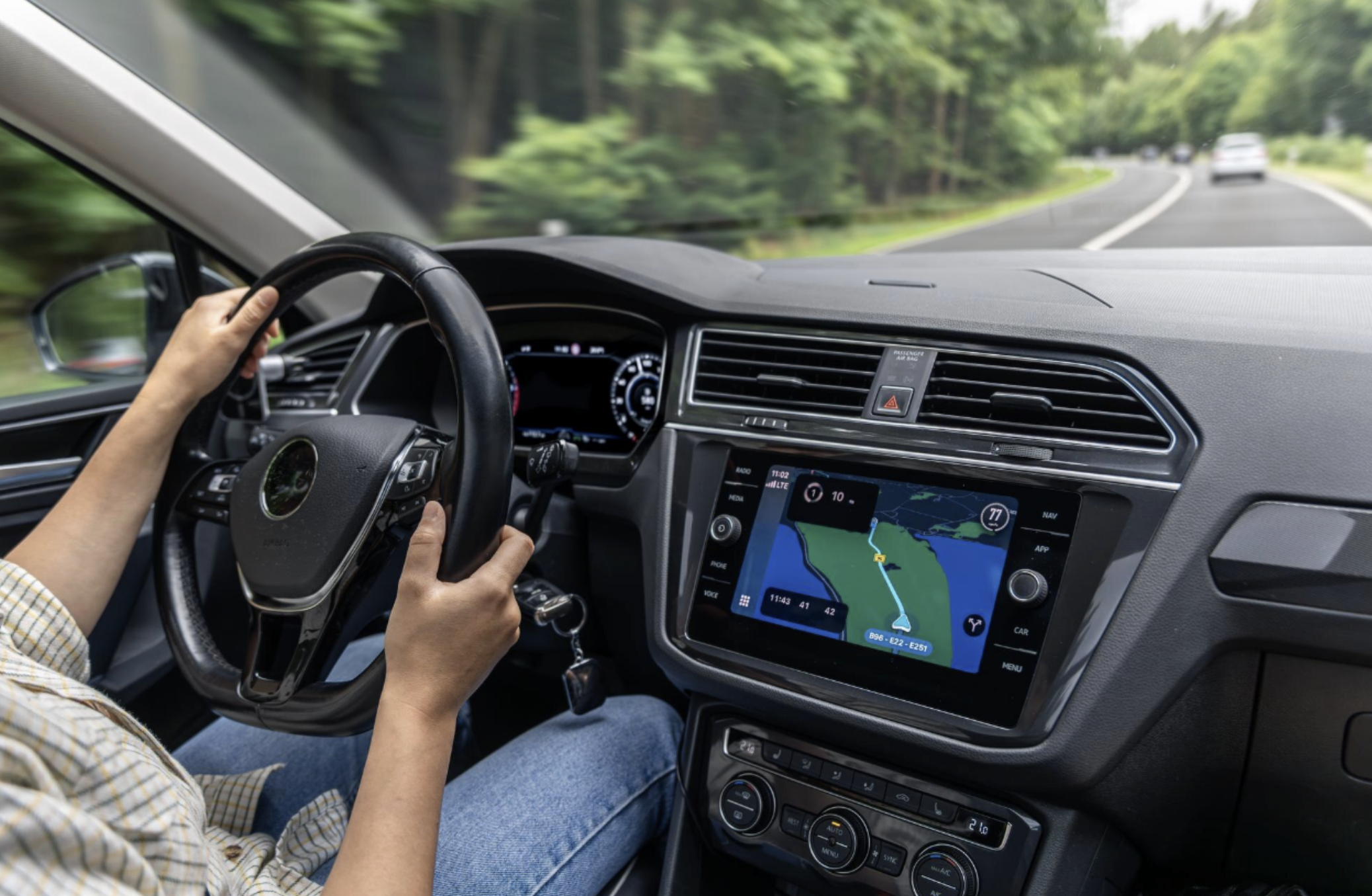
Windshield replacement has become a different kind of repair. The glass still blocks wind, rain, and debris, but on many newer vehicles, it also carries cameras, sensors, brackets, heating elements, antennas, and heads-up display optics. A clean piece of glass can look finished, while several windshield safety features still need attention.
The biggest concern is calibration. If your vehicle has lane keeping, automatic emergency braking, forward collision warning, adaptive cruise control, or traffic sign recognition, the camera near the rearview mirror may depend on the exact angle of the windshield. A replacement can change that angle by a small amount. At highway speeds, small errors travel a long way.
Windshield Replacement Now Involves Electronics
Modern windshield technology puts the glass into two safety roles. First, it helps support the vehicle body because the windshield is bonded to the frame. Second, it gives cameras and sensors a controlled view of the road.
NHTSA references federal crash standards tied to windshield retention, roof crush performance, and occupant protection. In plain terms, a weak bond can affect cabin support and passenger-side airbag performance during a crash. The Auto Glass Safety Council also calls for high-modulus polyurethane adhesive and careful pinchweld preparation during replacement. Together, these rules ensure that technicians use the correct installation techniques to maintain crash performance, protect passengers, and preserve sensor accuracy after they return the keys.
Where Cameras And Sensors Sit
Most windshield camera sensors sit behind the rearview mirror, often in a dark housing at the top center of the glass. Depending on the vehicle, that area may hold one forward camera, a stereo camera pair, a rain sensor, a light sensor, or a defogging sensor.
These parts read the road through the glass. Curvature, tint, thickness, bracket placement, and optical clarity can all affect what the camera sees. A heads-up display can add another layer because the windshield may use a special inner layer to prevent ghosting or double images.
Heat, vibration, flying stones, and fast temperature changes are common causes of cracks, and a crack that crosses the camera viewing area leaves less room for a simple repair.
What ADAS Calibration Does
ADAS stands for Advanced Driver Assistance Systems. The phrase ADAS calibration windshield service usually refers to the process of scanning and calibrating the camera-based safety systems after technicians replace a windshield.
Calibration does not always move the camera by hand. In many cases, the technician uses diagnostic equipment to teach the vehicle where the camera is pointed. The vehicle then updates its software model of the road. If the camera reads lane lines or traffic ahead from the wrong angle, the system may brake late, warn too often, miss a lane marking, or steer with poor timing.
Shops such as Whitby Auto Glass handle windshield replacement on vehicles where the glass, brackets, sensors, and software all have to line up before the job is complete.
Calibration Methods At A Glance
| Calibration Type | What Happens | Common Setting |
| Static | Targets are placed at exact distances while the vehicle stays parked. | Level indoor bay |
| Dynamic | The vehicle is driven while the system reads lane markings and signs. | Road test route |
| Hybrid | Static setup comes first, followed by a drive cycle. | Shop and road |
The correct method depends on the make, model, model year, and safety package. Some vehicles also need pre-scan and post-scan reports. A pre-scan finds old fault codes before the glass comes out. A post-scan records whether systems communicate after installation and calibration.
Signs Your Vehicle Needs Extra Attention
A dashboard warning light can help, but it should not be the only check. Some camera alignment issues can remain quiet because the camera still has power and the control module still communicates.
Watch for these signs after replacement:
– Lane keeping feels jumpy, late, or unusually aggressive.
– Forward collision alerts appear with no obvious hazard.
– Automatic high beams, rain sensors, or traffic sign recognition act inconsistently.
– The heads-up display looks doubled, blurry, or tilted.
– The shop cannot provide a calibration report when your vehicle requires one.
Glass Quality, Adhesive, And Cure Time
Replacement glass has to match the vehicle’s needs. A windshield can fit the opening yet still place a camera bracket slightly off center. Optical distortion may also cause calibration trouble, especially on vehicles with advanced driver assistance features.
Adhesive cure time deserves the same attention. Safe drive-away time changes with the adhesive product, temperature, and humidity. Cold or dry weather can slow curing. Driving too soon may disturb the bond before it reaches its required strength.
Before the appointment, ask what glass will be used and whether it meets the vehicle manufacturer’s requirements. Ask how long the vehicle needs to sit before driving. For cars with cameras, ask whether calibration will happen before release.
Insurance, Cost, And Paperwork
Calibration can change the bill. The glass, labor, scan tool time, targets, and road test may appear as separate line items. That can affect an insurance claim for windshields, especially when the policy treats glass replacement and electronic calibration differently.
Keep the estimate, invoice, scan results, adhesive information, and calibration record. If a later warning light appears, those papers show what was done and when.
Questions To Ask Before You Drive Away
Use direct questions before handing over the keys:
– Does my vehicle have windshield camera sensors or other glass-mounted electronics?
– Is ADAS calibration required after this replacement?
– Which calibration method will you use?
– Will you run pre-scan and post-scan diagnostics?
– What glass brand or specification will be installed?
– What is the safe drive-away time today?
– Can I get the calibration report in writing?
Final Thoughts
A replaced windshield should restore visibility, structure, and electronic alignment. The glass may look right from the driver’s seat, but the camera view, adhesive bond, and calibration record tell the fuller story. Before you leave the shop, confirm that the technician has checked the windshield-related safety features, calibrated them when required, and documented the work. For more practical vehicle updates, browse the latest car news.


Read more on
MyCarHeaven are on Instagram. Go check us out and do follow us.
Go visit the MyCarHeaven Instagram page. We post regular quality content, predominantly focused on classic cars, supercars, hypercars and car shows. We also feature all our competitions here, where you will have the chance IF YOU FOLLOW US and you follow the competition entry criteria, you could be in with a chance of winning tickets to the best UK car shows, and other automotive stuff.
Go to the MyCarHeaven Instagram account here. Advertisement
 Advertisement
 Advertisement
 Advertisement