



The Auto Union Lucca Returns: Audi’s Beautiful Silver Arrow Makes History Again
The 1930s were motorsport’s wild west. Manufacturers chased speed records with relentless ambition, while drivers risked everything for fractions of a second. Now, more than 90 years later, Audi has brought one of its boldest creations back to life. Meet the Auto Union Lucca.
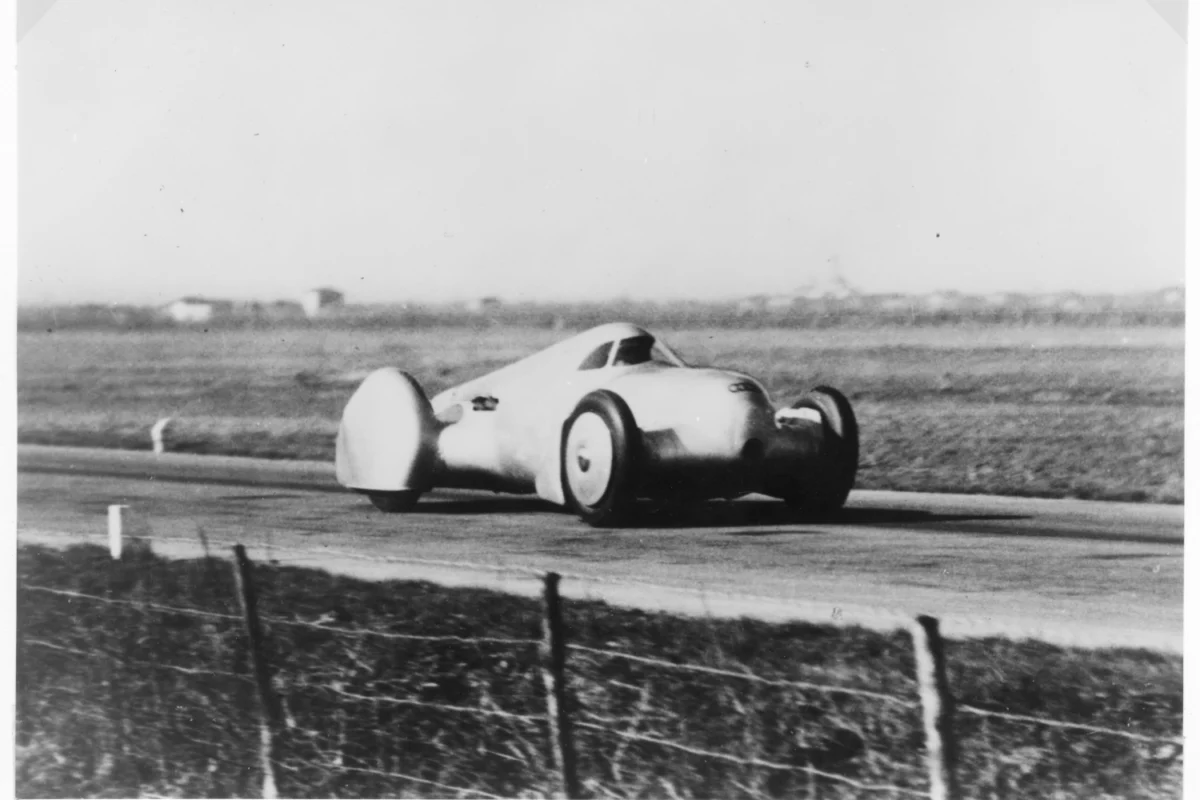
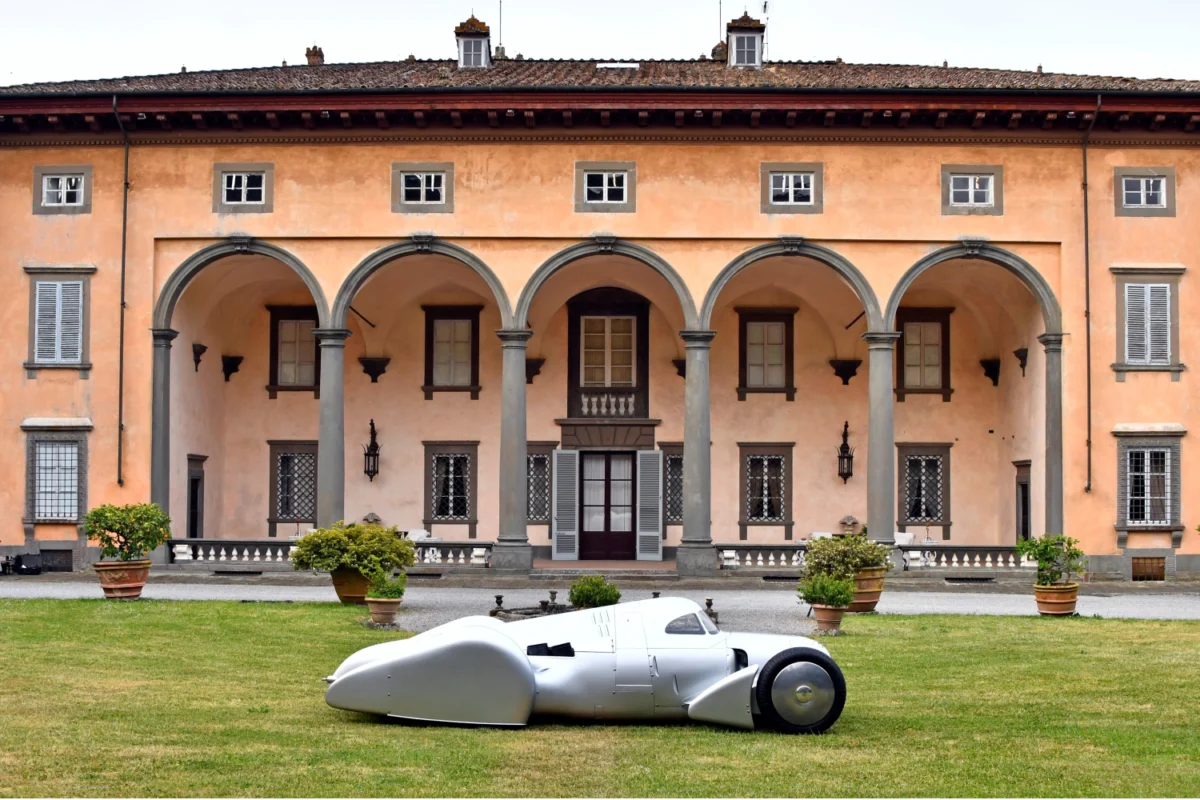
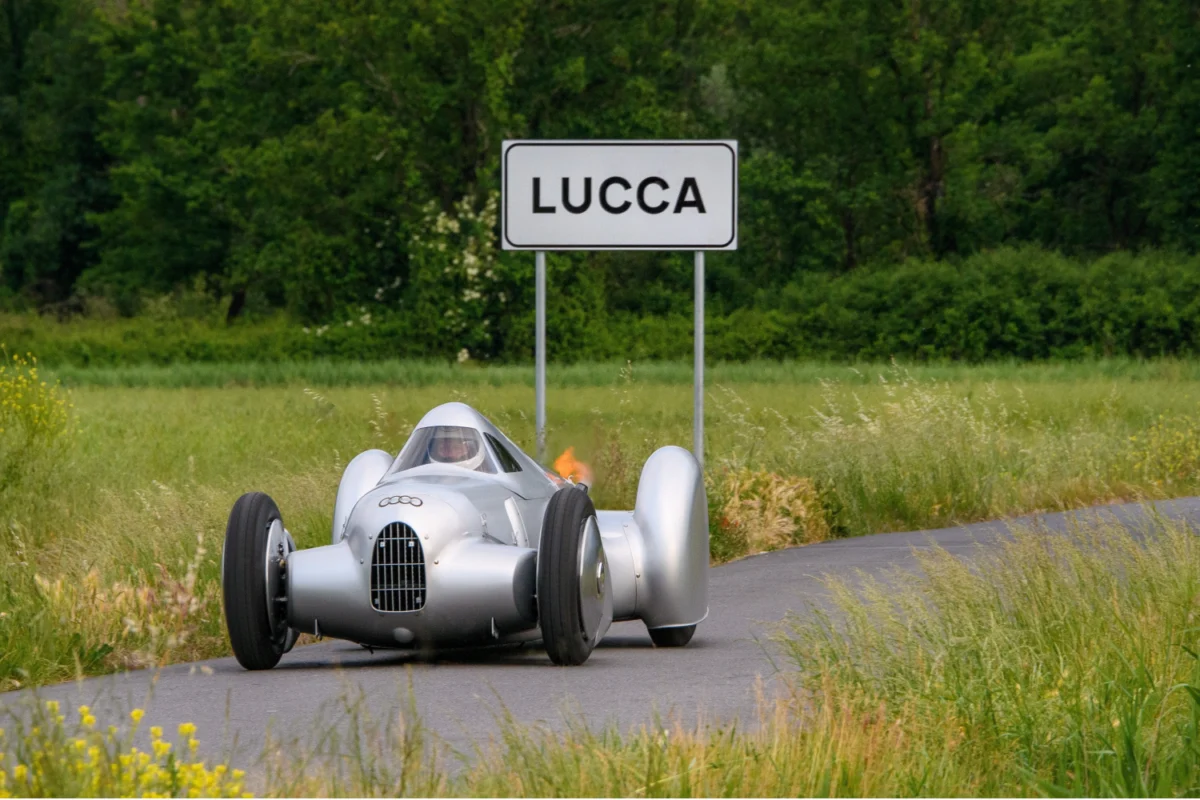
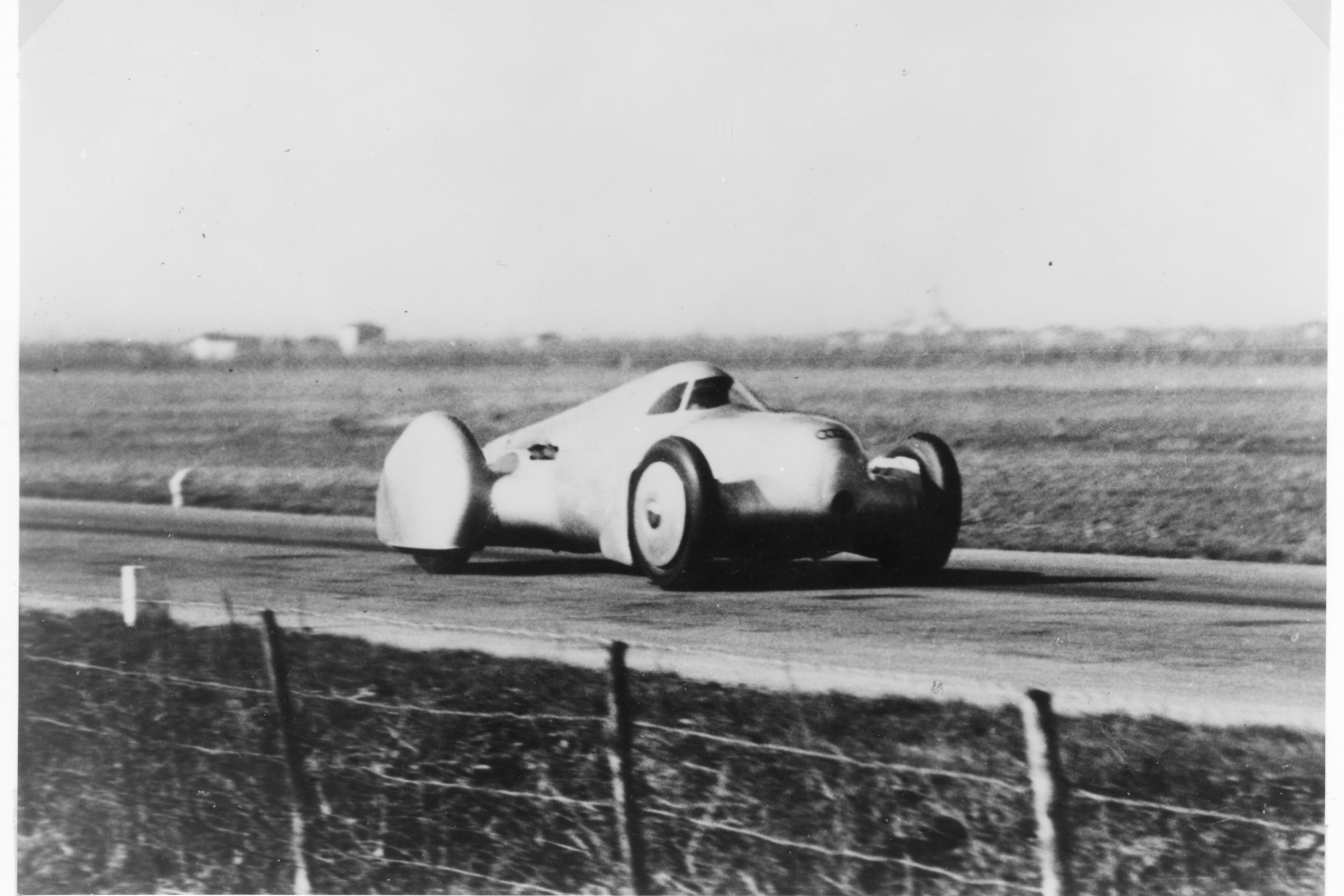
Recreated by Audi Tradition, this sleek pre-war record car has returned as a fully functioning one-off. The dramatic Rennlimousine, first seen in 1935, stunned the motoring world when it hit an average speed of 320.267km/h on an Italian autostrada near Lucca.
That figure mattered. At the time, it made the Auto Union one of the fastest road-racing machines on Earth.
Today, the reborn Lucca joins Audi’s historic Silver Arrow collection and reminds enthusiasts how fiercely innovation drove motorsport before Formula 1 even existed.
The Speed War That Defined the 1930s
During the 1930s, Germany’s biggest manufacturers fought for dominance both on circuits and on public roads. Speed records became rolling advertisements for engineering power.
On one side stood Mercedes-Benz. On the other, Auto Union – the group formed in 1932 from Audi, DKW, Horch and Wanderer.
The rivalry quickly became personal.
Drivers such as Hans Stuck and Bernd Rosemeyer battled against Mercedes stars including Rudolf Caracciola and Manfred von Brauchitsch.
Meanwhile, engineers pushed design boundaries at astonishing speed.
Auto Union had already shocked the racing world in 1934 with its radical mid-engined Grand Prix car. Yet the company wanted more than race wins. It wanted headlines.
So, after Mercedes set a flying-start mile record in Hungary during late 1934, Auto Union launched an aggressive response programme over the winter.
The result was extraordinary.
Born in the Wind Tunnel
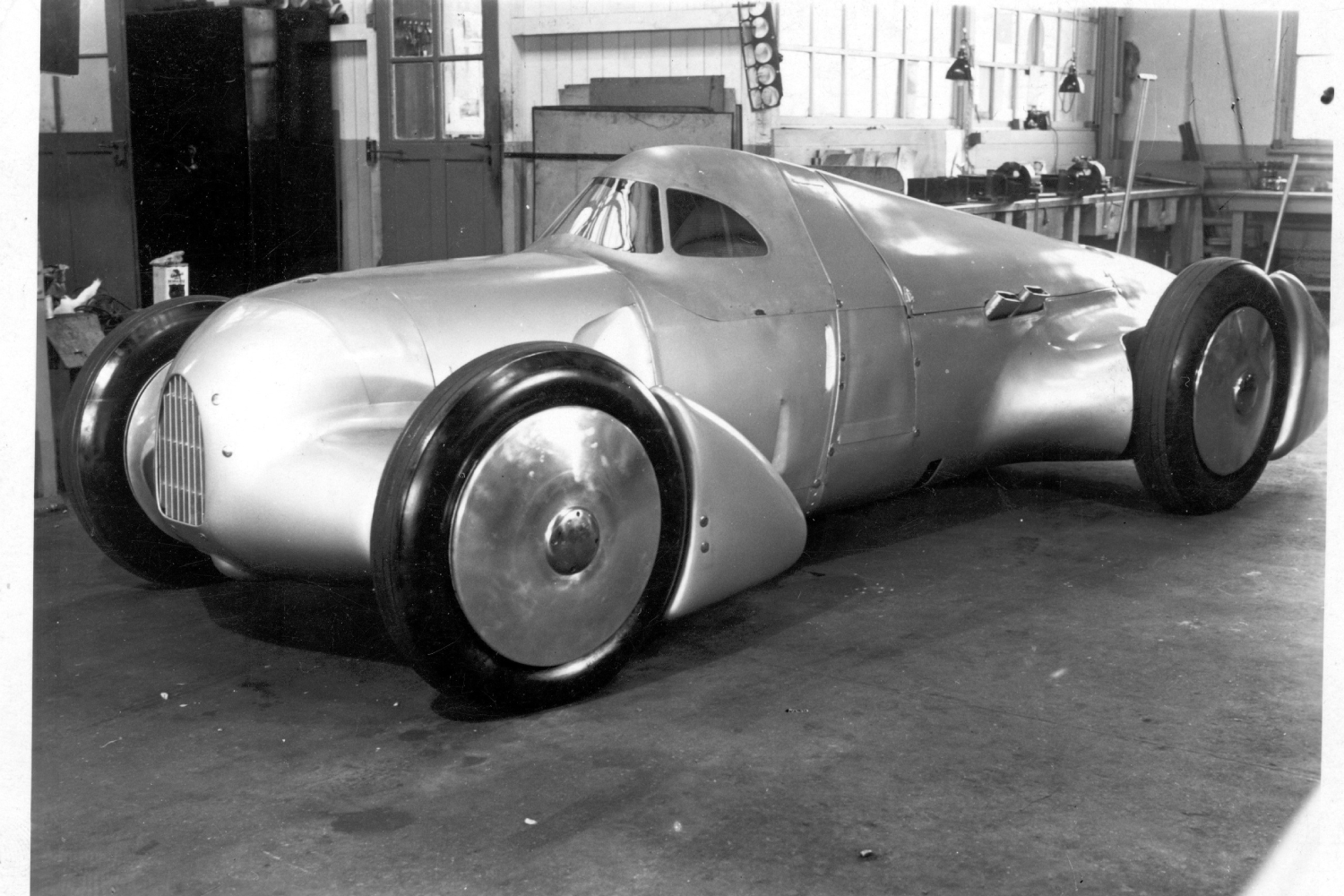
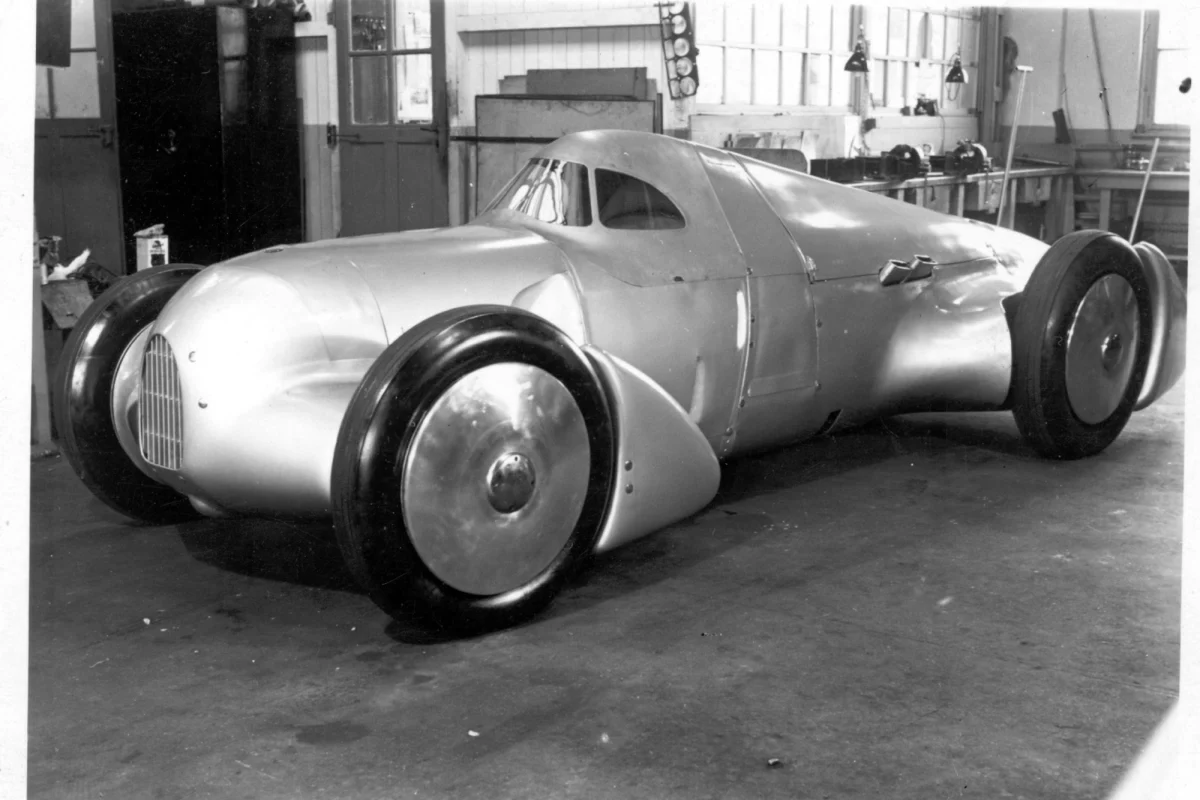
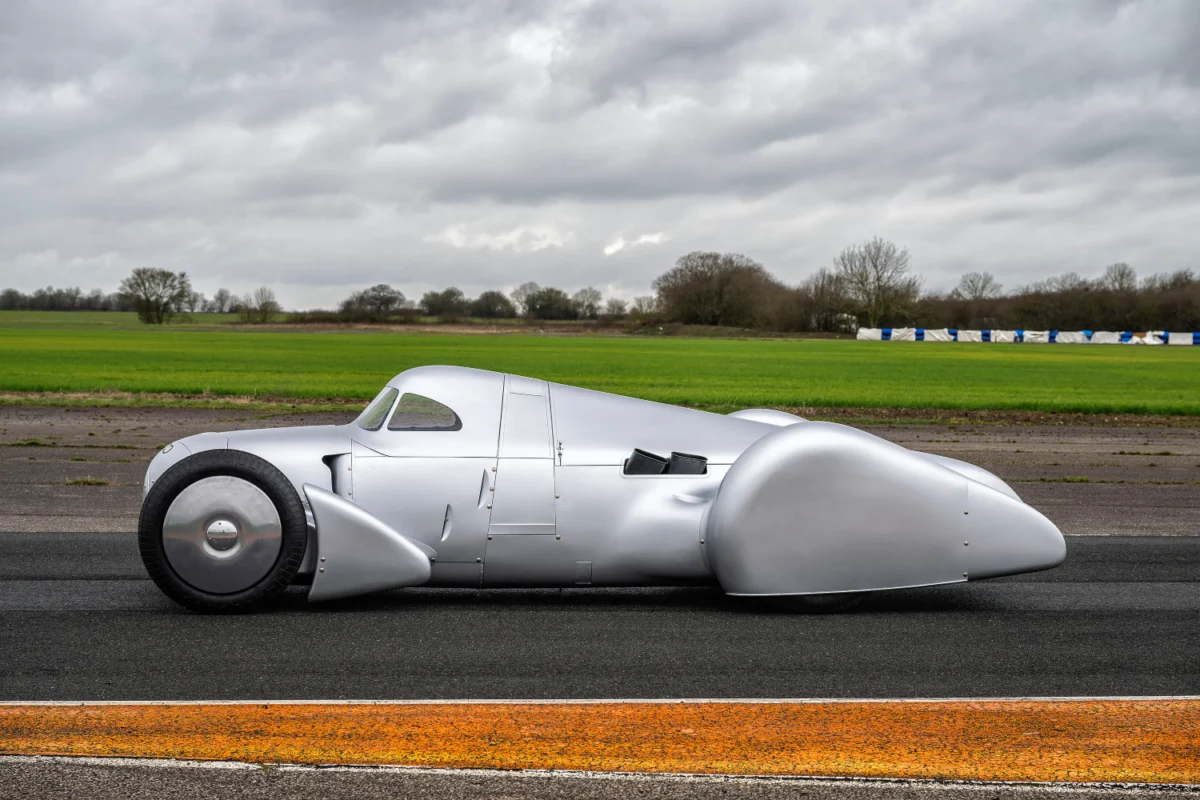
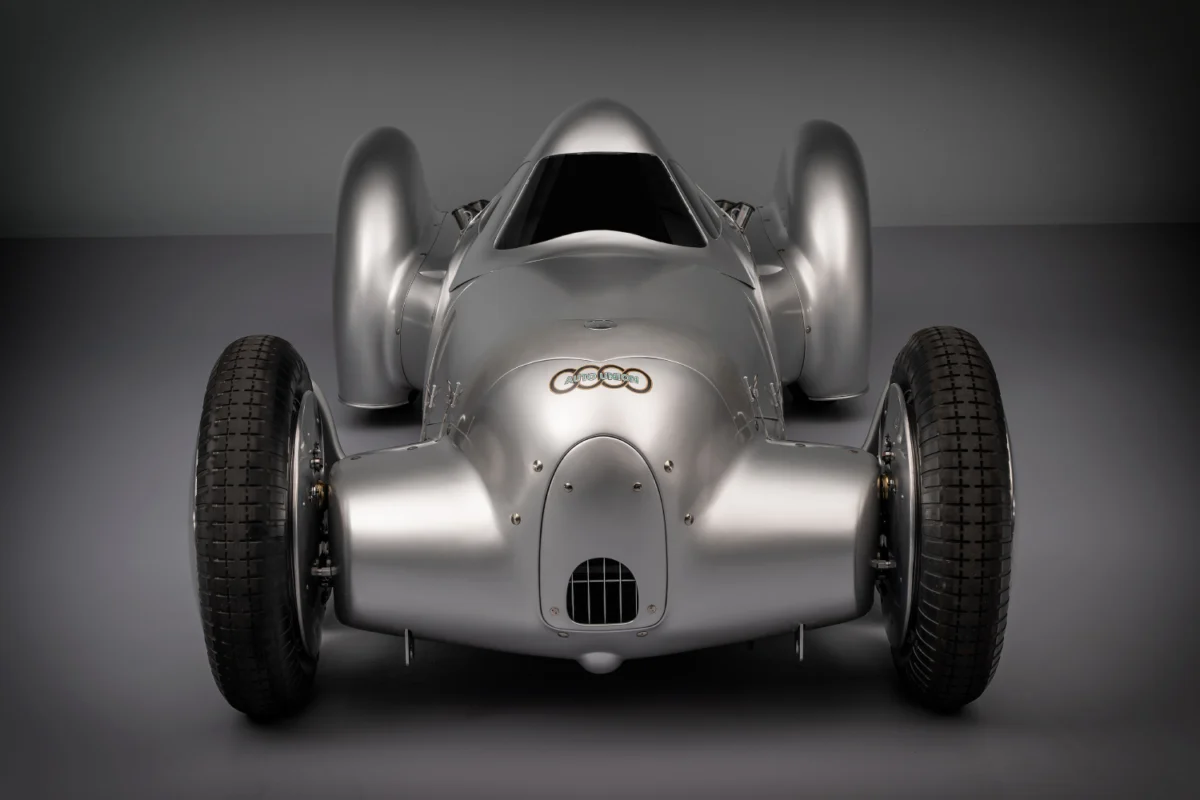
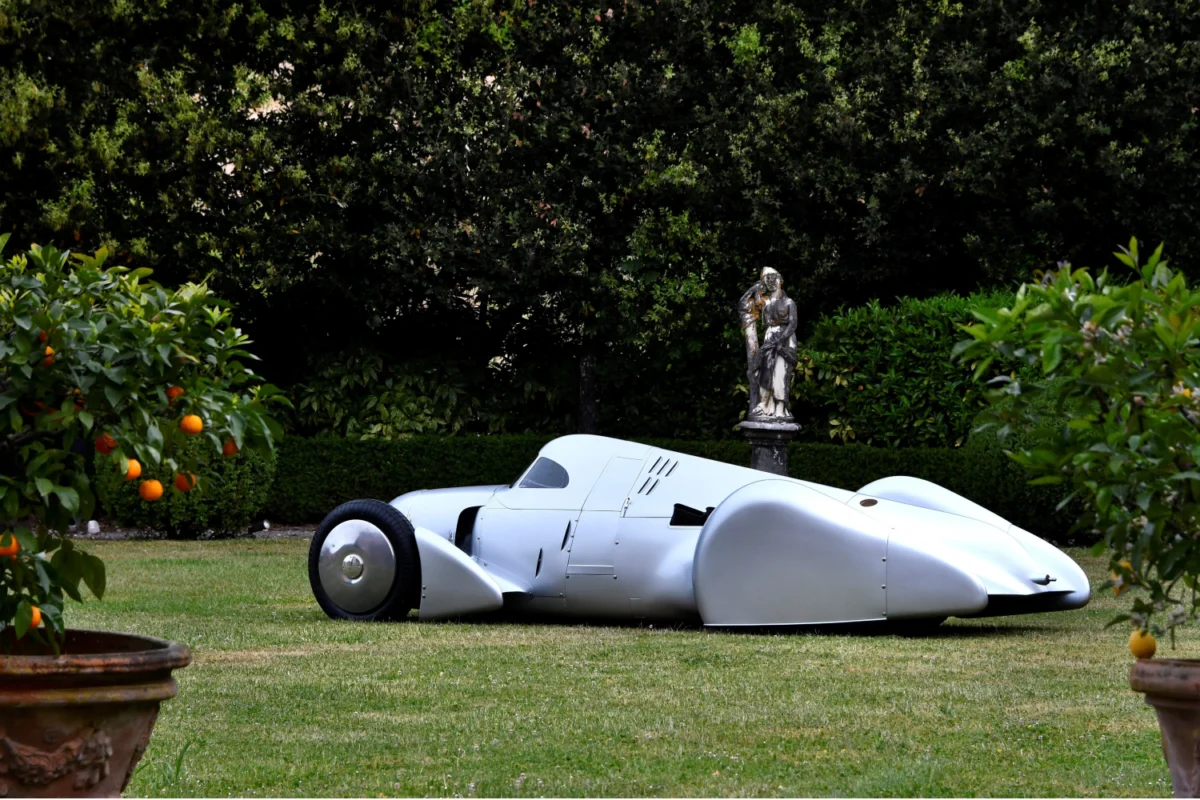
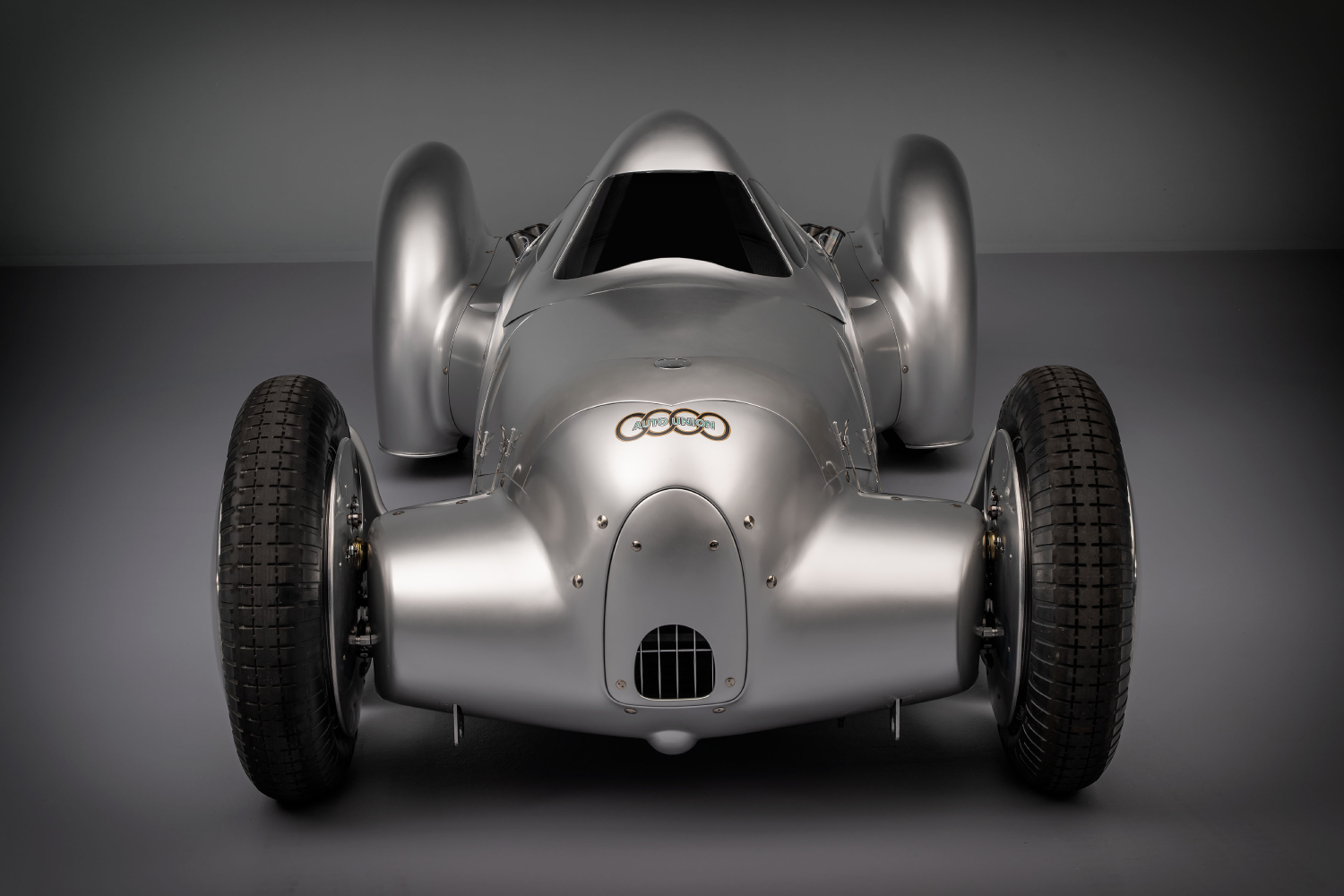
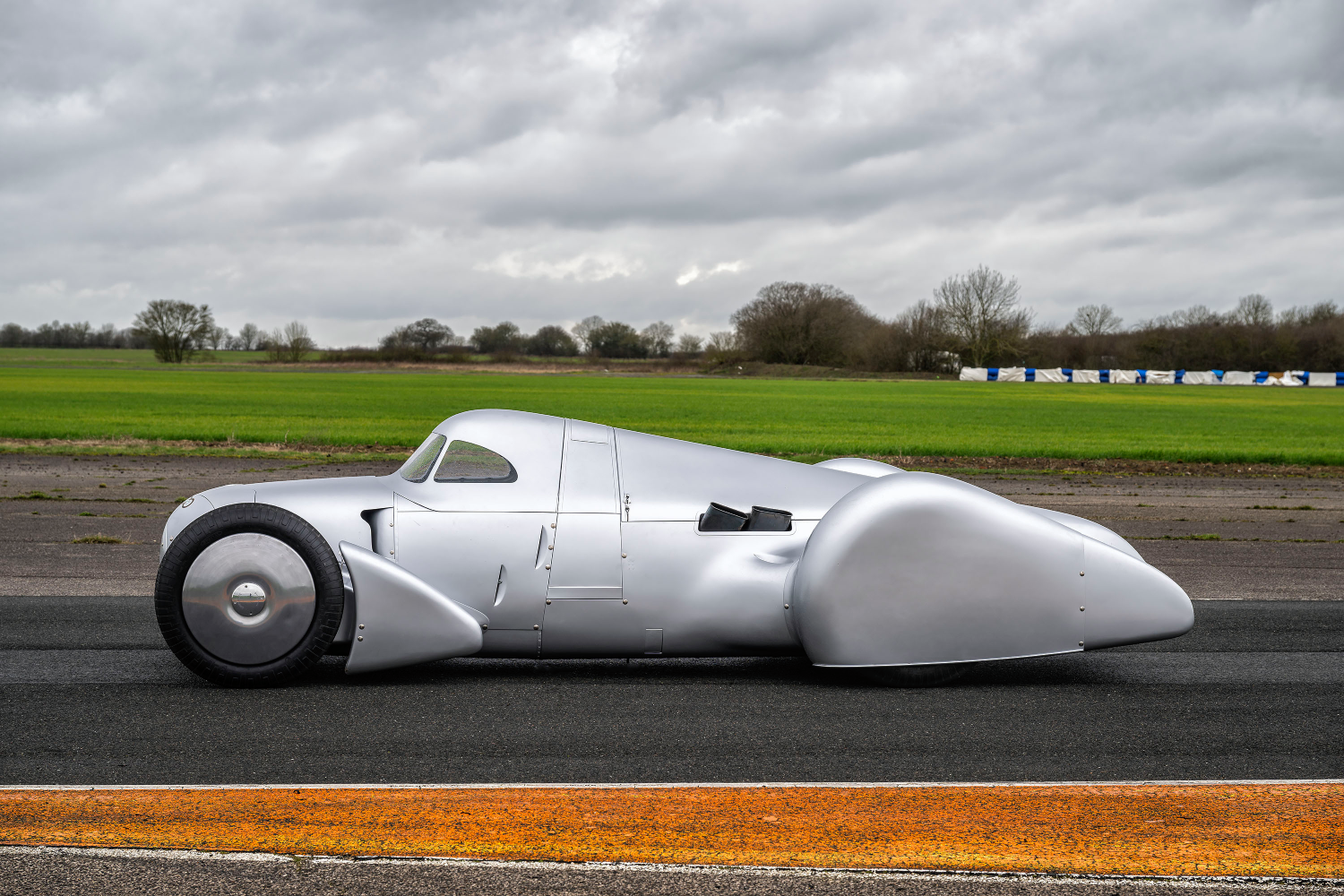
The Auto Union Lucca looked unlike almost anything else on the road at the time.
Engineers developed the car using wind tunnel testing at the Berlin-Adlershof Aeronautical Research Institute. That alone was pioneering in the mid-1930s.
The streamlined body featured:
- A closed cockpit for improved aerodynamics
- Smooth wheel covers
- A sharply tapered rear section
- Teardrop-style wheel arches
- Carefully sealed cooling openings
Even today, the shape looks futuristic.
Power came from a supercharged 16-cylinder engine. Although early versions produced around 343PS, the recreated car now uses a later 6.0-litre Type C engine producing 520PS.
The numbers remain remarkable for a machine designed before the Second World War.
From Hungary to Italy: Chasing the Perfect Road
Auto Union originally planned its 1935 record attempt in Hungary. However, winter weather caused chaos.
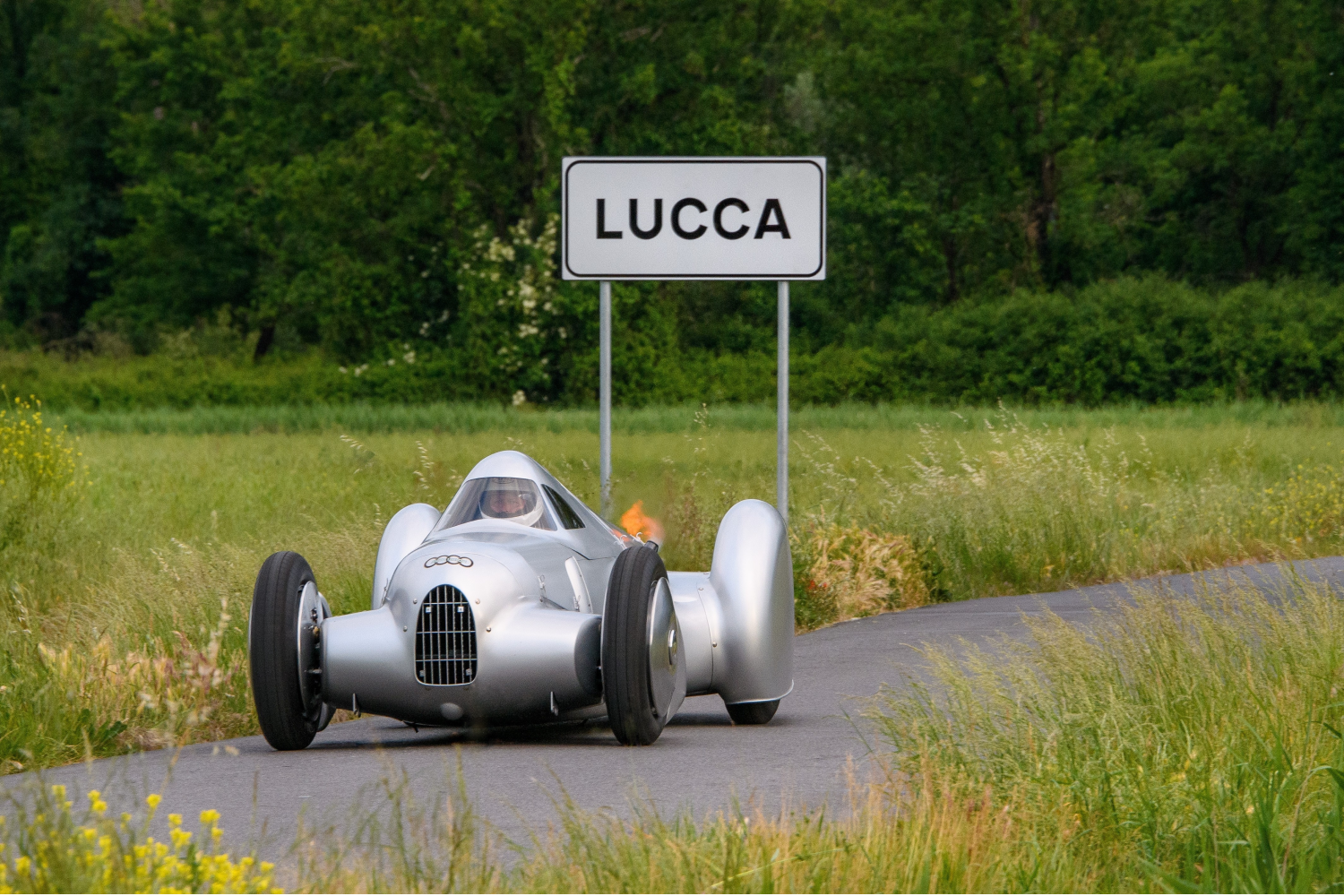
Snow and poor conditions forced the team south towards Italy. Eventually, engineers found an ideal stretch of autostrada near Lucca between Pescia and Altopascio.
The road ticked every box:
- Flat surface
- Long straight sections
- High grip levels
- Minimal traffic
Test runs began on 14 February 1935. Engineers experimented with cooling, wheel covers and airflow management throughout the day.
The next morning, Hans Stuck climbed into the cockpit.
Thousands gathered beside the road to watch.
320km/h in 1935? That Was Astonishing
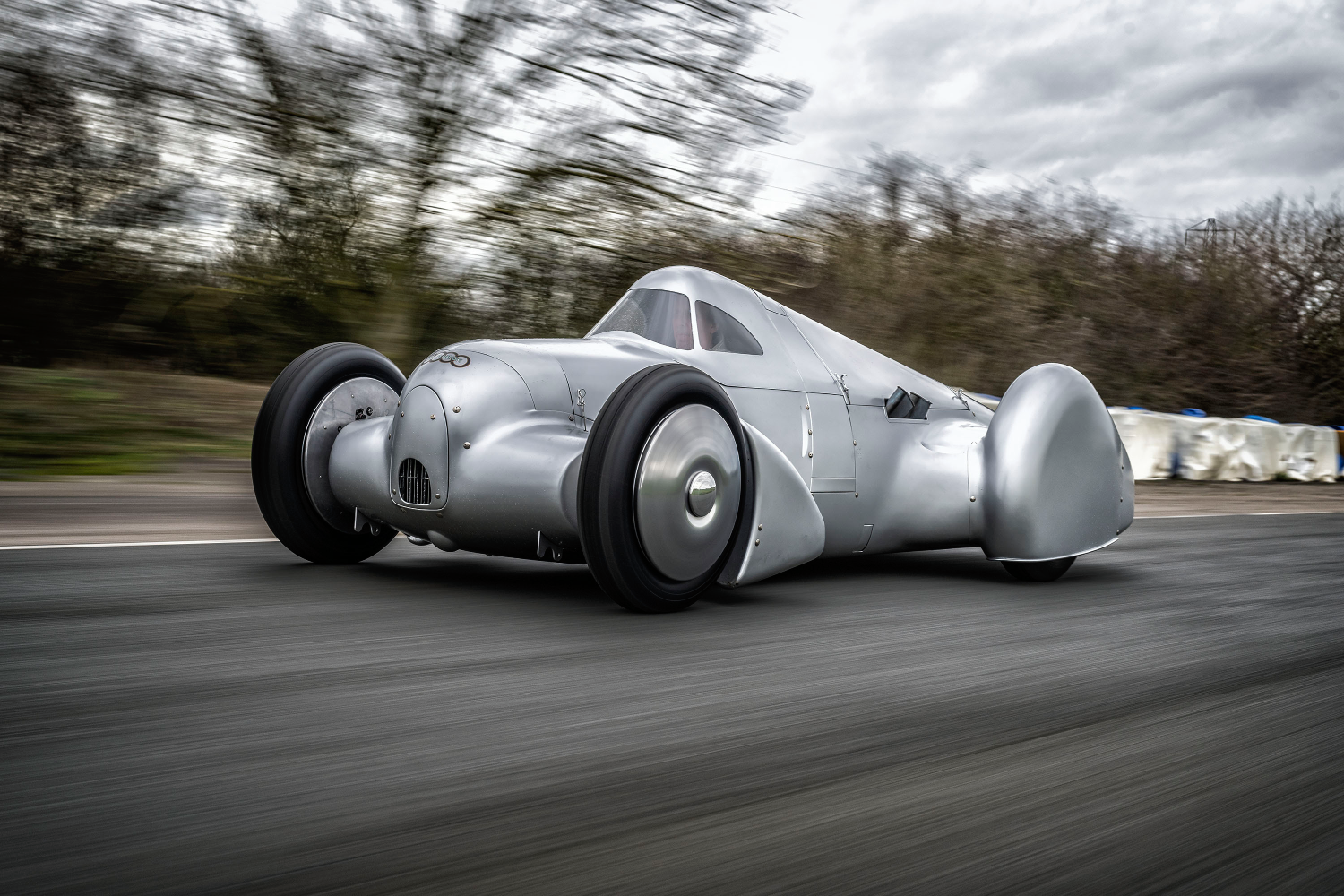
With further aerodynamic tweaks and a partially sealed radiator grille, the Auto Union finally delivered the breakthrough.
Over two timed runs, the Rennlimousine achieved a flying-start mile average of 320.267km/h.
Even more impressive, officials recorded a peak measured speed of 326.975km/h during one run.
For context, many road cars today still struggle to reach those figures.
Back then, achieving them on a public road bordered on unbelievable.
The achievement instantly became a marketing weapon for Auto Union. At almost the same moment the record was set in Italy, a near-identical version of the Auto Union Lucca appeared at the Berlin Motor Show.
Its message was simple: Auto Union had built the world’s fastest road-racing car.
The Avus Race That Changed Everything
Success in motorsport rarely lasts long.
Just months after the Lucca triumph, Auto Union entered two streamlined Rennlimousinen in the 1935 Avus race in Berlin.
The event allowed heavier non-formula cars, making it perfect for the dramatic streamliners.
Yet the race proved brutal.
Bernd Rosemeyer suffered a tyre failure during practice at nearly 290km/h. Thankfully, he kept the car under control.
Meanwhile, Prince Hermann zu Leiningen retired the former Lucca record car during the race after coolant system problems.
Mercedes ultimately claimed victory.
Still, the experience gave Auto Union valuable technical data that shaped future racing development.
Audi’s Three-Year Recreation Project
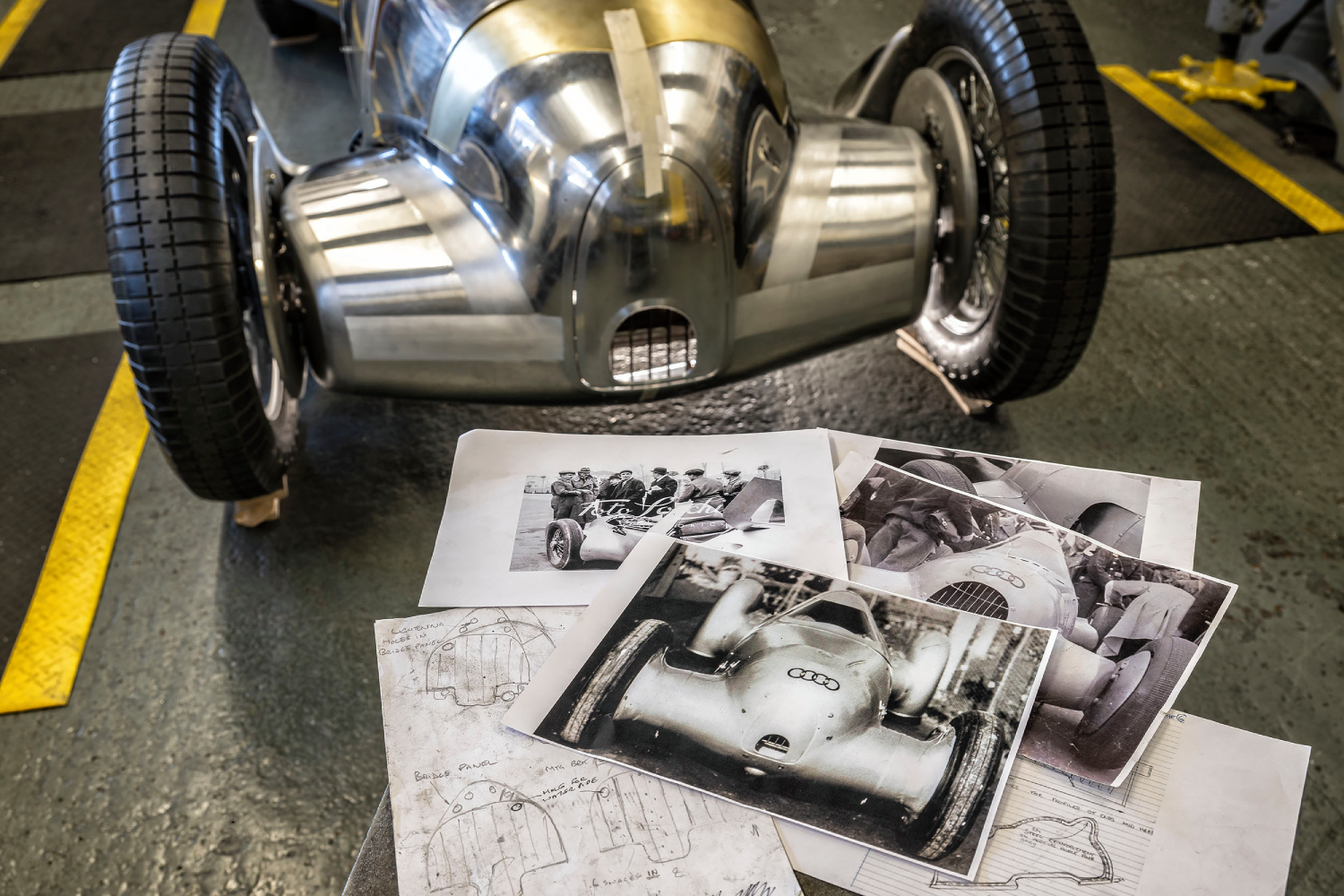
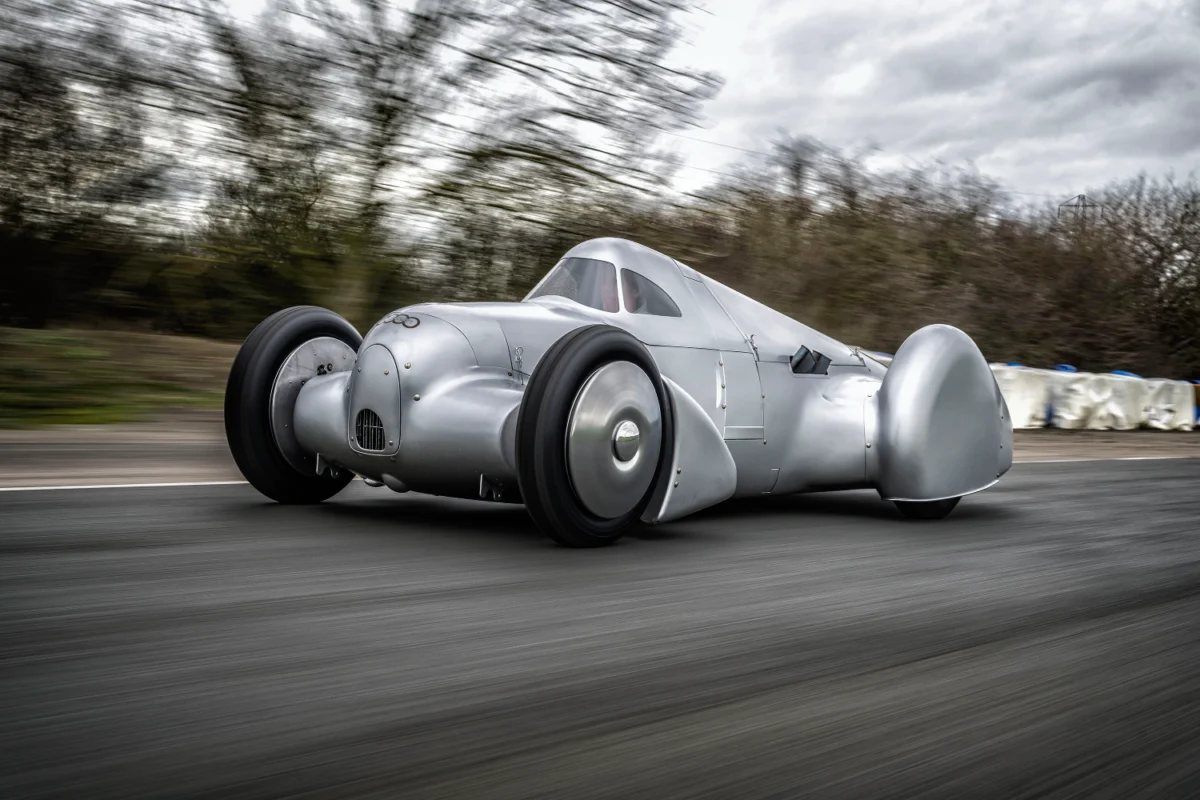
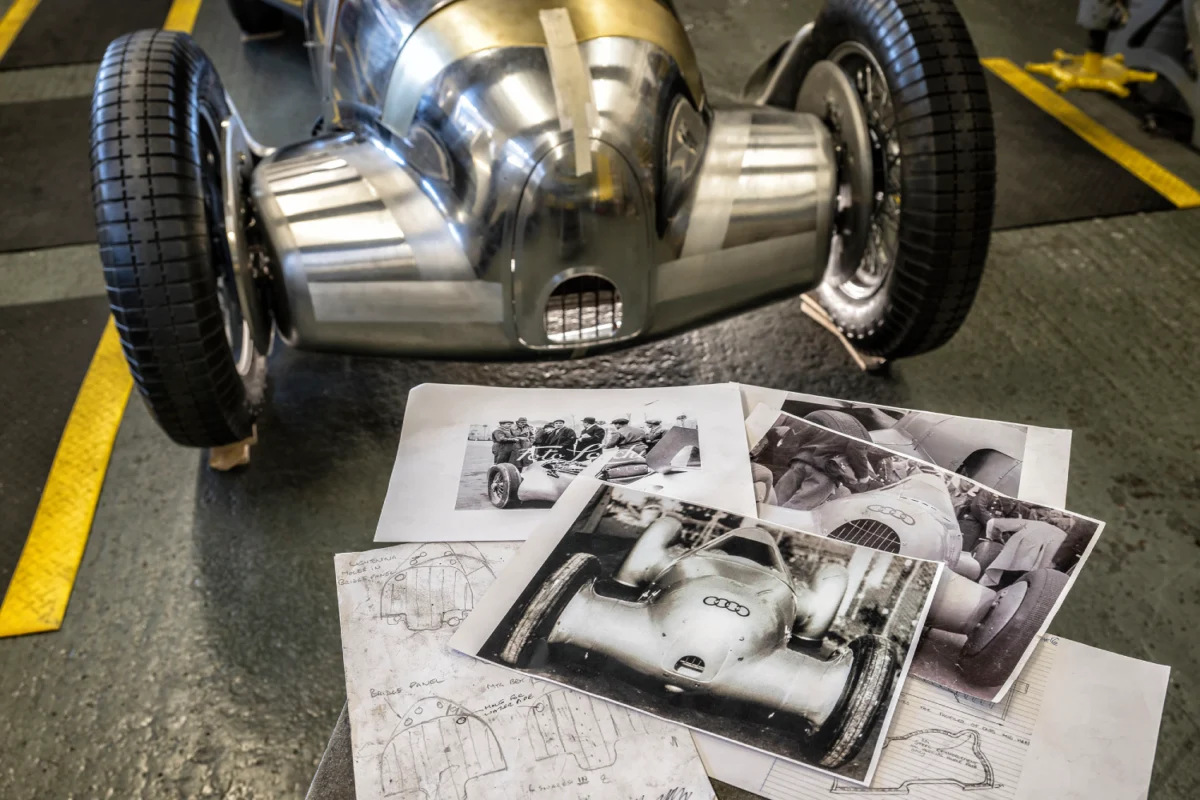
Fast-forward to 2026 and Audi Tradition has finally recreated the famous Auto Union Lucca car from scratch.
The project took more than three years to complete and was handled by British restoration specialists Crosthwaite & Gardiner.
Every component was handcrafted using historic photographs and archived documents.
The flowing aluminium bodywork proved especially demanding. Details such as the cockpit canopy and elongated tail required huge amounts of manual shaping.
Even the aerodynamic performance impressed modern engineers. Audi measured a drag coefficient of 0.43 in its wind tunnel during final testing.
That figure still looks respectable today.
Why the Auto Union Lucca Still Matters
Modern performance cars rely heavily on computers, electronics and simulation software.
The Auto Union Lucca achieved greatness using slide rules, instinct and fearless engineering ambition.
More importantly, it showed how quickly motorsport technology evolved during the 1930s. Teams adapted constantly, reacted to rivals immediately and developed cars at breathtaking pace.
The Lucca also captures something modern racing sometimes lacks – visual drama.
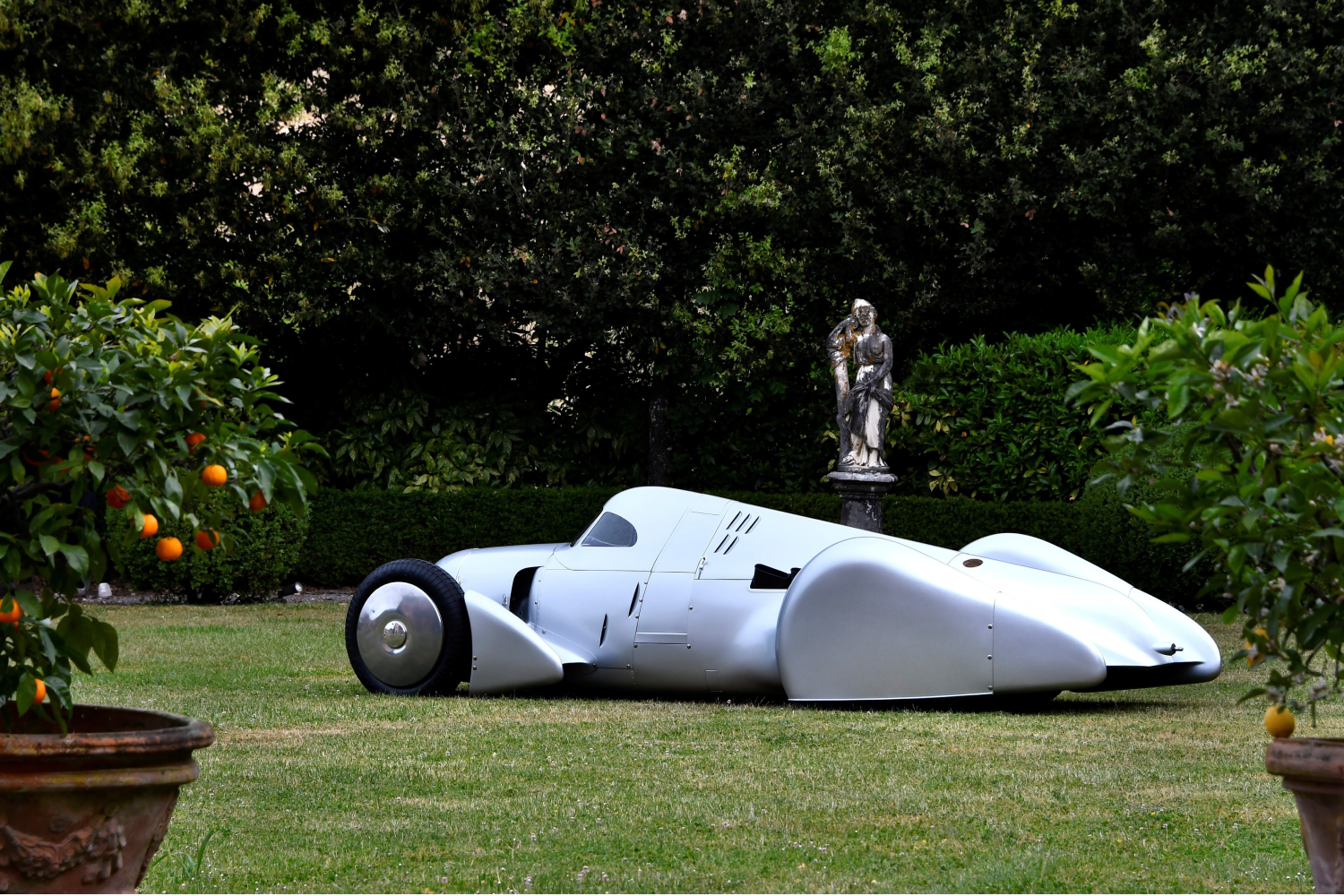
Its long silver body, enclosed wheels and aircraft-inspired shape feel elegant rather than aggressive. Even standing still, it looks fast.
That combination of beauty and purpose explains why the recreated car matters far beyond Audi’s museum collection.
Goodwood Awaits
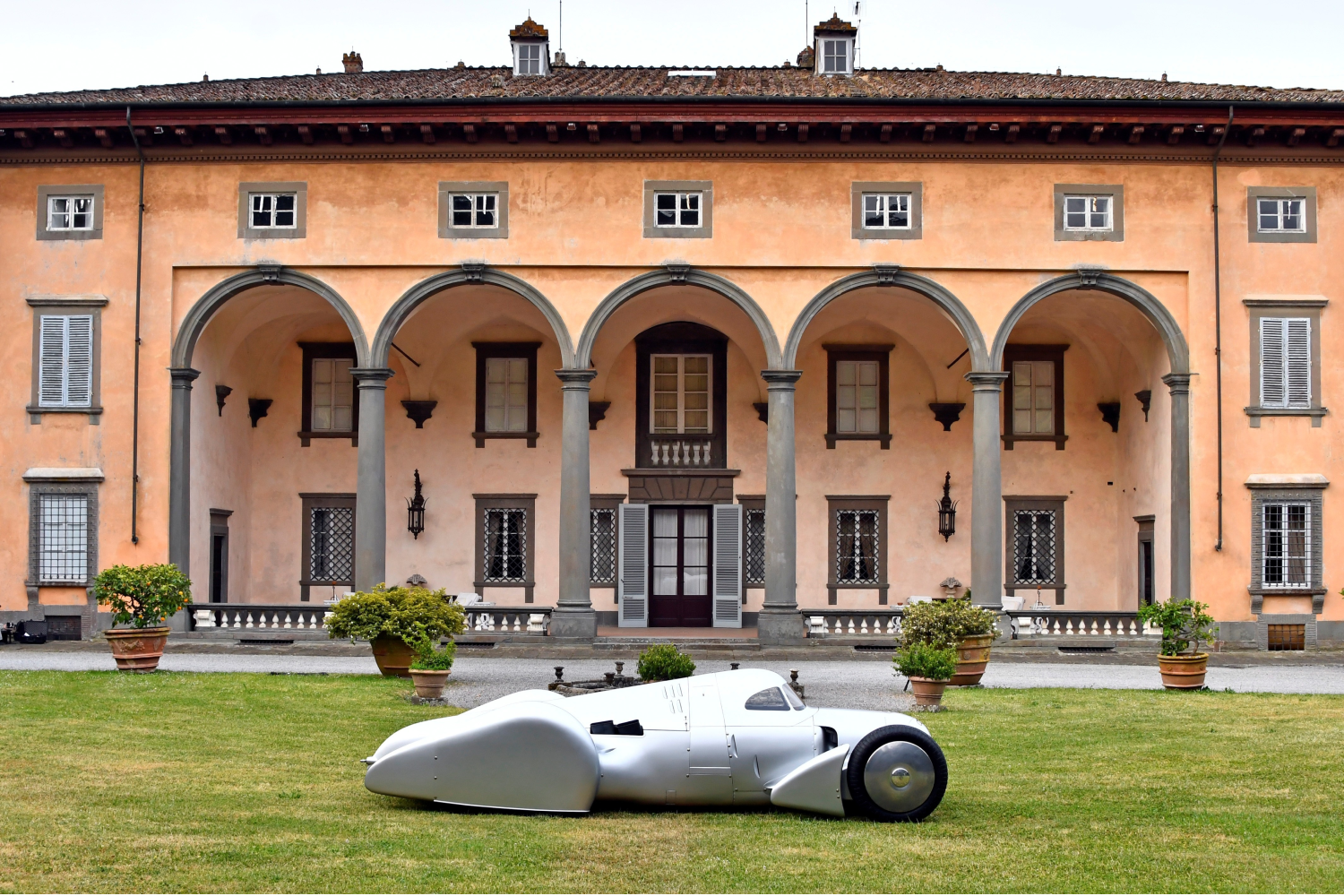
After its unveiling in Italy, the Auto Union Lucca will make its public dynamic debut at the Goodwood Festival of Speed 2026.
For fans of historic motorsport, it could become one of the event’s standout moments.
Hearing a supercharged V16 Silver Arrow echoing up the hill remains one of motoring’s great sensory experiences.
And thanks to Audi Tradition, another lost icon is ready to run again.
Auto Union Lucca: Key Technical Specifications
Engine and Performance
- Supercharged 16-cylinder engine
- 6.0-litre displacement
- 520PS at 4,500rpm
- Fuel mix includes methanol and toluene
Dimensions
- Length: 4,570mm
- Width: 1,700mm
- Height: 1,200mm
- Wheelbase: 2,800mm
Weight and Construction
- Kerb weight: 960kg
- Handcrafted aluminium body
- Cellulose silver finish
Production
- One-off recreation by Audi Tradition
Conclusion
The Auto Union Lucca represents a remarkable chapter in racing history. It blended daring engineering with striking design long before modern aerodynamics became standard practice.
Moreover, Audi’s decision to recreate the car feels especially timely. As modern performance cars become increasingly digital, machines like the Lucca, by contrast, remind us how raw and courageous early motorsport once was.
Would you rather see historic racing cars restored exactly as they were, or updated for modern reliability? And where does the Auto Union Lucca rank among the greatest Silver Arrows ever built?



Read more on

Advertise your Car Show on My Car Heaven.
Get in touch and we can make that happen for you.
Find Out MoreRelated Stories
Advertisement Advertisement
 Advertisement
 Advertisement
 Advertisement