



Why Durable Tires Are Essential for Truck Owners
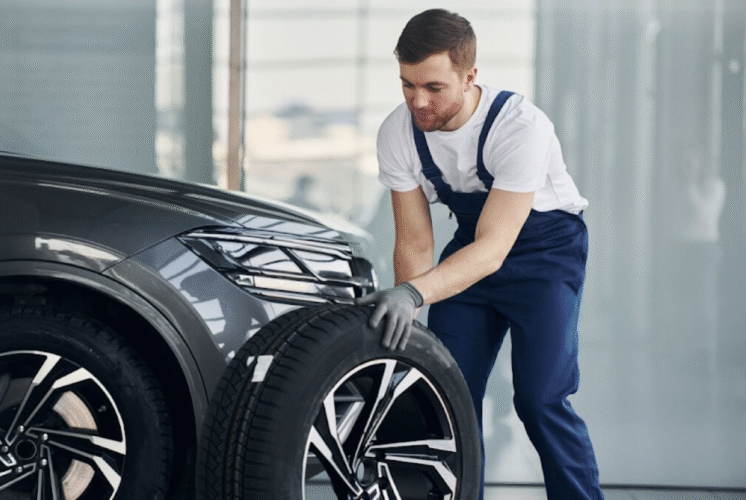
To truck owners, tires are not an extension of the truck but the basis of the safety, performance, and reliability of the truck. Durable tires can work with heavy loads, rugged roads, and long routes without wearing off easily, so that your truck will be driven at a good speed and you will reduce the chances of an expensive breakdown because of worn-out tires.
Tires of poor quality or tires that are too old may cause accidents, imbalance in their wear and tear, and low fuel efficiency, and any commute becomes a stressful event. In this blog, we will discuss why it is important to invest in tires that last long and give you tips on what to recommend and how to keep up your tires to protect your truck, your cargo, and your sanity on the road.
Safety Advantages of Heavy-Duty Truck Tires Under Real Working Conditions
Sure, saving cash matters. However, tire failure is a much more costly affair than money; it puts your life, and the lives of your comrades, and any other highway users at risk.
Stopping Distance, Hydroplaning Resistance, and Wet Traction
Your truck will either pull up on time in seconds or not, depending on the depth of the tread, the type of sapping used, and the compound developed. Rubber that is lapsed cannot be evacuated, and wet pavement is an ice rink.
Best Tires for Trucks by Use-Case
With durability fundamentals covered, your next move is aligning the right tire technology with your truck’s specific daily demands.
Daily Highway Commuting + Occasional Towing
Focus on minimal rolling resistance, confident wet stopping power, generous tread warranties, and civilized cabin noise. Avoid aggressive patterns; they waste fuel and wear unevenly when your truck lives primarily on asphalt.
Work Trucks: Construction, Landscaping, Service Bodies, Gravel Routes
Puncture protection, chip-and-tear-resistant tread blocks, fortified sidewalls, and elevated load ratings aren’t optional here. When debris exposure is routine, commercial-grade A/T tires strike the optimal balance between toughness and adaptability without the compromises full mud tires demand.
Many commercial operators also discover that 245/75R16 tires hit a practical sweet spot, providing robust load capability and sidewall strength in a widely available size that accommodates numerous popular work truck platforms without lift modifications or extensive alterations.
Core Durability Features That Separate Long-Lasting Truck Tires from “Good Enough”
Since we already determined the reasons as to why durability and safety are not negotiable, it is time to unpack the engineering choices and design factors, which, in fact, perform when things get dirty.
Surviving Work Construction
Light Truck tires are not marketing bluff, but rather, they are designed with reinforced structures that are able to absorb the punishments of the job sites and towing forces that would have shredded passenger tires. Sidewall bracing, rim guards, and slash-resistant compounds ensure your rubber is not torn apart by gravel, debris of the site, and rough terrain when they are part of your ride.
Preventing Premature Wear
Even the finest tires in trucks will not perform well or will end up failing too soon without rigorous maintenance. That is your map to take care of that investment and stretch all the miles.
Sidewall and Tread Protection Strategy of Tire Pressure
Low pressure causes excessive lateral wall flex, heat production, and expediency of shoulder destruction. Too much inflation provides severe ride performance and center tread loss.
Measure the cold pressure of the checks every week with an accurate digital indicator. Compensate for the changes in the load and seasonal temperature changes. A 10 o C drop in temperature will yield about 1 PSI drop.
Modern Tools and Innovations Competitors Don’t Cover
The old-fashioned methods of maintenance are not completely lost, but nowadays, the owners of trucks have opportunities to use smart technologies that detect issues before they transform into costly failures.
TPMS and External Tire Pressure Sensors for Preventive Protection
Leak alerts will notify in real-time and avoid heat damage and explosions well before they are visualized. Set alert settings and check sensor accuracy on a quarterly basis in order to detect gradual leakages before it is too late.
Artificial Intelligence Scanning Treads and Predicting Wear
Quick scans on the smartphone can overlay replacement windows and raise issues of flagging problems at an early stage. Lack of scanning will reduce changes over time where capture monthly photographs of the tread depth and sidewall condition to be made to track changes.
Self-Sealing Technology and Puncture-Resistant Technology
Self-sealing tires are heavy, potentially difficult to fix, and expensive, but they will save time lost in high-puncture areas such as construction zones and industrial yards.
Timing Truck Tire Replacement Before Failure
Not all tires last forever, despite adequate maintenance and control. The right moment to replace tires allows you to avoid unforeseen breakdowns and minimize safety issues, and you will be able to maximize your investment.
Replacement Triggers Beyond Tread Depth
Age (more than six years old), cracks on the side walls, protruding, repetitive puncture history, uncorrectable non-uniform wear, and extreme heat cycling all contribute to replacement time. Perform a rapid inspection (sine, 3 minutes): check the tread depth using an appropriate gauge, inspect the sidewalls, and look for the presence or absence of cracks or bulges, and find the signs of uneven wear.
Matching New Tires to Your Real-World Loads and Routes
Choose the correct range of loads, speed rating, and type of application. Do not overpurchase tire capacity because it sounds more like. Compare your real duty cycle, and not some hypothetical worst-case situation.
Mixing Tires, Replacing Pairs vs Sets, and Drivetrain Damage Prevention
Tire mixing is extremely hazardous when used in 4WD and AWD trucks because of the mismatch in the diameter, which is straining the components of the drive train. In case one of the tires needs replacement due to the force of circumstances, keep the tread depth difference at less than 2/32.


Read more on
MyCarHeaven are on Instagram. Go check us out and do follow us.
Go visit the MyCarHeaven Instagram page. We post regular quality content, predominantly focused on classic cars, supercars, hypercars and car shows. We also feature all our competitions here, where you will have the chance IF YOU FOLLOW US and you follow the competition entry criteria, you could be in with a chance of winning tickets to the best UK car shows, and other automotive stuff.
Go to the MyCarHeaven Instagram account here. Advertisement
 Advertisement
 Advertisement
 Advertisement