


Atlanta Car Accidents Explained: Fault, Insurance Secrets, and How to Recover Faster
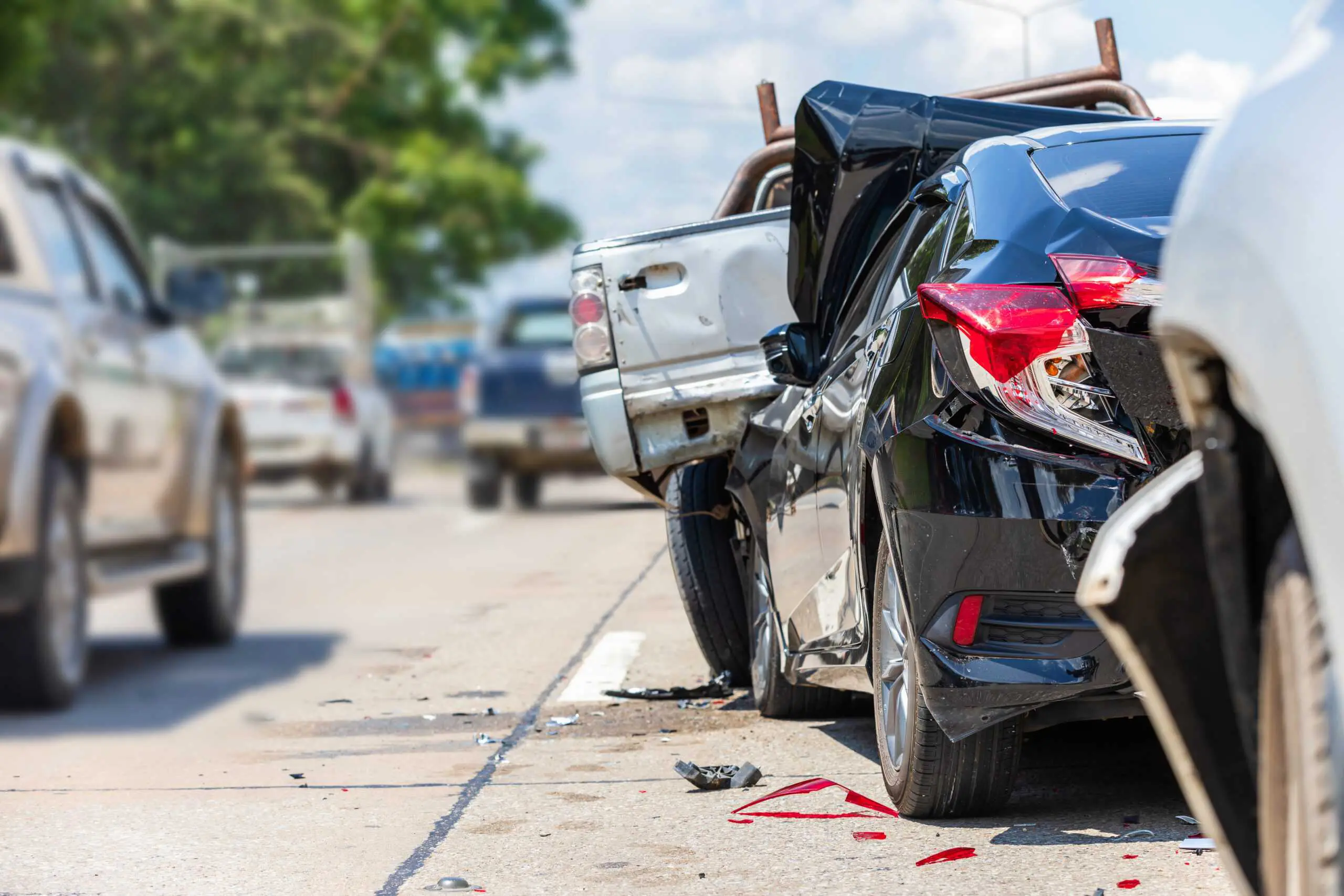
Car accidents happen every day in Atlanta, and most drivers know they will need to deal with insurance after a crash. What many drivers do not realise is how Georgia’s fault rules and insurance requirements interact. These affect whether you can recover money for your losses. However, understanding these legal concepts can help you make informed decisions after a crash. As a result, your recovery options are clear rather than confusing.
How Fault Is Determined After an Atlanta Crash
In Georgia, determining fault in a car accident is not simply about who received a traffic citation at the scene. According to an Atlanta car accident lawyer at Kaine Law, insurance companies and courts assign fault percentages based on evidence such as the police report, witness statements, photographs, traffic camera footage, and the physical damage to the vehicles. A citation may influence the analysis. However, it does not automatically decide civil liability.
Georgia follows a modified comparative negligence system under O.C.G.A. § 51-12-33. This means fault can be divided among multiple parties based on whether each person failed to exercise ordinary care. The fact finder, whether an insurance adjuster, judge, or jury, assigns a percentage of responsibility to each party involved.
Georgia’s Minimum Insurance Requirements
Georgia law requires all drivers to carry a minimum amount of liability insurance to cover other people’s injuries and property damage if you cause a crash. These minimums are often called 25/50/25 coverage. That means $25,000 per person for bodily injury, $50,000 per accident for bodily injury, and $25,000 for property damage.
These amounts are the legal floor for coverage, but they may not fully compensate you for serious injuries or major damage. If the at-fault driver’s policy limits are too low to cover your losses, you may need to rely on your own uninsured or underinsured motorist coverage if you have it. In addition, Georgia insurers must offer uninsured and underinsured coverage, but you can reject it in writing.
How Fault Affects Your Insurance Claim
When you file a claim, the insurer will investigate to determine how much fault to assign. A police crash report is a key piece of evidence, but it is not legally binding on fault in an insurance claim or civil case. Therefore, insurance adjusters will review photos, witness accounts, vehicle damage patterns, and statements from drivers to estimate fault percentages.
If you make statements that imply you caused the accident, insurers may use those statements when evaluating comparative fault. Adjusters often ask detailed questions early in the process. Also, the information you provide can influence how responsibility is allocated and how damages are valued.
When Insurance Doesn’t Cover All Your Losses
If the at-fault driver does not carry insurance, or if their liability limits are too low to cover your injuries and property damage, your own auto policy may provide additional protection. Georgia law requires insurers to offer uninsured and underinsured motorist coverage under O.C.G.A. § 33-7-11. However, drivers may reject it in writing.
There are two common forms of underinsured motorist coverage in Georgia: reduced coverage, which pays only the difference between the at-fault driver’s limits and your own limits. There is also added-on coverage, which may stack on top of the at-fault driver’s policy limits. The amount available depends on the structure of your policy. Even when your own coverage applies, insurers may evaluate fault percentages and dispute the extent of your damages. Therefore, keeping detailed medical records, repair estimates, wage documentation, and written communications can support your claim if disagreements arise.
Your Role in Protecting Your Recovery
After a crash in Atlanta, the steps you take in the first hours and days can influence how fault is evaluated and how insurers process your claim. Georgia law requires drivers to report accidents involving injury, death, or apparent property damage of $500 or more to law enforcement under O.C.G.A. § 40-6-273. In addition, drivers must exchange identifying and insurance information at the scene under O.C.G.A. § 40-6-270. Requesting a police report, photographing vehicle damage and road conditions, and obtaining contact information from witnesses can help ensure that later fault determinations are based on documented facts.
In the days that follow, notify your insurer promptly as required by most policies, since delays can complicate coverage questions. Seek medical evaluation even if symptoms seem minor, because medical records establish a timeline connecting injuries to the collision. Meanwhile, keep organised copies of medical bills, repair estimates, wage documentation, and written communications with insurers. These records support the amount of compensation you seek and help address disputes over fault or damages.
Understanding Your Options After a Crash
Understanding how fault and insurance interact in Georgia can help you assess your options after an Atlanta crash. Fault percentages influence whether you can recover compensation and how much you receive. Also, minimum insurance limits may not cover all your losses.
Evaluating your options early allows you to consider insurance claims, uninsured or underinsured motorist coverage, and potential litigation within the applicable deadlines. Knowing how these legal timelines and fault rules work together can help you make informed decisions about protecting your financial recovery.


Read more on
MyCarHeaven are on Instagram. Go check us out and do follow us.
Go visit the MyCarHeaven Instagram page. We post regular quality content, predominantly focused on classic cars, supercars, hypercars and car shows. We also feature all our competitions here, where you will have the chance IF YOU FOLLOW US and you follow the competition entry criteria, you could be in with a chance of winning tickets to the best UK car shows, and other automotive stuff.
Go to the MyCarHeaven Instagram account here. Advertisement
 Advertisement
 Advertisement
 Advertisement