



Why McLaren’s Faithfully Restored M6GT Is One of the Most Exciting Cars at Goodwood Festival of Speed 2026
Every great car company has a defining moment. For McLaren, that story began long before the F1, P1 or W1. One of the most pivotal models in this history is the M6GT. It started with Bruce McLaren’s ambition to build a road car that carried the same spirit as his racing machines.
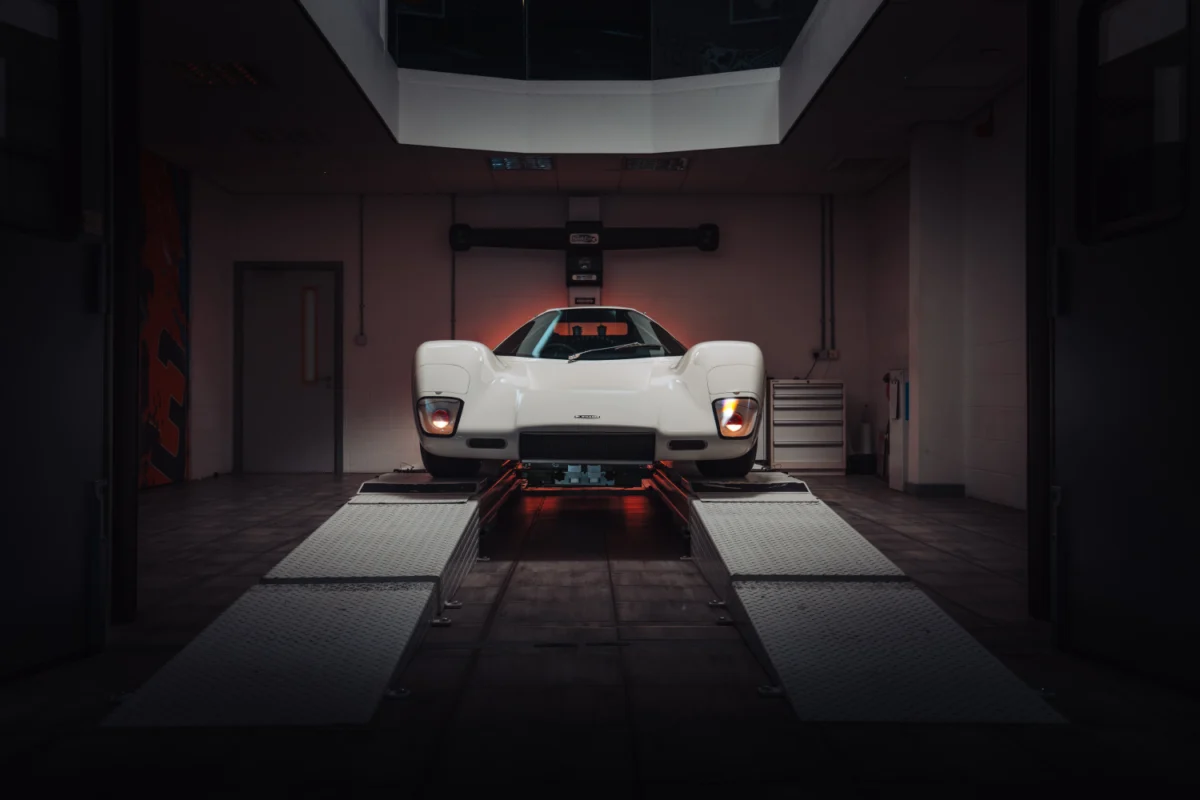
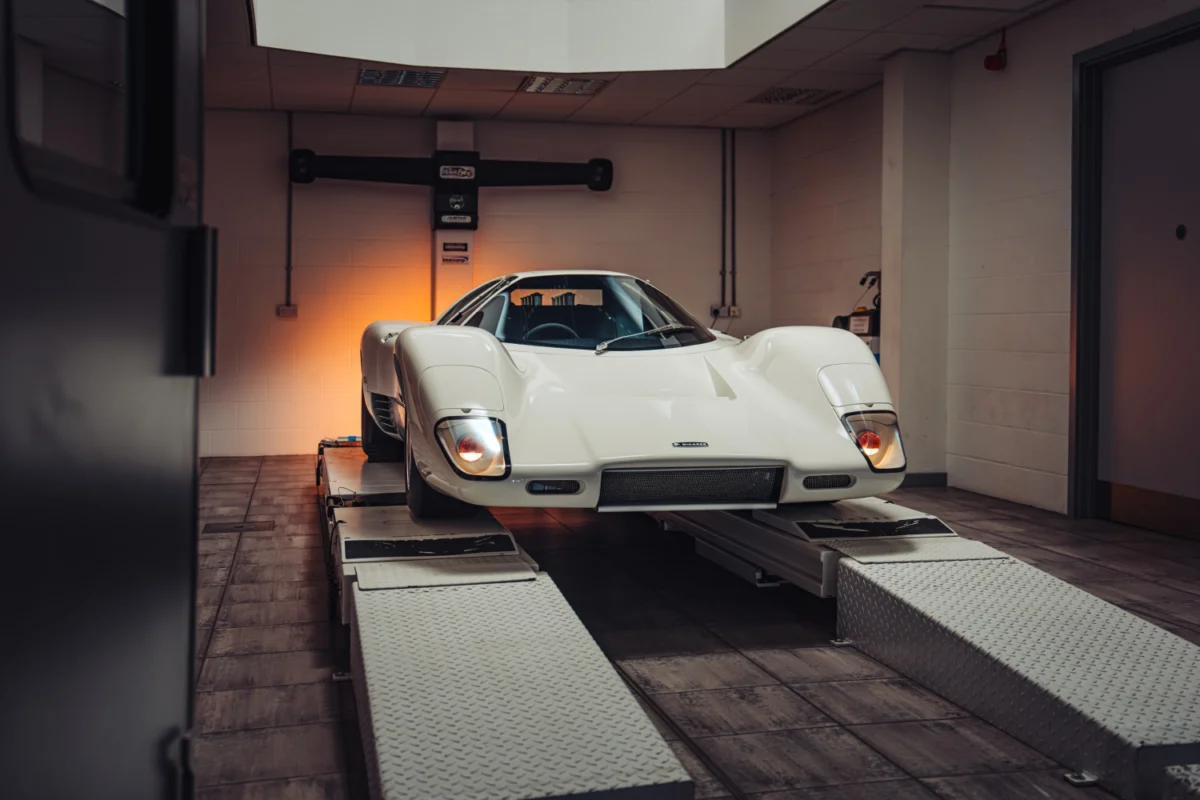
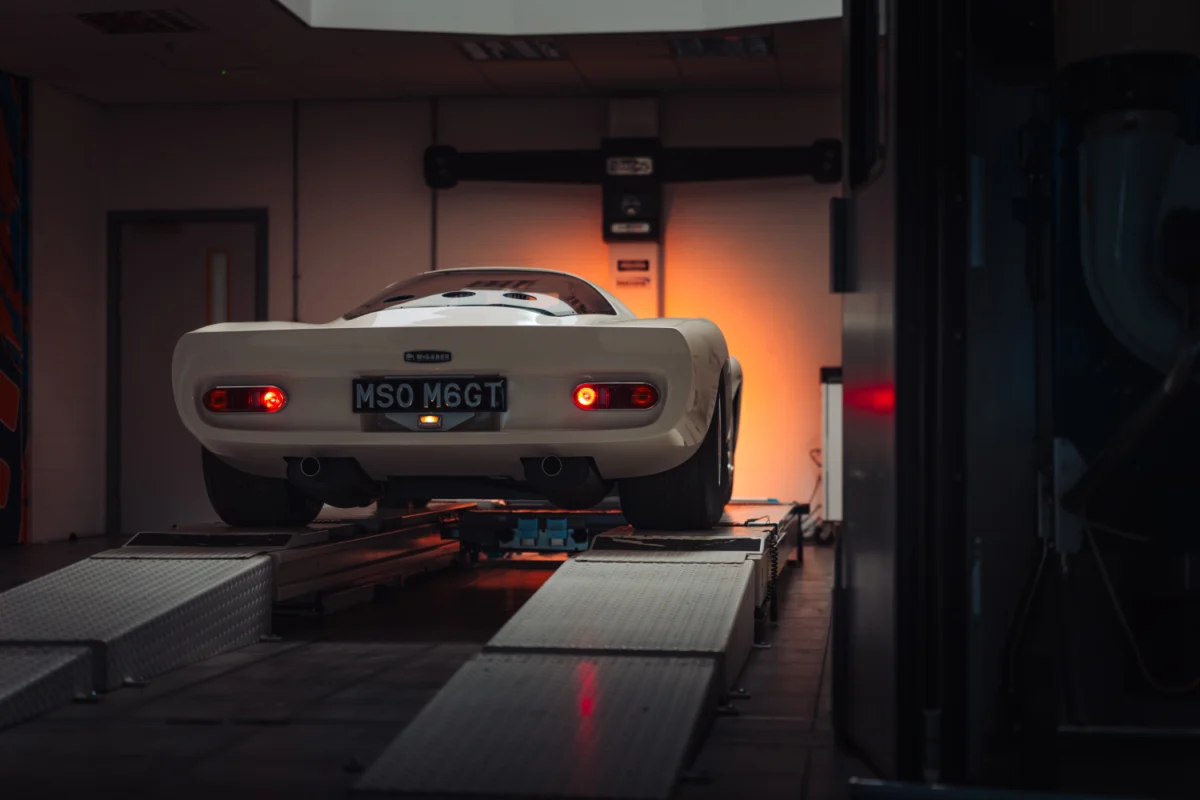
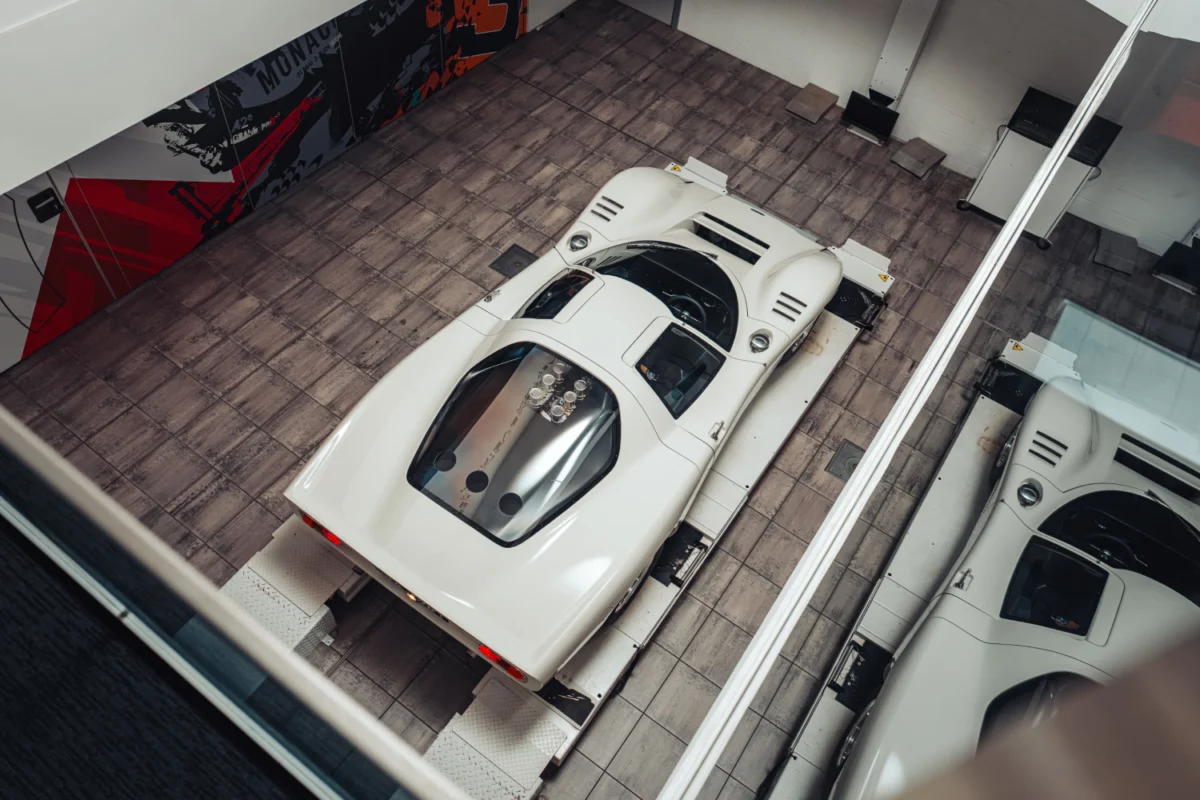
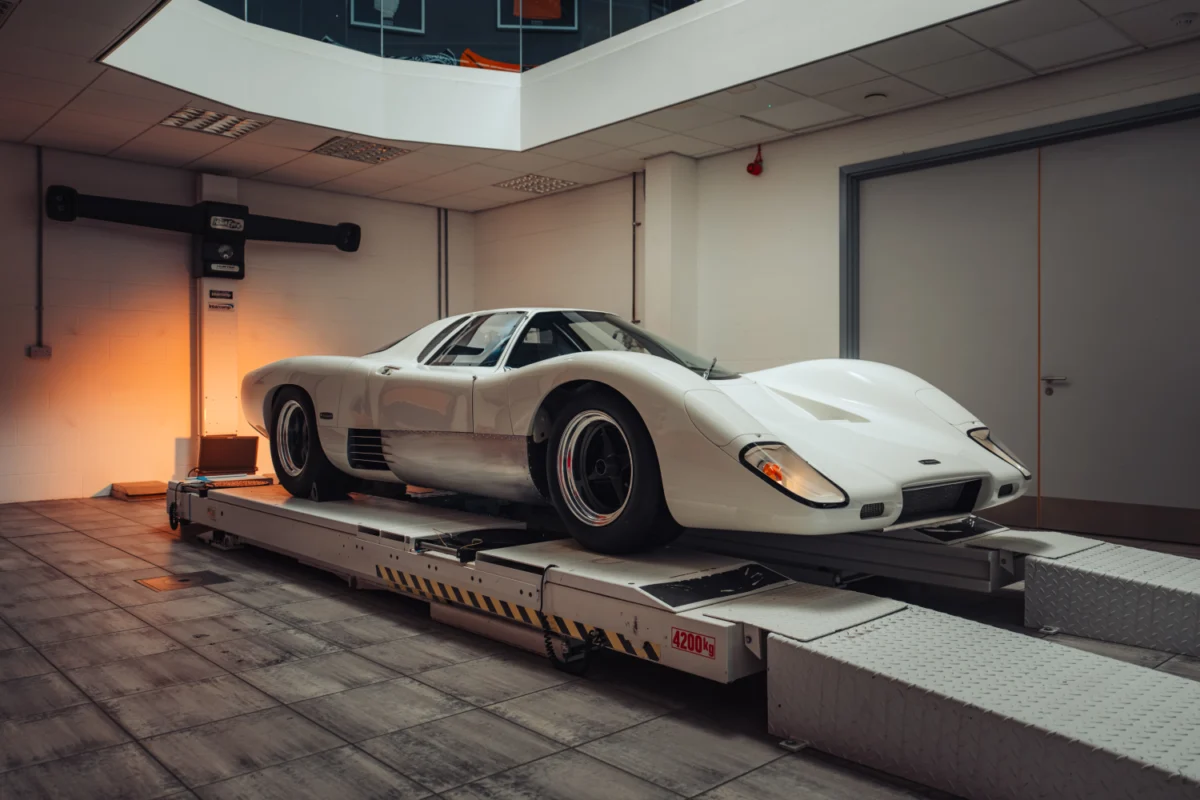
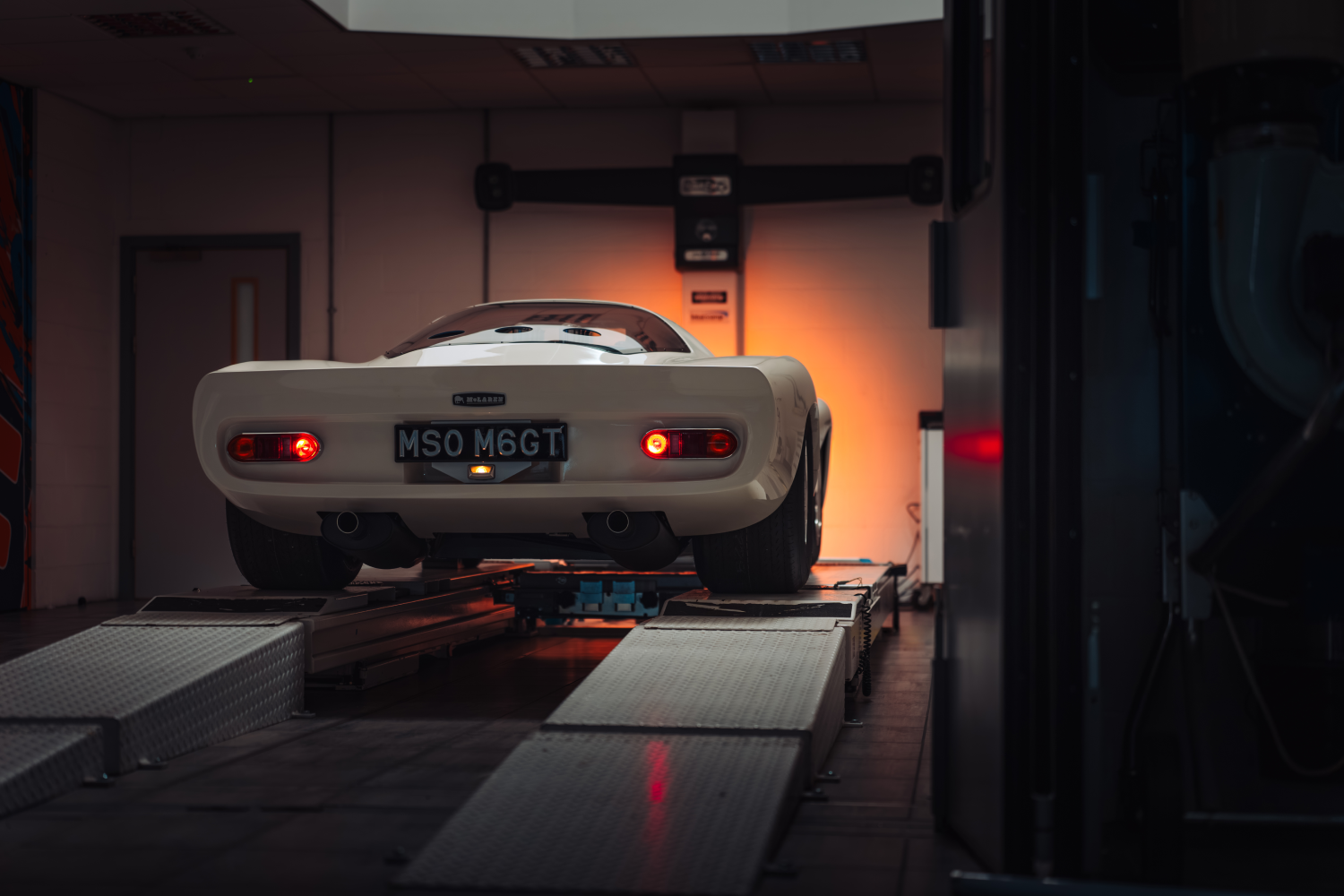
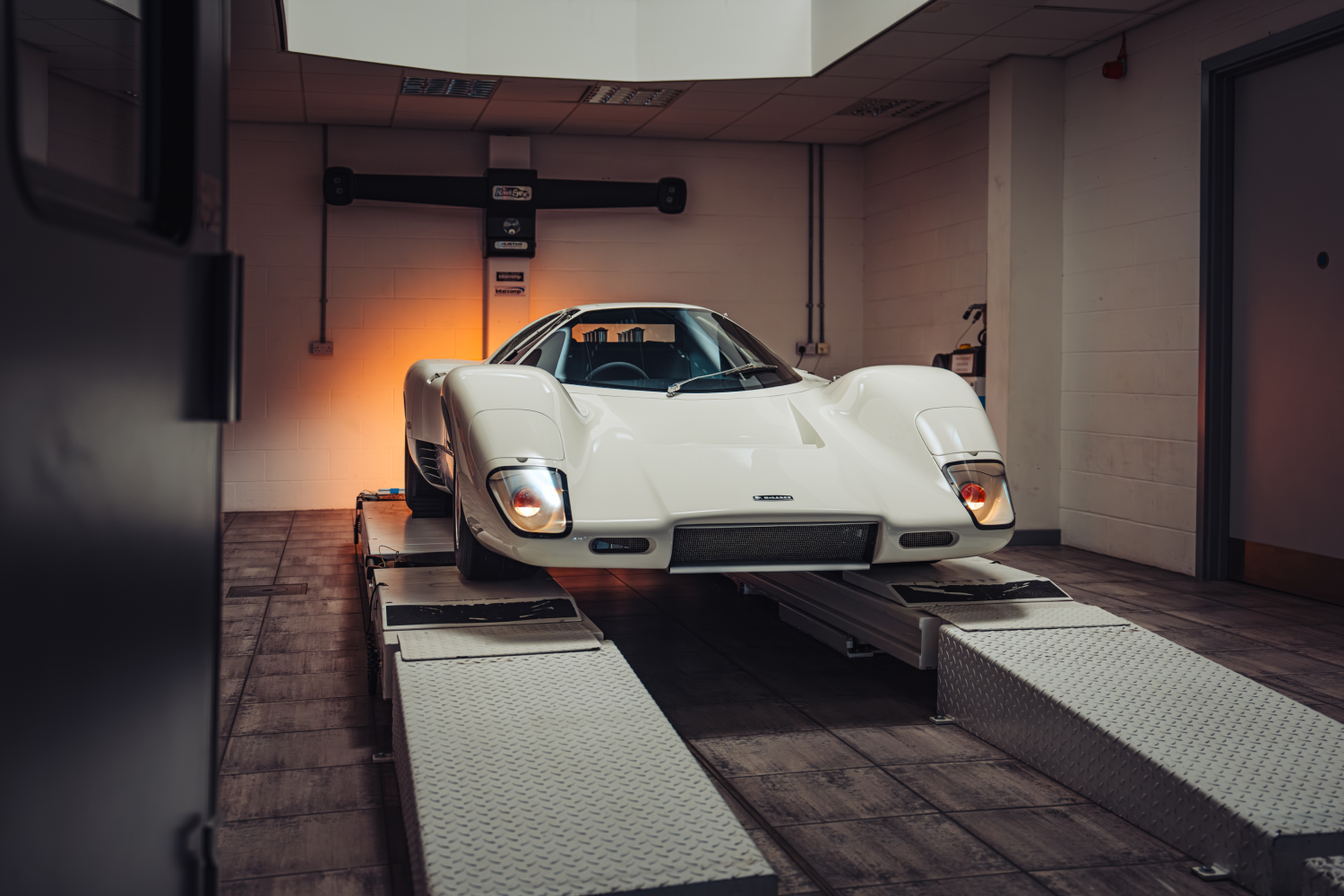
Now, more than five decades later, that vision has returned. At the 2026 Goodwood Festival of Speed, McLaren will revealed a meticulously restored M6GT, rebuilt by McLaren Special Operations (MSO). Rather than creating a modern interpretation, the team has focused on authenticity. Every detail reflects Bruce McLaren’s original thinking, making this one of the most significant heritage projects the company has ever completed.
The result is far more than a beautifully restored classic. It reconnects McLaren’s past with its present and offers visitors a rare opportunity to see the car that laid the foundations for every McLaren road car that followed.
The M6GT: Where McLaren’s Road Car Story Began
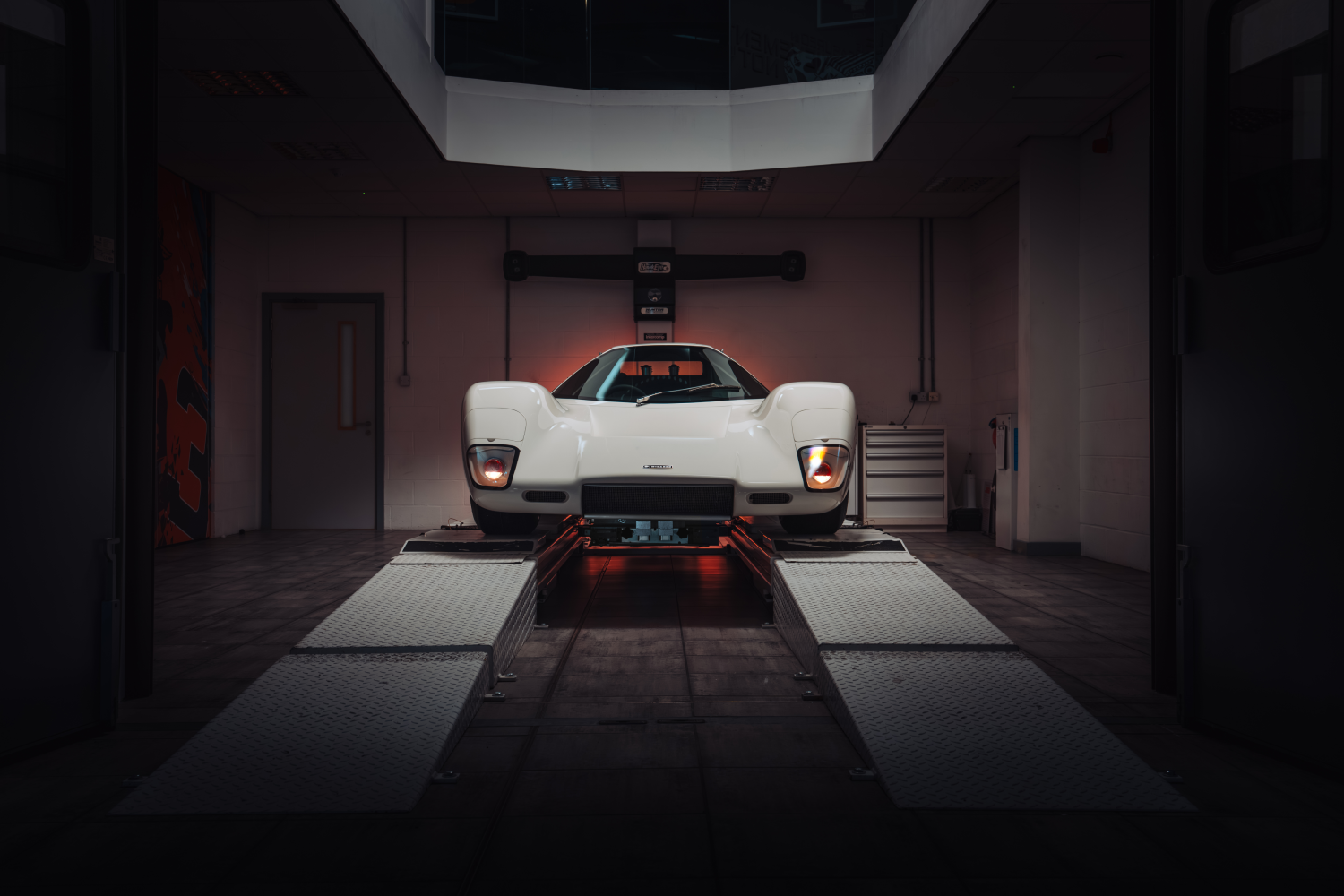
Long before the legendary McLaren F1 arrived in the 1990s, Bruce McLaren had already developed a clear vision for a road-going sports car.
The M6GT took inspiration from the successful M6A Can-Am racer. It combined lightweight construction, sleek aerodynamics and race-derived engineering in a package that could be driven on public roads.
Bruce even used the first prototype as his personal transport. It carried him to business meetings and race circuits alike, proving that performance and everyday usability could exist together.
Although his production plans never reached full-scale manufacturing, many of his ideas lived on.
Twenty-five years later, those same principles appeared in the groundbreaking McLaren F1. Today, they continue to influence every McLaren supercar.
A Restoration Led by History Rather Than Convenience
McLaren Special Operations approached this project with one clear objective: preserve Bruce McLaren’s original vision.
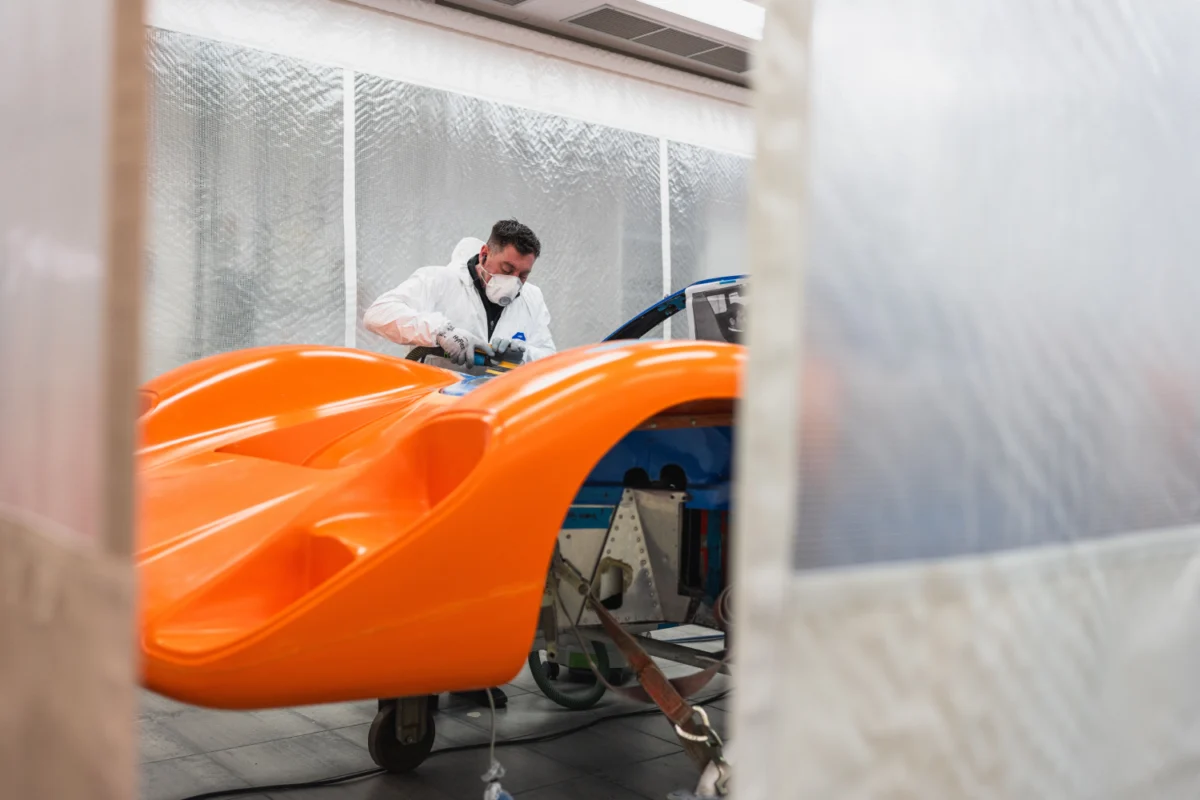
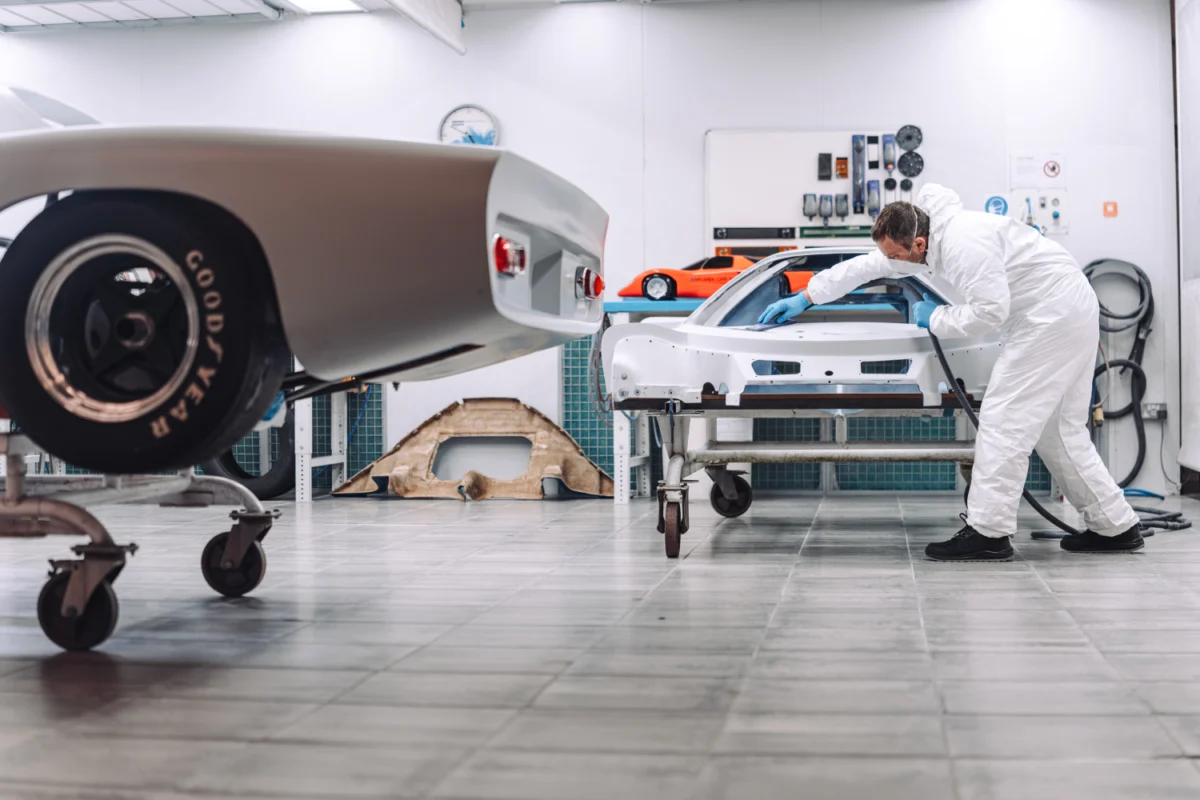
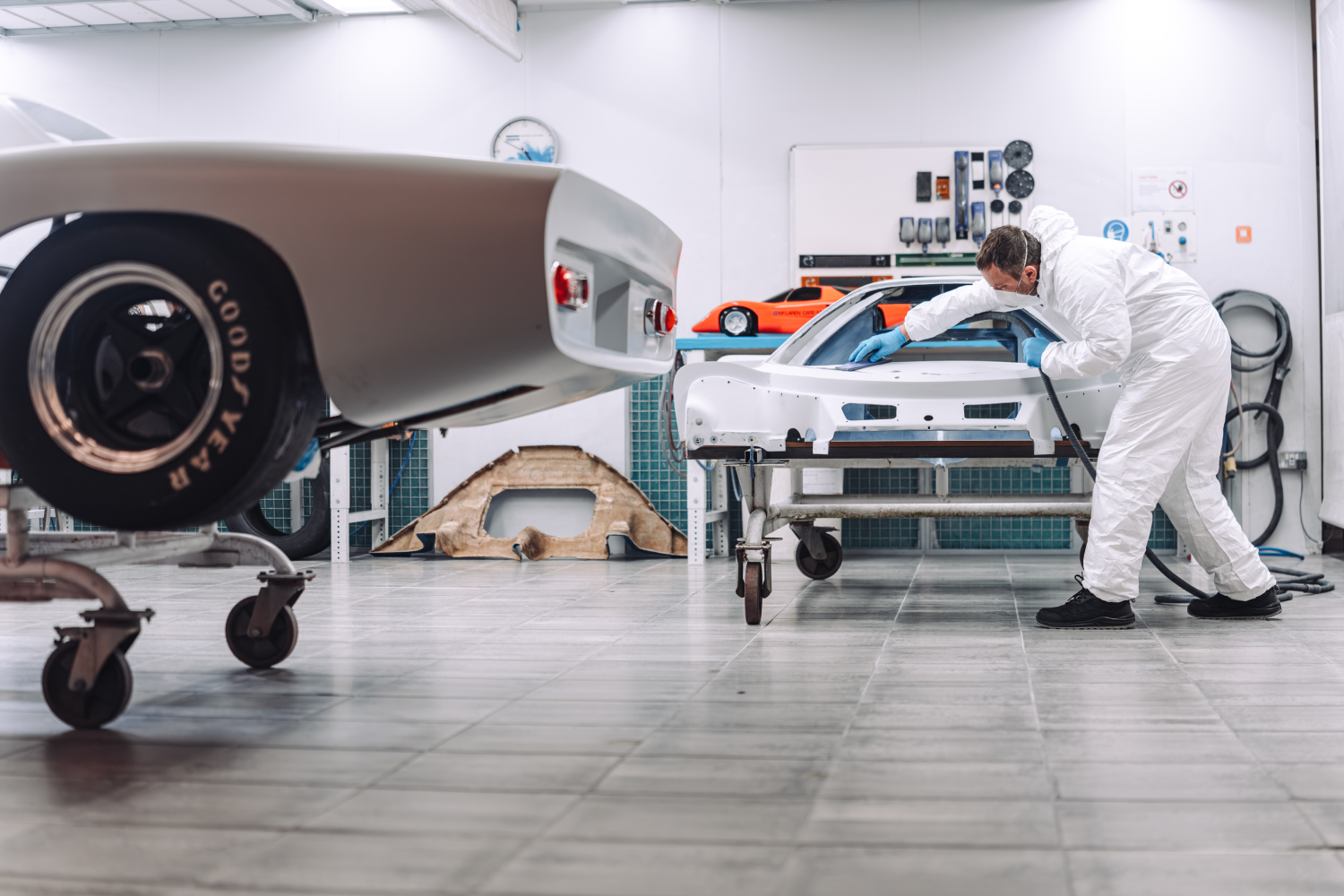
Instead of modernising the M6GT, the team carefully researched archive material, historic photographs and surviving reference vehicles before rebuilding the car almost entirely from scratch.
Several original components were restored wherever possible. Others had to be recreated by hand using traditional techniques.
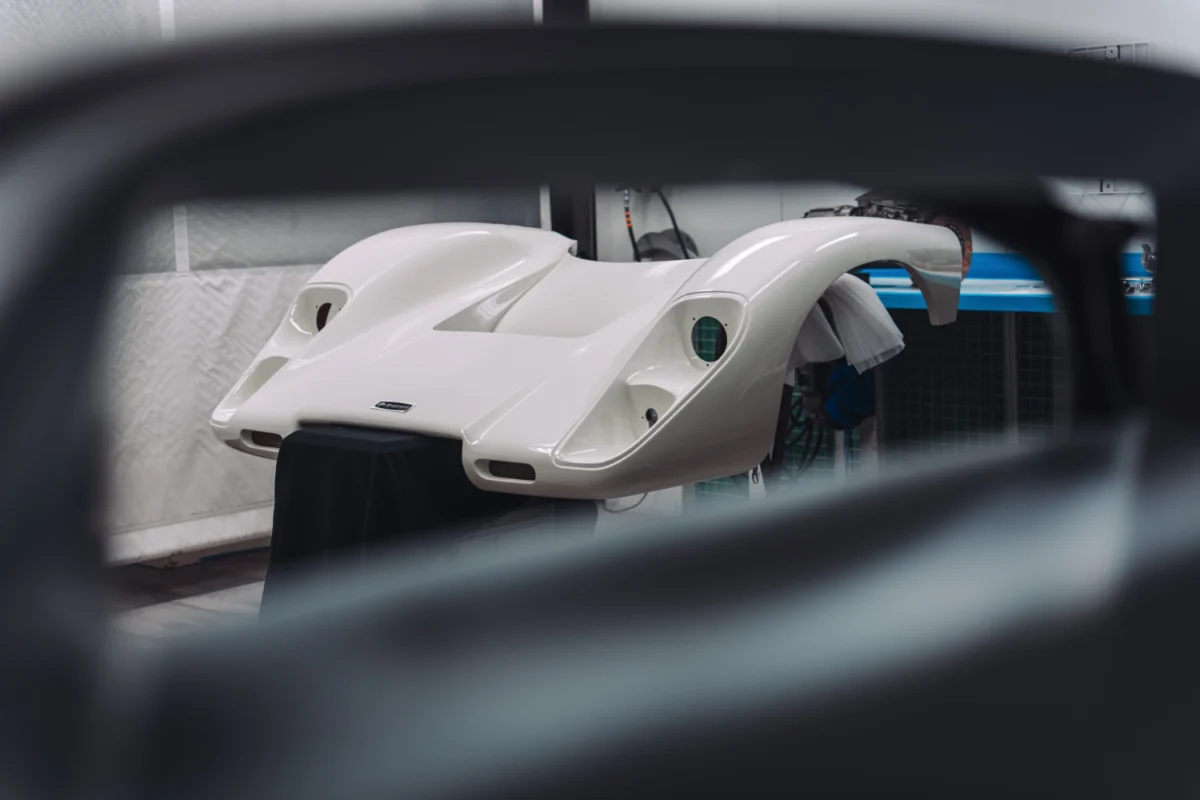
Original body moulds, discovered in Britain, became one of the project’s biggest discoveries. Surprisingly, they even revealed subtle modifications made during the original development programme. Rather than erase those changes, MSO preserved them, allowing the restored car to tell its complete story.
Built Around Authentic Foundations
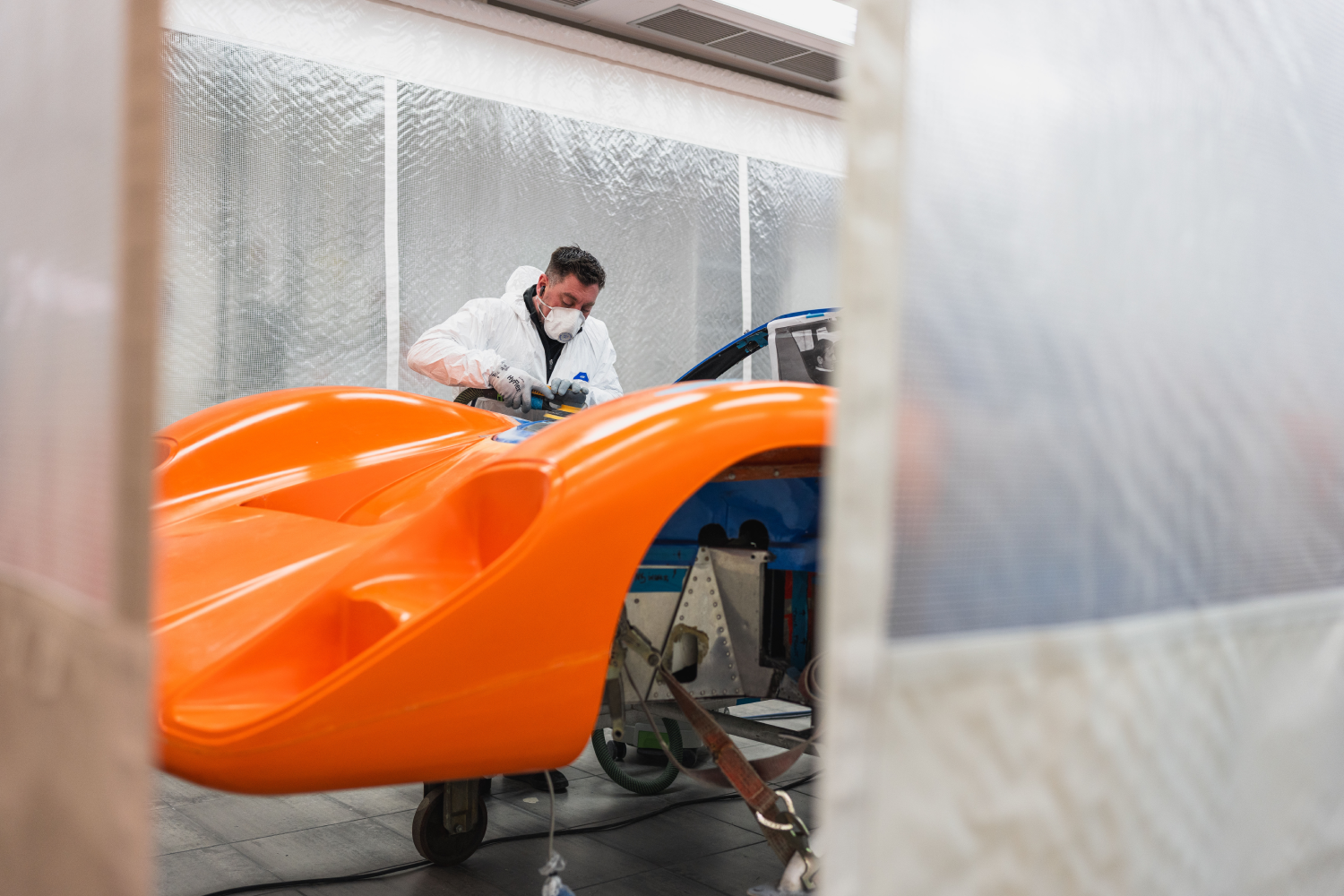
Authenticity shaped every stage of the restoration.
The project includes:
- A period-correct M6A racing chassis verified against historic McLaren records.
- Original suspension components that were carefully restored.
- Newly fabricated structural sections built by hand.
- A faithful recreation of the original wiring harness.
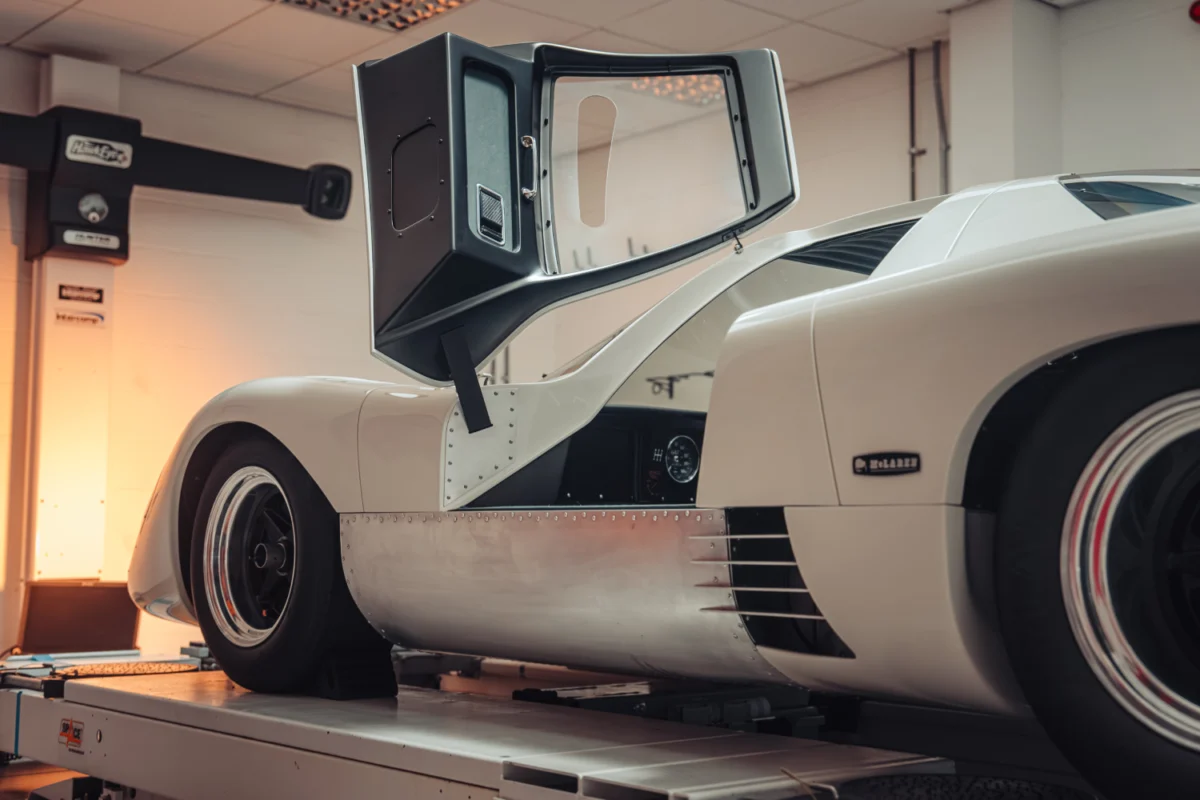
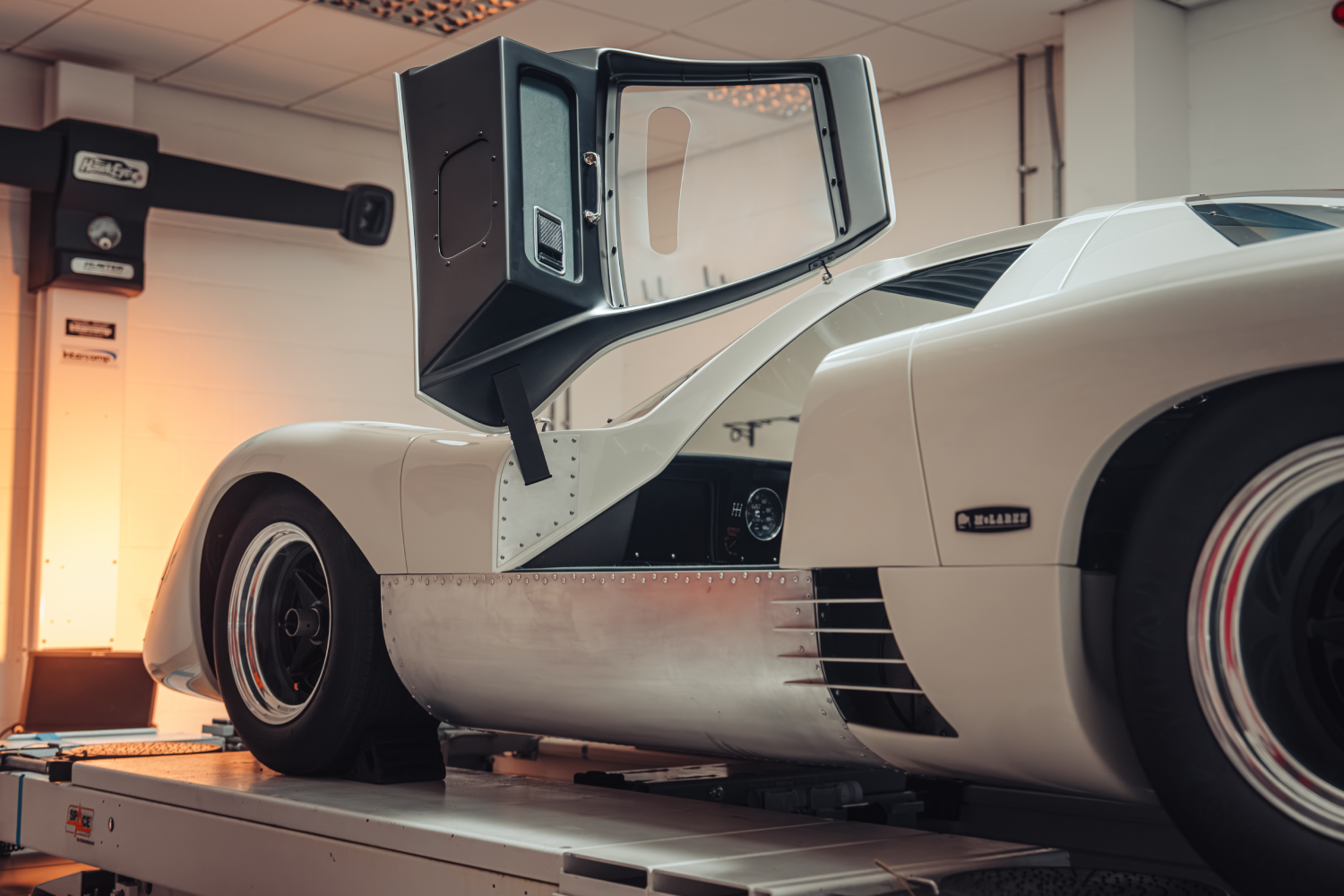
- Original-style aluminium dome rivets installed using traditional techniques.
- A bespoke windscreen reproduced from detailed digital scans.
Even sourcing replacement parts became a challenge. Several bearings dated from the imperial measurement era and had to be specially sourced because modern equivalents simply would not match the original specification.
A Cockpit That Captures the Spirit of the 1970s
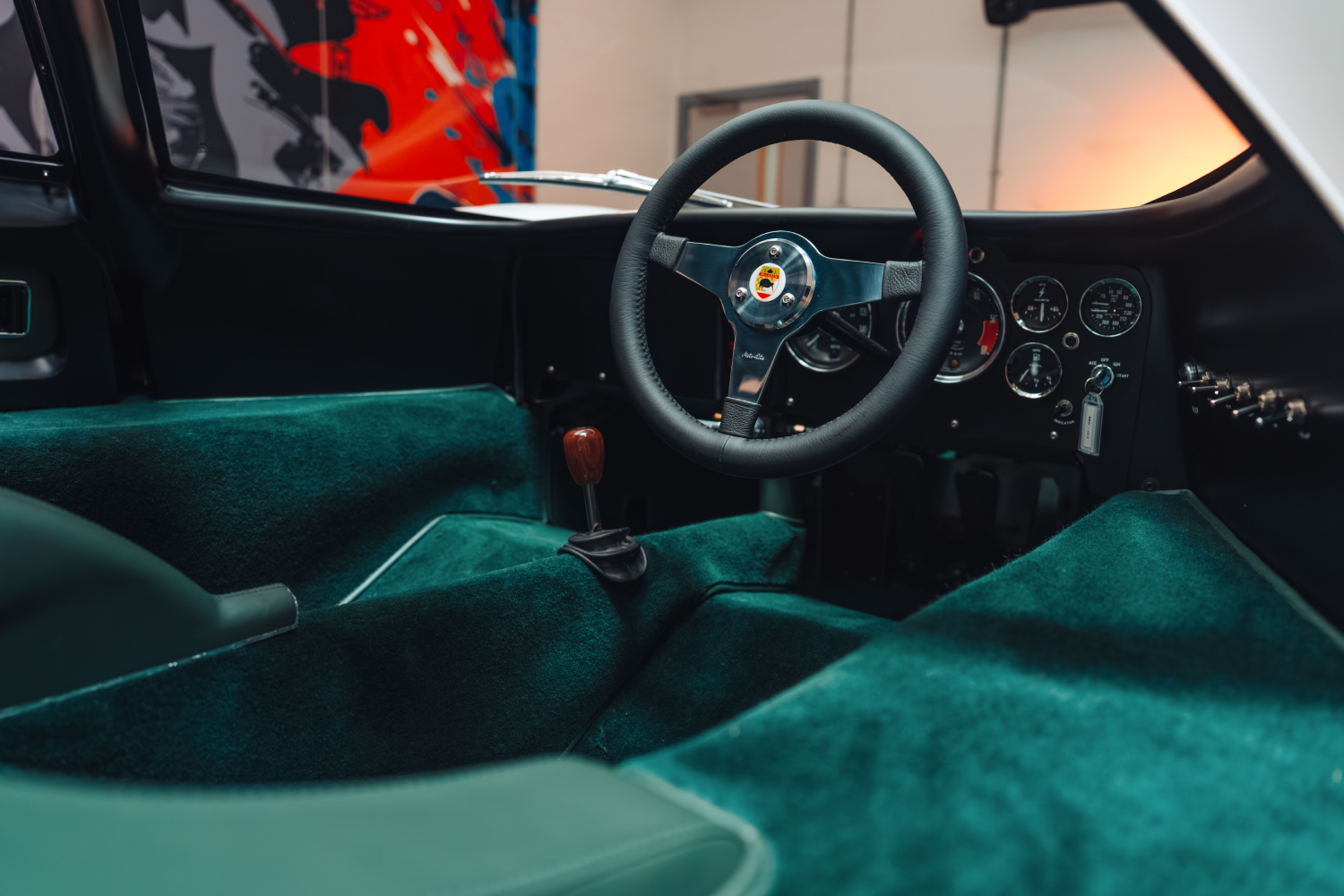
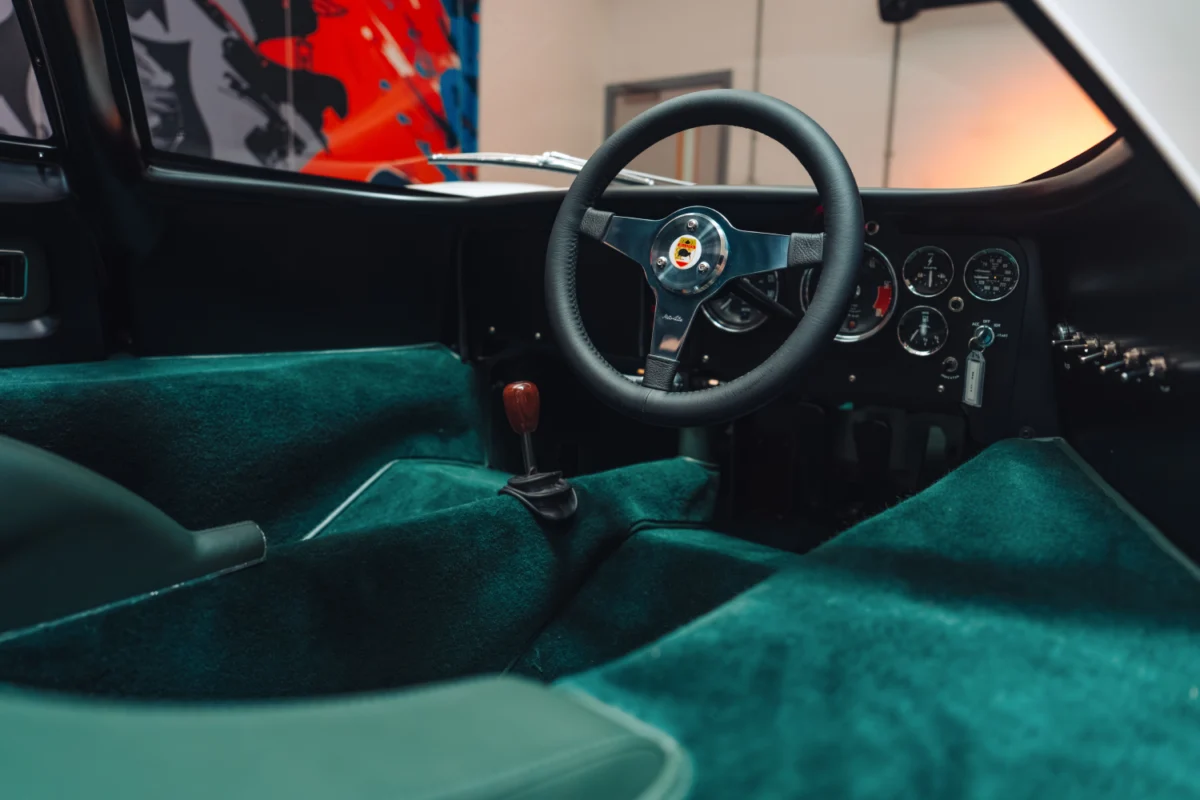
Step inside the M6GT and the focus shifts from outright performance to craftsmanship.
The cabin stays remarkably faithful to the original design while showcasing the skill of the MSO restoration team.
Highlights include:
- Hand-crafted walnut gear knob.
- Bespoke green vinyl upholstery.
- Traditional stitched heat-seam detailing.
- Minimalist dashboard layout inspired by the original prototype.
Every material was carefully selected to reflect the car Bruce McLaren intended to build rather than reinterpret it for today’s tastes.
Period-Correct Power Beneath the Bodywork
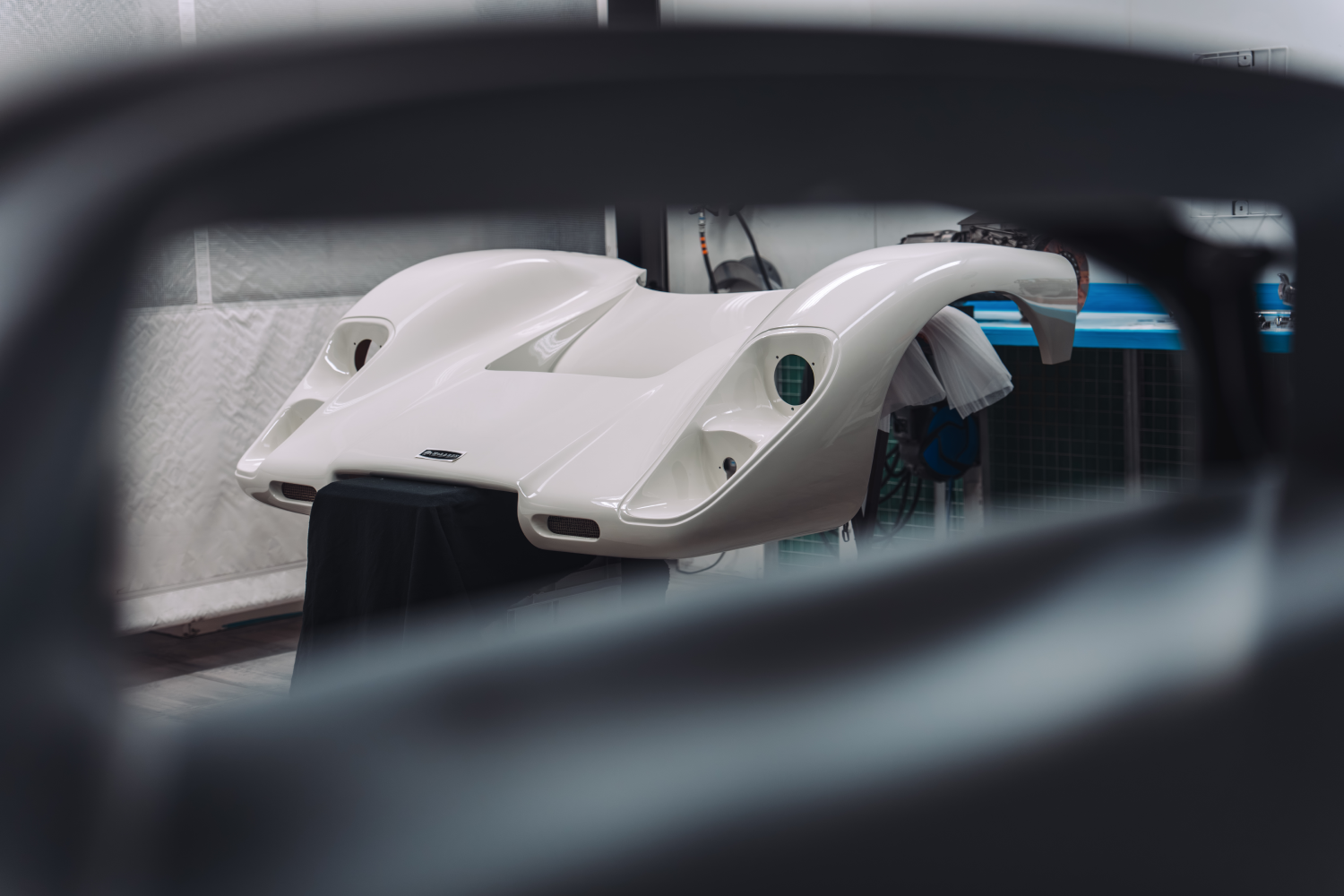
Authenticity extends beneath the engine cover.
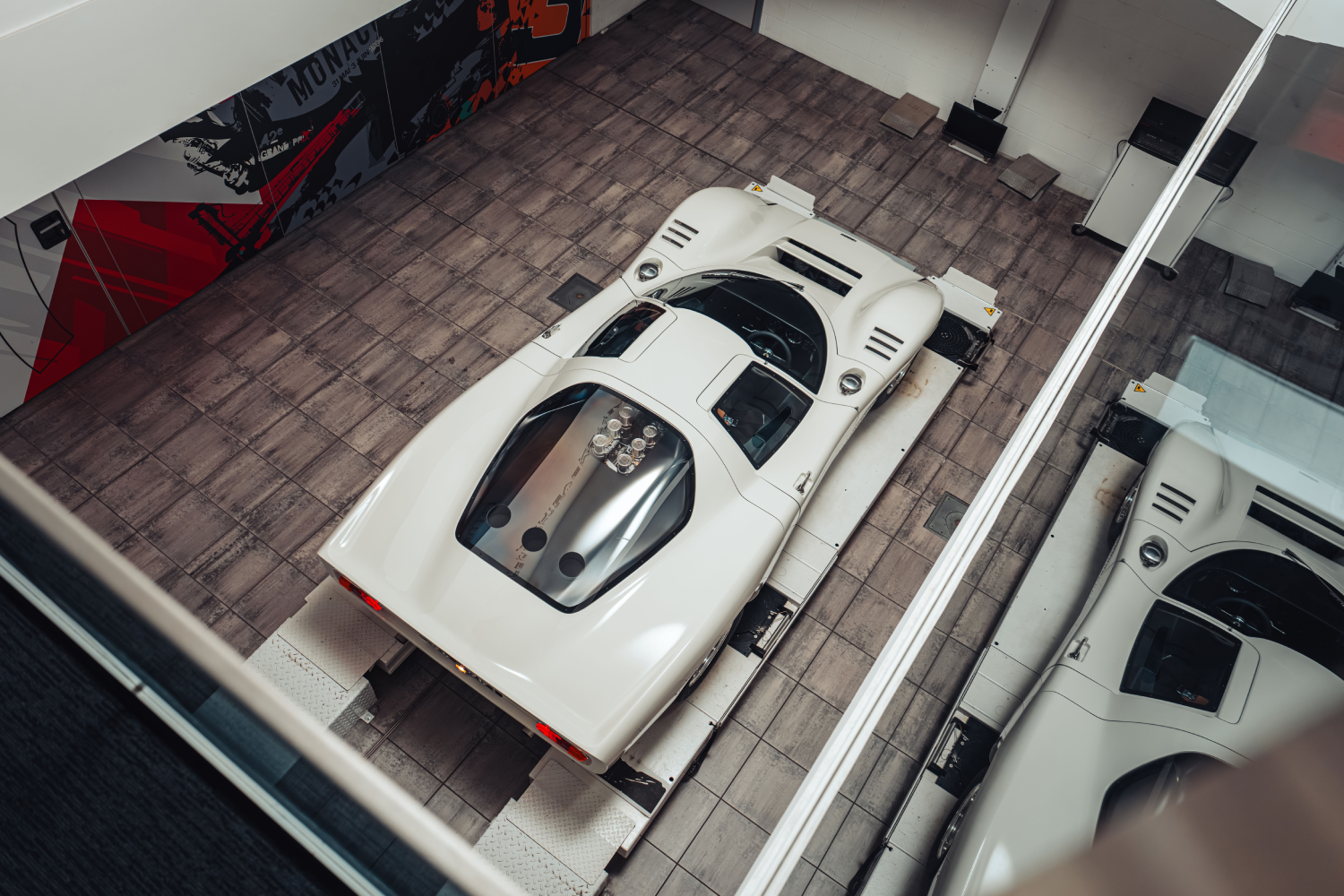
The restored M6GT features a period-correct small-block V8 paired with the appropriate gearbox specified for the original project.
The V8 also uses distinctive “camel hump” cylinder heads, matching the specification Bruce McLaren originally intended.
Rather than chasing greater performance figures, MSO concentrated on historical accuracy. That decision makes the finished car an important piece of McLaren history rather than simply another restored classic.
Colnbrook White Celebrates McLaren’s Earliest Days
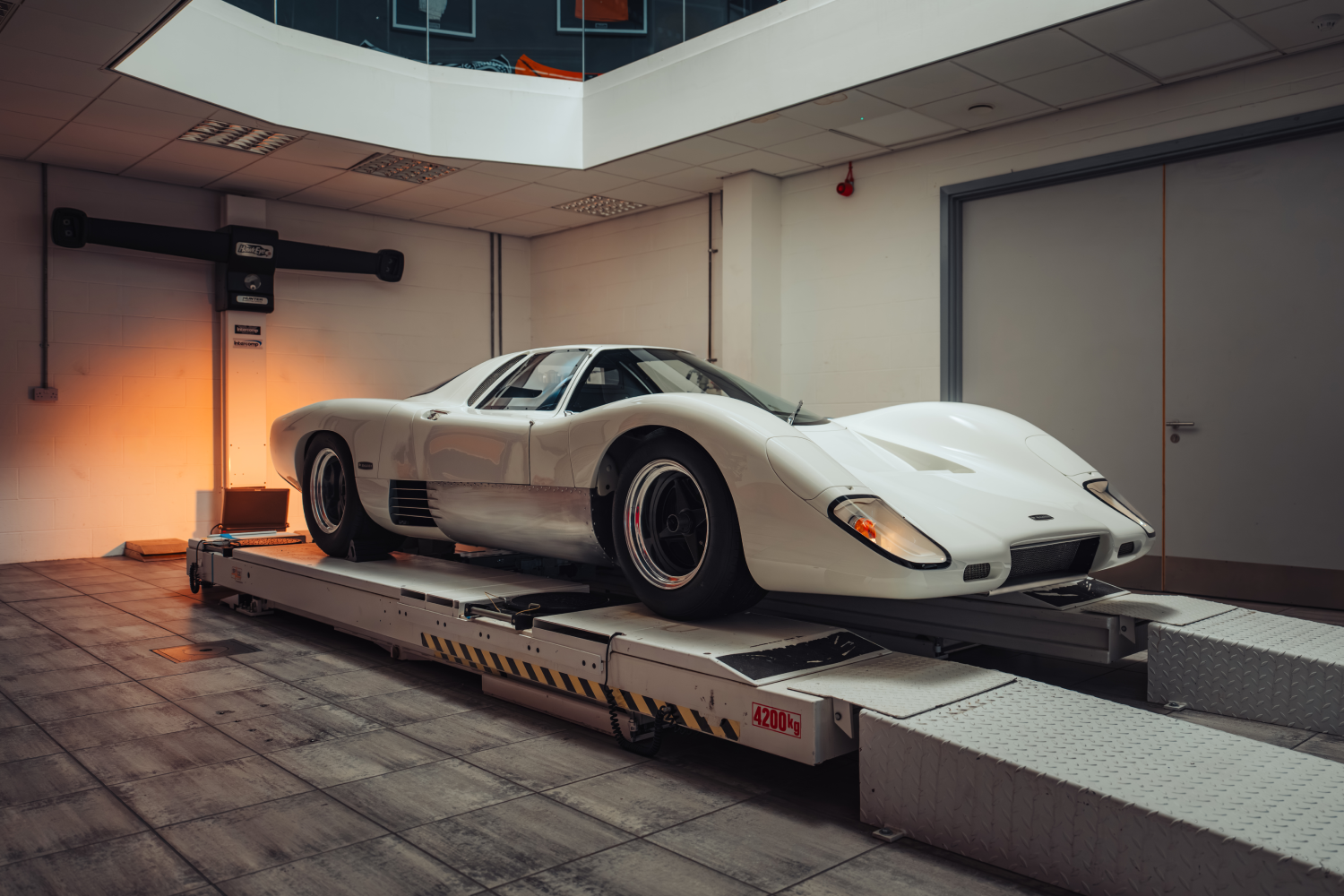
One of the restoration’s most distinctive features is its bespoke paint finish.
Known as Colnbrook White, the colour pays tribute to the original McLaren workshop located near what was then known as London Airport, now Heathrow.
Bruce deliberately based the business there so he could remain close to both aviation links and his racing commitments.
The cream-based white exterior combines with a green interior inspired by Bruce’s first Formula 1 car, the 1966 McLaren M2B. Together, the colours create a subtle yet meaningful link between McLaren’s racing heritage and its earliest road car ambitions.
MSO Reflects on a Landmark Project
Jon Simms, Director of McLaren Special Operations, described the restoration as both a technical challenge and a journey through the company’s history.
According to Simms, rebuilding the M6GT offered the team an opportunity to better understand Bruce McLaren’s ambitions while preserving an important chapter in the company’s story for future generations.
That philosophy is evident throughout the finished car.
Every component reflects careful research, skilled craftsmanship and respect for the original design.
McLaren House Brings Six Decades Together at Goodwood
The M6GT took centre stage at McLaren House during the 2026 Goodwood Festival of Speed, but it will be far from alone. Visitors were be able to explore an impressive collection spanning more than sixty years of McLaren history.
Highlights include:
- M6GT – Bruce McLaren’s original road car vision, faithfully restored by MSO.
- M8A – The Can-Am racer that established McLaren as a dominant force in North American motorsport.
- Austin 7 Ulster – One of Bruce McLaren’s earliest competition cars.
- McLaren F1 GTR – A racing icon that demonstrated McLaren’s engineering excellence on the world stage.
- McLaren W1 – The newest member of McLaren’s legendary ‘1’ series.
- Artura
- Artura Spider
- 750S
Several modern models also featured bespoke MSO specifications. Notably, the Artura appeared in a striking two-tone Colnbrook White and Atlantic Blue finish inspired directly by the restored M6GT.
Motorsport Fans Have Even More to Look Forward To
McLaren’s celebrations extend well beyond its heritage collection.
The company also unveiled the MCL-HY, its new challenger for the 2027 FIA World Endurance Championship and the 24 Hours of Le Mans.
Alongside the race car, visitors had the chance to see the track-only MCL-HY GTR, developed exclusively for customers seeking the closest possible experience to McLaren’s endurance racing programme.
Furthermore, McLaren has confirmed that another major reveal will headline its current generation of supercars. The mystery model will make its public debut during the festival, adding even more excitement to an already packed programme.
Why the M6GT Still Matters Today
Many people associate McLaren’s road car success with the iconic F1 or the latest hybrid supercars. However, the M6GT reminds us that those achievements began with Bruce McLaren himself. His vision centred on lightweight engineering, purposeful design and race-inspired performance without unnecessary complexity. Those values remain visible throughout today’s McLaren range.
Thanks to McLaren Special Operations, one of the company’s most important missing chapters has finally been restored with remarkable care and authenticity. For enthusiasts visiting Goodwood, this may have been one of the festival’s standout attractions.
Key Takeaways
- The restored M6GT mades its public debut at the 2026 Goodwood Festival of Speed.
- McLaren Special Operations rebuilt the car using original body moulds and extensive archive research.
- The project stays faithful to Bruce McLaren’s original road car vision.
- A period-correct V8 and gearbox preserve historical accuracy.
- McLaren House displayed historic racers alongside the latest road cars and future endurance racers.
Conclusion
The restored M6GT is more than an attractive classic. It represents the starting point of McLaren’s road car story and honours the ambitions of the company’s founder with remarkable attention to detail.
By combining original craftsmanship with painstaking research, McLaren Special Operations has ensured that Bruce McLaren’s vision can once again be appreciated by a new generation of enthusiasts.
Do you think the M6GT deserves recognition alongside icons like the McLaren F1? What future heritage projects would you like McLaren Special Operations to tackle next?



Read more on

MyCarHeaven are on Instagram. Go check us out and do follow us.
Go visit the MyCarHeaven Instagram page. We post regular quality content, predominantly focused on classic cars, supercars, hypercars and car shows. We also feature all our competitions here, where you will have the chance IF YOU FOLLOW US and you follow the competition entry criteria, you could be in with a chance of winning tickets to the best UK car shows, and other automotive stuff.
Go to the MyCarHeaven Instagram account here.Related Stories
Advertisement Advertisement
 Advertisement
 Advertisement
 Advertisement