



How to Spot a Future Modern Classic in Today’s Used-Car Market
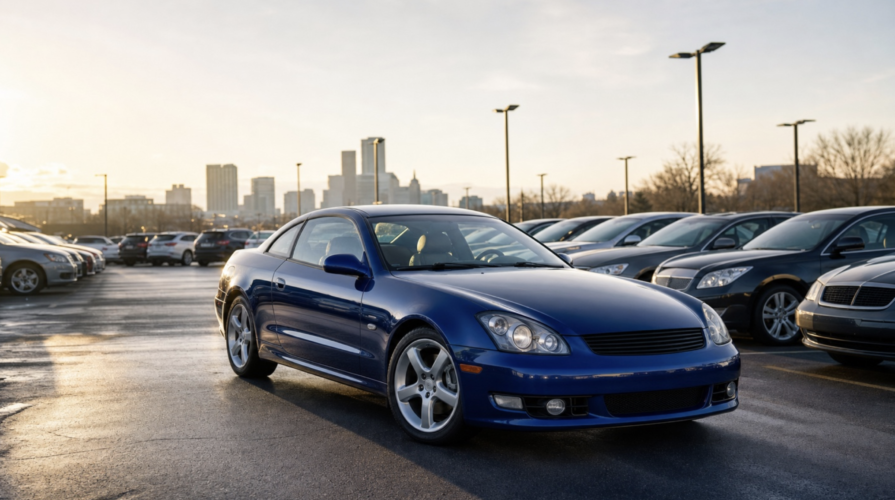
The next sought-after modern classic may not currently look collectible. It could be sitting between ordinary commuters in a dealer’s inventory, still valued mainly as transportation rather than automotive history. Someone browsing used cars Troy Ohio, for example, might encounter an overlooked performance trim, an unusual specification, or one of the final models fitted with a disappearing technology. Identifying such cars requires looking beyond badges and current prices to understand what may make enthusiasts care about them years from now.
There is no formula that can guarantee future collectability. Automotive tastes change, ownership costs matter, and rarity alone does not create desirability. However, many modern classics share recognizable qualities: a distinctive driving experience, memorable design, an interesting story, and enough surviving examples to support an active enthusiast community.
Understand What “Modern Classic” Really Means
A modern classic occupies the space between an ordinary used car and an established historic vehicle. It is usually old enough to represent a particular automotive era but new enough to offer familiar levels of performance, comfort, safety, and everyday usability.
Age by itself is not sufficient. Every vehicle becomes old, but only some develop lasting enthusiast appeal.
The strongest modern classics often capture something that is no longer widely available. That might be a high-revving naturally aspirated engine, a manual transmission, hydraulic steering, compact dimensions, a distinctive body style, or an unusually direct connection between driver and machine.
A car becomes more interesting when it represents a clear moment in automotive history.
Look for a Strong Identity
Memorable cars tend to have an identity that can be explained in one sentence. They might be the final rear-wheel-drive sedan from a particular manufacturer, a compact hatchback with unexpected performance, or a practical vehicle fitted with an unusually charismatic engine.
Cars with vague positioning can struggle to attract long-term enthusiasm. A vehicle designed entirely around the preferences of its original market may feel anonymous once newer and more capable replacements arrive.
By contrast, a car with a recognizable personality can remain appealing even after its technology becomes outdated.
A strong identity may come from:
• Distinctive exterior styling
• An unusual engine or drivetrain
• Motorsport involvement
• A celebrated designer or engineering team
• A memorable role in film, television, games, or popular culture
• A body style that is disappearing from the market
• A combination of performance and practicality that rivals have not replicated
The car does not need to have been expensive when new. Some of the most beloved enthusiast vehicles began as attainable transportation.
Pay Attention to Disappearing Technology
Changes in regulation, consumer preferences, and engineering priorities continually remove certain features from new vehicles. That can make older cars feel more special.
Manual transmissions are an obvious example, but they are not the only feature worth watching. Naturally aspirated engines, mechanical handbrakes, hydraulic power steering, physical dashboard controls, lightweight construction, and compact proportions have also become less common in many segments.
Electrification and advanced driver-assistance systems are changing the experience of driving. Those developments bring genuine benefits, but they can also increase interest in cars from the period immediately before them.
A vehicle may gain enthusiast relevance when it represents the final or best-developed version of a fading technology. “Last of the line” status can be particularly compelling when the feature in question contributes directly to the way the car feels.
The important distinction is between technology that is merely old and technology that owners genuinely miss.
Rarity Helps, but Desirability Comes First
Limited production can support collectibility, but low numbers do not automatically make a car valuable. Some vehicles are rare because few buyers wanted them when they were new. If that lack of interest continues, scarcity alone will not create a thriving market.
Meaningful rarity usually involves a desirable attribute:
• A limited-production performance edition
• A short-lived engine and transmission combination
• An uncommon factory color
• A rare body style
• A regional or anniversary edition
• A high trim with significant mechanical upgrades
• An unusual option package
• A well-equipped example with a manual transmission
Production numbers should also be viewed in context. A car does not have to be one of 100 to become collectible. A model produced in the thousands can still become difficult to find when many examples have been modified, damaged, neglected, or consumed through ordinary use.
Survival rate may eventually matter more than original production volume.
Find the Specification Enthusiasts Will Want
Two examples of the same model can have very different long-term appeal. Engine, transmission, drivetrain, trim, color, options, and factory condition all influence desirability.
When evaluating a candidate, research its model hierarchy. Determine whether the higher trim adds meaningful mechanical equipment or merely cosmetic features. A performance package containing upgraded brakes, cooling, suspension, or a limited-slip differential may be more significant than a luxury package containing decorative trim.
Transmission choice can be particularly important. If most examples were sold with an automatic, a factory manual may become desirable. The opposite can occasionally be true when a rare or technically significant automatic transmission forms part of the car’s identity.
Color matters too. Unusual factory colors can attract collectors, but rarity should not be confused with universal appeal. A rare color that suits the car’s personality is more promising than one that is simply uncommon.
The most desirable specification is often the one that best expresses why enthusiasts care about the model in the first place.
Study the Owner Community
Enthusiast communities preserve cars long before the broader market recognizes them as classics. Active clubs, forums, social groups, specialist garages, events, and aftermarket suppliers all indicate that owners care enough to keep a model alive.
A strong community can provide:
• Technical knowledge
• Replacement and reproduction parts
• Buying advice
• Model registries
• Repair solutions
• Specialist servicing
• Events and social connections
• Historical documentation
Community activity also reveals how a car is perceived. Are owners focused mainly on keeping examples running cheaply, or are they preserving factory specifications and documenting unusual variants? Are specialists beginning to restore them? Are clean, original cars receiving more attention than heavily modified examples?
An engaged community cannot guarantee rising values, but it can make ownership more enjoyable and sustainable.
Prioritize Originality and Reversible Modifications
Performance cars often receive modifications early in their lives. Some upgrades improve the driving experience, while others reduce reliability or erase the qualities that make the model historically interesting.
Original cars tend to become harder to find as a platform ages. Factory wheels, intake systems, suspension components, audio equipment, trim, and even minor hardware can become valuable when owners begin returning modified vehicles to standard condition.
A completely stock car is not always necessary. High-quality, period-correct, or reversible modifications may remain acceptable to enthusiasts. The key considerations are workmanship and documentation.
Look carefully at:
• Non-factory wiring
• Engine tuning
• Suspension geometry
• Wheel and tire fitment
• Exhaust modifications
• Removed emissions equipment
• Drilled or cut body panels
• Aftermarket interior components
• Missing factory parts
A modified car accompanied by its original components may offer a safer path than one whose history and factory specification have been lost.
Condition Matters More Than a Low Price
An inexpensive enthusiast car can become costly when it needs extensive restoration. Cosmetic trim, model-specific electronics, body panels, and unique interior parts may be more difficult to replace than ordinary mechanical components.
Inspect a potential modern classic as both a vehicle and a future preservation project. Look for corrosion, accident damage, water intrusion, neglected maintenance, poorly installed modifications, and missing equipment.
Service history is especially important. A folder of invoices can establish how the vehicle was maintained, confirm mileage, and document the installation or removal of parts. Original sales documents, manuals, window stickers, keys, and accessories can add context even when they do not substantially change the car’s immediate value.
A pre-purchase inspection remains worthwhile. Mechanical condition should never be overlooked simply because a model appears interesting or rare.
The best candidate is usually the strongest example the budget reasonably allows, not the cheapest entry into the model.
Consider Parts and Specialist Support
Some rare cars become challenging to own because essential components are no longer available. A vehicle may have an excellent engine and chassis but rely on unique electronics, suspension parts, glass, lighting, or interior trim that cannot be easily replaced.
Before purchasing, research the availability and price of common failure items. Find out whether independent specialists understand the platform and whether shared components exist elsewhere in the manufacturer’s range.
Strong parts support improves the likelihood that owners will continue maintaining the cars. Weak support does not eliminate collector potential, but it raises the cost and difficulty of preservation.
This is particularly important for technically ambitious flagship models produced in small numbers. Their rarity may be appealing, yet that same rarity can make repairs complicated.
Watch the Gap Between Reputation and Reality
Some potential modern classics spend years hidden beneath an outdated reputation. A model may have been criticized when new for being too expensive, too unconventional, or insufficiently competitive. Once depreciation changes the value equation, enthusiasts may reassess it.
Other cars live in the shadow of more famous siblings. They may share much of the same engineering while remaining substantially less expensive. An overlooked trim or generation can offer a similar experience without the established collector premium.
This does not mean every unpopular car is misunderstood. Research recurring problems, ownership costs, and reasons for weak demand. The opportunity lies where the car’s underlying qualities are stronger than its current reputation—not where serious flaws are being ignored.
Buy for Enjoyment, Not Guaranteed Profit
The most important rule is simple: buy a car you would still want if its value never increased.
Storage, insurance, maintenance, repairs, registration, and transaction costs can absorb much of any eventual appreciation. Cars also need exercise and care. Treating an ordinary used vehicle as a guaranteed investment can remove the enjoyment from ownership while creating unrealistic expectations.
A better approach is to find a distinctive, well-maintained car that feels important to you. Preserve its history, avoid irreversible changes, and use it thoughtfully. If wider recognition arrives later, that is a welcome benefit rather than the sole reason for owning it.
Tomorrow’s Classics Are Already on the Road
Future modern classics rarely announce themselves. They spend years commuting, carrying families, appearing at local meets, and sitting in ordinary used-car inventories before enthusiasts begin to recognize what has been lost.
The best candidates combine identity, driving character, meaningful rarity, community support, and a specification that represents the model at its finest. Condition and documentation then separate the cars worth preserving from those that may never escape their problems.
Spotting one requires research, patience, and a willingness to look beyond the models that already dominate auction headlines. The next cult favorite may not yet be considered special. That is precisely what makes finding it so rewarding.


Read more on
MyCarHeaven are on Instagram. Go check us out and do follow us.
Go visit the MyCarHeaven Instagram page. We post regular quality content, predominantly focused on classic cars, supercars, hypercars and car shows. We also feature all our competitions here, where you will have the chance IF YOU FOLLOW US and you follow the competition entry criteria, you could be in with a chance of winning tickets to the best UK car shows, and other automotive stuff.
Go to the MyCarHeaven Instagram account here. Advertisement
 Advertisement
 Advertisement
 Advertisement