



From Fender Bender to Legal Nightmare: What You Need to Know
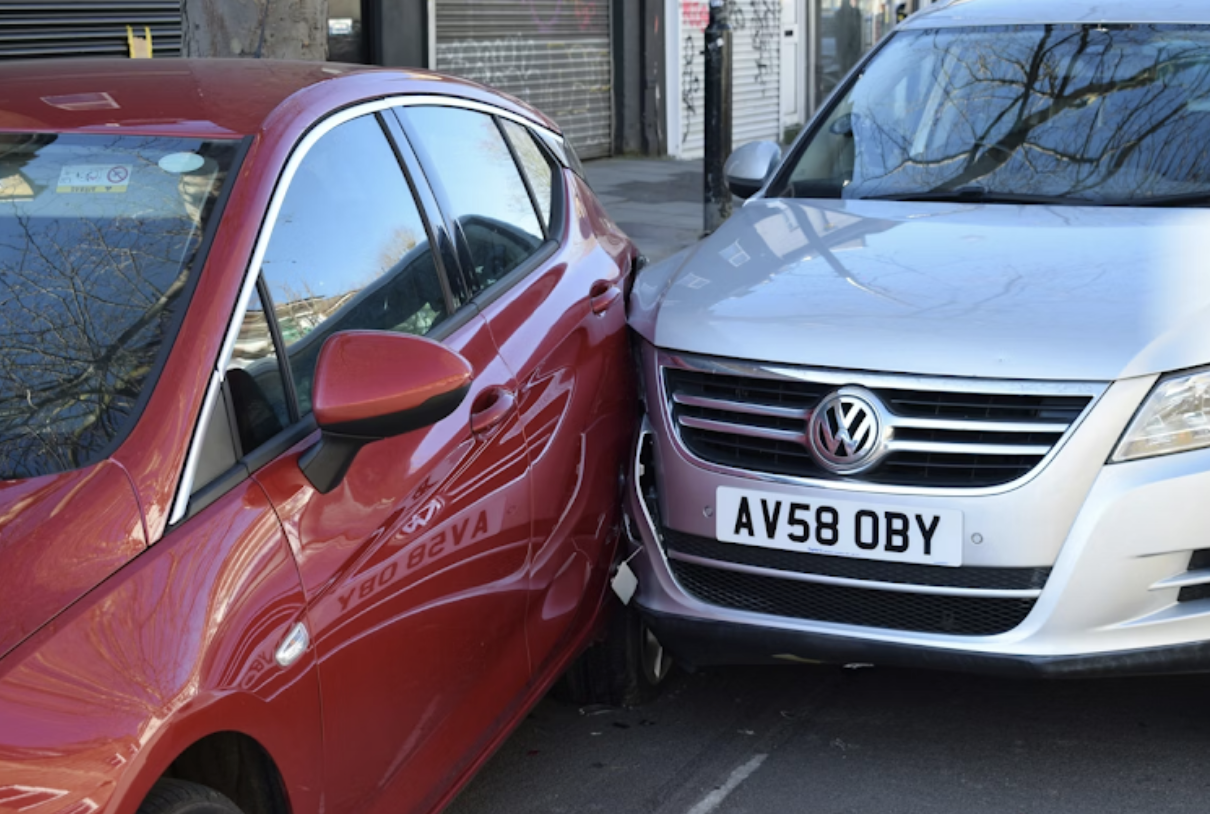
Ever walked away from a small crash thinking, “No big deal”?
For example, running into someone’s bumper at a stop sign, scratching a bumper in a car park, or even nudging another car very slowly from behind at a red light can still lead to costly damage and insurance claims.
It feels minor. You swap details, drive off, and get on with your day.
But here’s the problem…
As a result, that small bump can become a prolonged insurance claim dispute that lasts for months. Meanwhile, undetected injuries may surface, repair costs can increase, and the other driver’s insurance company often begins looking for ways to pay you less. When that negotiation process turns ugly, countless individuals turn to trusted car accident help in Minneapolis to get the clarity and support they need.
The good news?
Once you realize how a little bump decalcifies into a giant problem… You can prevent it.
Here’s what’s ahead:
- Why a Small Crash Is Rarely Small
- How Insurers Turn “Minor” Into “Cheap”
- The Hidden Costs That Add Up
- Mistakes That Wreck Your Claim
- How to Protect Yourself After a Bump
Why a Small Crash Is Rarely Small
Here’s something most drivers don’t realise…
Fender benders may seem uncommon, but they’re actually the most frequent crash you’ll ever be involved in. Rear-end collisions account for about 23% of all crashes, and many of those occur at low speed.
So why do these “minor” crashes cause so much trouble?
Because your body doesn’t always realize the damage immediately. You get hit with adrenaline, feel good, and tell the officer you’re fine. Then a day or two later your neck tightens up, your back hurts and the headaches begin.
It’s called a delayed injury, and it’s far more common than most people realise. For example, whiplash is the classic case. In many situations, symptoms do not appear for a day or two, even after you leave the scene and tell everyone you feel “fine.”
However, delayed injuries are not limited to stiff necks. Muscle pulls, herniated discs, and even concussions can take several days before they start causing noticeable pain. As a result, you might rear-end someone on Monday and suddenly find yourself sitting in a doctor’s office by Wednesday.
At that point, you already gave your statement to the insurance company and things you say at the scene can haunt you later.
How Insurers Turn “Minor” Into “Cheap”
This is where a fender bender starts becoming a legal headache.
The insurance company representing the other driver has one objective during an insurance settlement negotiation. That goal is to settle your claim for the lowest amount of money possible. And they’re really, really good at it.
Here’s how they do it:
- They use your own words against you. “I’m okay” on the scene becomes evidence you were not injured.
- They advertise minor injuries. Little ding, little hurt…didn’t you hear? That’s the tale they tell.
- They pressure you. They send you a quick low ball offer before you even realize how wounded you are.
This graph explains why insurers will fight you tooth and nail. After all, neck injuries represent the most severe injury type in one-third of injury claims and cost more than $8 billion every year. As a result, insurers do everything they can to avoid writing that cheque.
They underoffer. And if you don’t negotiate with them over your insurance settlement, you lose.
Here’s another way to look at it. The adjuster processes dozens of claims similar to yours each week. You are fighting your first claim. Experience is what they bank on.
The Hidden Costs That Add Up
A scratched bumper looks cheap. The full cost of a crash usually isn’t.
Once the dust settles, the bills start showing up from every direction:
- Doctor visits, X-rays, and MRIs
- Physical therapy that drags on for weeks
- Lost wages from missed work
- Higher insurance premiums down the line
And here’s the part that stings…
Vehicle collisions account for 79% of crash injuries, which means small crashes are more likely to cause injury than most people realize. What starts as a $400 dent can easily escalate to thousands of dollars in medical bills.
Settle too early, and you eat those costs yourself.
Mistakes That Wreck Your Claim
Many sink their own case without realizing it. Learn what the most common mistakes are and you’ll easily avoid them.
Watch out for these:
- Telling everyone you are fine at the scene. Don’t. Wait for a doctor to say that.
- Foregoing medical care. If you don’t have records, there’s no evidence your injury was caused by the accident.
- Accepting their first offer. The first number put on the table in an insurance settlement negotiation is usually their best offer.
- Giving a recorded statement. Adjusters use these to trip you up later.
- Posting about it online. A photo of you smiling can torpedo a claim quickly.
Steer clear of these, and you’ll always have options. Bounce into one of these and the insurance company controls you.
How to Protect Yourself After a Bump
So what should you actually do after a minor crash?
They’re easy steps to take, but they can mean the world to you later when negotiations get intense.
Right after the crash:
- Take photos of both cars, the road, and any damage.
- Get the other driver’s details and any witness contacts.
- Call the police and get a report, even for a small bump.
In the days that follow:
- See a doctor, even if you feel okay.
- Keep every bill, record, and receipt.
- Write down how you feel each day.
Most importantly, your paperwork is your most powerful negotiation tool for any insurance settlement. In fact, good documentation makes it far more difficult for an adjuster to dispute your injuries.
And one more thing…
Slow down. Take your time. Things don’t happen right away. If you rush you’ll never see the whole injury. The slower you go, the better. Hurting slowly allows you to build momentum.
Tying Up the Loose Ends
It never feels like a serious accident when you have a fender bender. And that’s why most people are caught off guard.
It may be only a minor collision. However, unseen damage, escalating costs, and a stubborn insurance claim dispute can make that fender bender your next big legal battle.
Here’s the quick recap:
- Small crashes are common, and injuries often show up late.
- Insurers will try to settle fast and cheap.
- The real costs pile up long after the crash.
- Good records and patience protect you.
Take every crash seriously. Document. Don’t accept the first offer without considering. If you do those two things, you put yourself in the best position to walk away with a fair result — rather than a migraine that haunts you for months.


Read more on
MyCarHeaven are on Instagram. Go check us out and do follow us.
Go visit the MyCarHeaven Instagram page. We post regular quality content, predominantly focused on classic cars, supercars, hypercars and car shows. We also feature all our competitions here, where you will have the chance IF YOU FOLLOW US and you follow the competition entry criteria, you could be in with a chance of winning tickets to the best UK car shows, and other automotive stuff.
Go to the MyCarHeaven Instagram account here. Advertisement
 Advertisement
 Advertisement
 Advertisement