


Porsche’s Difficult 2025: What Really Happened Behind the Headlines
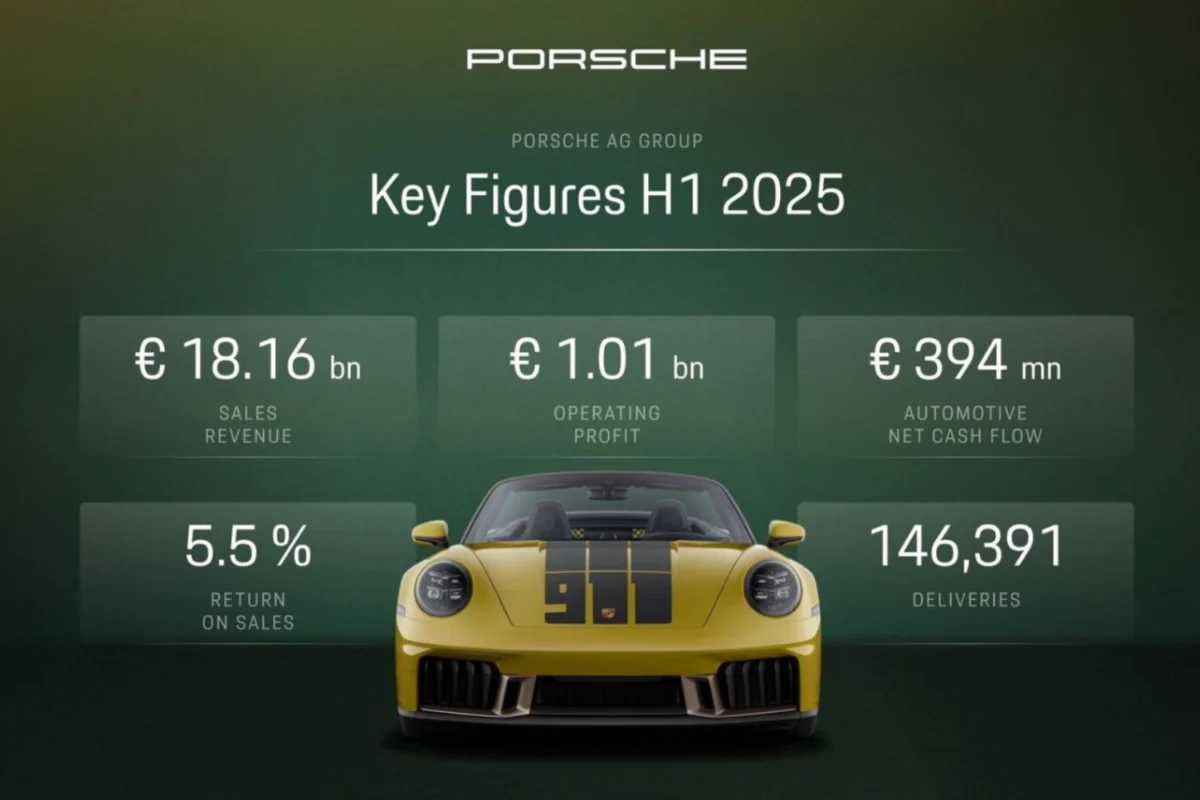
Porsche’s 2025 financial results sparked dramatic headlines. Some reports suggested the iconic sports car maker had suffered a near-total collapse in profitability. The reality is more complex.
Yes, 2025 was a bruising year for the Stuttgart brand. Sales fell, China weakened, tariffs hit hard, and the company recorded billions in strategic write-downs. Yet the headline figures often quoted online tell only part of the story.
So what actually happened at Porsche in 2025? And why are analysts still concerned about the brand’s future direction?
The Headline Shock: A 98% Profit Collapse?
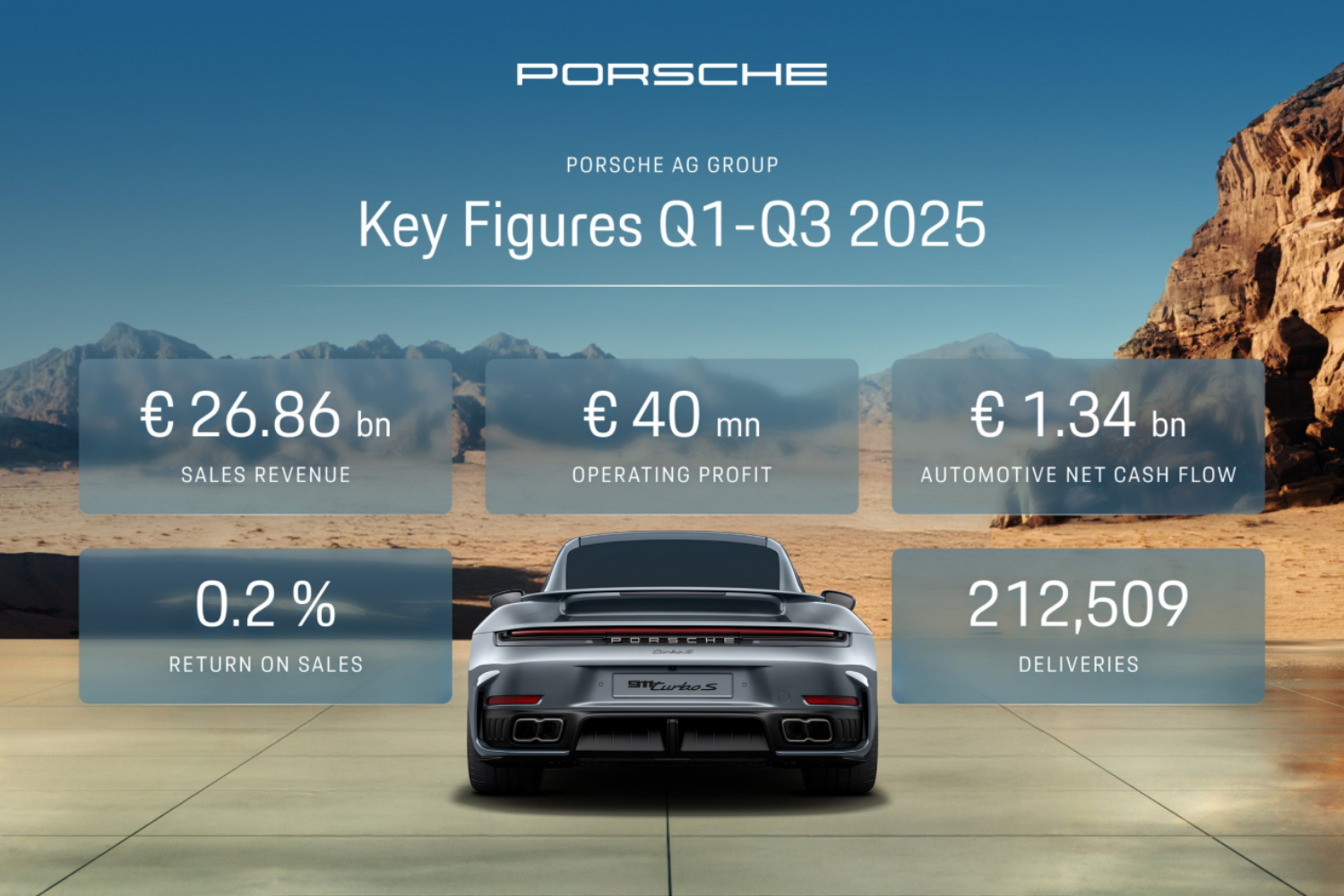
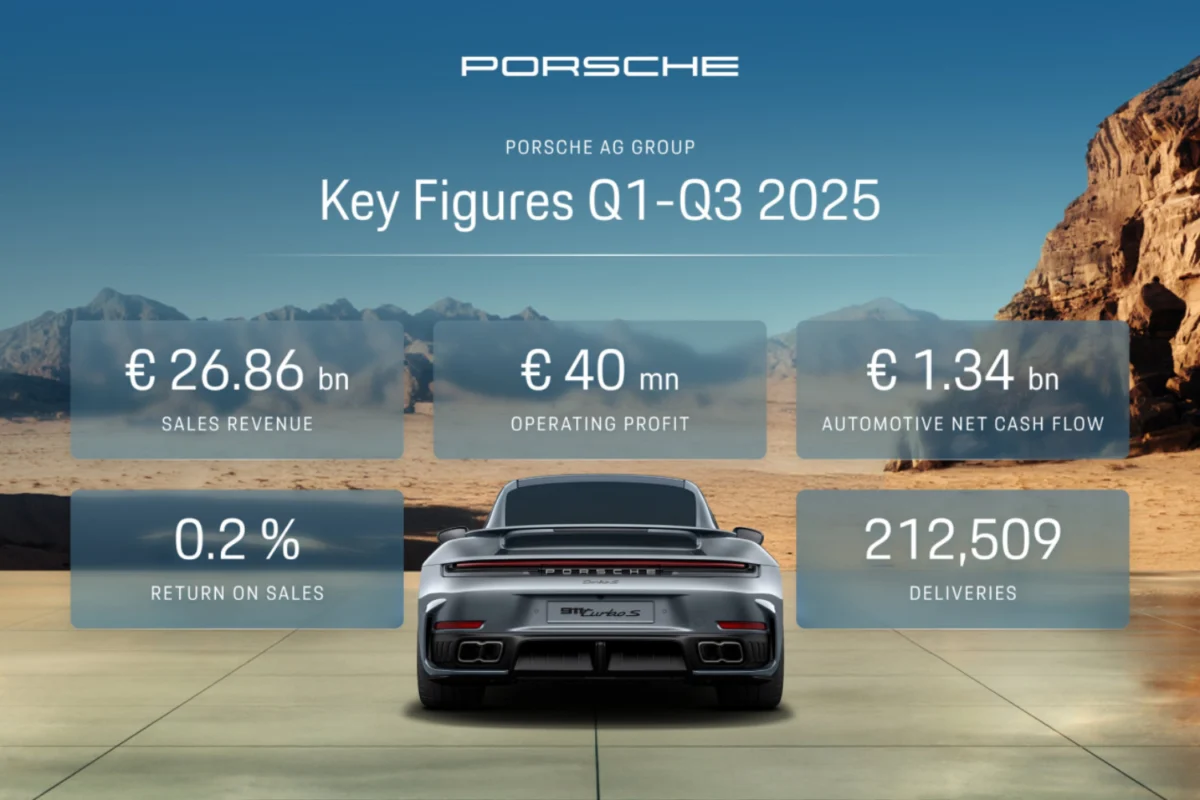
One figure grabbed global attention: operating profit falling from €5.3 billion (£4,5 billion) in 2024 to €90 million (£77 million) in 2025.
That sounds catastrophic. However, there is an important detail.
The €90 million figure refers only to Porsche’s automotive operating profit after major one-off charges. At group level, operating profit remained significantly higher.
Even so, the drop highlights how much pressure the company faced during the year.
One quarter summed up the problem. In Q3 2025, Porsche posted a €967 million (£834 million) operating loss. That marked the brand’s first quarterly loss since its stock market listing in 2022.
The question is simple: how did one of the world’s most profitable car makers end up here?
Three Major Forces Hit Porsche at Once
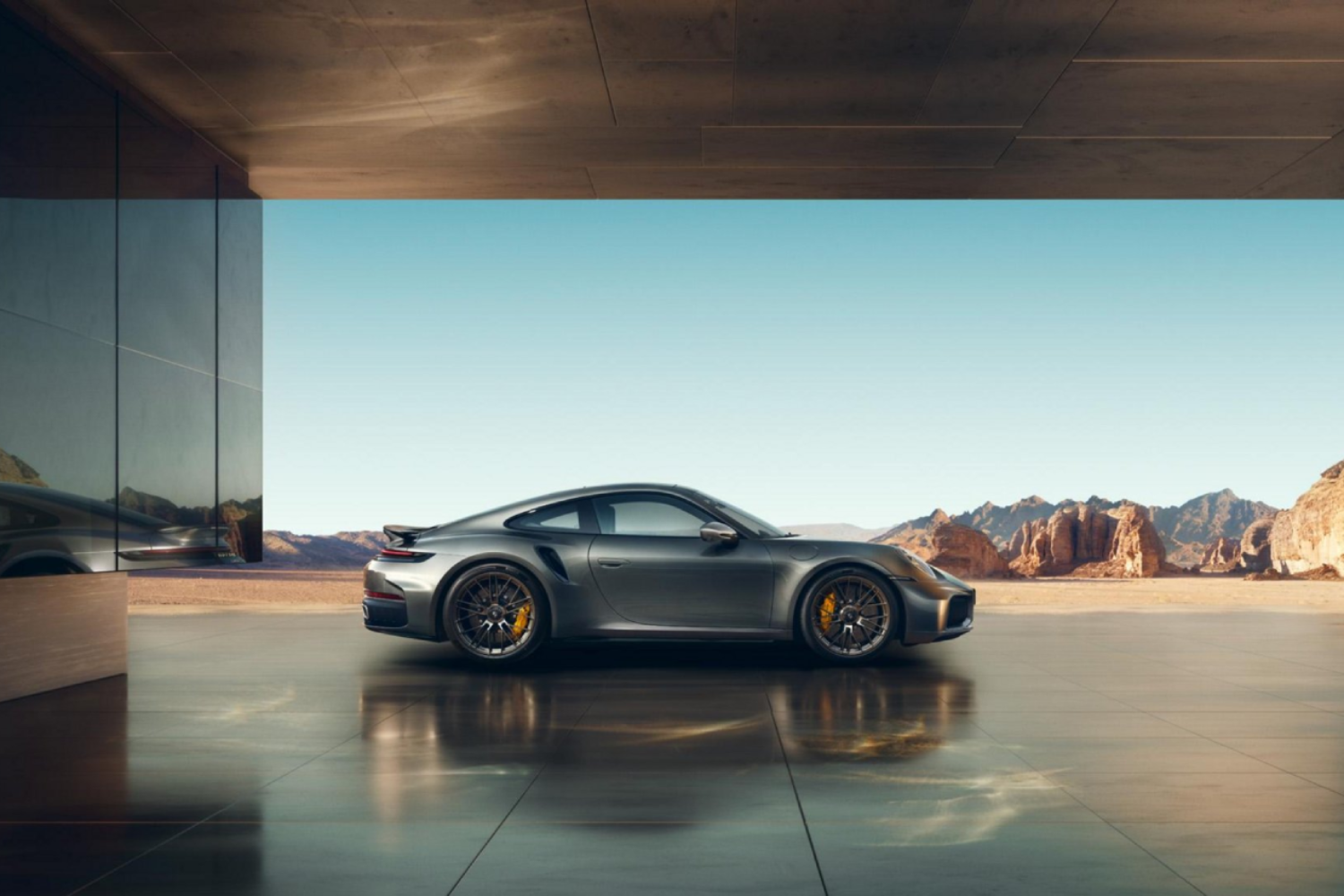
Several problems arrived at the same time. Each alone would have been manageable. Together, they created a perfect storm.
1. China’s Luxury Market Turned Cold
For years, China was Porsche’s growth engine.
Wealthy buyers lined up for models such as the 911, Cayenne, and Taycan. In 2025, that momentum faded quickly.
Sales in China dropped around 26%.
Several factors played a role:
- Slower economic growth
- A cooling luxury market
- Rapidly improving domestic EV brands
- Price pressure across the premium segment
Chinese manufacturers are now producing high-performance electric saloons and SUVs at competitive prices. As a result, Porsche’s premium badge no longer guarantees dominance.
2. US Tariffs Added Heavy Costs
Trade tensions also hit the balance sheet.
New US import tariffs on European vehicles increased Porsche’s costs by about €700 million (£604 million) during the year.
Unlike larger car groups with factories in North America, Porsche imports most vehicles into the US market. That makes the company especially exposed to tariffs.
Higher costs are difficult to absorb when sales volumes are already slipping.
3. A Costly Strategic Reset on Electrification
The biggest financial hit came from Porsche’s own strategy shift.
The company had invested heavily in electrification. However, global EV demand cooled in several key markets.
As a result, Porsche adjusted its plans. Combustion engines and hybrid models will remain part of the product line longer than originally planned.
That change triggered large accounting write-downs linked to:
- Battery investment projects
- Product development adjustments
- Manufacturing restructuring
In total, extraordinary charges reached roughly €3.9 billion (£3,3 billion) in 2025.
These one-off costs heavily distorted the company’s profit figures.
Sales Fell and Capacity Became a Problem
Financial charges were not the only issue.
Porsche also delivered around 10% fewer cars globally in 2025. Lower volume naturally reduced revenue.
Meanwhile, production capacity built during the boom years is now underused. Factories designed for rapid growth are not running at full strength.
This imbalance increases the cost of every vehicle produced.
Job Cuts and a Leaner Porsche
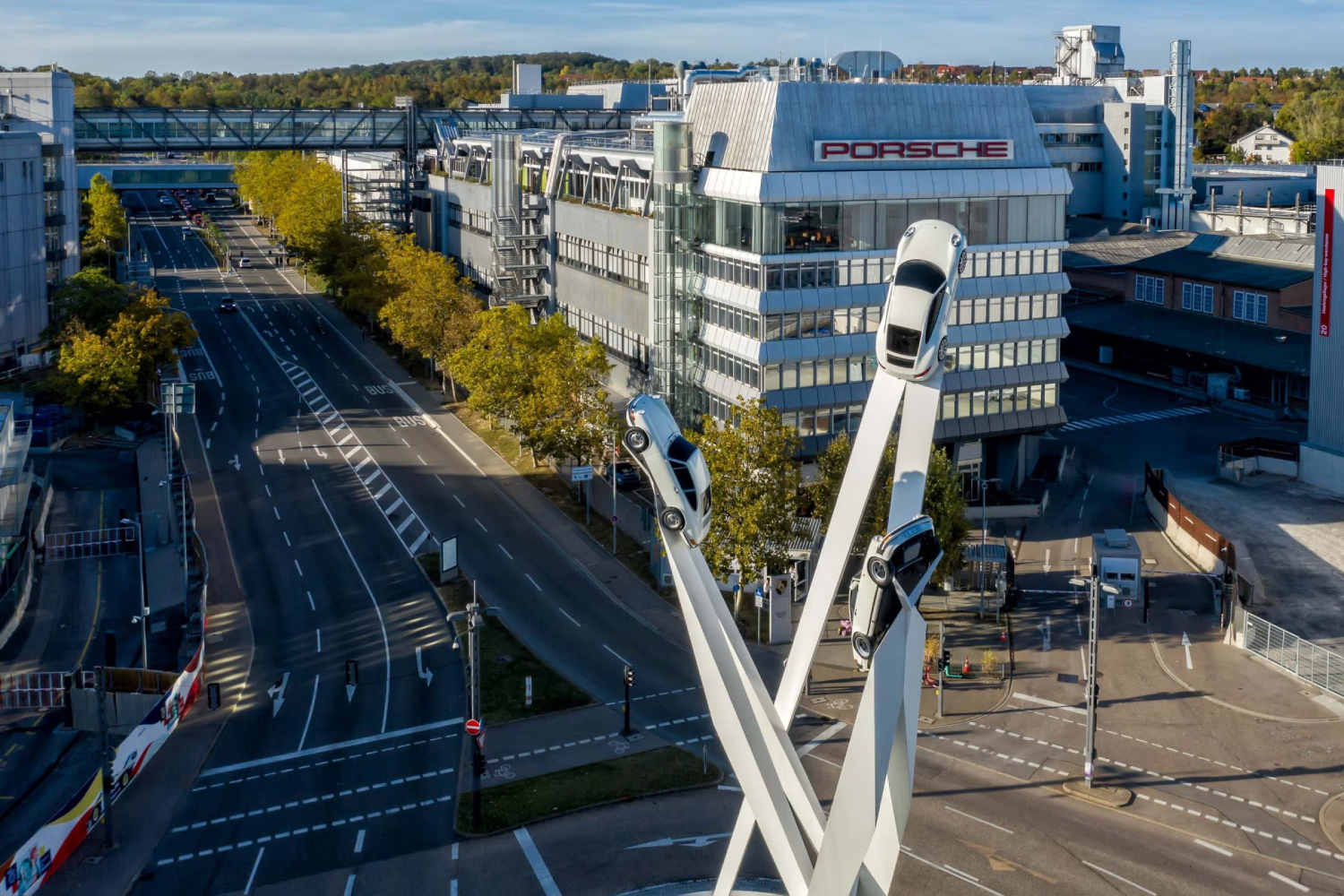
Management has already begun restructuring.
The company plans to remove around 1,900 permanent roles, alongside several thousand temporary positions that have already expired.
The aim is simple: reduce costs and make Porsche more flexible in a changing market.
Even so, analysts believe further adjustments could follow if sales remain weak.
Why Analysts Are Still Worried?
At first glance, Porsche’s situation may appear temporary. After all, the brand remains hugely profitable per vehicle compared with most rivals.
Yet analysts see deeper concerns.
Key risks include:
- China uncertainty: Porsche once relied heavily on Chinese demand. A prolonged slowdown could reshape global sales.
- EV transition timing: The industry still lacks clarity on how quickly electric adoption will accelerate.
- Luxury competition: New EV entrants are challenging traditional prestige brands.
- High fixed costs: Porsche’s engineering standards and low production volumes make cost reductions difficult.
Porsche built its reputation on engineering excellence and strong margins. However, the current environment is less predictable than the one that delivered years of record profits.
The Bigger Picture for the Car Industry
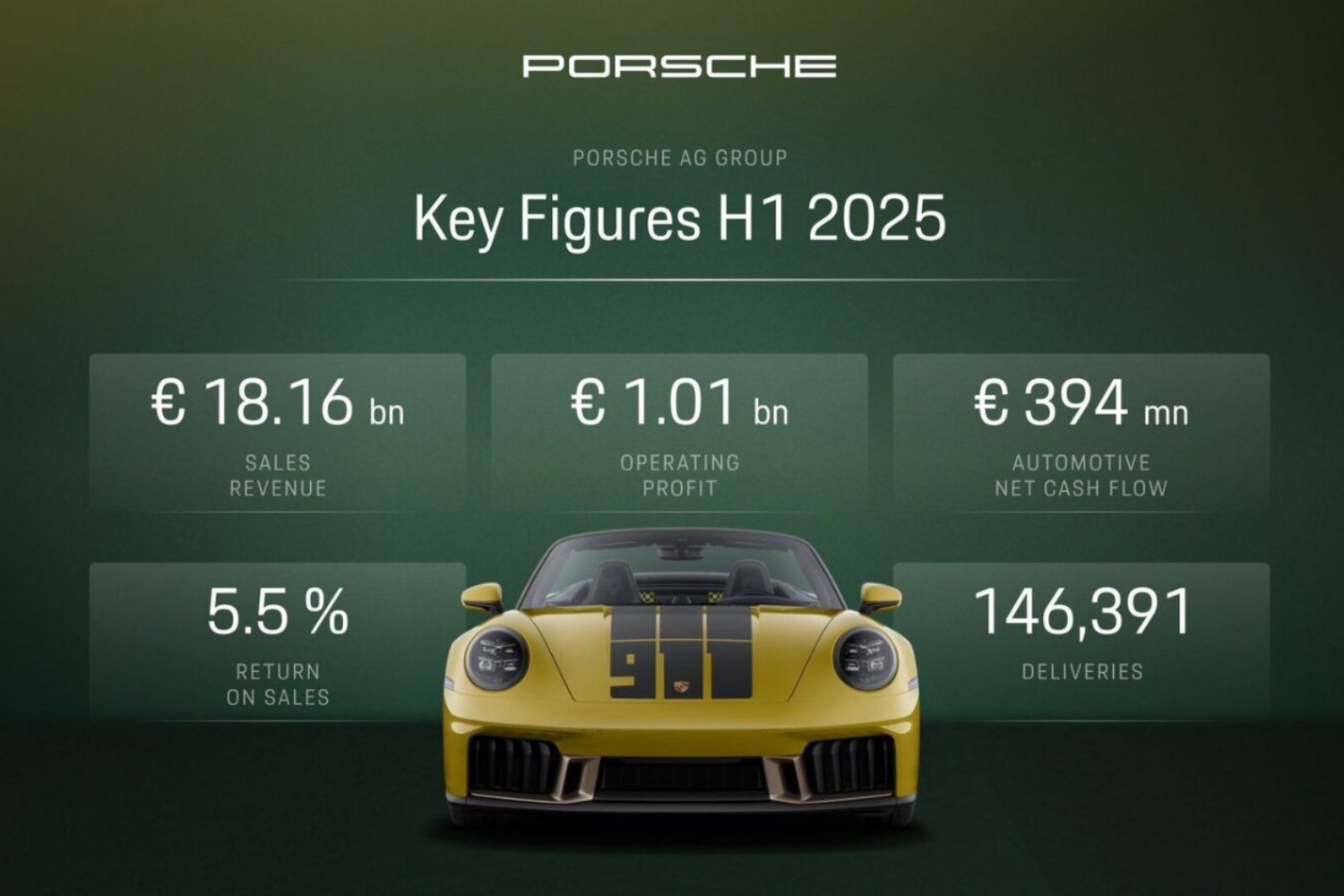
Porsche’s 2025 financial results reflect broader changes across the automotive sector.
Three trends are reshaping the market:
- Rapid progress from Chinese EV manufacturers
- Ongoing trade tensions between major markets
- Uncertainty around the speed of electrification
Even the strongest brands must adapt quickly.
Porsche still has powerful advantages: a global reputation, iconic models, and strong customer loyalty. Yet the industry is evolving faster than many legacy manufacturers expected.
Conclusion: A Tough Year, but Not the End of the Road
Porsche’s 2025 financial results were dramatic, but they do not signal the collapse of the brand.
Most of the profit decline came from strategic write-downs and restructuring costs, not a sudden loss of demand for its cars.
However, the challenges facing the company are real.
China is less predictable. Electrification strategy remains uncertain. And global competition is intensifying.
Porsche has navigated difficult periods before. The question now is whether the company can adapt quickly enough to maintain its position at the top of the performance-car world.
What do you think?
Is Porsche’s shift away from an all-electric future the right move?
Can traditional sports car brands compete with the new wave of high-performance EV rivals?
Share your thoughts in the comments.



Read more on

Would you like us to review a product, service or car?
Get in touch and we can make that happen for you.
Find out moreRelated Stories
Advertisement Advertisement
 Advertisement
 Advertisement
 Advertisement