



What Drivers Should Know: Legal Steps After a Serious Crash
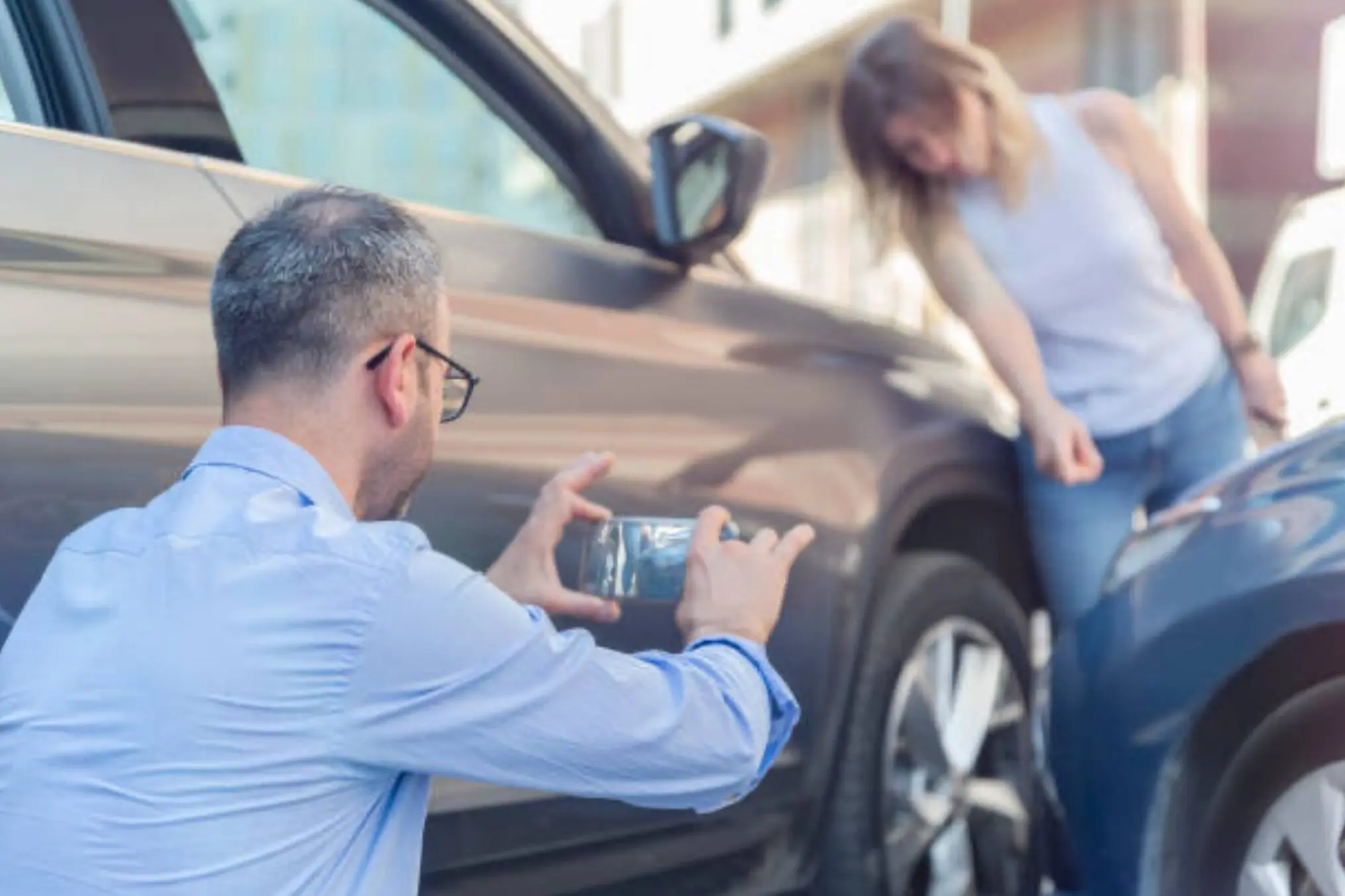
Car people love being on the road. Whether you drive a daily hatchback, a tuned track toy, or a dream supercar, you never expect your day to end with crumpled metal and flashing lights. But serious crashes can happen to anyone, even careful drivers. Knowing what to do in those moments can protect both your health and your rights later on.
This post walks through simple, practical legal steps after a serious crash so you are not guessing what to do when it matters most.
1. Put safety and health first
Right after a collision, your first job is safety, not paperwork.
● Move yourself and your passengers to a safe spot if you can.
● Turn on your hazard lights.
● If there is a risk of fire or another impact, get away from the vehicles.
Call emergency services as soon as you can. Even if the crash seems “minor,” injuries like whiplash, concussions, and internal pain do not always show up right away. Getting checked by a medical professional creates a record of what you felt and when you felt it. That record can be important later if symptoms get worse.
2. Call the police and get an official report
In many places, the law requires drivers to report crashes that cause injuries or notable damage. Even if the other driver wants to “keep it between us,” it is usually better to involve the police.
A police report can:
● Record who was involved
● Note visible damage and injuries
● Capture basic facts such as time, location, and road conditions
Later, when insurance companies and possibly lawyers are looking at what happened, that report can carry more weight than two drivers arguing about who said what.
3. Collect as much information as you can
If it is safe and you are able, take a few minutes to gather details at the scene. You do not need to argue or assign blame. Just focus on facts.
Helpful information includes:
● Names, phone numbers, and addresses of all drivers and passengers
● License plates, vehicle makes, models, and colors
● Insurance company names and policy numbers
● Photos or videos of damage, skid marks, traffic lights, and road signs
● Names and contact details of any witnesses
Use your phone’s camera for everything. Take wide shots and close-ups. If the other driver later changes their story, these images can help you and your legal team show what really happened.
4. Be careful about what you say
After a crash, people often feel guilty, scared, or embarrassed. It is natural to want to apologize, even if you did nothing wrong. Try to avoid saying things that sound like you are taking the blame.
Simple phrases like:
● “Are you okay?”
● “Let’s wait for the police to arrive.”
are much safer than “I’m so sorry, this was all my fault.” You might not know all the facts yet. Maybe the other driver was speeding. Maybe a third driver cut you off. Leave fault for the investigation, not the roadside.
The same idea applies online. Avoid posting about the crash on social media. Insurance adjusters and lawyers sometimes review public profiles. A quick post like “I’m fine, car is ruined though” can be used later to argue that you were not really hurt.
5. Inform your insurance company the right way
Most policies require you to tell your insurer about a crash within a certain time. Call them, give the basic facts, and be honest. But you do not have to guess or agree with any statement that you are not sure about.
If you do not know something, it is okay to say “I’m not sure” or “I need to review the documents first.” Avoid giving recorded statements to the other driver’s insurer until you understand your situation and your rights.
If the crash involved serious injuries or major damage, many drivers choose to speak with a lawyer before going too deep into conversations with insurance companies.
The legal side of a serious crash can take months or longer. Good documentation helps keep your story clear and consistent over time.
Try to keep:
● Copies of medical records, prescriptions, and treatment plans
● Receipts for car repairs, towing, and rental cars
● Pay stubs or notes about missed work and lost income
● A simple journal where you track pain levels, sleep issues, and how the crash affects your daily life
You do not have to write long entries. A short note like “Neck pain, 6/10, missed work today” can still be powerful evidence down the line.
7. Know when to get legal guidance
Not every small bump in a parking lot needs a lawyer. But when injuries, hospital visits, or long-term pain are involved, the stakes are higher. The law can be complex, and each place has its own rules and deadlines.
This is where legal steps after a serious crash often include talking with an experienced car accident lawyer. A legal professional can:
● Review the police report and your evidence
● Explain how fault is decided where you live
● Help you understand what types of compensation may apply to your case
● Deal with insurance companies so you do not have to handle everything on your own
Having someone who understands this process can give you clarity while you focus on healing and getting back on the road.
8. Why these steps matter to car enthusiasts
For car lovers, a serious crash is not just about paperwork. It may involve a prized car you have built, restored, or dreamed about for years. Beyond the emotional hit, there can be complex questions about value, upgrades, and repairs.
Following clear legal steps helps you:
● Protect the full value of your vehicle, not just a basic book number
● Make sure injuries are taken seriously, even if you tried to “tough it out” at first
● Avoid common mistakes that weaken your position during insurance and legal discussions
The goal is not to start a fight. The goal is to make sure the outcome reflects what really happened and what you truly lost.
Final thoughts
A serious crash can turn a normal drive into a stressful and confusing situation. You cannot control other drivers, road conditions, or simple bad luck. But you can control how prepared you are.
Remember the key points:
● Prioritize safety and health
● Get a police report
● Collect facts and photos
● Watch what you say and post
● Notify your insurer, but stay careful with details
● Keep records of injuries, costs, and time off work
● Consider legal help when injuries or major damage are involved
Knowing these basic legal steps after a serious crash can give you more confidence during one of the most difficult moments a driver can face. And once everything is sorted out, you can focus on what you love again: enjoying the drive.


Read more on
MyCarHeaven are on Instagram. Go check us out and do follow us.
Go visit the MyCarHeaven Instagram page. We post regular quality content, predominantly focused on classic cars, supercars, hypercars and car shows. We also feature all our competitions here, where you will have the chance IF YOU FOLLOW US and you follow the competition entry criteria, you could be in with a chance of winning tickets to the best UK car shows, and other automotive stuff.
Go to the MyCarHeaven Instagram account here. Advertisement
 Advertisement
 Advertisement
 Advertisement